
Best Seller

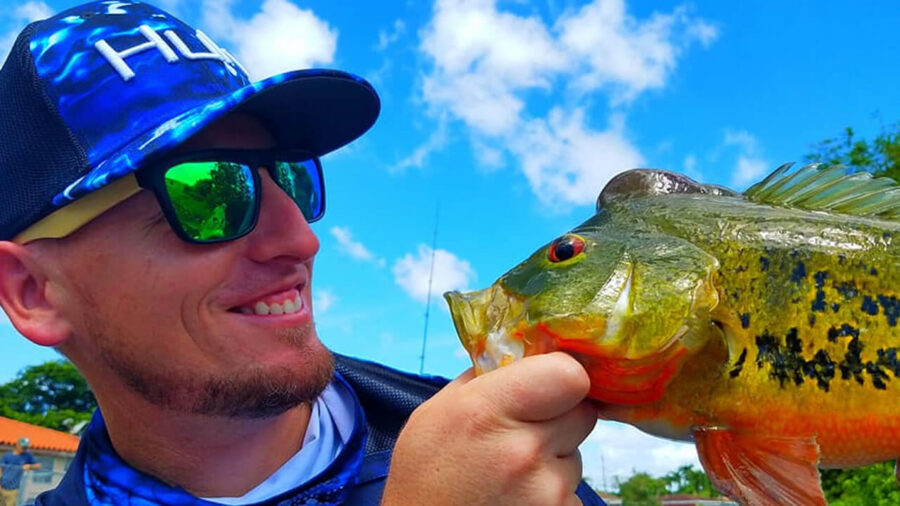

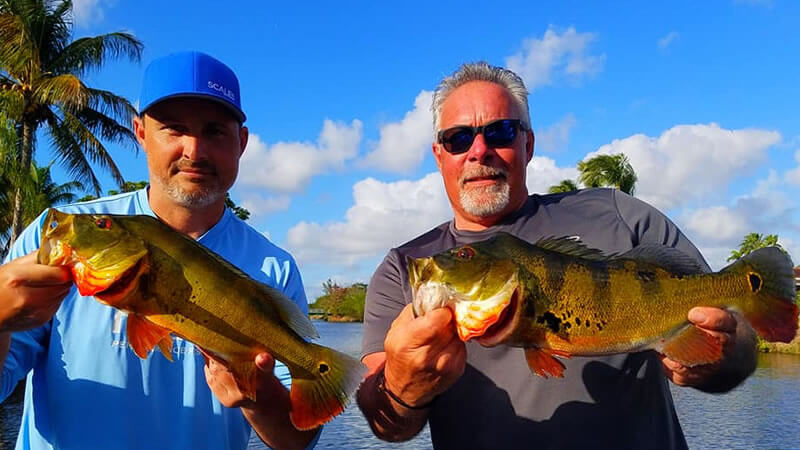







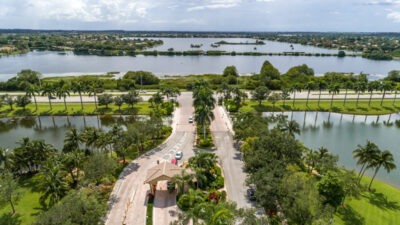
Airport Lakes is the local name anglers use for the urban freshwater lakes and connected canal water around Blue Lagoon, immediately south of Miami International Airport. The fishery combines quick city access with genuine South Florida action, making it a practical choice for a half-day trip, a family outing, or a fishing window around a Miami visit.
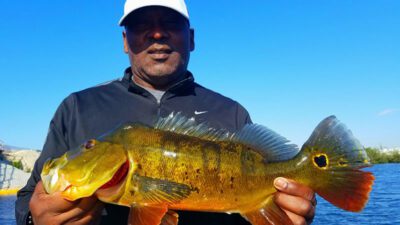
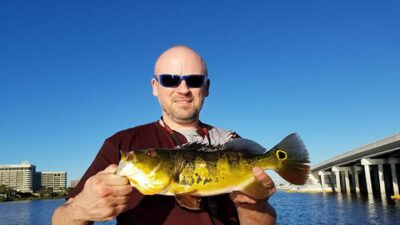
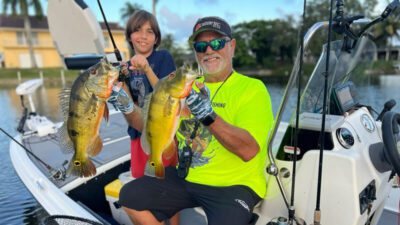
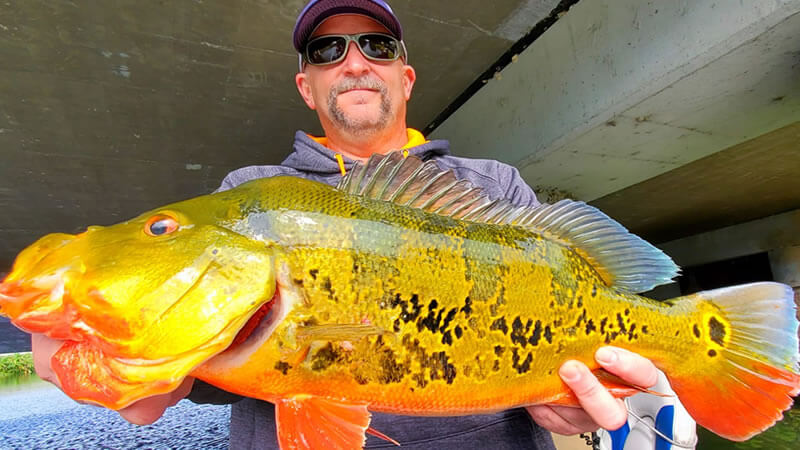
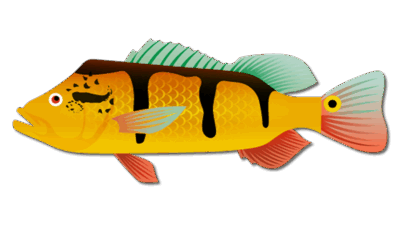
Butterfly peacock bass are the headline species. Largemouth bass and several hard-fighting South Florida exotics add variety, and the mix of open lake water, canal edges, bridges, seawalls, bends, and intersections gives anglers several patterns to work in a single trip.
The Airport Lakes fishery is not one neatly bounded natural lake. It is a collection of man-made lakes and connected urban canal water, with Blue Lagoon as its most recognizable landmark. That is why an acreage figure can be misleading: anglers move through a broader connected system rather than fishing a single reservoir shoreline.
The regional habitat helps explain the fishery. The Florida Fish and Wildlife Conservation Commission describes southeast Florida’s southern canal network as largely cut into coral rock, often deeper than 10 feet, with groundwater influence that can improve clarity. Around Airport Lakes, productive water commonly includes bridge shade, seawalls, canal junctions, sharper bends, and transitions between the main lake and narrower canal sections.
The location is especially convenient for visitors staying near the airport, downtown Miami, Coral Gables, or Doral. It feels urban—you may see aircraft and surrounding development—but the fishing can be remarkably active once the boat leaves the ramp.
Butterfly peacock bass are the primary reason anglers book Airport Lakes. FWC introduced the species to southeast Florida in the 1980s after extensive study, and the warm canal network became one of the country’s distinctive urban freshwater fisheries. Peacock bass feed during daylight and often use structure, shade, current breaks, and canal edges to ambush forage.
Live golden shiners are a dependable option when the goal is steady action or when introducing children and first-time anglers to the fishery. Artificial anglers can cover water with minnow-shaped plugs, jerkbaits, small crankbaits, jigs, and topwater lures. Fly anglers often use streamers and poppers that imitate small baitfish. A guide may change depth, retrieve speed, or presentation as light, current, and water temperature shift through the day.
Peacock fishing is available year-round, although FWC notes that many fish heavier than four pounds are caught from February through May. Summer can also produce fast action, particularly around fish guarding young. Prompt, careful release is encouraged because large peacock bass are central to the quality of the fishery.
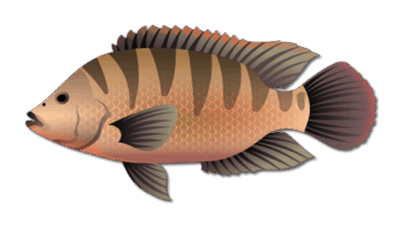
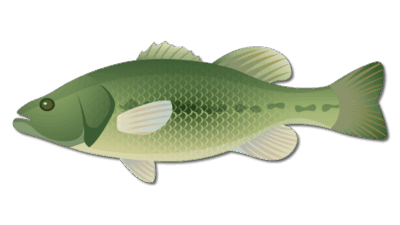
Largemouth bass share this water with peacock bass. Early and late topwater periods can be productive, while soft plastics and slower presentations around shade may work better during the brightest part of a hot day. Anglers may also encounter Mayan cichlids, oscars, tilapia, and other established South Florida species.
Not every species is equally common in every part of the system, and conditions can change after rain, water-management releases, or a cold front. The most useful approach is to treat the lake and canal network as a series of small zones, then let current, clarity, shade, and bait activity determine where to spend time.
Bridge pilings, culverts, canal intersections, seawalls, fallen trees, and shaded edges are natural starting points. When current is moving, fish often position where faster water meets a protected pocket. When the main channel is less productive, lateral canals and small lake sections can offer quieter water and concentrated forage.
Airport Lakes rewards mobility, but safe navigation matters. Urban canal systems can contain changing depths, bridge openings, posted slow-speed areas, and floating debris. Follow all signs and the captain’s directions, and give manatees and other wildlife plenty of room.
The primary access is Antonio Maceo Park, 5135 NW 7th Street, Miami, Florida 33126. The City of Miami lists a boat ramp, parking, picnic tables, playground, waterfront, and other park amenities. Current posted park hours are sunrise to sunset, but guests should confirm their exact meeting time and launch instructions with the trip manager or captain.
Because the ramp is close to Miami International Airport, travel time can be short from airport-area hotels. Miami traffic can still change quickly, so allow extra time and use the meeting details supplied with the booking confirmation rather than relying only on a general map search.
A local guide is valuable here for two reasons: efficient navigation and fast pattern recognition. The system offers many similar-looking banks and intersections, and a captain who fishes it regularly can eliminate unproductive water. Guided trips also include the boat, fuel, safety equipment, and appropriate fishing tackle; the specific trip listing and confirmation explain bait, license, passenger, and cancellation details.
Four- and six-hour options suit many visitors, while a longer trip provides more time to explore different sections or work for a larger fish. Families and beginners can focus on live-bait action, while experienced anglers can request artificial-lure or fly-fishing opportunities when conditions allow.
View Airport Lakes fishing guides to compare availability and trip styles. For a broader destination overview, see the Miami fishing guide.
Anglers should review the current Florida freshwater fishing regulations before the trip. License requirements and species rules can change, and private or guided-trip circumstances do not replace the need to confirm the current law. The official FWC regulations are the controlling source.
Practice quick, careful release when returning peacock bass to the water. Keep fish wet, minimize handling time, support larger fish horizontally for photos, and never move live nonnative fish to another water body. Respect posted shoreline restrictions and private property throughout the connected canal system.
An older BassOnline field report from the Blue Lagoon section of Airport Lakes documented two tarpon, roughly 10 pounds and 20–25 pounds, landed during a freshwater peacock bass trip. Several other tarpon were reportedly jumped that day. This is best treated as a historical catch note rather than a promise of regular tarpon action; Airport Lakes is primarily a peacock bass and largemouth bass fishery, but the connected South Florida canal environment can occasionally produce unusual species encounters.
| Species | Jan | Feb | Mar | Apr | May | Jun | Jul | Aug | Sep | Oct | Nov | Dec |
|---|---|---|---|---|---|---|---|---|---|---|---|---|
| Peacock Bass | ✅ Good | ✅ Good | 🔥 Hot | 🔥 Hot | 🔥 Hot | 🔥 Hot | ✅ Good | ✅ Good | ✅ Good | ✅ Good | 🔥 Hot | 🔥 Hot |