
Best Seller
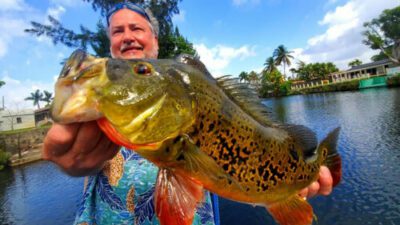
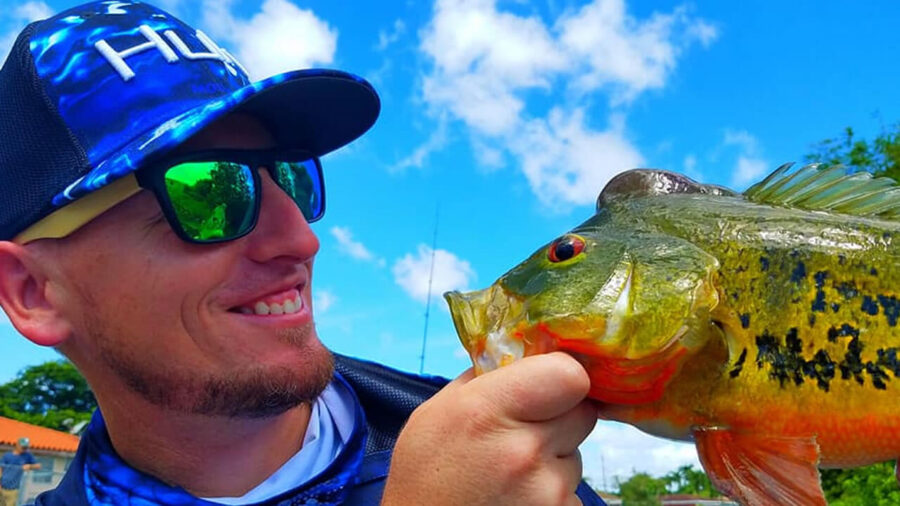
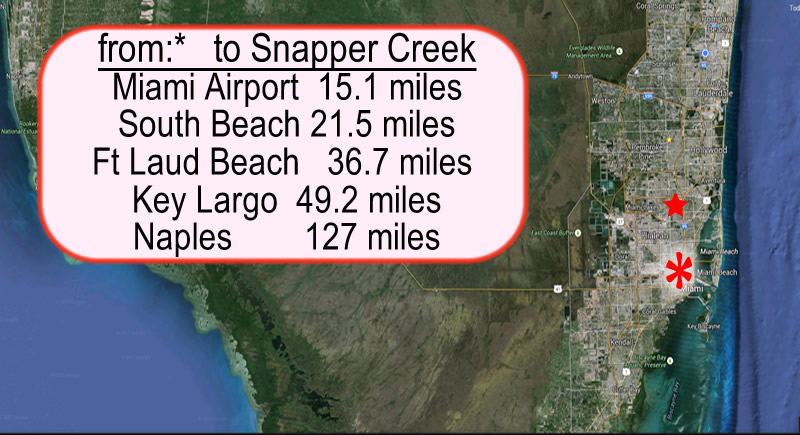
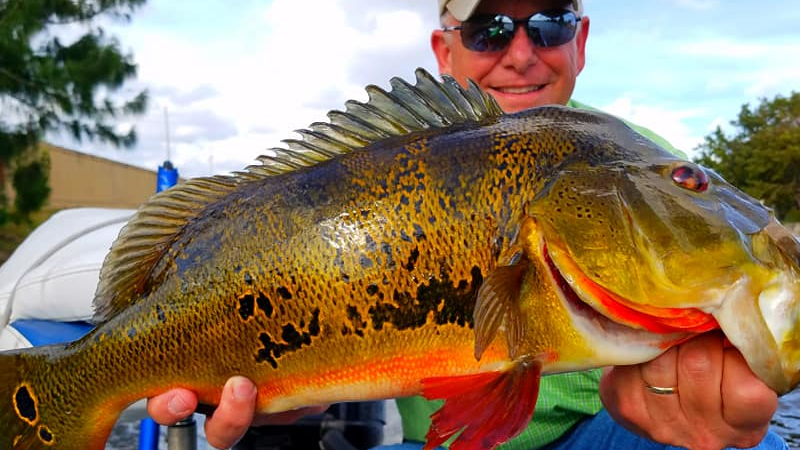
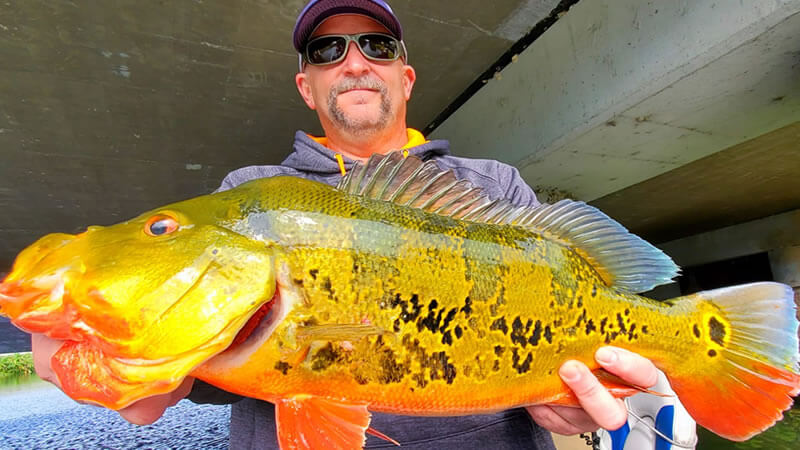
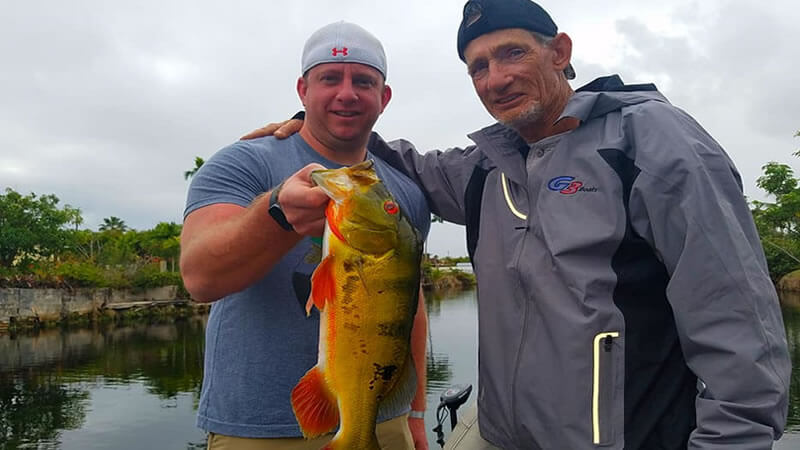
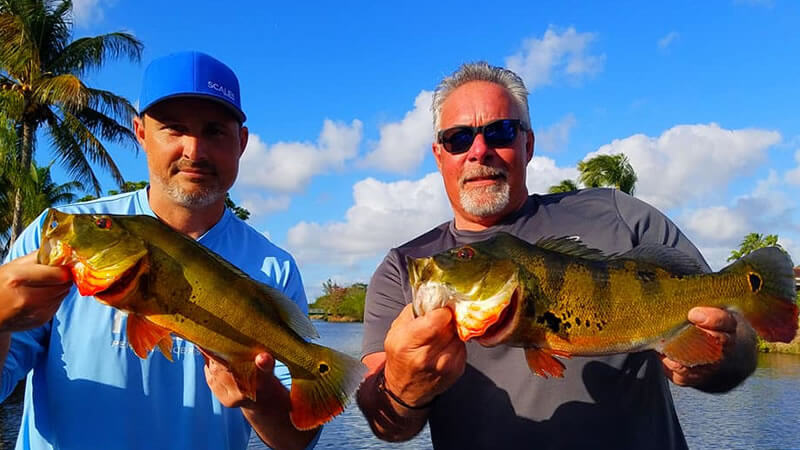
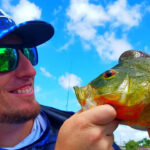
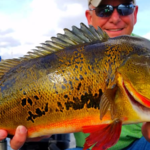
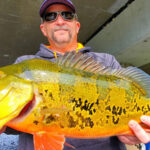
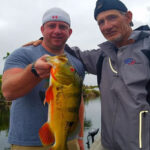
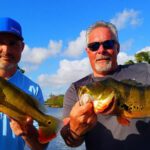
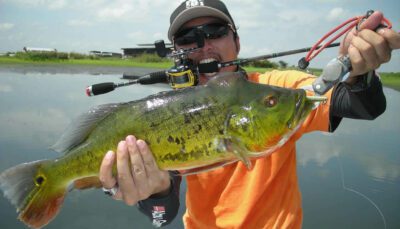
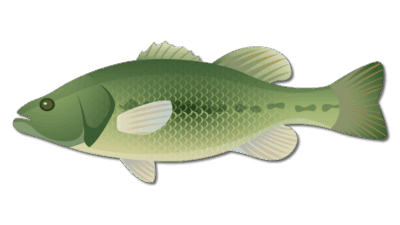

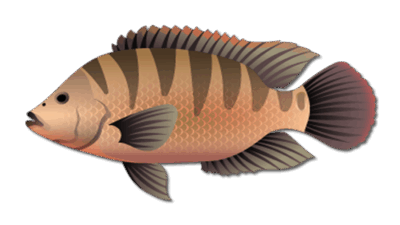
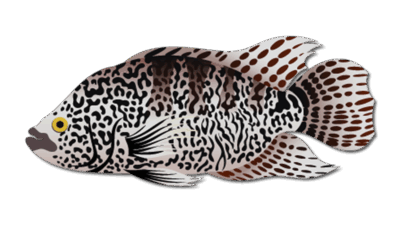
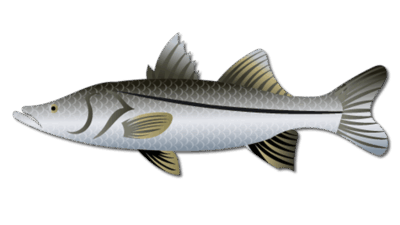



Snapper Creek Canal, also identified as the C-2 Canal, is one of Miami-Dade County’s most accessible urban freshwater fisheries. The canal crosses the Sweetwater and Kendall area before continuing southeast toward the S-22 water-control structure. For anglers searching for Snapper Creek fishing, the main attraction is the chance to target butterfly peacock bass and largemouth bass without leaving the Miami metropolitan area.
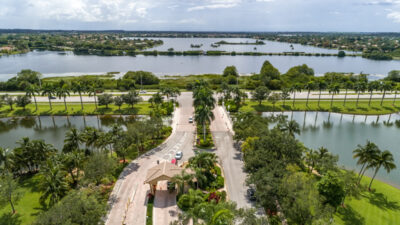
The fishery combines a long main channel with lateral canals, bridge crossings, culverts, seawalls, bends, and a small connected lake. That variety gives fish places to feed as well as refuge from strong current. The Florida Fish and Wildlife Conservation Commission’s peacock bass guide specifically identifies the C-2 Snapper Canal as a South Florida peacock bass fishery. Miami-Dade’s official canal data and the South Florida Water Management District’s C-2 study provide additional public information about the canal system.
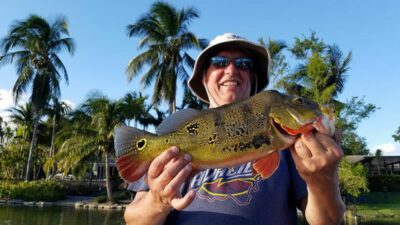
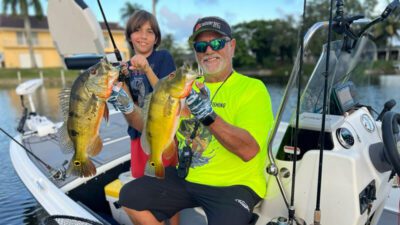
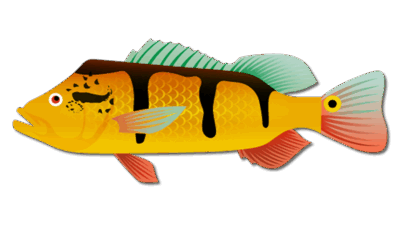
Butterfly peacock bass are the signature target. They are visual, aggressive predators that often hold around bridge shade, seawalls, culvert mouths, canal intersections, and other hard edges. The FWC notes that South Florida peacock bass can be caught throughout the year, with heavier fish commonly available from February through May. Because peacocks feed during daylight, a productive trip does not always require a before-sunrise launch.
Largemouth bass share the system and become especially important during cooler months or when peacock activity slows. Anglers may also encounter freshwater snook near bridges and connected water, plus Oscars, Mayan cichlids, Jaguar guapote, tilapia, and Florida gar. See the site’s guides to Oscar fish, Jaguar guapote, and snook for identification and fishing context.
The main canal is approximately 12.3 miles long, averages about 12 feet deep, and generally ranges from 50 to more than 100 feet wide. Five boat-accessible lateral canals and a connected lake add more water to explore. Conditions change along the system: the northern reach is generally narrower and shallower, while the southeastern portion opens into broader, deeper water.
Start with high-percentage structure rather than covering featureless shoreline. Fallen trees, canal intersections, sharp bends, dead ends, riprap, seawalls, bridges, and culverts all concentrate bait and create ambush points. After heavy rain or when control structures are moving water, fish often slide out of the strongest flow. Check protected lateral canals, current seams, downstream eddies, bridge pilings, and wall cutouts where predators can hold without fighting the full current.
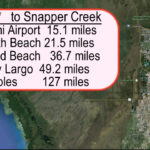
The Snapper Creek Canal boat ramp is on North Snapper Creek Drive near SW 97th Avenue. From this central access, anglers can work east toward the Dadeland area and the S-22 structure or north toward the Turnpike Extension and the intersection with the Tamiami Canal. Bridge clearance, current, water-control operations, and local navigation conditions can change, so approach constricted areas slowly and observe posted restrictions.
Live shiners are a dependable choice for both peacock bass and largemouth bass. Free-line them near bridge pilings, seawall irregularities, canal intersections, and visible fish, or use a light float when depth and current require more control. Keep the bait presentation natural and avoid oversized terminal tackle in clear water.
For artificial lures, compact jerkbaits, minnow plugs, small swimbaits, jigs, and topwater baits imitate the forage peacocks chase. Bright patterns can help fish track a lure in stained water, while natural baitfish colors often work in clearer stretches. Plastic worms, small creature baits, and slower bottom presentations add a reliable largemouth option. Fly anglers can use baitfish and streamer patterns around open seawalls and bridge shade, where there is room for a controlled cast.
Urban-canal fishing rewards accurate presentations. Cast parallel to seawalls, work both sides of a culvert or bridge opening, and let moving water sweep a lure past the edge of an eddy. If fish follow without striking, reduce lure size, change retrieve speed, or return with a live bait presentation.
Snapper Creek is close to the services and lodging available throughout Miami, making it practical for a half-day or full-day outing. A local captain can shorten the search by adjusting to current, water clarity, weather, and the section of canal producing that day. Browse Snapper Creek fishing guides for current trip options.
Florida freshwater license requirements and harvest rules can change. Review the current FWC freshwater fishing regulations before keeping fish, and use Bass Online’s Florida fishing license guide to prepare for the trip. Peacock bass are particularly valuable as a sport fish in this canal system, so many guided trips emphasize careful handling and release.
| Species | Jan | Feb | Mar | Apr | May | Jun | Jul | Aug | Sep | Oct | Nov | Dec |
|---|---|---|---|---|---|---|---|---|---|---|---|---|
| Peacock Bass | 🔥 Hot | 🔥 Hot | 🔥 Hot | 🔥 Hot | ||||||||
| Largemouth Bass | ✅ Good | ✅ Good | ✅ Good | ✅ Good | ✅ Good | ✅ Good | ||||||
| Oscar fish | ✅ Good | ✅ Good | ✅ Good | ✅ Good | ✅ Good | ✅ Good | ✅ Good | ✅ Good | ✅ Good | ✅ Good | ✅ Good | ✅ Good |
| Mayan Cichlid | ✅ Good | ✅ Good | ✅ Good | ✅ Good | ✅ Good | ✅ Good | ✅ Good | ✅ Good | ✅ Good | ✅ Good | ✅ Good | ✅ Good |