
Trophy Hunt
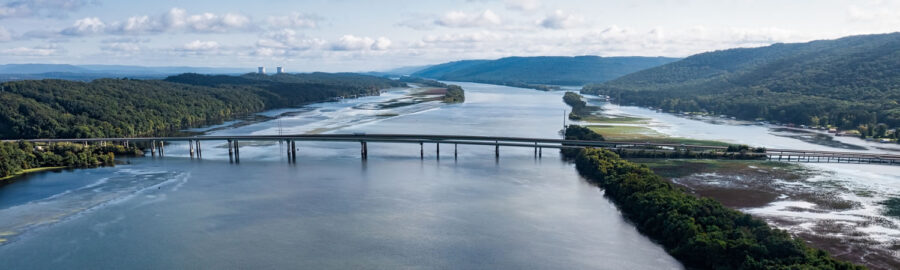
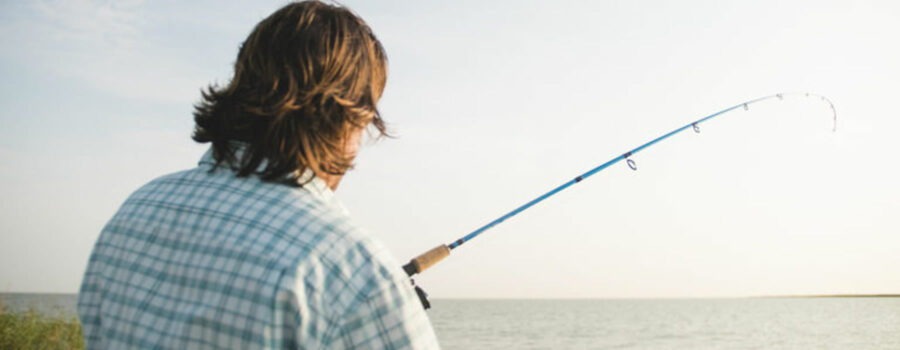
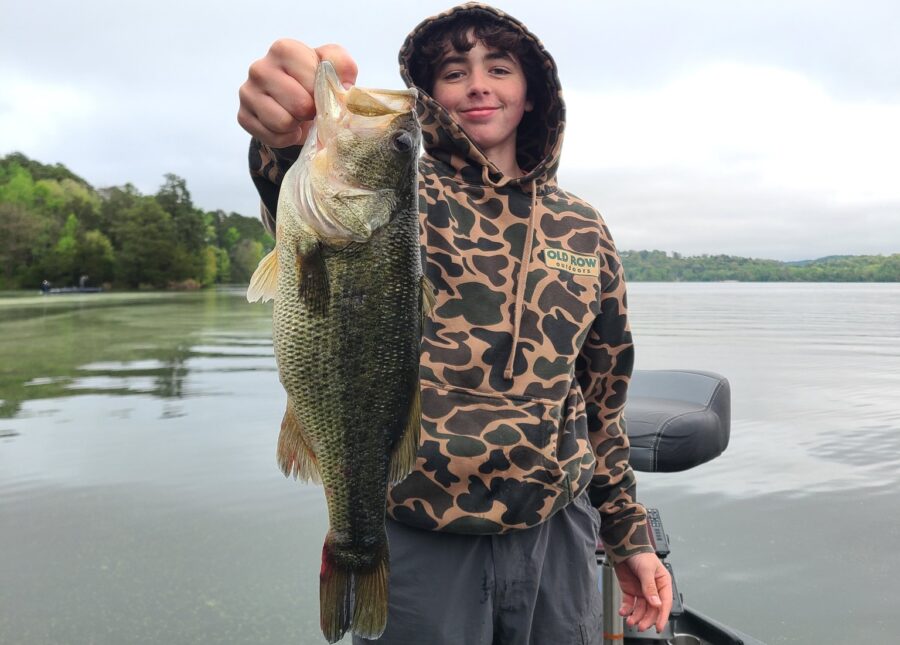
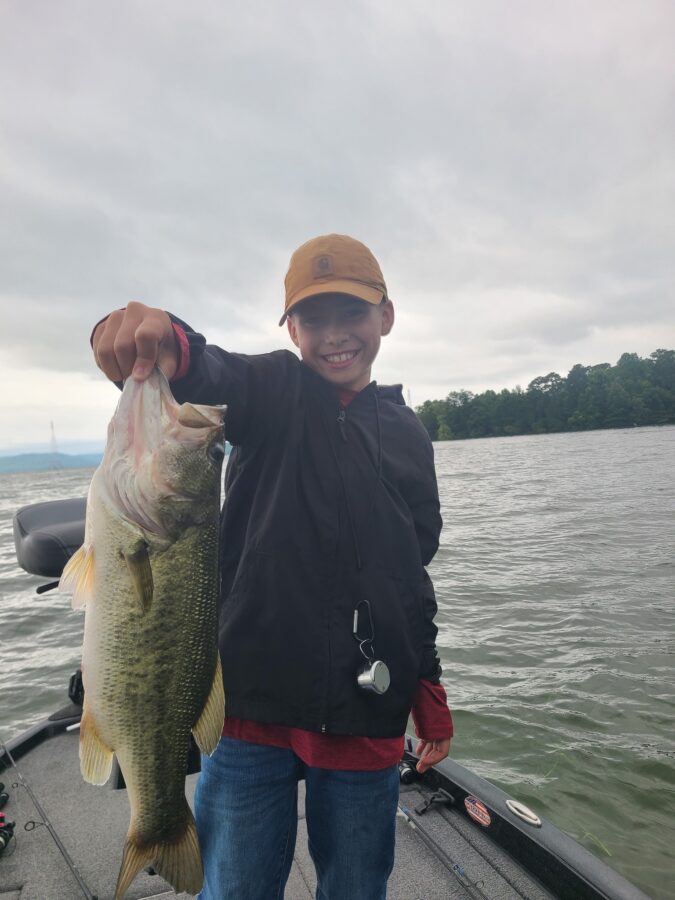
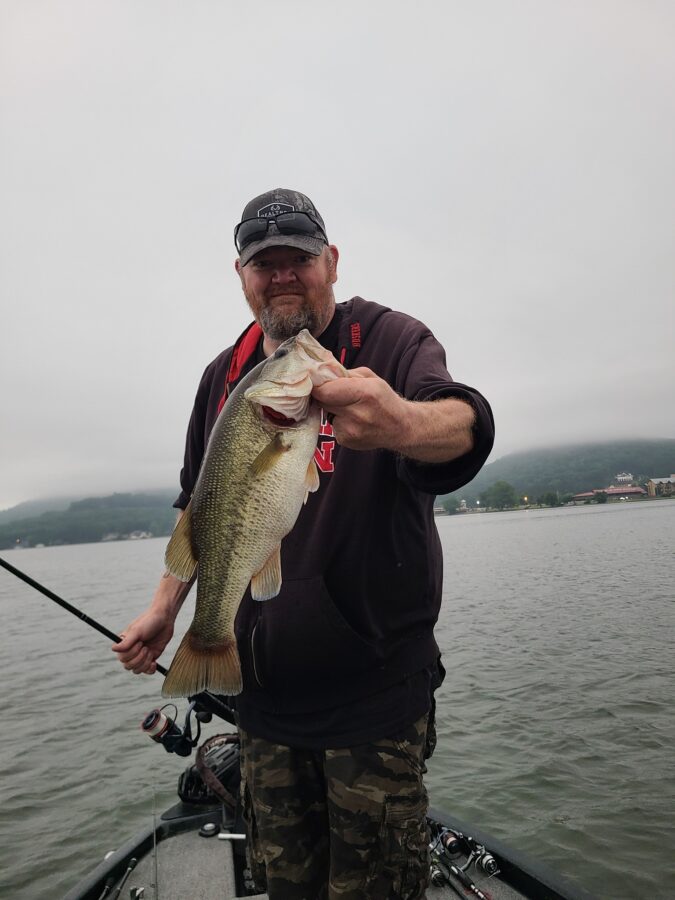
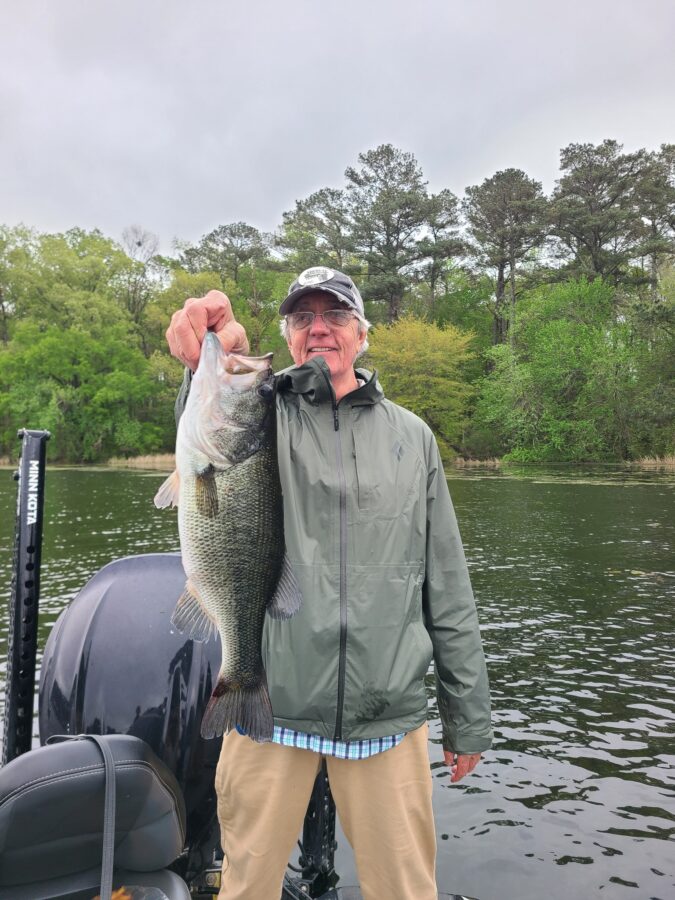
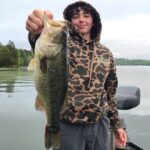
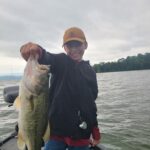
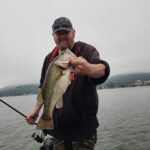
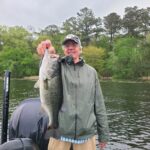
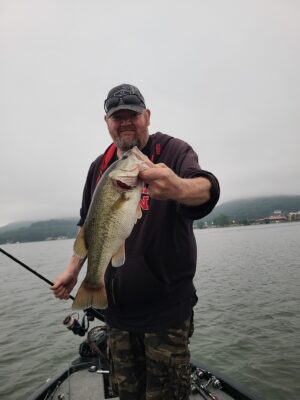
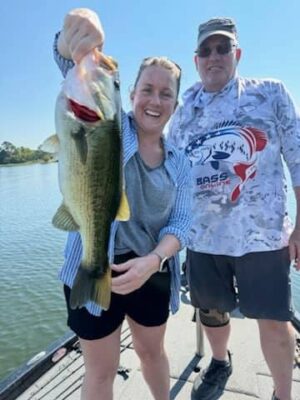
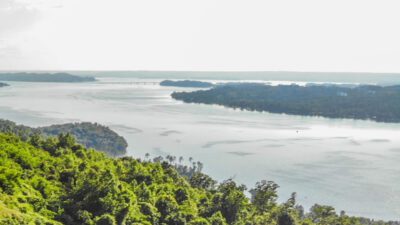
Lake Guntersville is the Tennessee River reservoir that defines bass fishing in northeast Alabama. TVA lists 67,900 acres of water and 890 miles of shoreline, with the reservoir extending through Jackson and Marshall counties in Alabama and into Marion County, Tennessee. Its broad flats, creek channels, bridges, riprap and extensive aquatic vegetation give anglers productive choices in every season.
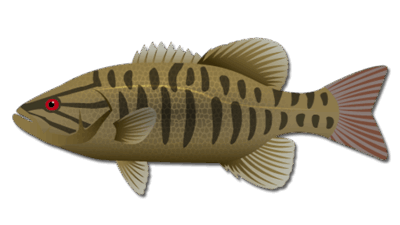
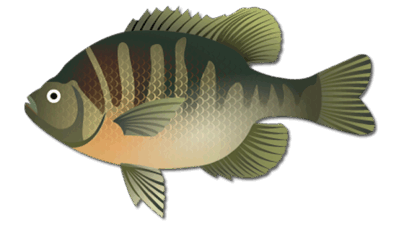
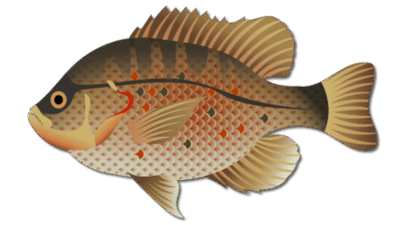
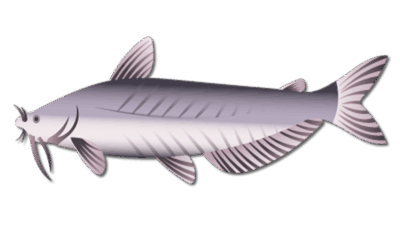
Largemouth bass are the headline species, but crappie, bluegill, redear sunfish, catfish and smallmouth bass also provide worthwhile opportunities. Conditions can change quickly with current, wind, vegetation growth and TVA water-level management, so a flexible plan is more useful than relying on one spot or one lure.
Lake Guntersville State Park describes the reservoir as Alabama’s largest lake and notes that roughly two-thirds of its anglers historically target largemouth bass. Town Creek Fishing Center provides lake access, boat rentals, fuel and bait, making the park area a practical starting point for visiting anglers.
Guntersville’s reputation begins with habitat. Large grass beds create shade, oxygen, ambush cover and nursery water for forage. Channel edges and old river structure give bass nearby depth changes, while riprap, bridges, shell and hard-bottom areas add alternatives when fish leave the grass. That diversity lets anglers adjust to changing water levels and weather without leaving the reservoir.
On many days, the most productive areas are transitions: the outside edge of a grass line, a drain crossing a flat, scattered clumps near a channel swing, or a hard spot beside vegetation. Bass may feed shallow at first light and slide deeper as sun or fishing pressure increases. A guide who follows current patterns can shorten the search on a lake this large.
Prespawn fish often stage on channel swings, points, drains and the first cover outside spawning pockets. Lipless crankbaits, jerkbaits, vibrating jigs, swimbaits and compact soft plastics help cover water. As temperatures stabilize, anglers work farther into protected coves and flatter spawning areas. Spring is popular, but cold fronts and rising or falling water can change the bite overnight.
Early and late in the day, frogs, buzzbaits and other surface presentations can produce around grass. During brighter periods, anglers often shift to outside vegetation edges, deeper grass, ledges and current-oriented structure. Texas rigs, jigs, deep-diving crankbaits and swimbaits are useful tools. Summer thunderstorms can build rapidly, so check the forecast and identify safe shelter before launching.
Cooling water and moving baitfish can spread bass across flats, creek mouths and grass edges. Spinnerbaits, topwaters, lipless crankbaits and swimbaits let anglers search efficiently. Wind can improve a reaction bite, but it can also make the reservoir rough; protected water is the better choice when conditions exceed the boat or crew’s comfort level.
Winter fishing can reward patience. Productive water may include deeper grass, rock, bridge structure and channel-related staging areas. Jerkbaits, Alabama rigs where legal, jigs and slow soft-plastic presentations are common choices. Warm afternoons sometimes create a short feeding window on shallow rock or vegetation.
The reservoir is too large to treat as a single fishing spot. The Guntersville area offers central access to creeks, bridges, main-river structure and grass flats. Town Creek and Lake Guntersville State Park provide public amenities, while numerous ramps around the reservoir let anglers select a launch closer to the day’s weather and target area.
Before leaving the ramp, review wind direction, TVA water information and the safest route between areas. Grass lines and shallow flats can look very different as water levels change. Navigation charts and current electronics are helpful, but they do not replace a cautious speed and attention to marked hazards.
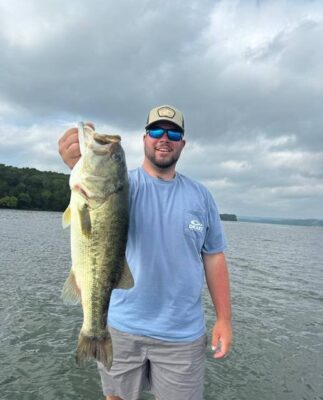
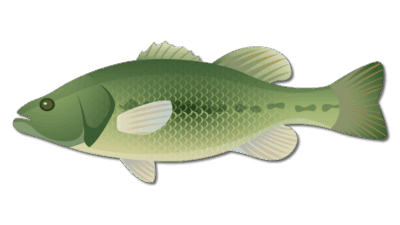
Largemouth bass are the premier game fish and use vegetation, ledges, points, docks and creek channels throughout the year. Guntersville Reservoir has a special 15-inch minimum length for largemouth and smallmouth bass under current Alabama regulations.
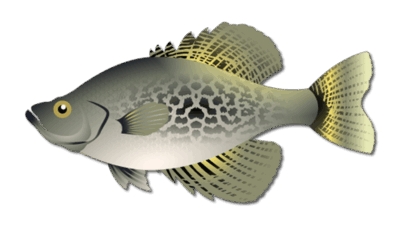
Smallmouth bass are present, particularly in current-influenced and rock-oriented sections of the reservoir, although most guided bass effort focuses on largemouth. Crappie relate to brush, docks, creek channels and seasonal spawning cover. Bluegill and redear sunfish provide family-friendly action around shoreline cover and bedding areas. Blue and channel catfish occupy channels, flats and current breaks.
Species availability and harvest rules vary, so verify the current Alabama limits before keeping fish. The lake also extends into Tennessee, and anglers fishing across the state line should confirm which license and rules apply to the water they plan to fish.
Alabama’s current freshwater regulations list a 15-inch minimum length for largemouth and smallmouth bass from Guntersville Reservoir and its Town Creek tributary. Statewide creel and size rules also apply to black bass, crappie, catfish and other species, with exceptions identified by waterbody. Regulations can change, so use the official Outdoor Alabama freshwater limits as the final reference before fishing.
Most anglers age 16 and older need an appropriate fishing license unless an exemption applies. Buy the correct Alabama license through the official state system, and check Tennessee requirements if the trip will enter Tennessee waters. Tournament participants should also review event-specific procedures and fish-care rules.
A guided trip is useful for first-time visitors, families and experienced anglers who want to understand current grass, water-level and seasonal patterns. Discuss experience level, preferred techniques and mobility needs before the trip. Your captain can then plan a suitable starting area and provide tackle recommendations for the conditions.
Bring weather-appropriate layers, polarized sunglasses, sun protection, a valid license and any personal food or medication. Confirm what tackle and safety equipment are provided. For availability, visit the Lake Guntersville fishing guides page.
Large open sections can become rough when wind increases, and summer storms may arrive quickly. The National Weather Service recommends checking conditions before departure, maintaining an escape plan and returning to safe shelter when thunderstorms approach. Wear a properly fitted life jacket, keep navigation lights and communication equipment operational, and never assume a familiar route is hazard-free at a different water level.
Lake Guntersville rewards preparation. Match the day’s location and presentation to season, current, vegetation and weather, and the reservoir offers everything from a family fishing morning to a serious trophy-bass trip.