Private Charter
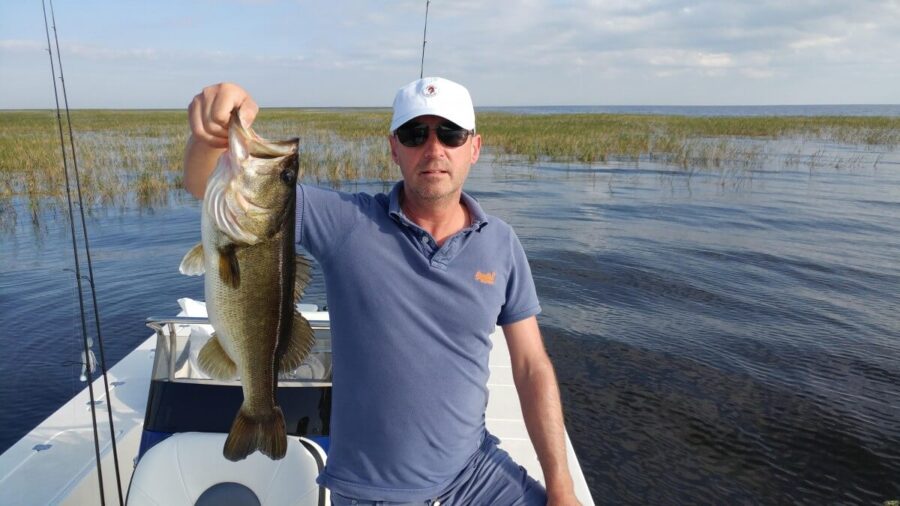
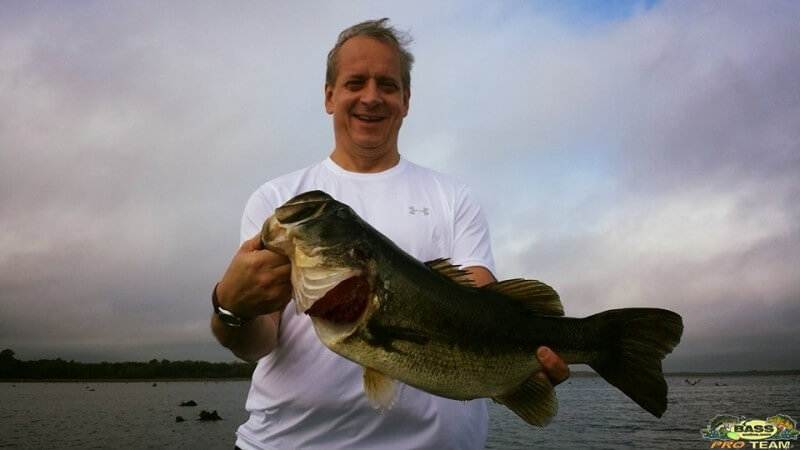
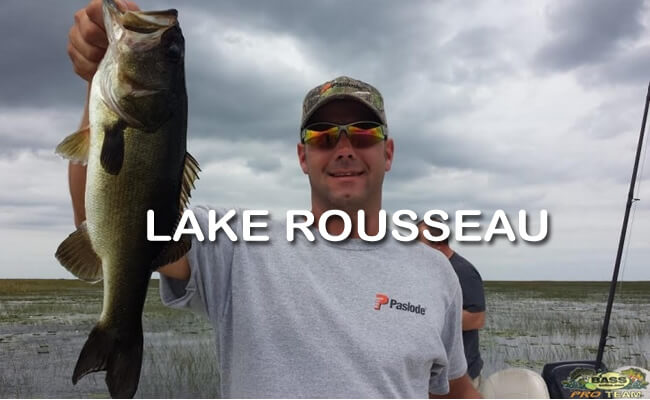
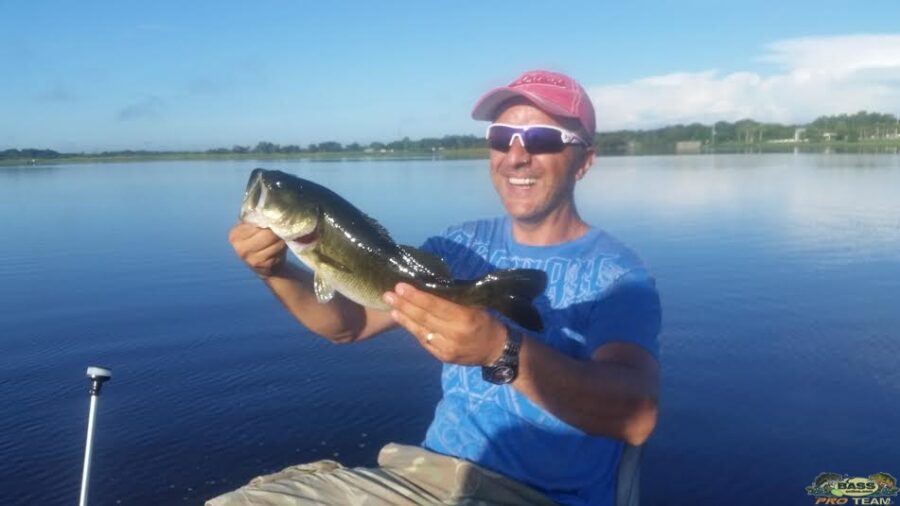
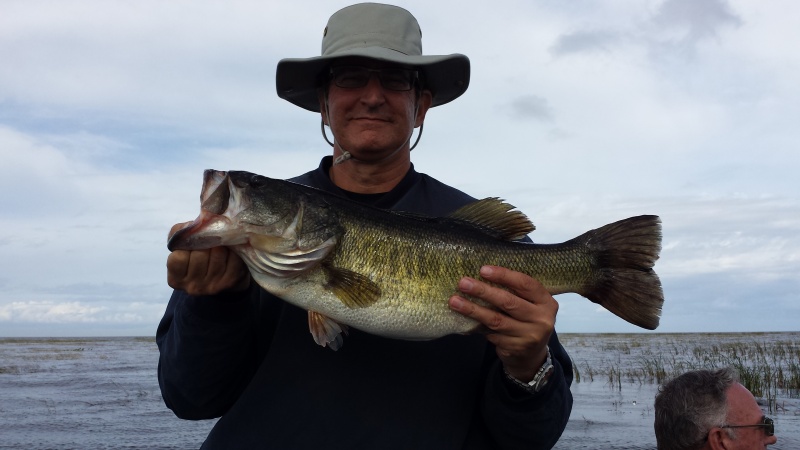
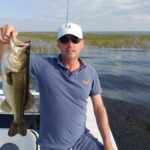
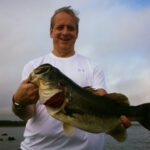
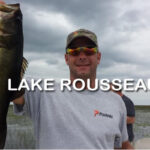
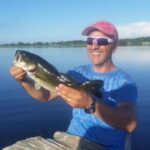
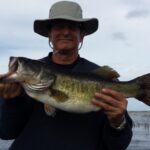
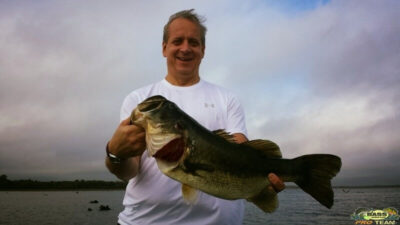
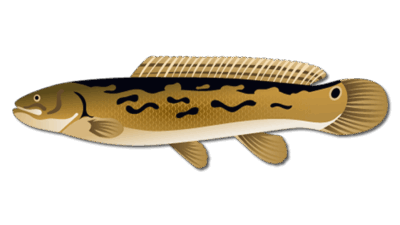
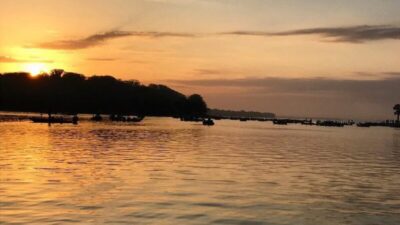
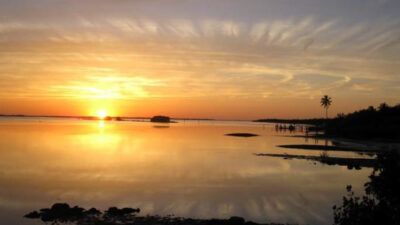
Lake Rousseau is a 3,657-acre freshwater impoundment on the Withlacoochee River system in west-central Florida. It lies near Dunnellon and is bordered by Levy and Citrus counties, with Marion County nearby. The lake’s flooded timber, cypress, vegetation, islands, backwaters, and old river channel create abundant cover for largemouth bass and other freshwater fish.
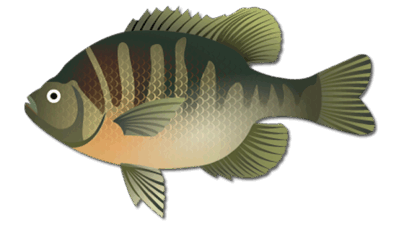
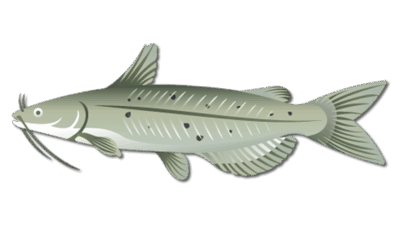
The Florida Fish and Wildlife Conservation Commission’s Lake Rousseau forecast identifies largemouth bass as the lake’s most-targeted species and notes that trophy fish are possible. Anglers also pursue crappie, bluegill, redear sunfish, and catfish. Lake Rousseau can fish well throughout the year, but the most productive presentation depends on water temperature, vegetation, current, and seasonal movement.
Lake Rousseau fishing is strongly tied to structure. Bass use cypress trees, grass edges, stumps, laydowns, and depth changes along the submerged river channel. Early and late in the day, topwater lures can cover shallow targets efficiently. During brighter conditions, soft plastics, jigs, spinnerbaits, and other weed-resistant presentations help anglers work through wood and vegetation without spending the day snagged.
Spring typically brings fish toward protected spawning areas and shallow cover. After the spawn, many bass remain near vegetation and shaded wood, while others use the river-channel edge as a travel route. Summer fishing often rewards an early start, with slower presentations around shade and deeper structure after the sun rises. Fall can improve feeding activity around baitfish, and winter anglers commonly slow down and concentrate on stable water near deeper cover.
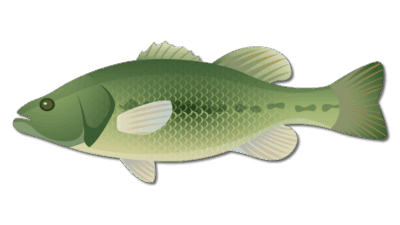
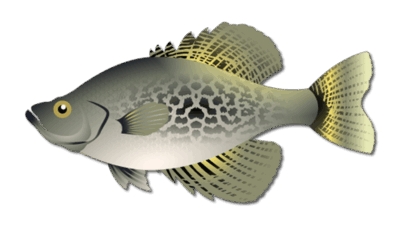
For species-specific planning, review our guides to largemouth bass fishing and crappie fishing. Crappie anglers often focus on channel edges, submerged brush, and deeper wood, while bluegill and redear may be found around vegetation, shoreline cover, and suitable spawning areas.
Anglers commonly describe Lake Rousseau as two connected environments. The broader lower lake stretches east from Inglis Dam, while the upper “Backwaters” follow the old Withlacoochee River corridor toward Dunnellon. The lower lake provides open pockets, flats, vegetation, and channel access. The Backwaters are narrower and more river-like, with current, timber, turns, and shaded banks.
The Southwest Florida Water Management District places Lake Rousseau within the Withlacoochee River watershed. That connection matters to anglers because rainfall, river flow, and water levels can change current, clarity, and where fish hold. Our Withlacoochee River fishing guide provides more context for the larger river system.
Lake Rousseau’s submerged timber is productive fish habitat, but it also makes navigation more demanding than on a clear, open reservoir. The FWC specifically warns boaters about submerged obstacles. First-time visitors should use marked routes where available, keep speeds conservative, watch closely for stumps, and avoid treating an open-looking stretch of water as a guaranteed clear path. A local captain can help shorten the learning curve and provide a safer route through productive areas.
Conditions can change after storms or water-level fluctuations. Check the weather, inspect safety equipment, wear a life jacket while underway, and confirm current ramp conditions before launching. Because aquatic vegetation can shift, a productive lane on one trip may fish differently on the next.
Lake Rousseau is convenient to Dunnellon, Crystal River, and Ocala. Visitors staying near the Gulf Coast can use our Crystal River fishing guide to compare nearby freshwater and coastal options, while Ocala-area travelers can reach the lake from the east. Confirm the exact meeting point with your captain because launches and routes can vary with conditions and the planned fishing area.
Bring polarized glasses, sun protection, rain gear, drinking water, and footwear suitable for a boat deck. Florida weather can change quickly, so flexible clothing is useful even on a warm forecast. Before the trip, review the current Florida freshwater fishing regulations, license requirements, and any waterbody-specific updates.
A guided trip is especially valuable on Lake Rousseau because its best habitat is intertwined with timber and complex navigation. Local captains can match tackle and techniques to current conditions, explain how the river channel relates to surrounding flats, and help families or first-time anglers spend more time fishing. Browse the Lake Rousseau captain cards below to compare available trips and plan a day on this distinctive Florida bass lake.