

Quick answer: The best natural bait for lake fishing depends on the species you want to catch. Nightcrawlers, minnows, crayfish, crickets, leeches, and prepared baits can all work well in freshwater lakes. Match the bait to the target species and always check state rules before transporting or using live bait.
Florida anglers should also consult FWC’s bait-taking and live-bait rules, including restrictions on transporting live nonnative fish between waters.
Good natural freshwater fishing bait for lakes consists of worms and other insects, including different fish species, leeches, minnows, and other bait fish. Freshwater fish feed on various ingredients, including prepared bait such as dough, to lure the fish into biting.
Before getting deep into this topic, always follow all local fishing regulations. Ensure your bait is fresh and legal for fishing on the lakes you fish. For details regarding freshwater bait, lure selection, time of the year, and season for each species, be sure to visit your local DNR or Fish and Wildlife Department. We are happy to offer the simple methods below to get you more fish on live bait when fishing lakes.
Top 6 Live Baits for Freshwater Lake Fishing
Let’s get it started; the following lists some of our most popular style types for live freshwater fishing bait. Although artificial lures catch plenty of fish, almost all fishermen start and enjoy using real natural stuff. Some bail out on freshwater fishing lures because live bait is relatively easy, but they can’t argue how well it works. Based on the other species, there are several different approaches for success when bait fishing.
1. Crickets and Grasshoppers for Panfish

Crickets are great freshwater fishing bait that is very successful. They usually serve well when fishing for bluegill and other panfish species. Gray cockles are used in the industry in some parts of the country and sold in bait stores. Marjory of anglers says crickets catch the larger bluegills and the most fish. When fishing with crickets, you typically feel shallow waters or the lake’s edge utilizing a vessel or walking the shoreline.
Another great bait is the grasshopper, seldom found in bait shops but very productive if you can find them. All these baits can be easily hooked to resemble a distressed animal in the water and become plentiful prey for pan fish. The grasshopper in some regions may even produce other species, like trout in the streams if they like it!
2. Nightcrawlers and Worms
Often, Walleye anglers are prepared with a nightcrawlers package, using a special harness to entice the toothy critters. Depending on the season and body of water, you can use many versions to present the bait to Walleye. Many times they want a minimal but natural swimming look. No matter your chosen presentation, they should be designed for an excellent presentation and look natural. Many fish are in the lakes to be caught with worms along the lake’s bottom.
At other times of the year, anglers use large-sized worms rigged with multiple hooks to hold bait and catch more fish. They can be combined with specific baits and lures used again, mainly in shallow waters. The baits are easily rigged on the hook and attract fish from the worm juice flowing directly into the water.

3. Minnows
Live minnows score 3rd and 1st among freshwater crappie anglers. Fishermen seeking to capture trophy crappie and bass will employ the minnow method. Some think the minnow traps the fish by having enough freshwater bait in the water to catch an adequate number of fish. However, by using a smaller live bait, species like smallmouth bass, Walleye, and even bigger trout, among others, will bite. In most lakes around the country, small to medium-sized minnows are good at fishing crappie, bluegills, and trout.
Hook it vertically through one lip or in the tail. Make the fish swim naturally, do not hook the spine, which will damage your bait from swimming naturally, and move freely under the water. Minnows are often raised in farms for marketing purposes and can easily be purchased at tackle shops across America and stored in water containers using a small aerator system.

4. Crayfish
It’s best to have the crayfish on the body firmly attached with the most effective tailhook. Pan fishing should only use the tails of the larger pincers in panfish. Fishing for catfish bullhead and flathead using dead fish that are threaded around hooks works best.
Crayfish are sold in freshwater bait shops or gathered onshore edges, riverbanks under submerged rocks, and other structures. They are easily captured with a small mesh net or crawfish traps. Crayfish are most active at night, especially in warmer waters or during the summer months. Therefore, many anglers set out to catch crawfish at dusk to collect them in the morning.
With various names, crayfish, crawdads, crawfish, or mudbugs, they are one of the most lethal bass, catfish, and big-trout baits you can fish with on your line. Crayfish and other live bait are regulated differently by state and waterbody. Transporting live bait between waters may be restricted because of invasive-species and disease concerns. Check the applicable state fish and wildlife rules before collecting, transporting, or fishing with live bait.

5. Leeches for Walleye and Other Freshwater Fish
Leeches can be found all over the country. Great Walleye baits and are particularly fond of these lakes. To fish a leech, use a standard worm rig, and also very effective is the Carolina rig. When fishing a leech, it works best below the lake’s surface. Some structures to target are a drain line, rock slope, or the bottom of a rocky bluff. Leeches do not like hot or warm water, so not as popular in southern states.
Leeches also are more effective in clear or cleaner water; they do not like dirty water. Leeches can live in a refrigerator; you need to change the water at least twice every day, at least two days a week. Leeches can be bought in tackle and bait stores or even online, but be sure to check your region for availability. As with minnows and shiners, keeping leeches in aerated containers is the best use.
6. Grubs, Waxworms, and Maggots for Ice Fishing

In the fishing world in certain regions, anglers commonly use grubs and maggot species to catch fish. Fortunately, these unexpected meals fool most species trapped below the ice. Those most frequent food worms are waxworms, readily available online. Small grubs or waxworms can be fished under a float or gently jigged; the best presentation depends on the species and conditions.
Waxworms are recognized as very popular bait worldwide and are particularly favored for trout fishing. But maggots are not only for trout; they work on many fish species such as Grass Carp, Chub, and even Catfish. In addition, in some regions, it is effective for panfish.
Most maggots can stay hydrated in their environment but do not like to get too hot or too cold.
Other Natural Baits for Lake Fishing
Freshwater Fisheries occur on waterways, such as rivers and lakes. If you recognize the desired species, you will find the best fresh and dry fishing baits for you. It can be challenging for fishermen to select specialized bait species such as worms. Here are some additional very successful options?
Frogs
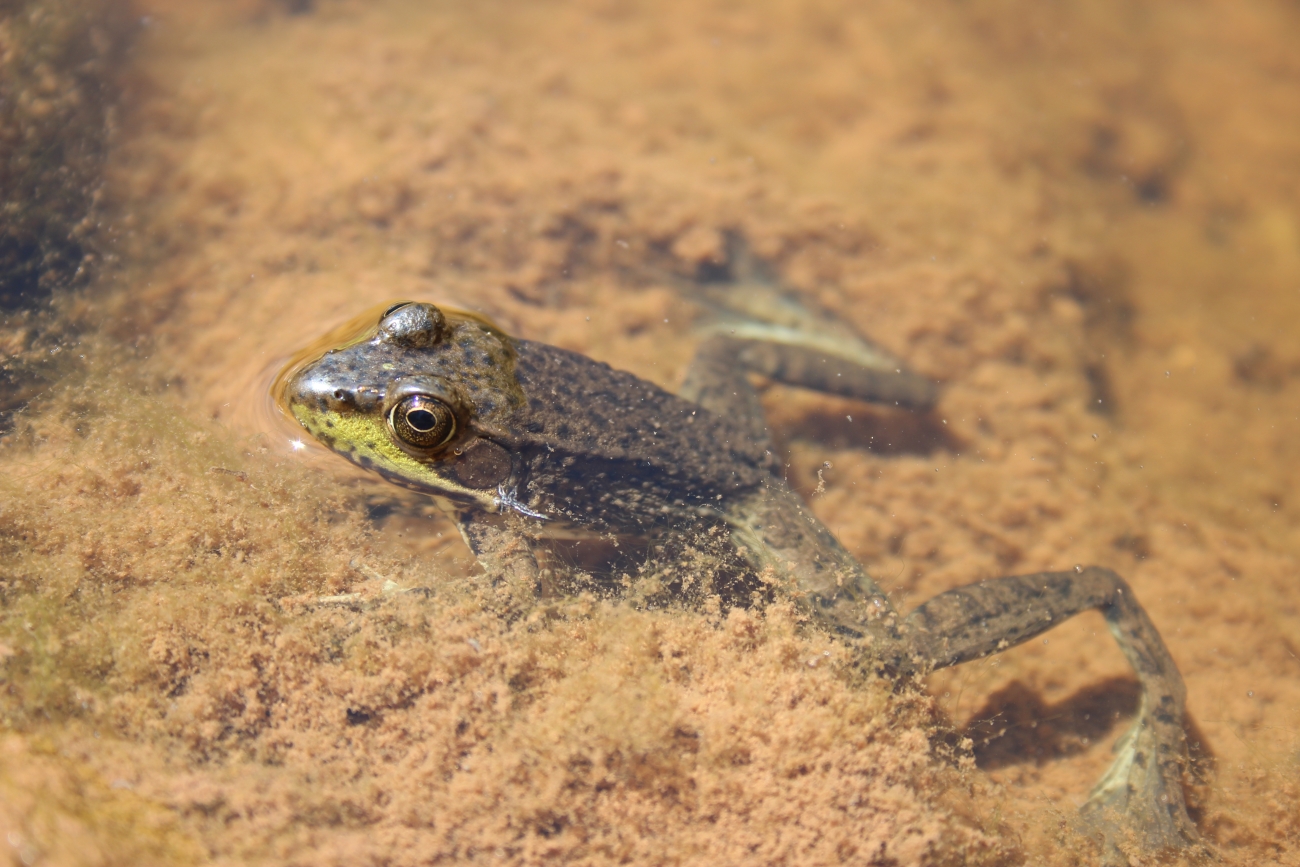
Live frogs are subject to local collection and bait-use regulations and should not be treated as a universal lake-fishing bait; artificial frog lures offer an alternative. Really, frogs, what is more, natural than a frog? Maybe it’s weird that frogs are such great baits, especially when presented properly to the fish. Frogs are universal and suitable for catching smallmouth and largemouth bass.
Many anglers have found success using frogs in shallow areas around the lily pad’s tops when fishing the frog. To attach this frog to your hook, you can hook then conventionally through its lips. But more effectively, it seems to connect the frog through one of its back legs. The leg, for most anglers, is a more effective way that allows the frog to move freely—ultimately making it more attractive to fish stalking your prey.
Cautious to handle frogs as little as possible and casting mutable times will cause them to be too stressed out. To keep your frogs over time, feed them crickets, flies, worms, and other bugs, to keep them healthy for your big fishing day on the lake.
Cut Fishing Bait
Using fish cut into individual-sized pieces attracts fish differently from the freshwater fish baits that have been mentioned before. When fishing for species like fragrances, cut bait will help them get excited. Using other captured fish to produce a fish-cut bait is possible. And there are many artificial replica style baits like chatter bait that are sold in tackle shops and online that are effective.
Dough Balls
It’s nicknamed for self-prepared fishing bait. This freshwater bait is sometimes made commercially and has labels describing it. Dough baits are usually made from flour, cornmeal, or other binders mixed with attractants; the ingredients vary by recipe and target species. They are easily used by simply molding them around your hook. These types of baits can be achieved by creating dough balls yourself with the right recipe; it’s easy and affordable.
Eels
An eel is often used whole and popular bait to hunt striped bass. Just hooking it up through the eye socket or mouth seems to be most productive for Stripers. Other anglers slice up the eel in pieces and are very effective that way. Eels are durable bait that allows fishing on the bottom, around rocks, or even in the current.
Best Natural Bait for Smallmouth Bass in Lakes

Gobies on the Great Lakes and other areas are typical food for smallmouth bass. It’s common to find gobies around structures and rocks. No surprise to smallmouth bass anglers, as they are often caught on rocky structures as well. As with gobies, the best fishing spots for smallmouth bass are near submerged rock, rip rap, rocky islands, and gravel points. This is not a coincidence of the best fishing bait for Lakes with largemouth bass.
Where legal, a live sucker minnow can imitate the profile of common forage and may be productive for smallmouth bass. Always confirm local bait regulations before use. As the diet changes, Smallmouth bass, particularly, love crayfish; it is a very high percentage of their diet in late fall due to its high protein content.
Looking for artificial options instead? See our artificial bait and lure guide. For largemouth-specific choices, use our largemouth bass bait guide.
Final Tips for Choosing Lake Fishing Bait
Fishermen know that angling is never guaranteed, but knowing the best fishing bait for Lakes helps. The fish cannot bite daily even if you have perfect conditions and the ideal freshwater bait. However, fishing is about having fun and experience; the chase is part of it. Switching up your routine with a different freshwater bait will keep it exciting, but in doing so, remember to have fun!