 Guides Wanted
Saddle Creek Park
0 Reviews


Quick Summary
Saddle Creek Park fishing near Lakeland offers excellent bank access for Florida bass, stocked channel catfish, bluegill, redear sunfish, and winter black crappie.
Top Fishing Guides on Saddle Creek Park
Guides WantedSaddle Creek Park Reviews
Top Target Species on Saddle Creek Park
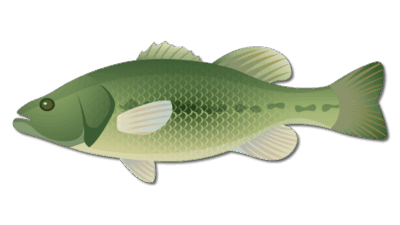
Largemouth Bass
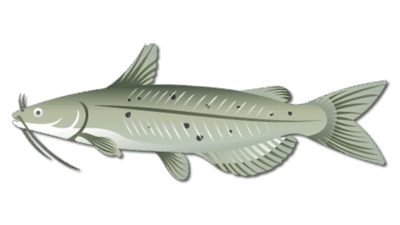
Channel Catfish
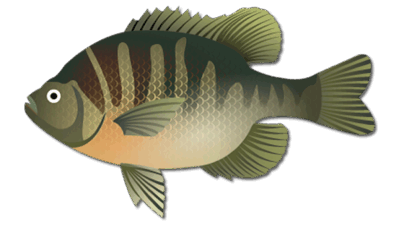
Bluegill
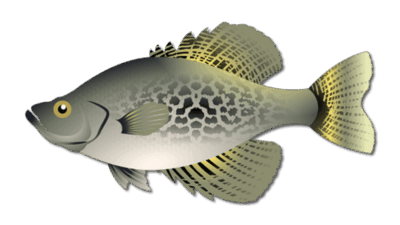
Crappie
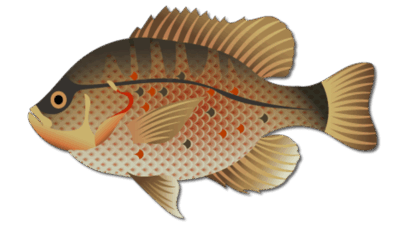
Redear Sunfish
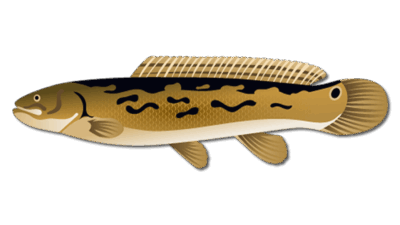
Bowfin Fish
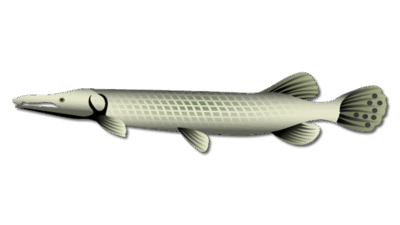
Florida Gar
Frequently Asked Questions about Saddle Creek Park
What fish are found at Saddle Creek Park?
FWC highlights Florida largemouth bass, bluegill, redear sunfish, channel catfish, and black crappie. Channel catfish are stocked regularly.
Is Saddle Creek Park good for bank fishing?
Yes. FWC describes the abundance of bank access as a defining feature of this Fish Management Area, making it practical for families and anglers without boats.
When is the best time for crappie at Saddle Creek?
Winter is the primary black crappie season. Anglers commonly troll or drift live minnows and small jigs through deeper water.
Are there special fishing rules at Saddle Creek Park?
Yes. FWC states that cast netting is prohibited in the Fish Management Area and the channel catfish bag limit is six. Check current statewide and site-specific rules before fishing.
Where is Saddle Creek Park?
The park is east of Lakeland off U.S. Route 92 in Polk County. The meeting area used for trip planning is 3716 Morgan Combee Road, Lakeland, Florida.
Fishing Saddle Creek Park
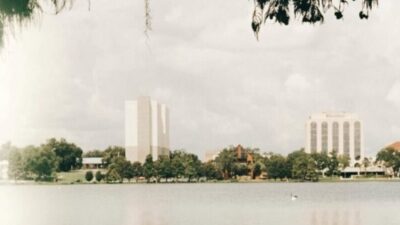
Saddle Creek Park is a series of former phosphate pits on 740 acres of mined land east of Lakeland, Florida. Because it is a connected park fishery rather than one conventional lake, anglers can work several shorelines, ramps, islands, drop-offs, and deeper holes during the same visit. Excellent bank access makes the Fish Management Area especially useful for families and anglers without a boat.
Saddle Creek Park fishing
The Florida Fish and Wildlife Conservation Commission identifies Florida largemouth bass, bluegill, redear sunfish, channel catfish, and black crappie as the park’s popular species. FWC regularly stocks channel catfish and operates this fishery under site-specific rules. Review the official FWC Saddle Creek Park profile before fishing for current tactics, rules, and management notes.
Bass anglers should work shoreline edges, points, drop-offs, and areas where schools of shad reach the surface. Plastic worms, wacky rigs, jerkbaits, weightless flukes, spinnerbaits, and topwater lures all have a place as light and fish activity change. Live wild shiners can also produce, but anglers must follow Florida bait rules. Our live-bait bass guide explains basic rigging and presentation.
Seasonal species patterns
Florida bass are available year-round, with strong shallow-water opportunities around the spawning and post-spawn periods. Bluegill and redear fishing improves as water warms in late spring and early summer; crickets, red wigglers, and small artificial lures work well around accessible shoreline cover. Black crappie—often called specks in Florida—become a popular winter target, with minnows and small jigs trolled or drifted through deeper areas.
Channel catfish can be caught throughout the year around deeper holes and feeder areas. FWC lists chicken livers and commercial stinkbaits among the common choices. The site-specific channel catfish bag limit is six, and cast netting is prohibited within the Saddle Creek Fish Management Area. Always verify the current Florida freshwater fishing regulations before a trip.
Bank fishing and boat access
Bank fishing is one of Saddle Creek’s defining strengths. Move between accessible shorelines, points, and feeder areas until fish reveal a productive depth. Polarized glasses help identify drop-offs and cover, while a compact tackle selection makes it easier to change locations. For more shoreline planning ideas, see our bank-fishing strategies.
Public ramps along Saddle Creek Park Road provide access to the pit system, but individual waters are not all connected in the same way. Check posted signs before launching and select a ramp that serves the section you intend to fish. Canoes and small boats can be effective, but shallow edges, submerged objects, weather, and other users require cautious operation.
Park information
Polk County manages the broader park, campground, and recreation facilities. Hours, fees, reservations, range operations, and amenity availability can change, so confirm them on the the official Polk County park listing rather than relying on an old price list. The practical meeting area is 3716 Morgan Combee Road, Lakeland, FL 33801.
Planning a Saddle Creek fishing trip
Bring sun protection, water, insect repellent, and tackle suited to both shallow edges and deeper holes. Early mornings and late afternoons often offer comfortable conditions and active bass, while winter favors deliberate crappie searches. The park pairs naturally with other Florida fishing destinations and nearby Winter Haven Chain fishing for a longer Central Florida itinerary.
Featured Post for Saddle Creek Park