
Published: April 21, 2019 · Updated: September 9, 2026
Accessible Lake Okeechobee fishing begins with understanding the guest, communicating clearly, and shaping the trip around what will make that person comfortable and successful. A historical outing with John, a blind angler visiting from the Pittsburgh area, preserves an important example of how a bucket-list bass trip can become a meaningful experience when the captain and fishing companions work together.
This page documents that story and the practical lessons it offers. Accessibility needs vary from person to person, so guests should discuss their specific mobility, vision, hearing, seating, boarding, and communication needs with the booking team before reserving a trip.
A Blind Angler’s Lake Okeechobee Bucket-List Trip
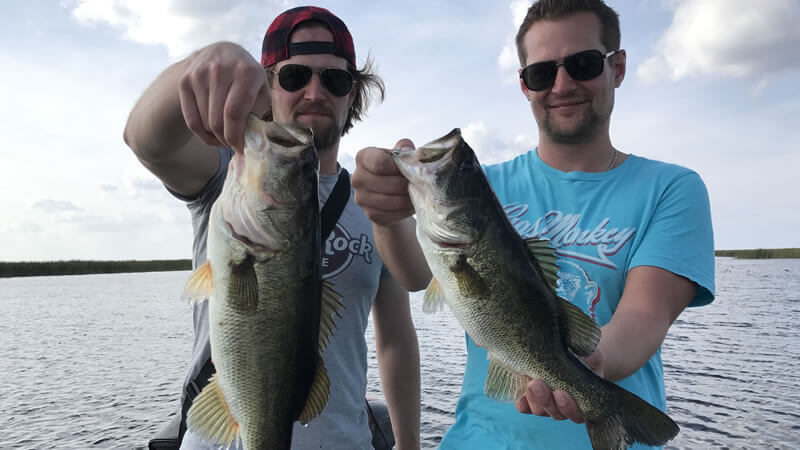
John and his fishing companion Nick traveled from the Pittsburgh area to fish Lake Okeechobee from Belle Glade. John is blind and relied on verbal guidance, touch, and the feel transmitted through the rod and line.
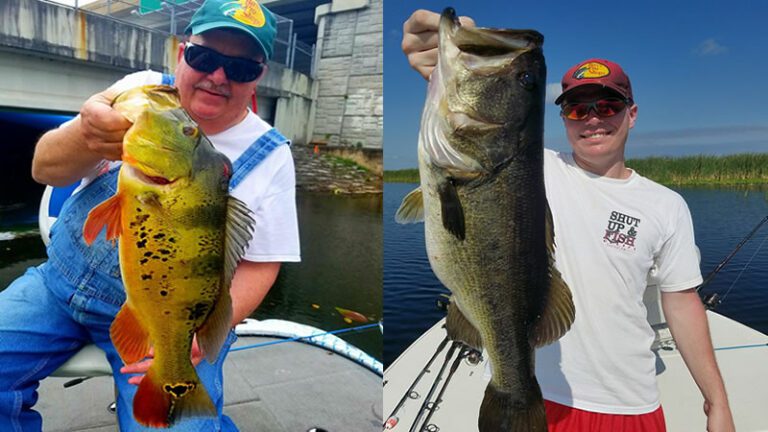
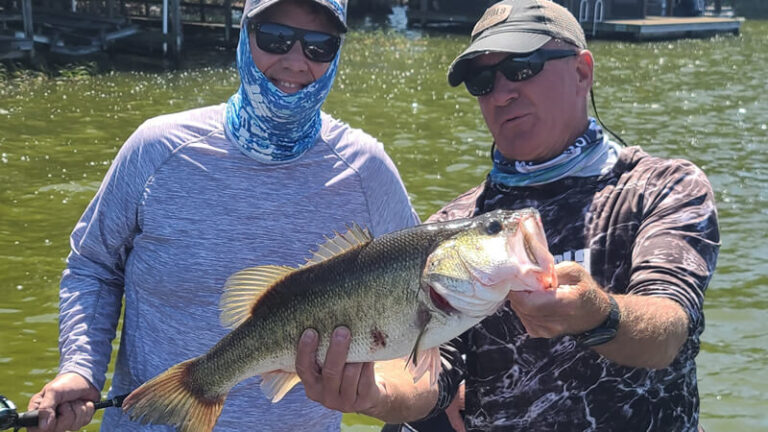
Lake Okeechobee bass fishing was on his bucket list. During the historical trip, John and Nick caught more than 25 largemouth bass, with fish weighing up to approximately three pounds. The catch count made the outing active, but the larger success was giving John the opportunity to experience the lake in a way that worked for him.
The story also provides an important reminder: an angler does not need to see every cast, lure, or piece of cover to participate fully. Clear communication and attention to how the guest receives information can make the fishing experience more understandable and enjoyable.
Communication Comes Before the First Cast
No single accessibility plan fits every guest. The most useful preparation starts before the trip, when the angler or family explains what assistance is helpful and what level of independence the guest prefers.
- Describe the boat layout. Explain seating, storage, steps, deck changes, and commonly used pathways before leaving the dock.
- Give clear directional cues. Consistent clock-face directions or simple left-and-right instructions can help describe casting angles and fish movement.
- Explain what is happening. Wind changes, boat movement, nearby vegetation, and the location of other anglers can be communicated verbally.
- Ask before assisting. Guests should have a voice in when and how physical help is provided.
- Discuss equipment. Rod length, lure choice, seating, and presentation style may be adjusted around comfort and experience.
These are planning ideas, not guarantees that every boat or trip can accommodate every need. Contact Bass Online before booking so the team can evaluate the requested assistance and available trip setup.
Feeling the Bite and Fighting the Fish
Fishing naturally provides tactile information. An angler can feel the lure, line tension, bottom contact, vegetation, and the strike itself through the rod. The captain can add verbal context by describing the target area, the expected presentation, and when the lure reaches productive cover.
When a fish bites, clear instructions can help the guest manage rod position and line tension. The captain or companion can also describe where the fish is moving and help keep the surrounding deck area clear.
John and Nick’s trip showed how these small communication choices can support an active day of bass fishing without making the guest’s disability the entire story. John was there to fish, feel the bite, catch largemouth bass, and complete a bucket-list experience.
Weather and Technique Lessons from Traveling Anglers
The original article also documented several other visiting groups. Their results provide useful historical context about how guides adjusted to different weather, locations, and fishing goals.
One father-and-son team fished four days through changing conditions that included cool air, wind, rain, and sunshine. They caught more than 100 largemouth bass across the four days using topwater lures, flukes, and soft-plastic stick baits. Hydrilla and eelgrass were the key forms of cover during that trip.
Another two-day Belle Glade outing produced more than 30 bass, with fish up to approximately four pounds. Flukes and topwater presentations worked around scattered hydrilla and eelgrass. A separate morning trip along the west wall near Clewiston produced approximately 25 bass for a father and son, including a fish close to four pounds.
These are historical examples rather than current reports. Their durable lesson is that the best presentation and location can change with weather, water clarity, vegetation, and the guest’s experience level.
Planning an Accessible or Adaptive Fishing Trip
Before booking, share enough detail for the team to determine whether an available captain and boat can safely support the guest. Helpful questions include:
- What assistance is needed when boarding or leaving the boat?
- Can the guest move around the deck independently, or is stable seating preferred?
- Would verbal casting directions, tactile orientation, or extra instruction help?
- Does the guest have personal equipment or safety considerations the captain should know about?
- Would a shorter trip be more comfortable than a full day?
- Is the main goal learning, steady action, family time, or pursuing a larger fish?
For current trip information, visit Lake Okeechobee fishing charters. For local access and nearby guide information, review the canonical Belle Glade fishing and Clewiston fishing pages.
For official Florida licensing and disability-related fishing resources, review the FWC Anglers With Disabilities information.
Why Accessible Lake Okeechobee Fishing Matters
John’s historical trip deserves to remain part of the Bass Online story because it demonstrates what thoughtful service can make possible. The goal was not to treat him as a spectator. It was to help him participate as an angler.
Good preparation cannot remove every limitation, and not every boat can support every accommodation. But listening carefully, communicating honestly, and matching the trip to the guest can open the outdoors to more people.
For a wider understanding of the lake, its fisheries, and related planning resources, visit the canonical Lake Okeechobee fishing guide.