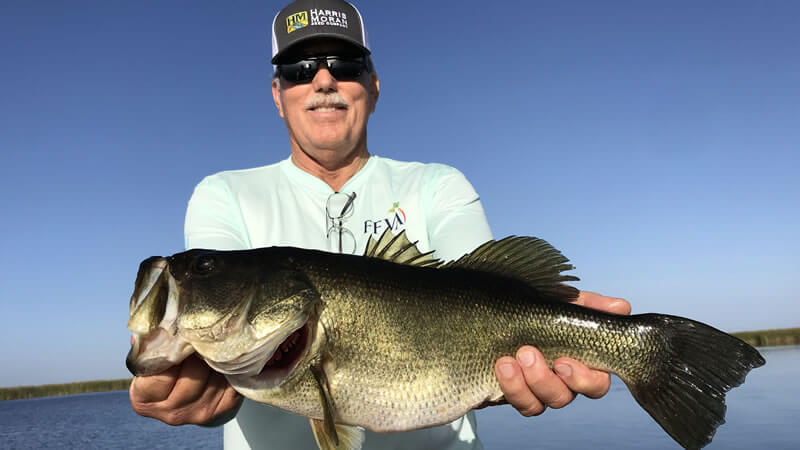

Published: February 20, 2020 · Updated: September 9, 2026
February Lake Okeechobee fishing often combines cool-water bass activity, changing wind, shallow vegetation and the approach of Florida’s spawning season. This evergreen guide preserves seven real February field reports from Clewiston, Okeechobee City and Belle Glade, then turns those observations into practical planning guidance. It is seasonal history—not a live daily conditions report.
For the newest guide updates and lake-wide conditions, browse the current Lake Okeechobee fishing reports. Before traveling, also check the Florida Fish and Wildlife Conservation Commission Lake Okeechobee forecast and Florida freshwater fishing regulations.
February Lake Okeechobee Fishing: What Changes
February can place prespawn, spawning and post-front fish in the same broad system. The calendar gives anglers a useful starting point, but water temperature, lake level, vegetation, moon phase and the timing of a cold front determine where bass are actually positioned.
Stable warming weather can encourage shallow movement. A sharp front may slow the bite or push fish toward protected water, while wind can make one side of this 730-square-mile lake far more fishable than another. Review the latest Lake Okeechobee water-level information and current guide reports rather than relying on an old trip result alone.
Where to Fish Lake Okeechobee in February
Three major access areas appear repeatedly in the February field history:
- Clewiston provides access to the southwest side, canal system and extensive southern and western vegetation.
- Okeechobee City is the primary gateway to the north end and nearby inflow areas.
- Belle Glade offers southeast-side access and is convenient for many Palm Beach County visitors.
The best launch point depends on wind direction, navigable water, water clarity and productive habitat. A famous area is not automatically the right area on a particular day.
February Bass Patterns, Live Bait and Artificial Lures
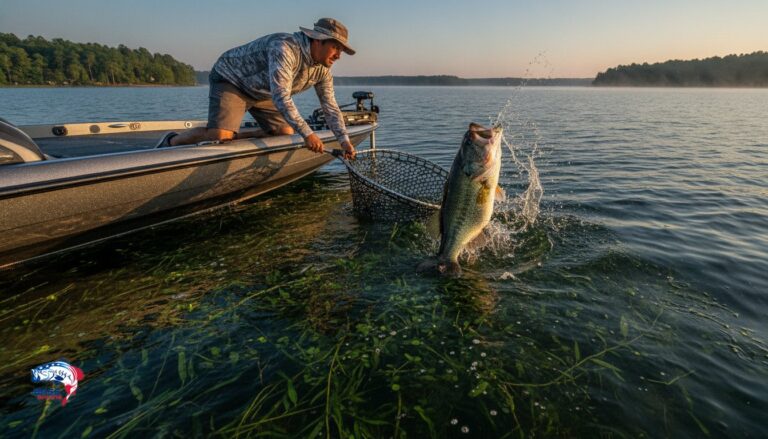
Both wild shiners and artificial lures produced fish in the preserved reports. Live bait generated several of the higher-count and larger-fish days, but artificial lures produced steady family action under rainy, overcast conditions. The better choice depends on the anglers’ goals, fish position and the amount of water that must be covered.
- Protected vegetation: can become especially valuable when February wind makes open water difficult.
- Reed heads and grass edges: may concentrate active fish when bait and clean water are present.
- Warming periods: can improve activity after a cold front, although the response is never guaranteed.
- Light tackle: can make school-size bass especially enjoyable for young anglers and families.
- Wild shiners: remain a strong option when the objective is quality largemouth, but no presentation guarantees a trophy.
February Field Reports Across Lake Okeechobee
Clewiston Family Trip With Artificial Lures
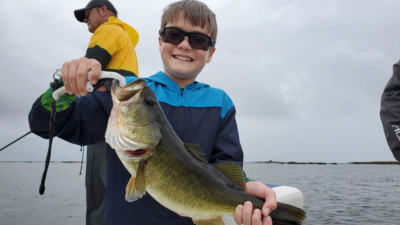
Captain Mark Shepard guided Jerry and his sons, Ian and Jeremiah, from Clewiston. Rain, overcast skies and unsettled weather complicated the day, but the family caught numerous male bass on light tackle and artificial lures. Several fish were in the 3- to 4-pound range. The trip is useful evidence that a February outing can succeed without trophy fish or live bait.
Okeechobee City: Cool Water and a Steady Bite
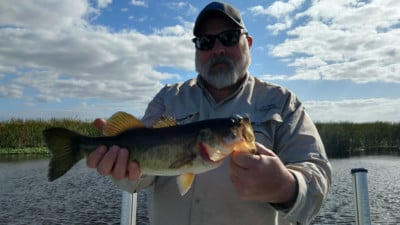
Captain Mark Rogers fished the north end with Rich and his father, visiting from Massachusetts. Calm wind made the lake comfortable, although cool water slowed the bite. They still caught more than 15 largemouth bass, including a 4.5-pound fish and several bass near 2 pounds.
Okeechobee City: First-Time Family Fishing
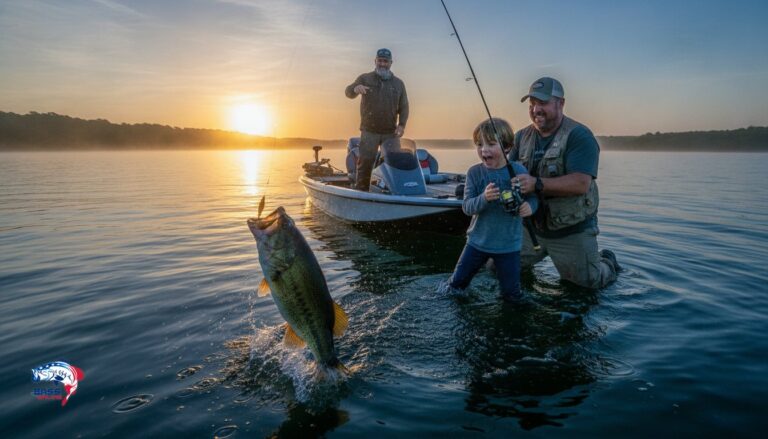
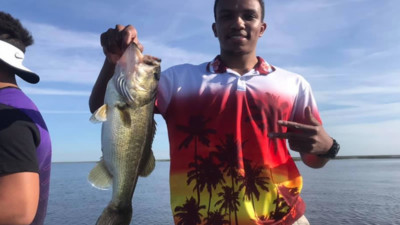
Captain Joe Gruny introduced Edward and his three sons to Lake Okeechobee. The family settled near a productive reed head and caught more than 15 bass plus four catfish. Their largest bass weighed more than 3 pounds. This trip shows why steady action and shared time can matter more than a single trophy on a family charter.
Belle Glade: Quality Bass Around a Full-Moon Period
Captain Mark Rose guided Paul and Susan from the Belle Glade side. Using wild shiners during a four-hour trip, they caught more than 10 largemouth bass, including fish weighing approximately 5 and 6 pounds. The result documents quality shallow fish during that specific moon and weather window without implying that every February full moon produces the same outcome.
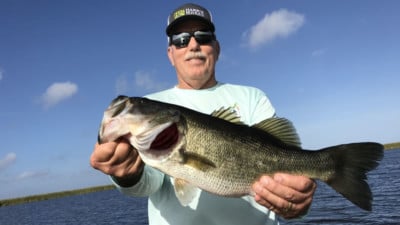
Clewiston February Fishing: Three More Field Examples
Wind-Protected Water Produced About 20 Bass
Captain Mark Shepard also guided Rick and Ricky, a father and son visiting from Illinois. Wind made the lake more difficult, so the trip shifted toward protected water. In four hours they caught about 20 bass, most in the 3- to 4-pound range. The field lesson is simple: adjusting to wind can be more important than staying committed to the original area.
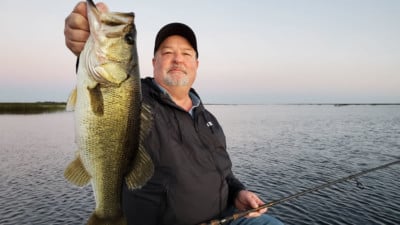
Twenty-Five Bass on Wild Shiners
Captain Mark Rogers guided Joe and his wife, who traveled from New Mexico for their first Lake Okeechobee experience. The wind increased and affected the early bite, but wild shiners helped the couple catch 25 largemouth bass. The largest weighed 5.5 pounds, with several others between 2 and 4 pounds.
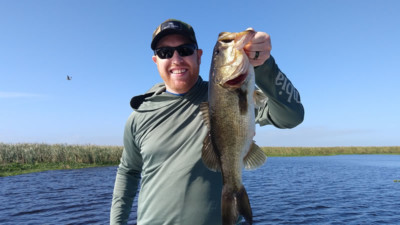
Sunny-Afternoon Clewiston Trip With a Six-Pound Bass
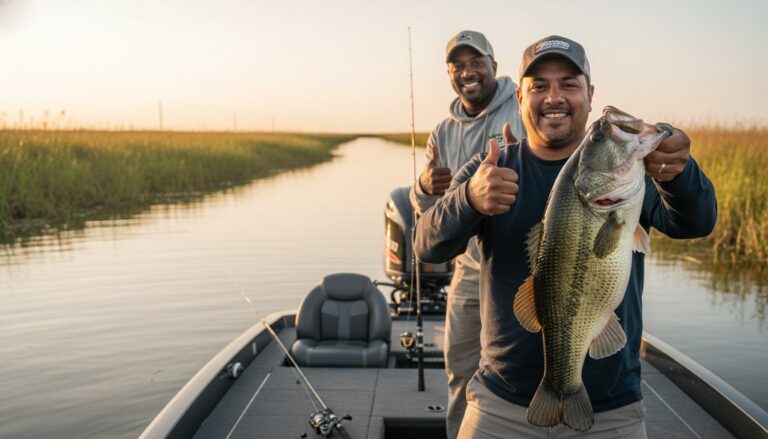
Captain Mark Rose fished with Ron and Dave, who traveled from Fort Myers. During a sunny afternoon from Clewiston, they caught more than 15 bass on live bait. The largest weighed 6 pounds, and several others were in the 3- to 4-pound range. This historical result supports Clewiston’s February potential while keeping the outcome tied to the conditions of that trip.

February Lake Okeechobee Fishing FAQ
Is February a good month to fish Lake Okeechobee?
Yes. February can offer numbers, quality largemouth and shallow seasonal movement. Weather, vegetation, water level and recent fronts still determine the best area and presentation.
Should I use live bait or artificial lures in February?
Both can work. Wild shiners are useful when targeting quality fish or keeping a group around concentrated bass. Artificial lures help cover water and can provide excellent action when bass are active around grass, reeds and other shallow cover.
Where should I launch in February?
Clewiston, Okeechobee City and Belle Glade are all proven starting points. Choose according to current wind, water clarity, habitat and guide observations rather than the calendar alone.
Does a February full moon guarantee spawning bass?
No. Moon phase can be one factor, but temperature, weather stability, water level and habitat also influence spawning movement. Treat the moon as context, not a guarantee.
Plan a February Lake Okeechobee Fishing Trip
Use these field reports as seasonal evidence, then confirm present conditions before choosing a launch area. Explore the main Lake Okeechobee fishing guide, compare the local markets around Clewiston, Okeechobee City and Belle Glade, or browse the available Lake Okeechobee fishing guides.