
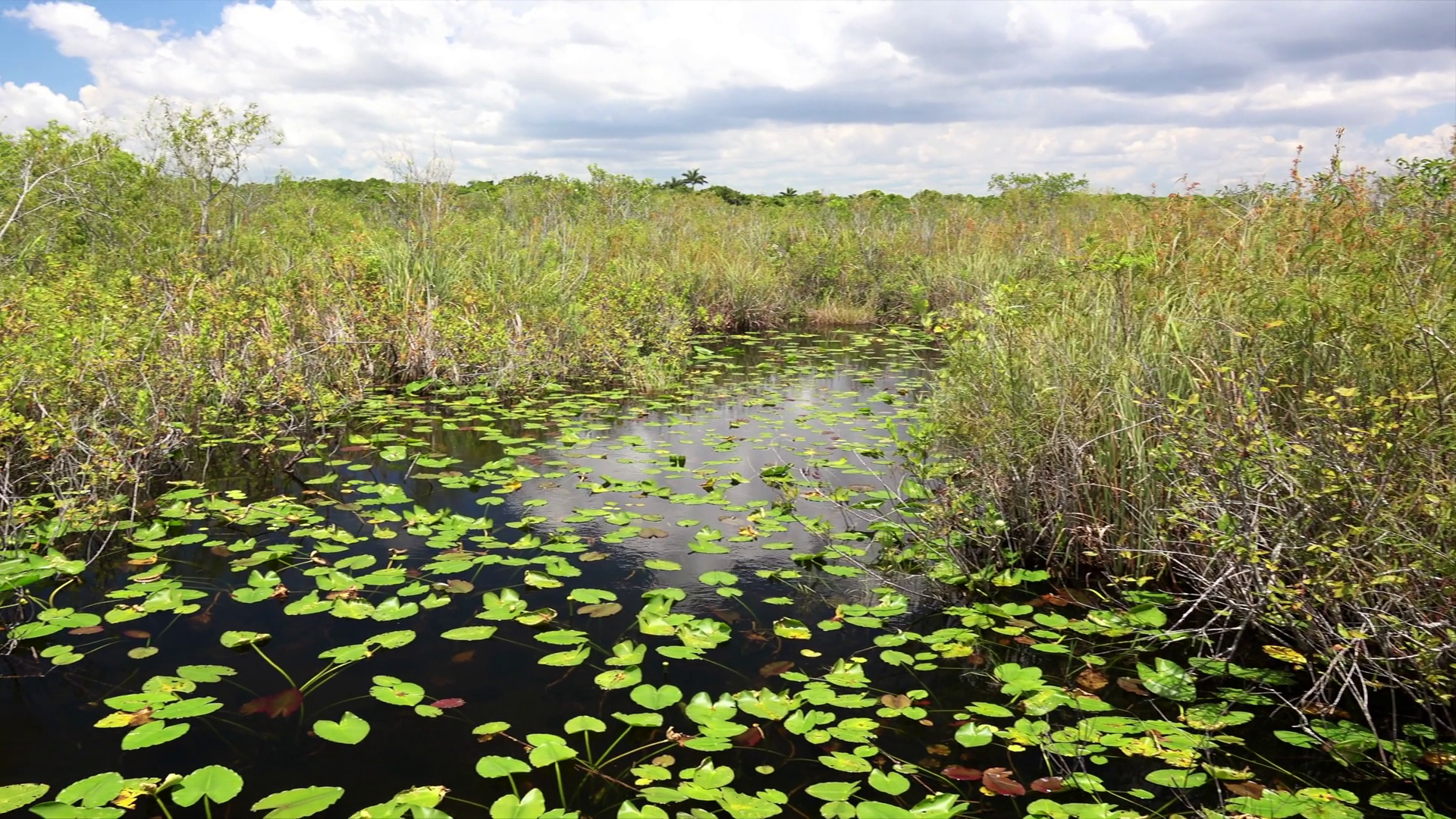

Camping In The Everglades
Quick answer: Everglades National Park has two drive-in campgrounds: Long Pine Key and Flamingo. Long Pine Key is seasonal and has no electric hookups; Flamingo operates year-round and includes electric sites. Wilderness camping requires a permit and advance reservation.
Are you a nature lover? Do you enjoy exploring the great outdoors and going on camping trips? Then we highly recommend camping in the Florida Everglades!
Explore any part of the Ten Thousand Islands, and you will feel more connected with the natural world than ever before.
If you love spending time in the natural world, and the thought of camping for at least one night amid Florida’s most diverse ecosystem appeals to you. Then, Everglades camping will satisfy your outdoor soul. But of course, we would suggest that you stay more than overnight because of the many activities you can do while you are there. You will need at least two days to try most of them.
Everglades is the US’s largest subtropical wilderness
The best Everglades camping lies south of Alligator Alley in Everglades National Park and Big Cypress Preserve. Because of its vastness and the wildlife it houses, the Everglades has been recognized as a World Heritage Site, a Wetland of National Importance, and an International Biosphere Reserve.
Everglades National Park is located in the southern tip of Florida and is the largest subtropical wilderness in the United States. It’s a prominent spot, but only one part of a massive ecosystem that begins near Orlando in the Kissimmee River watershed and extends 175 miles south to Florida Bay.
The Everglades as we know it today is the product of years of evolution and Mother Nature’s craftsmanship. The Everglades were formed from the water that flowed freely over the low-lying lands that created ponds, sloughs, and marshes. As a result, the diversity of living organisms developed a delicately balanced ecosystem.
Everglades National Park Is A Conservation Measure
The nomads-turned-settlers discovered the area and saw the land as potential farmland. So they began transforming the wetlands into a source of livelihood, but it came with devastating effects on the natural environment. Hence, in 1947, Everglades National Park was created to conserve 1.5 million acres of wildlife.
Fun fact: fugitives, pirates, and smugglers have also made the Everglades their home in the past. Today, you would be surprised to know that some still reside in the area. But most are situated out of the public eye and are in the backcountry swamps accessible only by airboats or swamp buggies and often-flooded, unpaved roads.
Everglades National Park Vs. Big Cypress National Preserve
Today, camping in Everglades National Park will make you feel like going back in time. The richness of flora and fauna distributed across an enormous area seems surreal, like the ones you only see on TV. The bodies of water and landforms home to many animals will surely entice you to go camping in the Everglades for a weekend.
In the extensive land area of Everglades National Park, there are two options of developed campgrounds you can choose from. Meanwhile, the nearby Big Cypress has a half-dozen more campgrounds. This excludes the primitive backcountry sites accessible only by boat or by a strenuous hike through often wet, swampy trails.
Big Cypress National Preserve has separate campground options and reservation rules from Everglades National Park, so check the current National Park Service pages for the specific campground before traveling.
Between the two, if you want a complete front-country camping experience, staying in the Everglades National Park is the way to go. As mentioned, it has two campground options: the Long Pine Key Campground and the Flamingo Campground. Long Pine Key Campground is seasonal. The National Park Service currently lists it as closed May 1 through October 31 and open during the cooler season.
Follow Guidelines
Visiting in the summer is discouraged due to the scorching heat and humidity. But it turns into a wonderland for observing wildlife as the humidity lifts in winter. You will be able to spot more than 300 species of birds here that will settle down from winter’s invasion.
Wilderness camping requires a permit. Everglades National Park now uses advance wilderness campsite reservations through Recreation.gov, with reservations available on a rolling basis.
The Long Pine Key Campground
Going to Long Pine Key Campground is a short drive from the Everglades National Park entrance and close to the Homestead Visitor Center. Because of this close starting point, it saves campers miles and gas on the drive to Flamingo Campground while still getting a good dose of the Everglades. There are no hookups at RV campsites in the area, but each site has a fire ring and picnic tables.
The best thing about going to Long Pine is that it is only a few miles from the Anhinga Trail at Royal Palm. The Anhinga Trail will let you experience something that only campers at Long Pine Key can. This is where campers can observe how the alligators behave after dark with their flashlights; the alligators’ eyes glow red when the flashlights are shone on them.
Other nearby attractions are the scenic Long Pine Key Lake and the 7-mile-long Long Pine Key trail. The latter is a favorite among fat-tire cyclists, while the former has been a crowd favorite in general because it mesmerizes everyone every time with its wonderful sight.
Long Pine Key Amenities and Reservations
It is worth noting for first-time campers that the campground now lists hot showers, but the bathrooms are clean and convenient to use. Also, do not expect to get a great cellphone signal anywhere; there is hardly any. Finally, you cannot buy firewood once you get there, but you can always forage for dead wood and kindling.
Long Pine Key has 108 sites and no electric hookups. Current National Park Service information lists potable water, a dump station, restrooms, and hot showers. Fees and reservation availability can change by season and day of week, so check the current NPS camping page before booking.
The Flamingo Campground
Now we discuss the more comfortable campground option in Everglades National Park: the Flamingo Campground. The Flamingo campsite is located at the end of the road when you enter the gates of Everglades National Park. So, approximately, it will take you 40 miles south to get to the Flamingo Campground. But the long drive is so worth it when you arrive at the location.
Flamingo Campground accommodates tents and RVs and currently lists 274 total sites, including 41 electric-hookup sites. Reservations are highly recommended during the busy December-through-April season. During the slower summer and fall period, availability and reservation requirements differ, so confirm current conditions before arrival.
Many of the campsites offer scenic views of Florida Bay because they are situated in the southernmost part of Florida. Flamingo remains open through the warmer months, but summer and early fall bring intense heat, humidity, rain, mosquitoes, and storm risk. Campers should plan for those conditions rather than assuming summer is the easiest season. It’s strongly recommended to bring bug spray and jackets to enjoy the Park, especially during the summer. Visitors can purchase all essential items, such as bug spray, at the Marina store.
Camping Options
Flamingo has plenty of spaces for tent camping and also offers glamping options. Drive-through campsites in A Loop (no hookups) and T Loop (electric only) are available.
The campground sites at the T loop campground include some limited electrical hookups and a pull-through parking area. There is no water at the 30A, 20A, or 50A pedestals. There are filling stations next to the dump station.
Glamping
Flamingo offers incredible glamping opportunities that allow visitors to experience the beautiful Everglades and the Florida Bay view with added comfort. The eco tents with furnishing are available from November through mid-April only. The eco-tent camping platforms are elevated to keep visitors away from mud, water, and critters.
Things To Do in the Everglades National Park
The two campgrounds of Everglades National Park collectively comprise the third-largest park in the lower 48 states. It spans 2,400 square miles in total. With this land area, there is an activity for individuals, groups, or families to enjoy.
The diverse landscapes let you enjoy a variety of adventures while camping in the ultimate wilderness, including canoeing, hiking, biking, kayaking, and fresh- and saltwater fishing. Everglades National Park is a large open field with strong breezes coming off the bay. The Flamingo area, in particular, has many hiking and canoeing trails.
Aside from the activities mentioned above, you can also try other things on your visit. For example, birdwatching is one of the most rewarding activities in the Everglades. The vast skies allow for easy spotting of great blue herons or an entire flock of roseate spoonbills.
A very unique and satisfactory use of the massive space is to do Geocaching. Geocaching is like an outdoor treasure hunt. The game’s objective is for players to locate hidden containers, called geocaches, using GPS-enabled devices and share their experiences online.
Fishing and Boat Tours
Visitors can explore the Everglades through the many boat rentals available. Most people who want to explore the mangroves opt for kayaks and canoes. Pontoons and skiff boat rentals are also available.
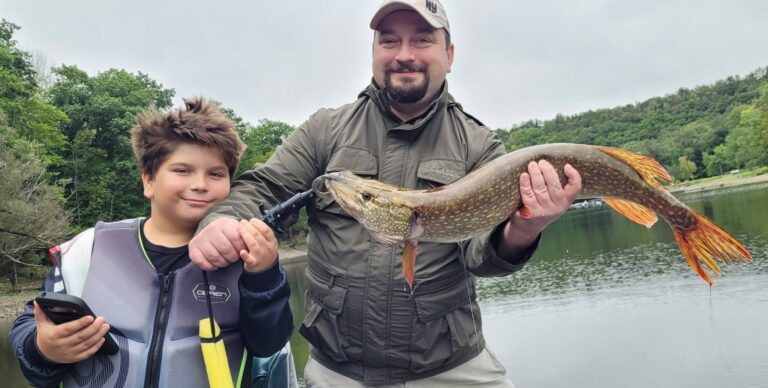
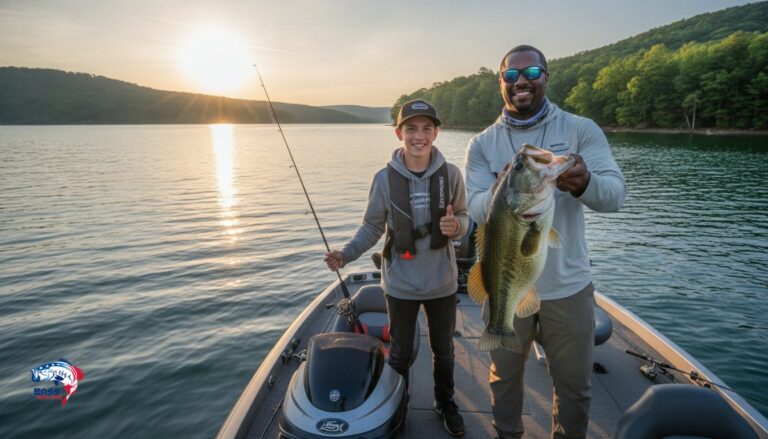
While visiting the Everglades, everyone should experience fishing at the fantastic national parks. Enjoy breathtaking views and wildlife while catching the most popular shallow water sport fish on a guided fishing trip.
The National Parks campgrounds are very close to Homestead, which provides some incredible peacock bass fishing trips.
Official Everglades Camping Information
Because campground hours, fees, reservations, storm closures, and wilderness access can change, confirm your trip with the National Park Service before driving into the park.
- Everglades National Park camping
- Permits and reservations
- Wilderness camping reservations and permits
Final Thoughts
Everyone should experience a day camping in the Everglades, whether at RV campsites, Tent Sites, Chickee Huts, or Eco tents. However, get the most out of Florida camping in the Everglades by going boating and fishing. Since most of the National Park is accessible only by crossing bodies of water, boating is a popular way to experience the entire Everglades.
So make sure to bring your boat or take one of the tours that depart from Flamingo and the Gulf Coast to fully explore the Park’s wild wonders.
To maximize the camping experience in the Everglades, there is no better way than to go on a comprehensive tour. It may sound simple, but a guided tour through the Park can make your explorations more meaningful.
In addition, the local naturalist tour guide can take you on exciting sightseeing programs you can only experience with the experts.

Great Article! Great info for a great time in the Everglades!
Appreciate the comment and thanks for reading!
Great Blog, I have enjoyed reading this content!
Thanks, John, appreciate the comments!