
Quick answer: Advanced bass fishing is about adapting faster than the fish and other anglers. High-value techniques include deadsticking, spybaiting, forward-facing sonar, finesse-power hybrids, frog adjustments, Texas-rig refinements, suspended jerkbaits, river-current tactics, and deliberate retrieve-cadence changes.
Every serious angler knows that small changes can turn a slow day into your best on the water. Mastering advanced bass fishing techniques is about more than new gear—it’s about skill, timing, and truly understanding how fish react in different environments.
Here, we break down 13 expert-approved methods you can use to outsmart bass in lakes, rivers, and beyond, wherever your next adventure leads.
1. Mastering the Deadstick Technique for Lethargic Bass
There’s a reason top guides keep deadsticking in their arsenal. When bass shuts down after a cold front, change tactics and reach for deadstick presentations. With the right approach, you can tempt even the sharpest, oldest fish—especially when other anglers walk away in frustration.
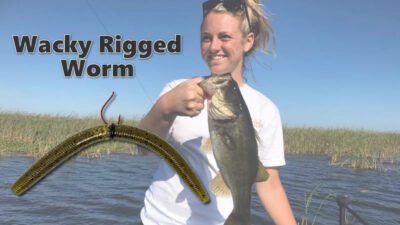 Key Steps for Success with Deadsticking
- Fish in cold fronts, during winter, or when faced with heavy fishing pressure and blank stares.
- Use weightless or lightly-weighted plastics—Senko wacky rigs, Texas-rigged worms, or a Carolina-rigged trick worm.
- Soak your bait in the strike zone for up to a minute; movement kills this tactic.
- Watch your line like a hawk for ticks or sideways slides.
- Practice recognizing the most subtle bites—this separates the elite from the average.
You want to trigger bites when nothing else works. Deadsticking can produce bites during difficult conditions because it keeps a natural-looking bait in the strike zone longer. Big, wary bass may inspect a motionless bait before committing. BassOnline guides count on this approach for trophy class catches, especially in pressured Southern lakes and winter tournaments.
Persistence with deadstick techniques often results in the day’s biggest bass, even in ultra-tough conditions.
2. Repetition and Cadence: Why Repeat Casts Matter
Most anglers do not make enough casts to a likely spot. If you want predictable success, repeated targeting is key, especially around cover or when fish are short-striking. Pattern recognition starts with patience and discipline—traits that push you past the casual cut-and-run.
When to Put Repetition to Work
- Target submerged stumps, dock pilings, or heavy grass—a structure where bass observe before striking.
- Lean into multiple presentations: start with a topwater, then rotate to a crankbait or jerk bait after a few casts.
- With each throw, vary your retrieve speed and angle—bass often “wake up” on the third or fourth cast.
- Document positive strikes and retrieve patterns so you can repeat the angles and cadences that trigger bites.
You’ll unlock tight-lipped bass by adjusting cadence and retrieve. Our own coaching experiences echo what pros see on tour—repetition and thoughtful adjustments often spark the day’s turning point.
3. Power-Finesse Fishing: Combining Aggression and Subtlety
You want versatility. Power-finesse methods deliver. In pressured fisheries or clear northern lakes where bass become shy, we reach for soft plastics or small jigs but work them quickly. This approach blends the speed of power fishing with the allure of finesse.
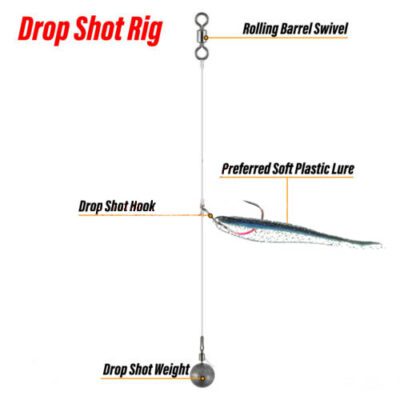 Techniques to Power Up Your Finesse
- Use a drop-shot or lightweight tube, but snap it instead of dragging—triggering reaction bites off hardcover or in rocks.
- Swim light jigs through grass, stalling only near cover.
- Choose heavier lines for shallow, rocky fisheries—out-muscle larger fish without scaring them.
- Alternate between swimming and dragging mid-retrieve; often, switching tempo wakes up followers.
We see consistent success rates rise in mixed-clarity or bait-rich lakes, primarily when covering water fast yet keeping the bait profile subtle enough to trick pressured fish. That’s where local knowledge and this advanced approach pay big dividends.
4. Spybaiting: Unlocking Clear-Water, Suspended Bass
If you fish high-visibility waters—think deep, clear reservoirs—spybaiting is a crucial skill. When bass chase bait schools mid-column, you need a lure and technique tuned for realism and stealth.
Spybaiting Essentials You Need
- Slow-retrieve propeller baits on light (4–6 lb) fluorocarbon line; prioritize long casts and level, steady retrieves.
- Count down to exact depth before beginning the retrieve—crucial for suspended fish.
- Great for pressured lakes where finesse and natural movement outperform gaudy presentations.
- Tested strategies: steady micro-motion, with pauses that let the bait glide naturally. This subtlety attracts giants and will get bites no other presentation can.
Spybaiting, imported from precision-driven Japanese tactics, earns strikes from smallmouth and finicky largemouth bass that follow—but rarely hit—typical moving baits. We notice catch rates climb in calm, clear water when nothing else draws a committed bite.
5. Swimbaits and the Drop Swim Technique
Traditional swimbait methods catch numbers, but the advanced angler knows the edge is in dropping and swimming. Drop-swim approaches—where you present small swimbaits using drop-shot rigs—reach bass holding away from the structure and match their vertical movements.
Swimbait Drop-Swim: What Works
- Rig three- or four-inch swimbaits on drop-shots and target fish suspended off points or ledges.
- Change retrieve angle and cadence during your cast—experiment with dragging, hopping, and swimming.
- Success rises in the clear, pressured waters…where bass see countless crankbaits but rarely this natural “hover” action.
- Proven in trophy-rich states like California, where the drop-swim lands oversized, educated bass.
This method unlocks those following hesitant fish, especially during shad spawns or when bass pin bait in odd places.
6. Jighead Minnow/Damiki Rig: Vertical Precision for Suspended Bass
Fine-tuned vertical tactics count, especially with cold fish or on graph-driven winter days. The Damiki rig—simple but deadly—involves a ball-head jig and a baitfish-shaped plastic parked right in a bass’s face. It’s the “do nothing” approach that generates unreal results.
- Target schools you mark using sonar, then place the rig at their level—don’t hop, don’t drag, just barely shake or hold still.
- Use three- to four-inch minnows, glue plastics for security, and reach out for precision rods and lines.
- Pro Jeff Gustafson’s win using this approach proves that mid-winter suspending bass can be tempted from lockjaw with quiet, vertical baits.
- Our guides rely on this technique during shad migration and winter fronts, especially when other patterns fizzle out.
Vertical precision wins with pressured or deep-suspended bass—subtlety and patience earn more bites than aggression.
7. Leveraging Forward-Facing Sonar (FFS) for Suspended Bass
Technology rewrites the playbook. Anglers now use live sonar to find, follow, and catch suspended or roaming bass with surgical precision. FFS helps you target individual fish instead of fishing blind, especially in winter or on open water.
FFS Moves That Make the Difference
- Watch bass on-screen—position your bait just above them, triggering attacks from beneath.
- Adjust in real-time: see if they follow, react, or ignore your lure—change angle or cadence instantly.
- Use jerkbaits, Damiki rigs, and minnow-style lures to maximize your effectiveness.
- Forward-facing sonar can improve efficiency by helping anglers see suspended fish, track reactions, and adjust lure depth or cadence in real time.
FFS transforms how—and how often—you connect with elusive open-water bass. We see it turn the toughest days into learning labs, where you solve the puzzle, not just cast and hope.
8. Advanced Frog Fishing: Beyond the Slop
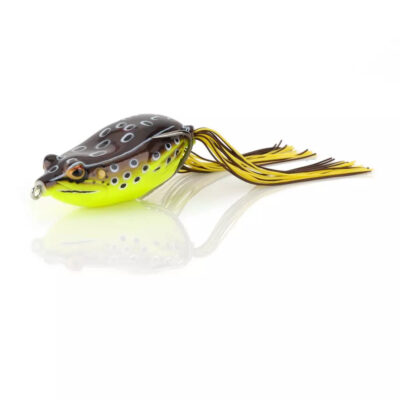 Frog fishing is not just for heavy mats. Expand your frog approach—work edges, target sparse pads, and probe open water. Modern frogs mimic local forage, handle thick or thin cover, and draw vicious topwater strikes beyond spring and summer.
Take Frog Fishing Further
- Walk frogs beside grass edges and cast beyond cover to tempt wary bass into the open.
- Add a trailer hook or custom skirt for better hookups.
- Pause your frog near “cheese” mats and listen for “snap, crackle, pop”—signs of feeding beneath.
- Use subtle color tweaks to match sunfish or amphibians for a natural look.
Our guides witness more open-water frog blowups than ever. Upgrading components or adjusting color on the fly consistently lands larger bass, especially in pressured water where everyone else sticks to basics.
Versatile frog tactics turn tough conditions into explosive strikes—don’t limit where you throw them.
9. Texas Rig Tricks and Modifications for Flawless Bass Hookups
A classic Texas rig is simple. Advanced anglers use modifications to increase hookups, fool pressured fish, and adapt to any structure. Specific tweaks deliver advantages that tip the scale on challenging days.
Texas Rig Refinements that Deliver
- Peg weights with a purpose-built bobber stop when fishing thick cover to keep the sinker close to the bait and improve control.
- Color-match weights for stealth in clear water.
- Slide on a glass bead for extra noise, especially in muddy lakes.
- Swap hook styles to change bait action and land more bites.
- Slow-drag, deadstick, or hop—change cadence based on season and structure.
We see creative Texas rig variations win tournaments when bite windows are short. Our customers quickly discover that subtle changes like weight color or slow retrieves outperform standard setups, especially in high-pressure fisheries.
10. Heavy Finesse—The Art of “Power-Shotting” and Beefed-Up Drop Shots
Standard finesse works in light cover, but real-world fishing often demands more muscle without ditching subtlety. Power-shotting—using heavier line and bigger baits on drop-shot rigs—unlocks fish holding in gnarly spots or stained water.
- Pair larger worms or creatures with 14–17 lb line and 1-oz weights for target-driven, no-nonsense presentations.
- Fish-flooded timber, thick grass, or rock spots a standard drop-shot can’t handle.
- Adjust leader length and bait size as the bite changes—quick shifts matter when conditions swing.
- It is relied on during shad spawns, rain events, or when bass buries deep.
A heavier drop-shot setup can be useful in dirty water, flooded cover, grass, or other situations where standard finesse tackle is too light.
11. Suspending Jerkbaits for Cold-Water Bass
 When water drops below 55°F, reach for suspending jerkbaits. Long, slow pauses trigger strikes from lethargic bass that won’t chase. It’s a patient game that pays off with size.
- Use suspending models like the Smithwick Rogue or modern KVD versions—tune with lead strips for perfect balance.
- Dart, pause, let the bait hang motionless at the sweet spot—30+ second pauses are not uncommon when fish sulk.
- Go for medium-moderate rods and fluorocarbon to keep the bait at depth.
- Record results in early spring; cold water plus slow cadence equals bigger fish in the boat.
From Florida to Michigan, this technique sets apart top finishers in early tournaments. The bite is subtle—refinement and confidence are everything.
12. Advanced River Bass Strategies for Current and Structure
River systems challenge you in ways lakes can’t. Current, structure, and changing water call for adaptable presentations. Locating patterns fast becomes the difference between a slow grind and success.
River-Specific Moves with Impact
- Hit current seams, rock piles, and undercut banks—natural ambush spots.
- Use compact spinnerbaits and heavier sinkers to anchor baits in the flow.
- Bring presentations perpendicular to current for natural movement.
- Read water levels after rain—shift location and weight immediately.
Guides who fish major river systems stress that adapting gear and spot choices pays off, especially after weather swings. Adjust bait style to match local forage—minnows or craws—fish respond fast to realism.
Attuned to current and cover, skilled anglers control the flow and maximize bass opportunities.
13. Winning with Retrieve Speed and Cadence
Adapt or get left behind. The fastest way to unlock the bite on any water? Dial in your retrieve speed and cadence. No two days are the same—what worked this morning may flop by noon.
- Alternate quick pops, slow pulls, total pauses—each fish tells you what works.
- When you find the trigger, repeat it until conditions shift.
- Document what worked—winning tournaments often hinge on the pattern within the pattern.
- Digital reel counters or even a notepad can help capture “winning” retrieves for the next session.
Anglers who treat every retrieve as an experiment land more fish and understand patterns quickest. If the catch slows, you change cadence—champions never fish by autopilot.
Conclusion
You deserve better bass fishing results and more rewarding days. Every chapter above offers a precise, tested technique that adapts to changing lakes, rivers, and weather.
When you commit to learning, experimenting, and refining—whether through forward-facing sonar or an overhauled Texas rig—you unlock catches that casual anglers miss. The next level in bass fishing is not luck. It’s effort, discipline, and the courage to try something new—every time you fish.
nWant to practice these tactics with local instruction? Explore BassOnline fishing guides and ask which guides teach the techniques you want to develop.