 Private Charter
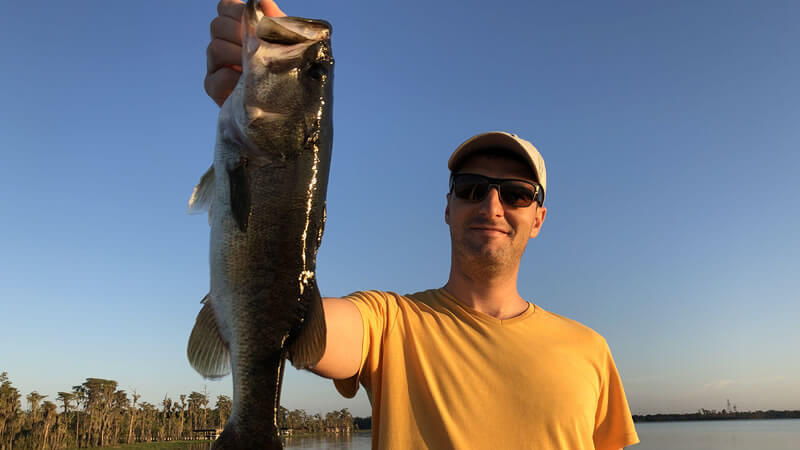
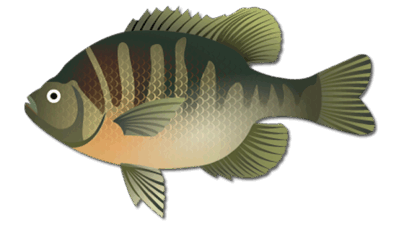
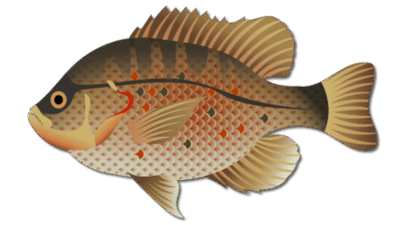
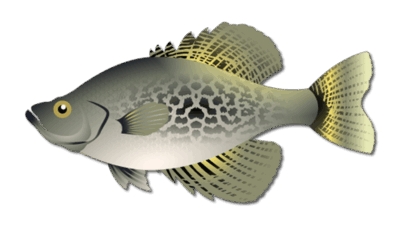
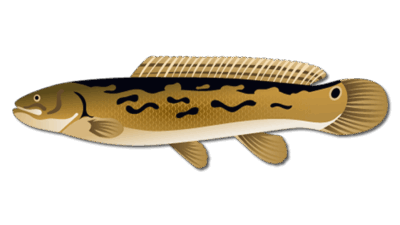
Alligator Lake is a broad, natural freshwater lake east of St. Cloud in Osceola County, Florida. It is the largest waterbody in the connected Alligator Chain of Lakes and supports the classic Central Florida mix of largemouth bass, bluegill, redear sunfish, black crappie, bowfin, and gar. This page covers the Osceola County lake near St. Cloud—not the lake with the same name near Lake City in Columbia County.
The Florida Atlas of Lakes, produced by the University of South Florida Water Institute, lists the lake at approximately 3,484 acres. The same resource places it in Osceola County and provides long-term water-quality observations. A separate federal Water Quality Portal station record identifies an FWC monitoring location in the lake, helping distinguish this Alligator Lake from similarly named Florida waters.
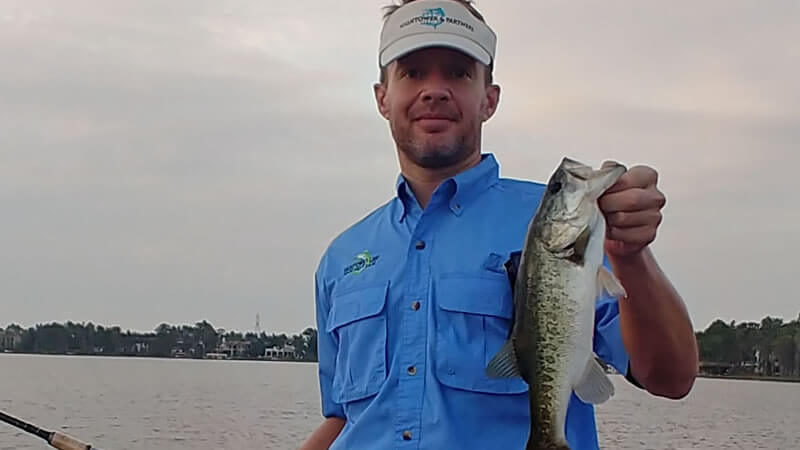
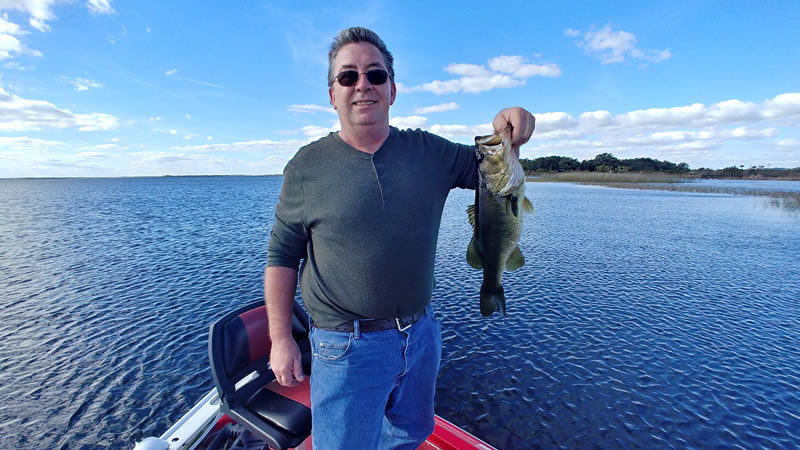
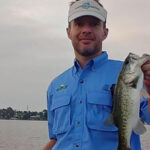
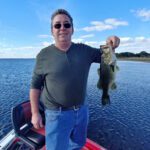
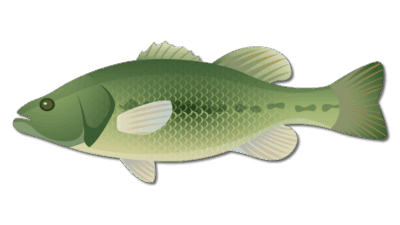
Largemouth bass are the primary sport-fishing target. Much of the lake’s productive habitat is shallow, so emergent vegetation, scattered pads, reeds, shoreline grass, and transitions into open water deserve attention. Early and late in the day, moving baits can locate active fish along broad edges. As the sun rises, slower presentations pitched to isolated cover, holes in vegetation, and shaded shoreline targets often become more reliable.
The connected chain also offers excellent panfish potential. Bluegill and redear sunfish move shallow during warm-weather spawning periods, while black crappie are more prominent during the cooler months. Bowfin and Florida gar add variety and may appear around shallow cover or open pockets where baitfish collect.
Alligator Lake connects with Lake Lizzie, Coon Lake, Trout Lake, and Lake Gentry. Water levels, vegetation, and navigability can influence how much of the chain can be reached on a given trip. When connections are open, moving between lakes lets anglers compare water color, depth, wind exposure, and habitat instead of committing to one pattern.
On the main lake, wind can help by pushing bait toward a shoreline, point, or vegetation edge. In stronger conditions, protected cuts and lee shorelines provide more controlled presentations. After rainfall or a rapid water-level change, look for fish near inflows, drains, narrow connections, and the first available cover outside moving water.
For largemouth bass, start with weedless soft-plastic worms, stick baits, swim jigs, spinnerbaits, vibrating jigs, and topwater frogs. A light Texas rig or unweighted plastic can work through sparse grass, while a heavier compact bait is useful when fish bury deeper in cover. Lipless crankbaits and shallow-running plugs can be effective over submerged vegetation when the hooks stay clear.
Winter and early spring are important bass periods in Central Florida because fish stage near spawning areas and move shallow as conditions stabilize. During summer, focus on low-light periods, shade, deeper vegetation edges, and places where wind or current improves oxygen and feeding activity. Fall can reopen a moving-bait bite as baitfish travel through the chain.
For bluegill and redear, use small live worms, crickets, or compact panfish jigs around shallow spawning areas and clean pockets. Crappie anglers can slow-troll or cast small minnows and jigs along deeper edges, channels, and suspended cover during cooler weather. Adjust depth frequently until repeated bites reveal the active zone.
The public C-Gate 33 ramp is at 4379 Hickory Tree Road in St. Cloud. Osceola County describes it as a two-lane ramp with a fixed courtesy dock and an unimproved parking area. Because shallow lake levels and vegetation can affect launching and navigation, inspect the ramp and nearby channel before committing a larger boat. A shallow-draft bass boat, skiff, kayak, or canoe can be useful when water is low.
Alligator Lake is close to St. Cloud and within reach of the broader Kissimmee and Orlando travel market. Anglers who want help locating the best open routes and seasonal pattern can compare Alligator Lake fishing guides. A guide also helps visitors match tackle and boat setup to current vegetation and water levels.
Review current FWC freshwater fishing regulations before the trip, including statewide bass and panfish rules and any notices that apply to connected waters. Bass Online’s Florida fishing license guide explains common licensing options, but the state agency remains the authority for current requirements.
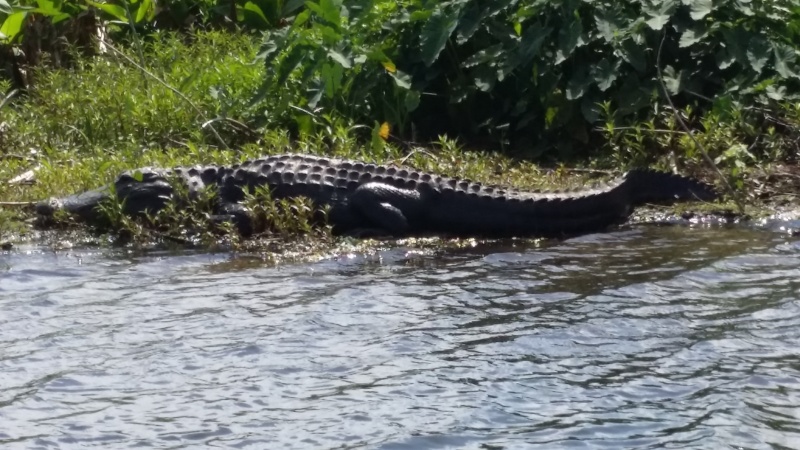
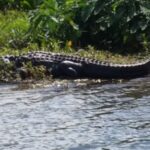
Alligators are part of the natural environment. Keep pets and hands away from the water’s edge, never feed wildlife, give large animals room, and avoid cleaning fish at the shoreline. Afternoon thunderstorms can also build quickly in Central Florida, so watch the forecast and leave exposed water before lightning approaches.
| Species | Jan | Feb | Mar | Apr | May | Jun | Jul | Aug | Sep | Oct | Nov | Dec |
|---|---|---|---|---|---|---|---|---|---|---|---|---|
| Largemouth Bass | 🔥 Hot | 🔥 Hot | 🔥 Hot | 🔥 Hot | ||||||||
| Bluegill | 🔥 Hot | 🔥 Hot | 🔥 Hot | 🔥 Hot | 🔥 Hot | 🔥 Hot | ||||||
| Redear Sunfish | 🔥 Hot | 🔥 Hot | 🔥 Hot | |||||||||
| Crappie | 🔥 Hot | 🔥 Hot | 🔥 Hot | 🔥 Hot |
No targeted species marked for Oct.