
Lake Okeechobee is famous for largemouth bass, but anglers can also run into another powerful freshwater fish: the channel catfish. One memorable Bass Online trip produced a channel catfish weighing about 10 pounds, a fish large enough to turn an ordinary bass trip into a story worth remembering.
This guide explains how big a 10-pound channel catfish really is, where channel cats fit into Lake Okeechobee fishing, what they eat, when they are most active, and the simple tackle and bait choices that work well for Florida catfish.
Are There Channel Catfish in Lake Okeechobee?
Yes. Channel catfish occur throughout Florida, and Lake Okeechobee supports catfish along with its better-known largemouth bass, crappie, bluegill and other freshwater species. Channel cats are adaptable fish that use deeper water, edges, canals, current areas and bottom structure where food is available.
If your main goal is bass fishing, a catfish may be a surprise catch. If you specifically want to target catfish, however, slowing down and fishing near the bottom with natural bait is usually a much better approach than working fast-moving bass lures.
How Big Is a 10-Pound Channel Catfish?
A 10-pound channel catfish is a very respectable fish in Florida. The Florida Fish and Wildlife Conservation Commission notes that channel catfish can exceed 40 pounds, but the typical fish is less than five pounds. That makes a 10-pounder roughly double the weight of a more typical adult channel cat.
Florida’s current channel catfish state record is 44.50 pounds. FWC’s Big Catch program recognizes channel catfish that reach at least 25 inches or 12 pounds, so a 10-pound fish is close to trophy-program weight even if it does not qualify by weight alone.
The 10-Pound Lake Okeechobee Catch
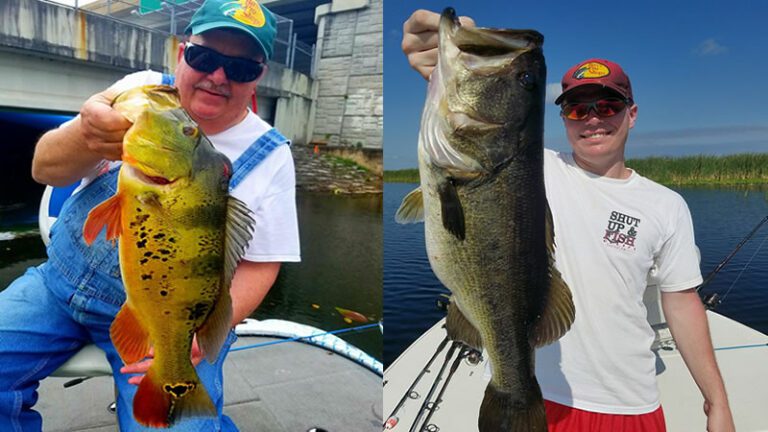
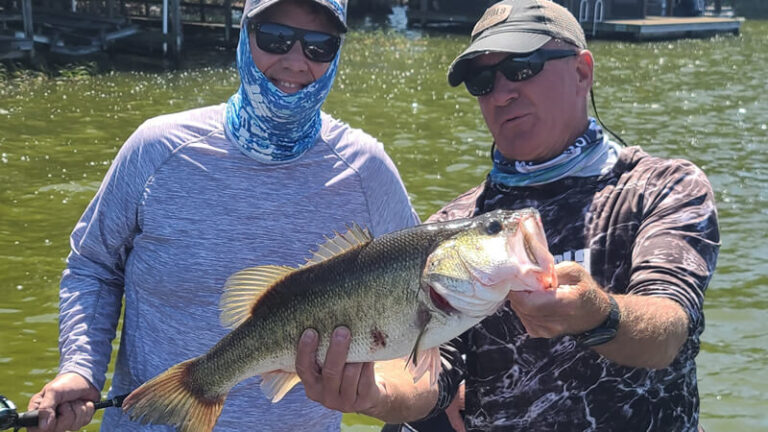
The original trip behind this article was guided by Capt. Robert Miley on Lake Okeechobee. The day started as a bass-fishing trip with a family group. The anglers caught largemouth bass, including a quality fish around six pounds, before hooking something very different in the vegetation.
The surprise fish turned out to be a channel catfish weighing about 10 pounds. It fought through bulrushes and pads before coming to the boat. That kind of unexpected catch is one of the fun parts of fishing a large, diverse system like Lake Okeechobee: even when bass are the target, another freshwater species can suddenly steal the show.
What Do Channel Catfish Eat?
Channel catfish are opportunistic feeders. According to FWC, their natural diet includes aquatic insects, crayfish, mollusks, crustaceans and fish. Their barbels – the whisker-like structures around the mouth – contain sensory cells that help them locate food.
That strong sense of smell is why scented natural baits are so effective. Good Florida catfish baits include:
- Chicken liver or chicken gizzards
- Shrimp
- Cut bait such as mullet
- Earthworms
- Commercial catfish or stink baits
Best Time to Catch Channel Catfish
Channel catfish can feed throughout the day, but FWC notes that many catfish become more active just before dusk and at night. Low-light periods can therefore be excellent times to target them.
Weather, water temperature, current, oxygen levels and available forage can all change daily fish behavior. On a huge water body such as Lake Okeechobee, location matters just as much as time of day. Canals, deeper edges, current areas and places where baitfish concentrate can all be worth checking.
Simple Tackle for Lake Okeechobee Catfish
You do not need complicated equipment to catch channel catfish. A medium or medium-heavy rod with dependable line, a sturdy hook and enough weight to keep the bait near the bottom is a practical starting point.
FWC recommends bottom fishing with a sturdy No. 2 to No. 4 hook and a heavy split-shot sinker for general channel catfish fishing. On Lake Okeechobee, anglers may need to increase line strength, hook size or sinker weight when fishing heavier vegetation, current or areas where larger fish are possible.
Channel Catfish vs. Blue Catfish and Bullheads
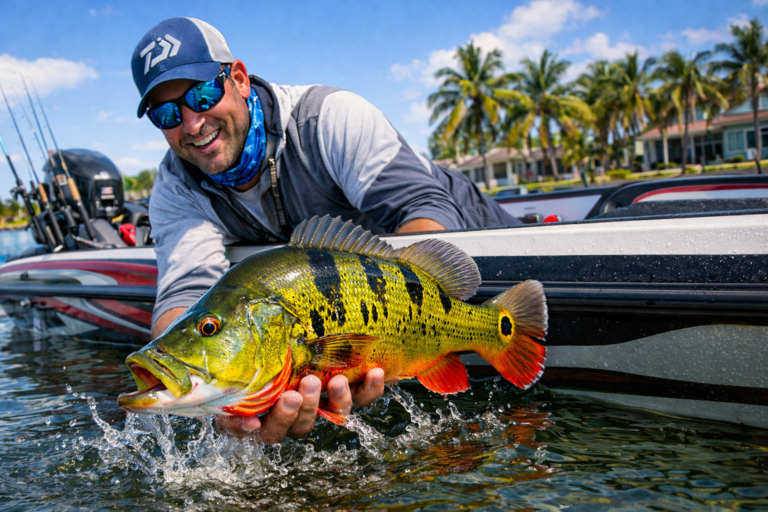
Florida has several catfish species, so identification matters. Channel catfish have a deeply forked tail, a rounded anal fin and often scattered dark spots along the back and sides. Larger adults can lose some of those spots.
For a deeper species overview, see our Channel Catfish guide. Bass Online also maintains species information for Blue Catfish, Flathead Catfish and other Florida freshwater fish.
Is Lake Okeechobee Good for Catfish?
Lake Okeechobee is primarily marketed as one of America’s legendary largemouth bass fisheries, but its size and diverse habitat support many freshwater species. Catfish are part of that ecosystem, and they can provide a fun bonus catch or a separate fishing target.
Anglers specifically interested in channel catfish should also explore FWC’s current Florida catfish top-spots information because fisheries productivity changes from year to year. If your priority is trophy largemouth bass, visit our Lake Okeechobee fishing guide or browse our Florida fishing guides.
Lake Okeechobee Channel Catfish FAQ
Are there catfish in Lake Okeechobee?
Yes. Channel catfish and other freshwater species occur in the Lake Okeechobee system. They may be caught intentionally with bottom-fished natural bait or occasionally as surprise catches while targeting other fish.
Is a 10-pound channel catfish big?
Yes. FWC says the typical channel catfish is less than five pounds, so a 10-pound fish is notably larger than average. Florida’s Big Catch channel-catfish threshold is 25 inches or 12 pounds.
What is the Florida record channel catfish?
FWC currently lists the Florida state record channel catfish at 44.50 pounds.
What bait works best for channel catfish?
Strong-smelling natural baits are reliable choices. Chicken liver, gizzards, shrimp, cut bait, earthworms and commercial catfish baits can all work.
When is the best time to catch channel catfish?
Channel catfish can bite throughout the day, but dusk and nighttime often produce strong feeding activity. Conditions and location still matter, especially on a large lake.
Sources: Florida Fish and Wildlife Conservation Commission channel catfish profile, Florida catfish fishing forecast and current freshwater fishing regulations. Always check current FWC rules before fishing because regulations can change.