
Published: December 2, 2016 | Updated: September 11, 2026
Lake Apopka’s 2016 largemouth bass stocking was an important milestone in the recovery of a fishery once famous for trophy bass. The original version of this article discussed a proposed one-million-fish goal. The final official record is different: the Florida Fish and Wildlife Conservation Commission documented 440,000 largemouth bass stocked in fall 2016. This update preserves the historical significance while correcting the number with FWC’s published record.
Table of Contents
What FWC Stocked in Lake Apopka in 2016
FWC’s 2017 Executive Director’s report states that 440,000 largemouth bass were stocked in Lake Apopka during fall 2016. The agency used fish produced outside the usual spring spawning period so the young bass could enter the lake under different seasonal conditions.
That timing was intentional. Cooler water and seasonal prey availability could give the stocked fish a useful survival window. Stocking was not presented as a stand-alone cure for Lake Apopka. It was one part of a broader recovery that also depended on cleaner water, stronger habitat, and a food web capable of supporting growing bass.
Why the Bass Stocking Mattered
Lake Apopka had once been recognized as one of Florida’s premier bass lakes. Decades of nutrient loading, habitat loss, and ecological damage sharply reduced its water quality and recreational fishery. By 2016, stocking largemouth bass represented both a practical fish-management action and a public sign that agencies believed the lake’s habitat was improving enough to support recovery.
The young fish were intended to supplement the existing bass population while restoration work continued. Anglers should read the 2016 stocking as a milestone, not a guarantee that every part of the lake immediately returned to historic conditions. A large, shallow system responds over time, and fishing quality can vary with vegetation, water clarity, weather, and access.
How Lake Apopka Has Changed Since 2016
The recovery story did not stop with stocking. The St. Johns River Water Management District’s Lake Apopka project reports substantial long-term progress. A 2024 survey found native submerged aquatic vegetation along about 95 percent of the shoreline. By March 2026, phosphorus concentrations had declined 66 percent and water clarity had improved 52 percent compared with conditions in the late 1980s.
SJRWMD also documents renewed fish activity and the return of bass tournaments. Its restoration program includes the 760-acre Marsh Flow-Way, which filters lake water, plus extensive planting and habitat work. Since 2021, the district reports planting 880,039 submerged aquatic plants across 174 acres.
Those figures do not mean restoration is finished. They do show that Lake Apopka’s present condition should not be described using only the lake’s worst historical period. The accurate picture is a recovering fishery with measurable ecological gains, continuing management work, and real angling potential.
What the Recovery Means for Anglers
Lake Apopka can produce largemouth bass, but anglers should plan for the conditions in front of them. Productive areas may include healthy vegetation, canal edges, shade, bait concentrations, and changes in bottom composition. During warm weather, early and late low-light periods often provide the best opportunity for moving baits and topwater presentations. Slower soft plastics can help once the sun rises and fish settle into cover.
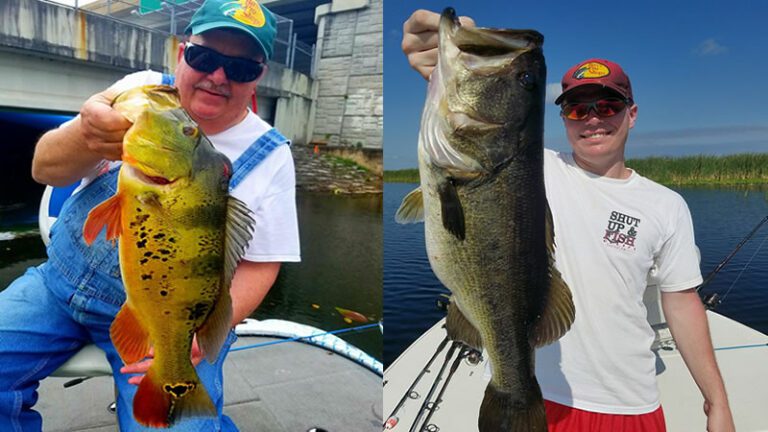
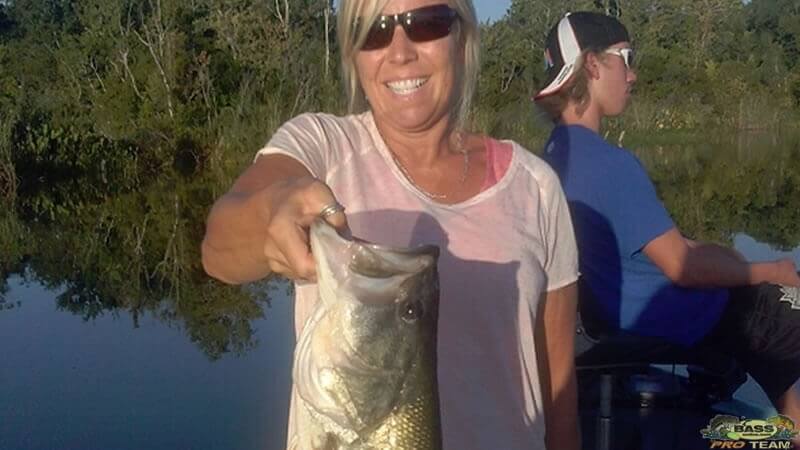
One historical August guide trip recorded 12 to 13 bass during a four-hour outing. The largest fish weighed just over five pounds, with another over four. Live bait beneath corks produced early before the heat made the bite more demanding. That single trip is not a current conditions report, but it illustrates the importance of timing and adjustment on a shallow Florida lake.
Use Current Sources Before Your Trip
For current regional fishery guidance, review the FWC Harris Chain fishing forecast. It covers seasonal tactics, sportfish, and public access information for the connected system. Also confirm current Florida freshwater fishing regulations before fishing.
Because construction and restoration work can affect access, verify launch conditions before towing a boat. Historical reports remain useful for understanding patterns and progress, but they should never be mistaken for a same-day lake report.
Plan a Lake Apopka Fishing Trip
Our updated Lake Apopka fishing guide covers bass tactics, access considerations, restoration facts, and trip planning. You can also browse the Lake Apopka fishing reports archive for dated field notes and restoration coverage.
The lasting value of the 2016 stocking is not the original projected headline. It is the verified 440,000-fish milestone and what it represented: a recovering lake, sustained public investment, and another step toward a healthier Lake Apopka bass fishery.