
Published February 13, 2023 · Updated September 9, 2026
The best drop shot lures for bass are soft plastics that match local forage, stay balanced on a small hook, and move naturally with very little rod action. A straight-tail finesse worm is the most versatile starting choice, but minnow, pintail, goby, craw, and compact creature profiles can be better when bass are feeding on a specific prey.
This guide focuses on bait shape, size, color, hook style, cover, water clarity, and season. For knots, leader length, tackle, weights, and presentation methods, use the companion drop shot rig for bass guide.
Table of Contents

Best Drop Shot Baits at a Glance
- Straight-tail finesse worm: the dependable all-around choice for pressured largemouth and smallmouth.
- Soft minnow or shad profile: useful when bass feed on suspended baitfish.
- Small worm or pintail: a compact option for clear water, light bites, and finicky fish.
- Goby profile: a strong match around bottom-dwelling forage, especially in northern smallmouth water.
- Craw or creature bait: effective near rock, river habitat, and places where crayfish are a major food source.
- Compact stick bait: gives a subtle fall and a thicker target when bass want more body.
The Virginia Department of Wildlife Resources notes that color, size, bait profile, and local forage all affect selection. Its drop-shot guidance suggests a five-inch green straight worm as a practical starting point, then changing profiles to match baitfish, crawfish, or river forage.
Finesse Worms
A four- to six-inch straight-tail worm covers the widest range of drop shot conditions. Its narrow body responds to small line movements, and it can remain convincing during long pauses. Start near four inches for pressured fish or smallmouth and move toward five or six inches when largemouth, bigger forage, or stained water calls for a larger silhouette.

Green pumpkin, watermelon, smoke, and translucent shad colors are reliable in clear to moderately stained water. Purple, chartreuse accents, or a darker silhouette can add visibility when light is poor. Brand matters less than straight rigging, appropriate buoyancy, and a profile that matches what bass are eating.
Minnow and Shad Profiles
Use a soft minnow when sonar, surface activity, or recent catches show bass feeding on shad, alewife, smelt, or other open-water baitfish. A three- to five-inch profile works for many situations. Nose-hooking gives the tail freedom, while a small jig-style or weedless hook can help around cover.
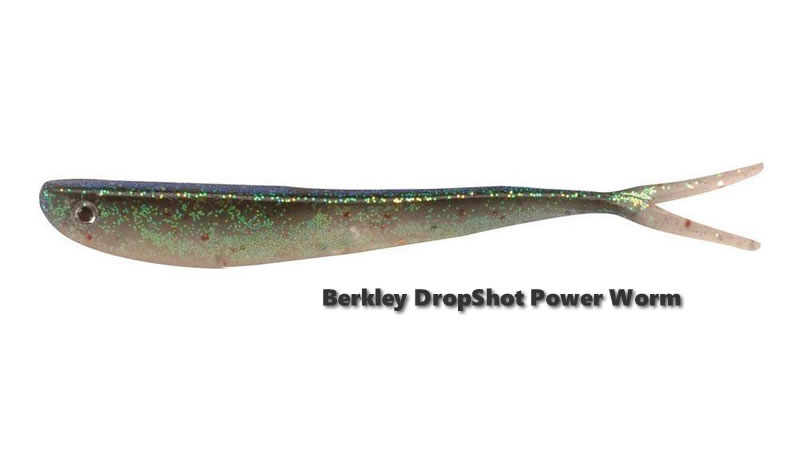
Match the dominant forage first, then tune color for visibility. Pearl, smoke, silver flake, and green-backed patterns imitate common baitfish. If bass track the lure without biting, reduce the size, choose a more translucent color, or stop shaking and let the bait hover.
Small Worms, Pintails and Goby Shapes
Small worms and pintails excel when fish see many lures or when the forage is compact. A thin three- to four-inch bait can produce bites after a larger worm fails. Goby shapes are especially relevant around rock and Great Lakes smallmouth habitat, where a bottom-oriented profile matches natural prey.
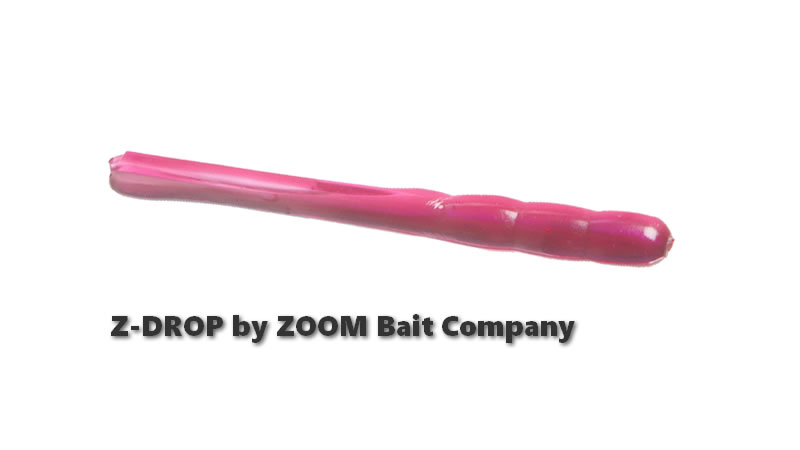
Bright colors such as pink or chartreuse can help an angler see the bait in shallow water and may trigger curious fish. They are not automatic choices for muddy water. In low visibility, vibration, silhouette, scent, and placing the bait close to fish can matter more than brightness alone.
Craw and Creature Baits
A compact craw or creature bait gives the drop shot more body and can match crayfish around rock, riprap, current seams, and hard-bottom transitions. Keep appendages modest when fish want a restrained presentation. More active claws are useful when bass respond to movement or when water has enough clarity for the profile to be seen.
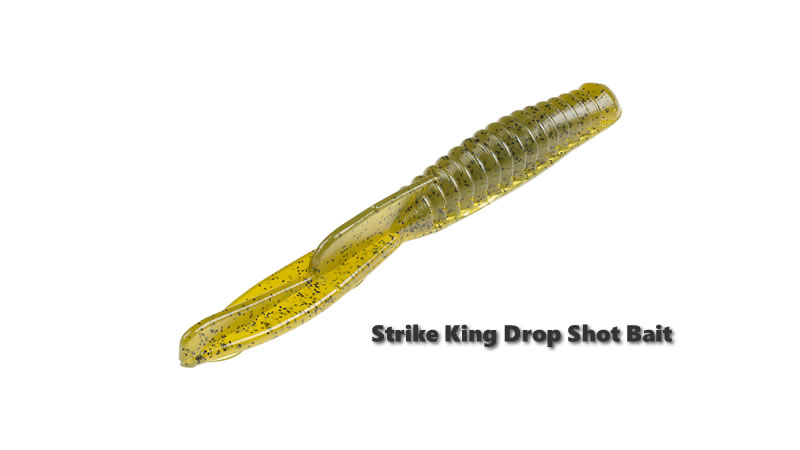
Craw colors usually begin with green pumpkin, brown, watermelon, or black-and-blue. Choose based on the actual bottom, water color, and local prey rather than a universal color chart. A natural craw presentation near bottom belongs here; the full hook, weight, and leader setup remains on the rig page.
How to Choose Drop Shot Color
- Clear water: start with translucent, smoke, green pumpkin, or baitfish patterns and reduce unnecessary flash.
- Stained water: add contrast with darker backs, purple tones, black-and-blue, or a small chartreuse accent.
- Bright sun: natural colors and subtle flake often look convincing.
- Clouds or depth: a stronger silhouette can help the lure remain visible.
- Baitfish feeding: use pearl, silver, smoke, or colors that match the local prey.
- Crawfish feeding: use green pumpkin, brown, orange accents, or darker craw patterns appropriate to the water.
Color is a final adjustment, not a substitute for location and presentation. If the bait is above or below the fish, moving too aggressively, or far from the target, changing from one shade of green to another will not solve the main problem.
Nose Hook or Texas Rig?
Nose-hooked bait
Push a small exposed hook through the front of the plastic. This provides maximum movement and clean hookups in open water. It is well suited to vertical fishing, rock, clean points, and suspended fish. Replace torn plastics promptly so the bait remains straight.
Texas-rigged bait
Thread the nose onto a small offset hook, rotate the bait, and bury or skin-hook the point. This reduces snagging in grass, brush, reeds, and dock cover. The tradeoff is slightly less free movement and a hook that must penetrate both plastic and fish.
For largemouth in thick vegetation, use a stronger hook and line suited to the cover. The heavy-grass lure guide explains when another presentation may be more efficient.
Drop Shot Baits for Largemouth and Smallmouth
Largemouth bass
Largemouth often respond to four- to six-inch worms, compact stick baits, minnows, and small creature baits. Around vegetation, a weedless presentation and slightly heavier line give better control. In open water or around docks, a nose-hooked finesse worm remains effective. Compare these choices with the broader bait for largemouth bass guide.
Smallmouth bass
Smallmouth commonly favor compact minnows, goby shapes, craws, and three- to five-inch finesse worms around rock, points, current, and suspended forage. Natural colors are a strong starting point in clear water. The smallmouth bass profile covers habitat and behavior, while the Lake Erie field report shows the technique in a real destination context.
Seasonal Drop Shot Lure Selection
- Winter: use compact worms or minnows, long pauses, and subdued colors. Keep the bait close to marked fish.
- Spring: try finesse worms, small craws, and subtle baitfish shapes around staging areas and spawning cover. Avoid disturbing visible beds unnecessarily.
- Summer: use worms and minnows on offshore structure, deep grass edges, docks, or suspended schools. Match the dominant forage.
- Fall: prioritize shad and minnow profiles when bass chase bait, but keep a finesse worm ready for pressured fish.
Season narrows the starting options, but fish position and forage are stronger evidence. Let recent catches, electronics, water clarity, and the food in the lake guide the final bait choice.
Common Lure-Selection Mistakes
- Choosing only by brand. Profile, size, color, and rigging matter more than the logo on the package.
- Using a crooked bait. A twisted plastic can spin, create line twist, and look unnatural.
- Starting too large. Downsize when bass follow without biting or fishing pressure is high.
- Changing colors too quickly. First confirm depth, location, speed, and leader height.
- Ignoring forage. A craw profile is less convincing when fish are clearly feeding on suspended shad.
- Using an exposed hook in heavy cover. Switch to a weedless presentation before repeated snags ruin efficiency.
- Overworking soft plastics. Many drop shot baits produce action from water movement alone.

Achieve Outstanding Print Quality with Flashforge Guider 3 Plus
Flashforge Guider 3 Plus 3D printer [url=http://www.uede6-us.com/]http://www.uede6-us.com/[/url].
Discover the Power of Flashforge Creator 3 Pro Printer
Flashforge Creator 3 Pro 3D Printer [url=https://inert3d-ftr.com]https://inert3d-ftr.com[/url].
Dear sir what are the best colors for clear water and dark water for plastic. For plastic swimbaits from 2-in to 4 in
Jaes, the rule of thumb is lighter colors in darker water and darker colors in clear water. Now, this is not always the case. Some fisheries are different, based on what those fish are eating. Also, the time of year and daylight that day. There is no one magic color of bait, it’s generally the one you build the most confidence in.