



















Published: February 29, 2012 · Updated: September 11, 2026
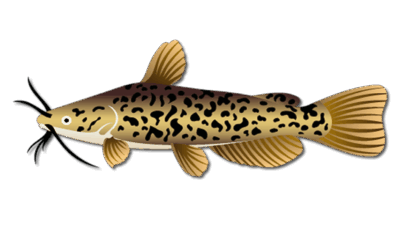
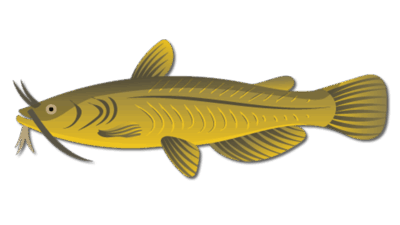
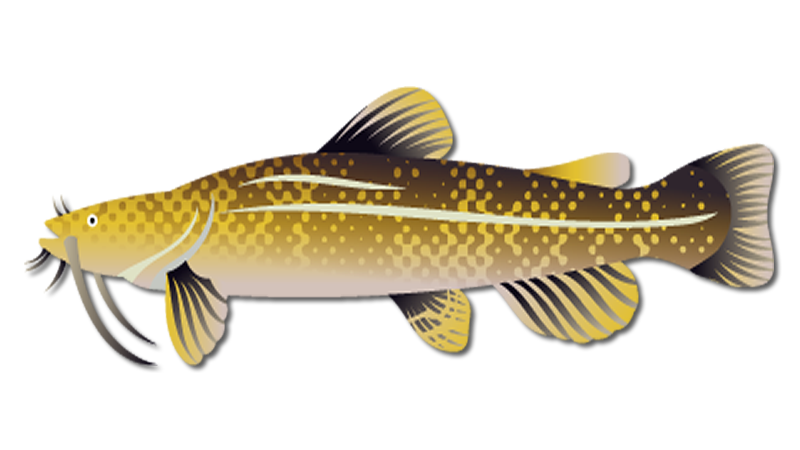
Flathead catfish (Pylodictis olivaris) are powerful freshwater predators recognized by a broad, flattened head, projecting lower jaw, mottled yellow-brown body, and rounded or slightly notched tail. Anglers also call them yellow cats, mud cats, shovelheads, or appaloosa catfish.
Unlike channel catfish, which readily take many prepared baits, large flatheads strongly favor live or freshly cut fish. Their preference for heavy cover and solitary ambush positions makes location and tackle control especially important.
Flathead Catfish Quick Facts
- Scientific name: Pylodictis olivaris
- Family: Ictaluridae
- Other names: yellow cat, shovelhead, mud cat, appaloosa catfish
- Identification: wide flat head, small eyes, projecting lower jaw, mottled body, and a rounded or slightly notched tail
- Habitat: large rivers, reservoirs, lakes, deep pools, woody cover, cavities, and moderate-current areas
- Diet: young fish eat insects and crayfish; adults feed primarily on fish
- Florida status: nonnative
- Florida state record: 69.9 pounds, according to FWC
How to Identify a Flathead Catfish
The head is wide and noticeably flattened, with small eyes set toward the top. Except in small juveniles, the lower jaw projects beyond the upper jaw. The body ranges from yellow and olive to dark brown or purplish brown, usually with irregular black or brown mottling above a pale belly.
The tail is rounded or only slightly notched, not deeply forked. Many smaller flatheads show a white tip on the upper tail lobe. The anal fin is short and rounded with 14 to 17 rays. Like other North American catfish, flatheads have barbels and rigid dorsal and pectoral spines.
Flathead vs Channel Catfish
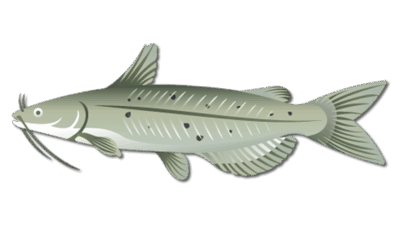
Channel catfish have a deeply forked tail, a rounded anal fin, and often scattered spots on younger fish. Flatheads have a broad head, projecting lower jaw, mottled body, and rounded or slightly notched tail. The jaw and tail provide faster field clues than color alone.
Flathead vs Blue Catfish
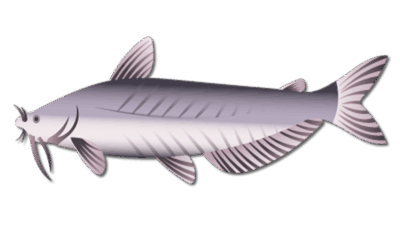
Blue catfish have a deeply forked tail and a long anal fin with a straighter outer edge. Flatheads have a shorter rounded anal fin, a projecting lower jaw, mottled coloration, and a tail without a deep fork.
Flathead vs Bullhead Catfish
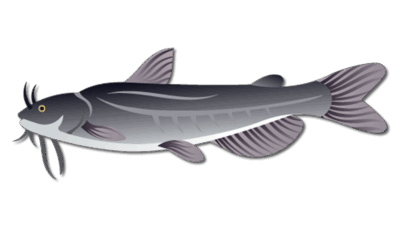
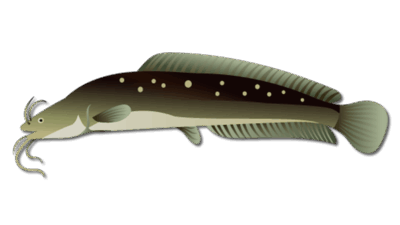
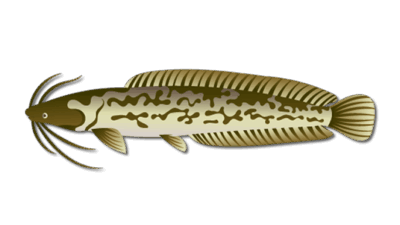
Bullheads also have a rounded or square-looking tail, but they stay much smaller and lack the flathead’s long, broad head and strongly projecting lower jaw. Adult flatheads are dedicated fish predators, while bullheads consume a wider mix of invertebrates, plant material, carrion, and small fish.
How Big Do Flathead Catfish Get?
Flatheads can become exceptionally large. The Florida Museum reports a maximum total length of about 61 inches, while FWC lists Florida’s state record at 69.9 pounds. Fish of that size are unusual, and the average catch depends heavily on the river or reservoir.
Growth rate cannot be reduced to a dependable number of pounds per year. Temperature, prey abundance, population density, habitat, sex, and age all affect growth. Young fish may grow quickly in productive warm waters, but estimating age from weight alone is unreliable.
How Fast Do Flathead Catfish Grow?
Flatheads generally grow faster where warm growing seasons and abundant forage overlap. Growth slows or accelerates as conditions change, so a 30-pound fish in one river may not be the same age as a 30-pound fish elsewhere. Fisheries biologists use structures such as otoliths or spines, together with local sampling, for more defensible age estimates.
Native Range and Florida Distribution
Flathead catfish are native to parts of the lower Great Lakes, Mississippi River basin, and Gulf Slope drainages. They have been introduced into additional waters, sometimes creating concern because large adults consume native fish.
FWC classifies flatheads as nonnative in Florida and identifies established populations in the Apalachicola and Escambia rivers after their arrival from Georgia and Alabama. Anglers should never move live fish between water bodies. Introductions can disrupt native fish communities and may violate state law.
Flathead Catfish Habitat
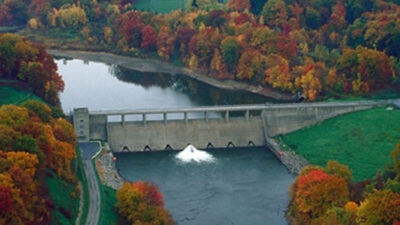
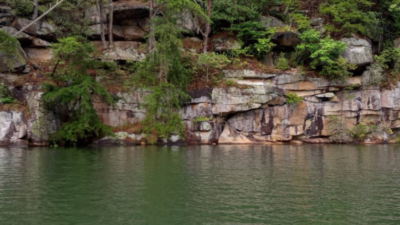
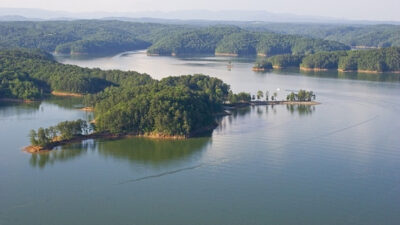
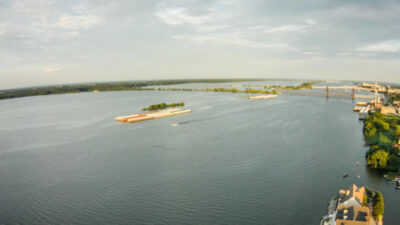
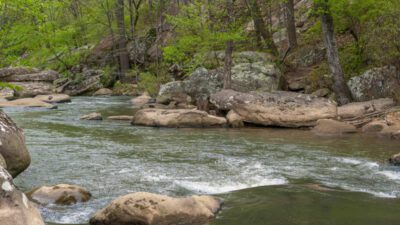
Flatheads favor large rivers, reservoirs, and impoundments with deep pools, moderate current, and substantial cover. Logs, root wads, drift piles, rock cavities, bridge structure, ledges, and submerged channel intersections create ambush positions.
During daylight, a mature flathead may hold tightly to one piece of cover. At night, it can leave that refuge to feed along adjacent flats, current seams, and channel edges. Productive spots often combine a protected daytime cavity with a nearby route to shallow feeding water.
In rivers, check the downstream side of logjams, outside bends, scour holes, tributary mouths, and current breaks near firm bottom. In reservoirs, focus on old river channels, submerged timber, creek junctions, and sharp transitions between deep water and feeding flats.
What Do Flathead Catfish Eat?
Small flatheads eat aquatic insects, crayfish, and small fish. As they grow, fish become the dominant part of the diet. Common prey includes shad, sunfish, bullheads, suckers, carp, and other locally abundant species.
Flatheads are active predators, not simply scavengers. They can take freshly cut bait, especially when current carries scent naturally, but lively legal baitfish are often the most consistent choice for targeting large adults.
Best Bait for Flathead Catfish
Use healthy, active bait that naturally occurs in the fishery and is legal to possess and use. Regulations differ sharply among states and water bodies, so confirm bait rules before fishing.
- Sunfish or bream where legal
- Shad
- Suckers or chubs
- Bullheads where legal
- Freshly cut pieces of legal local forage
Match hook size to the bait, not to the imagined size of the trophy. The bait must move naturally, and the hook point must remain exposed. Avoid releasing unused live bait into the water.
Flathead Catfish Rigs and Tackle
A slip-sinker rig is a dependable choice for anchoring live bait close to cover. Thread a suitable sinker onto the main line, add a bead and swivel, then attach a short abrasion-resistant leader and circle hook. Use only enough weight to maintain position.
Heavy cover requires stout tackle. A medium-heavy or heavy rod, strong reel, and durable line help move a hooked fish away from submerged timber before it wraps the line. Hook size commonly ranges from 4/0 to 10/0, depending on bait size and local fish, but there is no single mandatory size.
A three-way rig can present bait along a channel edge or current seam. Keep the leader short near snags. In slower water, a float rig can suspend live bait beside cover without burying the hook in debris.
How to Catch Flathead Catfish
- Map the cover: use sonar or careful observation to find deep wood, cavities, ledges, and current breaks.
- Fish close: present bait beside the cover without dropping directly into an unrecoverable snag.
- Control the bait: keep live bait healthy and restrict it enough to remain in the strike zone.
- Wait for commitment: with a circle hook, allow the fish to load the rod and then reel steadily instead of making a hard hookset.
- Apply pressure early: turn the fish before it reaches timber or another obstruction.
- Move after a thorough presentation: large adults can be solitary, but several fish may use a broader stretch containing multiple pieces of cover.
Best Time to Fish for Flatheads
Flatheads feed most actively in warm water, with strong opportunities from late spring through early fall in much of their range. Night fishing is popular because fish often leave heavy daytime cover and move shallower. Daytime fishing can still produce when bait is placed accurately beside deep cover.
During high but safe flows, target current breaks and protected seams rather than the strongest water. During stable low flow, deeper holes, shade, and woody cover become increasingly important.
Flathead Catfish Fishing in Florida
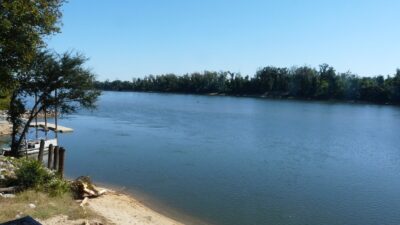
Florida’s principal flathead fisheries are in the Panhandle. The Apalachicola River and Escambia River contain the established populations highlighted by FWC. Deep bends, large woody debris, tributary mouths, and tailwater structure are logical areas to evaluate.
A historic Florida catch also demonstrates the species’ trophy potential: read about the 55-pound flathead caught by a Florida angler. Treat individual catch stories as field evidence, while using current agency resources for regulations and official records.
Handling, Harvest, and Eating Quality
Flatheads are edible, but harvest decisions should follow local limits and consumption advisories. Smaller legal fish are often easier to clean and manage than old trophy fish. Large adults can be important brood fish, so selective harvest can support a quality fishery where regulations and management goals allow it.
Use a landing net or secure lower-jaw grip while supporting the body. Avoid the dorsal and pectoral spines, minimize time out of water, and never lift a large fish vertically by the jaw alone. For release, hold the fish upright in the water until it maintains balance and swims away strongly.
Florida Record and Official Sources
FWC lists the Florida state record at 69.9 pounds and the Big Catch benchmark at 36 inches or 25 pounds. Records and program thresholds can change, so verify the current figures before submitting a catch.