 Guides Wanted
Clarks Hill Lake
0 Reviews
Quick Summary
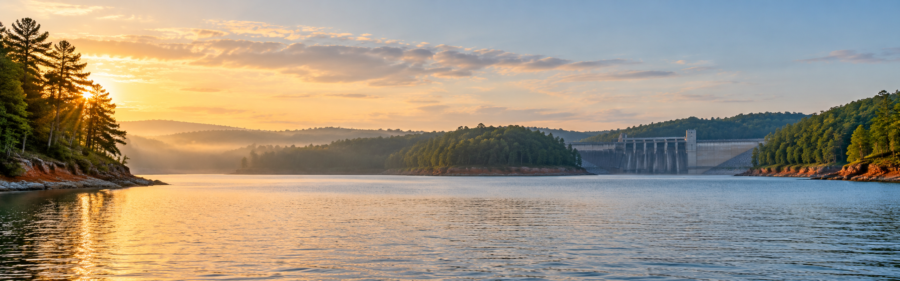
Clarks Hill Lake, officially J. Strom Thurmond Lake, is a 71,100-acre Georgia–South Carolina reservoir known for bass, stripers, crappie, bream, and catfish.
Top Fishing Guides on Clarks Hill Lake
Guides WantedClarks Hill Lake Reviews
Top Target Species on Clarks Hill Lake
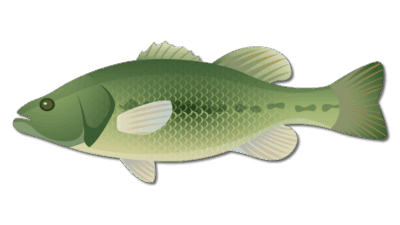
Largemouth Bass
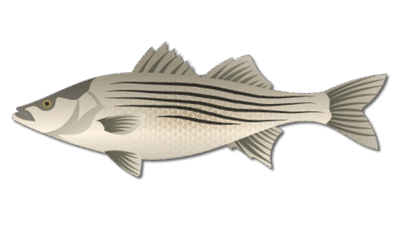
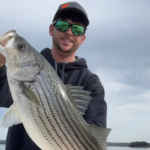
Striped Bass

Hybrid Striped Bass
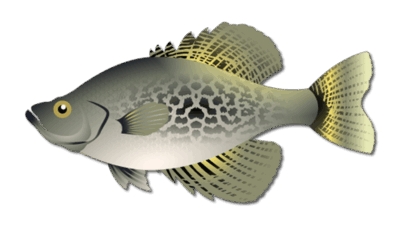
Crappie
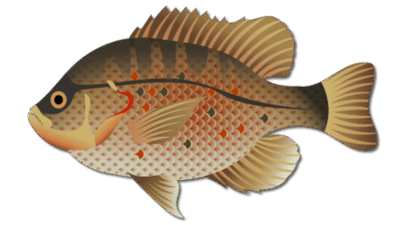
Redear Sunfish
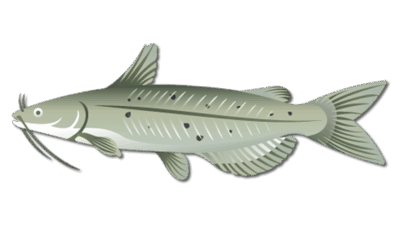
Channel Catfish
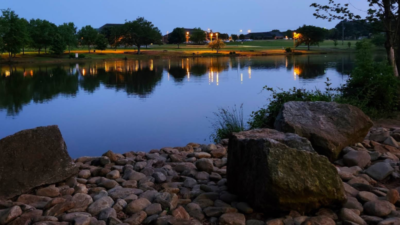
Frequently Asked Questions about Clarks Hill Lake
Is Clarks Hill Lake the same as J. Strom Thurmond Lake?
Yes. Clarks Hill is the historic and locally common name; J. Strom Thurmond Lake is the official federal name for the same Savannah River reservoir.
How large is Clarks Hill Lake?
The reservoir covers about 71,100 acres at normal pool and spans the Georgia–South Carolina border.
What fish are in Clarks Hill Lake?
Popular targets include largemouth bass, striped bass, hybrid striped bass, crappie, bluegill, redear sunfish, channel catfish, flathead catfish, and white bass.
When is the best time to fish Clarks Hill Lake?
Spring and fall provide broad shallow-water opportunities. Summer and winter can remain productive around deeper points, channels, brush, and baitfish concentrations.
Do I need both Georgia and South Carolina fishing licenses?
License requirements depend on where and how you fish. Review current reciprocal-water rules and both states’ regulations before your trip.
Fishing Clarks Hill Lake
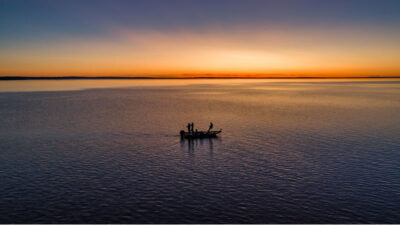
Clarks Hill Lake, officially J. Strom Thurmond Lake, is a large Savannah River reservoir on the Georgia–South Carolina border northwest of Augusta. Anglers commonly use the historic name “Clarks Hill,” while federal maps and facilities use “J. Strom Thurmond.” Both names refer to the same reservoir.
The lake covers about 71,100 acres at normal pool and offers long creek arms, rocky points, red-clay banks, standing timber, submerged brush, and broad open-water structure. The Georgia Department of Natural Resources includes Clark’s Hill in its official fishing forecasts, identifying striped bass, hybrid bass, crappie, largemouth bass, redear sunfish, and catfish as leading opportunities.
Clarks Hill Lake Fishing
Largemouth bass use shallow cover during stable spring weather, then spread across points, humps, creek-channel edges, and deeper brush as water warms. Spinnerbaits, crankbaits, jigs, Carolina rigs, and soft plastics are practical choices. Wind-blown points and pockets can be productive when baitfish are pushed against the bank.
Striped bass and hybrids follow blueback herring and shad through the main lake and major creek arms. Anglers often search with sonar before presenting live bait, spoons, swimbaits, or trolling rigs. The best depth changes with season, light, water temperature, and generation. Review the Georgia DNR Clarks Hill access information when planning launches on the western side.
Crappie, Bream, and Catfish
Crappie relate to bridge crossings, creek channels, docks, standing timber, and planted or natural brush. Small jigs and minnows work well, especially during the cooler months and the spring movement toward shallower cover. Bluegill and redear sunfish offer steady action around protected coves, gravel, vegetation, and woody shoreline cover.
Channel and flathead catfish use deeper holes, creek channels, and current-influenced areas. Cut bait, live bait, and other natural presentations can be effective. Night fishing is popular in warm weather, but boaters should use proper lighting and remain alert around timber and open-water traffic.
Seasonal Fishing Patterns
Winter
During winter, bass and crappie often hold near deeper brush, channel swings, and protected creek structure. Striped bass may concentrate around bait in the main lake or major tributaries. Slow presentations and careful sonar work are especially valuable after cold fronts.
Spring
March through May brings fish toward points, pockets, spawning banks, and warming creek arms. Bass fishing is often strongest around transitions between rock, clay, wood, and emerging cover. Crappie move shallower, while redear and bluegill activity increases as water temperatures rise.
Summer
Early morning, late evening, and night provide comfortable fishing windows. Bass commonly use deeper points, humps, ledges, and brush with nearby access to channels. Striped bass and hybrids may move deeper as surface temperatures climb, making electronics and controlled-depth presentations important.
Fall
Cooling water can push baitfish into creek arms and onto wind-blown points. Moving lures help cover water for bass, while schooling stripers and hybrids may appear near the surface. Crappie fishing also improves around brush and bridge structure as temperatures fall.
Boat Access and Trip Planning
Wildwood Park in Appling, Georgia, is a practical meeting and launch area for the lower reservoir. Numerous federal, state, county, and commercial ramps serve other sections, so choose access based on wind direction and the creek arm you plan to fish. The reservoir is large enough for conditions to differ significantly from one end to the other.
Clarks Hill is convenient to Lake Oconee fishing and the broader Augusta region, but it should be treated as its own Georgia–South Carolina border fishery. Carry a current chart, watch for submerged timber, and check weather and lake conditions before leaving the ramp.
Licenses and Regulations
Because the reservoir borders two states, license reciprocity and harvest rules deserve careful review. Consult the current Georgia DNR fishing regulations guide and confirm South Carolina requirements when fishing across the state line. Rules can change by species and season.
No regularly assigned Bass Online captain currently appears for this lake. The guide carousel below will show local coverage as it becomes available.
Clarks Hill Lake Fishing Calendar
🔥 Hot
✅ Good
🐢 Slow
| Species | Jan | Feb | Mar | Apr | May | Jun | Jul | Aug | Sep | Oct | Nov | Dec |
|---|---|---|---|---|---|---|---|---|---|---|---|---|
| Largemouth Bass | 🔥 Hot | 🔥 Hot | 🔥 Hot | 🔥 Hot | 🔥 Hot | |||||||
| Striped Bass | 🔥 Hot | 🔥 Hot | 🔥 Hot | 🔥 Hot | 🔥 Hot | |||||||
| Crappie | 🔥 Hot | 🔥 Hot | 🔥 Hot | 🔥 Hot | 🔥 Hot | |||||||
| Redear Sunfish | ✅ Good | ✅ Good | ✅ Good |
No targeted species marked for Jan.
Crappie
🔥 Hot
Redear Sunfish
✅ Good
No targeted species marked for Jul.
No targeted species marked for Aug.
Largemouth Bass
🔥 Hot
Largemouth Bass
🔥 Hot
Striped Bass
🔥 Hot
Striped Bass
🔥 Hot
Crappie
🔥 Hot
Crappie
🔥 Hot
Featured Post for Clarks Hill Lake