
 Guides Wanted
Lake of the Ozarks

1 Reviews



Quick Summary
Lake of the Ozarks is a 54,000-acre Missouri reservoir known for largemouth and spotted bass, crappie, catfish, walleye, and seasonal fishing around docks, points, brush, coves, and channel edges.
Top Fishing Guides on Lake of the Ozarks
Guides WantedLake of the Ozarks Reviews
Top Target Species on Lake of the Ozarks
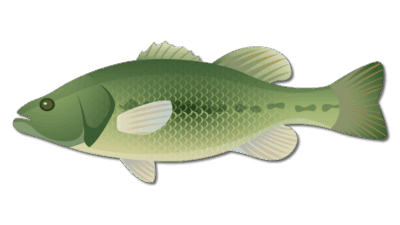
Largemouth Bass
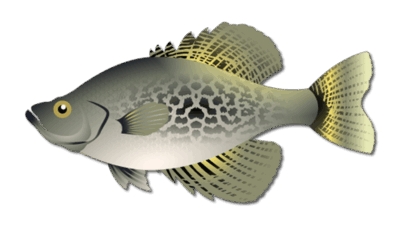
Crappie
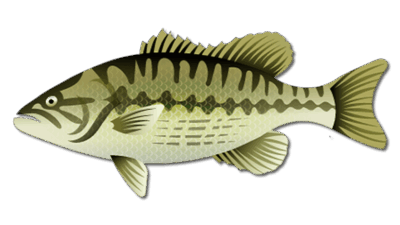
Spotted Bass
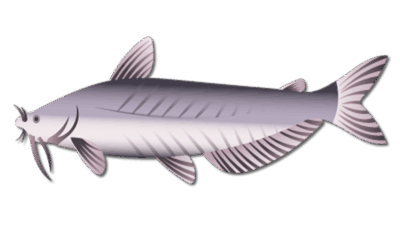
Blue Catfish
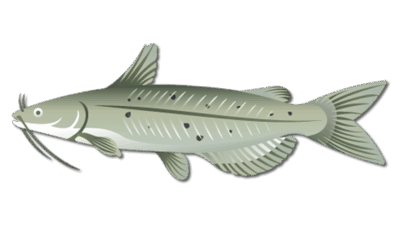
Channel Catfish

Hybrid Striped Bass
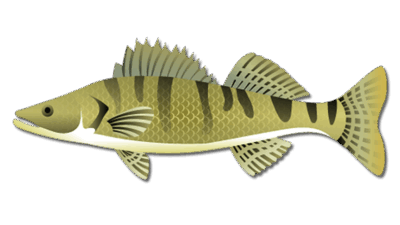
Walleye

Flathead Catfish
Nearby Cities to Lake of the Ozarks


Frequently Asked Questions about Lake of the Ozarks
What fish are most commonly targeted at Lake of the Ozarks?
Popular targets include largemouth and spotted bass, black and white crappie, blue, channel and flathead catfish, white bass, hybrid striped bass, walleye, and bluegill.
Where should bass anglers start on Lake of the Ozarks?
Start with docks, rocky points, brush piles, secondary points, and channel swings. The most productive depth and cover change with season, light, wind, and water clarity.
What are the best months to fish Lake of the Ozarks?
March through May and September through November are strong windows for bass and crappie. Catfish opportunities are reliable through much of the warmer season.
What lures work well for Lake of the Ozarks bass?
Topwater lures, plastic worms, jigs, crankbaits, and spinnerbaits cover the lake’s docks, brush, rock, points, and windblown banks effectively.
Do I need a Missouri fishing permit at Lake of the Ozarks?
Most anglers need an appropriate Missouri fishing permit. Always check current Missouri Department of Conservation permits and Lake of the Ozarks special regulations before fishing.
Can I book a Lake of the Ozarks fishing guide?
Yes. Use the Lake of the Ozarks guide directory on this page to see currently available guides or the guide-recruitment option when no guide is assigned.
Lake of the Ozarks Fishing Guide
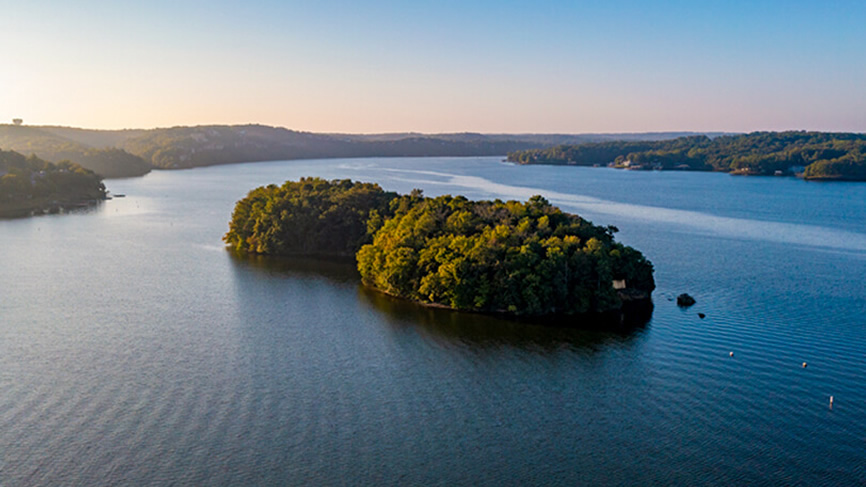
Lake of the Ozarks is one of Missouri’s largest and most varied fishing destinations. The reservoir covers about 54,000 acres and has roughly 1,150 miles of shoreline, according to the Missouri Department of Natural Resources watershed summary. Long creek arms, main-lake points, docks, brush piles, rock, and channel edges create year-round habitat for bass, crappie, catfish, walleye, and several other gamefish.
For anglers searching for the best fishing spots on Lake of the Ozarks, the practical answer changes with season, water level, wind, and the species being targeted. Start with high-percentage structure—secondary points and protected pockets in spring, shaded docks and deeper brush in summer, windblown points in fall, and channel-related cover in winter—then adjust depth until bites reveal the day’s pattern.
Best Fishing Areas on Lake of the Ozarks
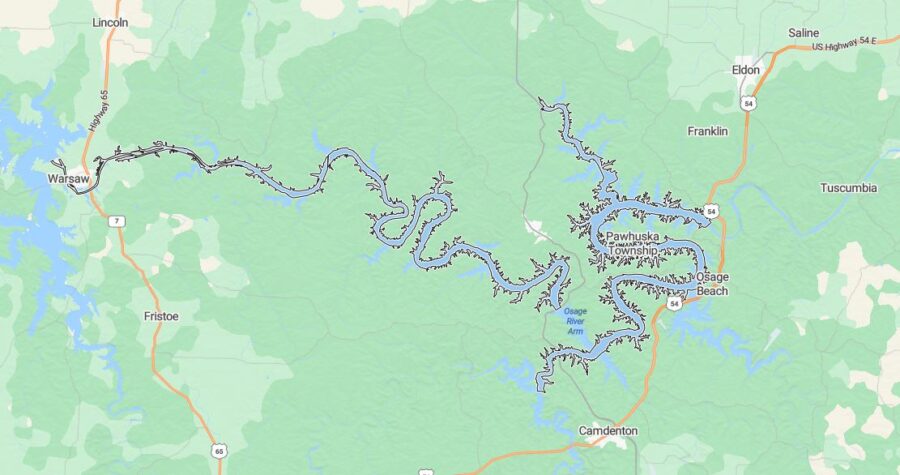
The lake’s major arms offer distinct water and habitat. The Grand Glaize Arm near Osage Beach combines docks, points, coves, and access to deeper water. The Gravois Arm is known for rock, ledges, and a mix of clear-water structure. The Niangua arms offer long coves, creek channels, and brush that can be productive for bass and crappie. The main Osage channel provides current-influenced structure, bluff ends, points, and deep-water options.
No single waypoint is always the “best” spot. A productive approach is to fish a small group of repeatable features. Bass anglers can rotate among docks, rocky points, brush piles, and channel swings. Crappie anglers can check brush, dock shade, and creek-channel edges. Catfish anglers can work cove mouths, flats near channel breaks, and areas where baitfish concentrate.
Bass Fishing Patterns
Largemouth bass and spotted bass are major Lake of the Ozarks targets. In spring, warming pockets, transition banks, secondary points, and protected spawning areas deserve attention. Plastic worms, jigs, spinnerbaits, and shallow-running crankbaits let anglers cover both rock and wood efficiently.
After the spawn and into summer, many bass relate to shade, dock supports, brush, and deeper points. Early and late in the day, topwater lures can produce around shallow cover. During bright conditions, slower presentations around deeper structure are often more consistent. In fall, cooling water and roaming baitfish can pull bass toward windblown banks and creek arms, making moving baits useful for locating active fish.
Smallmouth bass are present but are generally a secondary target compared with largemouth and spotted bass. Anglers specifically seeking smallmouth should emphasize rocky structure and clearer sections of the reservoir rather than expecting them throughout every arm.
Crappie, Catfish, Walleye, and Other Species
Crappie fishing is a major draw throughout the lake. Spring fish often move toward protected coves and spawning cover. At other times, vertical presentations around brush and docks can be effective. Small jigs and minnows are standard choices, but depth control is more important than constantly changing colors.
Blue, channel, and flathead catfish use the lake’s channels, flats, points, and cove mouths. Cut bait or live bait can be effective where regulations permit. For anglers targeting trophy-class blue catfish, careful handling and an understanding of current length and possession rules are especially important.
White bass, hybrid striped bass, and walleye add open-water opportunities. Watch for baitfish activity, birds, and surface feeding, then use spoons, jigs, swimbaits, or trolling presentations to cover water. Walleye anglers commonly focus on points, humps, channel edges, and low-light periods.
Seasonal Lake of the Ozarks Fishing
Spring
March through May is a prime period for bass and crappie. Fish move progressively shallower as water warms, although cold fronts can push them back toward the first nearby drop. Work from secondary points into pockets and adjust daily rather than relying on a fixed calendar date.
Summer
Summer fishing often rewards early starts, evening trips, and attention to shade or deeper cover. Docks, brush, main-lake points, and channel-related structure become important. Boat traffic can be heavy, so protected coves and lower-traffic periods can make the trip more comfortable.
Fall
September through November can provide strong bass, crappie, and white-bass action as water cools and baitfish move. Wind can improve feeding activity on points and banks, while creek arms offer opportunities to follow bait toward the back of coves.
Winter
Cold-water fish may group tightly around deep brush, channel edges, and vertical structure. Slow presentations and precise depth control matter. Crappie and bass can still be caught, but anglers should cover water methodically and allow extra time between productive areas.
The Missouri Department of Conservation Lake of the Ozarks fishing prospects provide current, species-specific observations that can help refine a seasonal plan before a trip.
Recommended Lures and Techniques
- Bass: topwater lures in low light, plastic worms and jigs around docks and brush, plus crankbaits and spinnerbaits on points and windblown banks.
- Crappie: small jigs or minnows presented at the depth of suspended fish around brush, docks, and creek-channel cover.
- Catfish: live or cut shad around channel breaks, flats, points, and cove mouths.
- Walleye and open-water fish: jigs, spoons, swimbaits, and trolling crankbaits along points, humps, and channel edges.
Water clarity varies around the reservoir. Natural colors can work well in clearer water, while stronger contrast or vibration can help in stained conditions. Keep a lure in productive depth and change one variable at a time—location, depth, speed, or presentation—so the day’s pattern is easier to identify.
Fishing Access, Guides, and Trip Planning
Osage Beach is a practical base for reaching the central lake and the Grand Glaize Arm. Public ramps, marinas, resorts, and shoreline access vary by area, so confirm launch hours, fees, parking, and seasonal water conditions before arrival. Carry required safety equipment and use extra caution around docks, narrow channels, and busy summer traffic.
Local knowledge can shorten the learning curve on a reservoir this large. The Lake of the Ozarks fishing guides directory is filtered to this lake and can help anglers plan a trip around their target species and experience level. When no Bass Online guide is currently assigned, the page will show the appropriate guide-recruitment option automatically.
Missouri Fishing Regulations
Fishing seasons, length limits, daily limits, and special restrictions can change. Review the official Lake of the Ozarks special fishing regulations before fishing, and confirm that everyone who needs a Missouri fishing permit has one. Species-specific rules may differ from statewide limits, so the current official regulation page—not an older trip report—should guide harvest decisions.
Plan Your Lake of the Ozarks Fishing Trip
For a first visit, choose one lake arm, identify several pieces of similar structure, and build a pattern from observed conditions. Spring and fall are especially popular for bass and crappie, while catfish and open-water species extend the opportunity through warmer months. With a focused plan, current regulations, and realistic expectations for a large reservoir, Lake of the Ozarks can support productive trips for both experienced anglers and families.
Nearby Missouri Fishing Destinations
Use the nearby-city and related-destination sections below to compare other Missouri fishing areas and build a multi-day itinerary.
Featured Post for Lake of the Ozarks