







































Walleye: A Comprehensive Guide for Anglers
Introduction to Walleye
The walleye (Sander vitreus) is one of North America’s most prized freshwater game fish, renowned for its nocturnal feeding habits, keen low-light vision, and excellent table fare. Found throughout much of Canada and the northern United States, walleyes are a favorite target among anglers seeking a challenging and rewarding fish. This article provides a science-based yet angler-friendly overview of walleye biology, behavior, habitat, and effective fishing strategies to help you improve your catch rates.
Physical Description and Identification
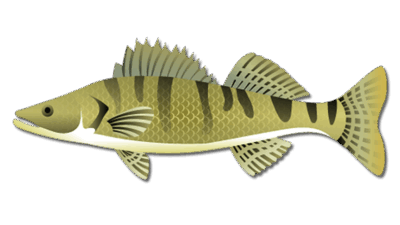
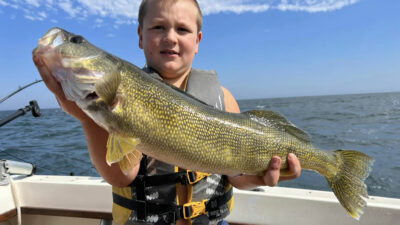
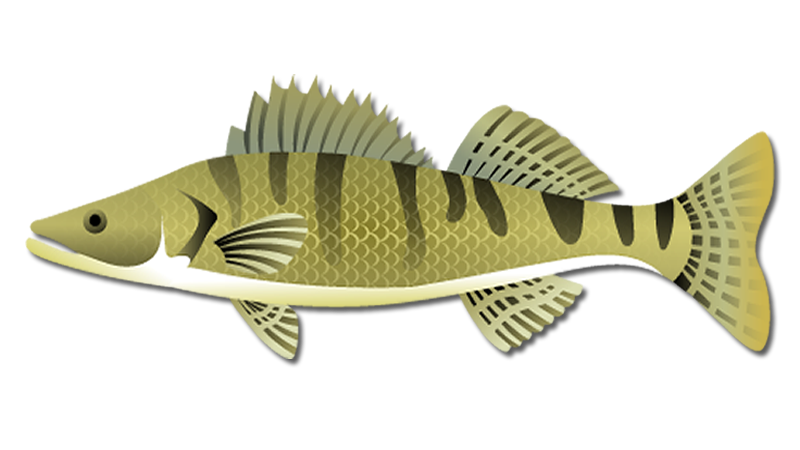
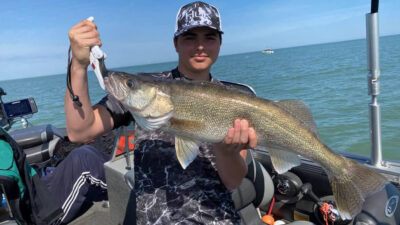
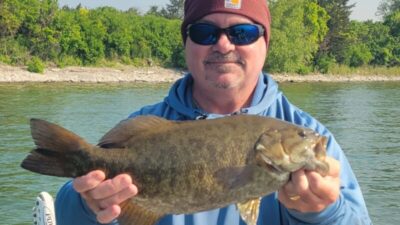
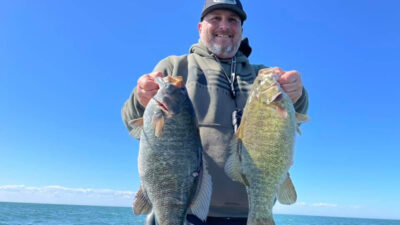
Walleyes are medium-sized predatory fish, averaging 1 to 2 pounds, though they can grow much larger, occasionally exceeding 10 pounds. They have an elongated, torpedo-shaped body with olive to gold coloring on the back and sides, frequently marked with brassy flecks or mottled patterns that provide camouflage. A hallmark characteristic is their pearlescent, reflective eyes. This unique tapetum lucidum layer enhances their vision in low-light conditions, giving them a competitive advantage during dawn, dusk, and times of turbid water. Walleyes also have two dorsal fins – one spiny and one soft-rayed – with distinct markings helping distinguish them from other similar species.
Habitat and Distribution
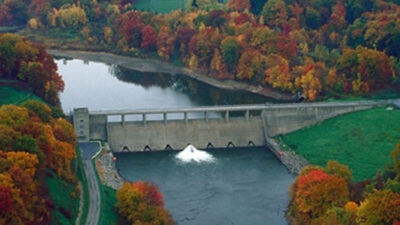
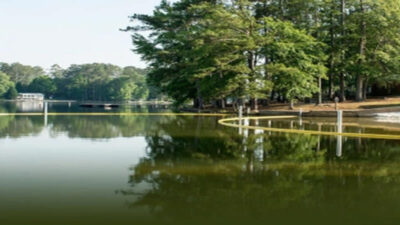
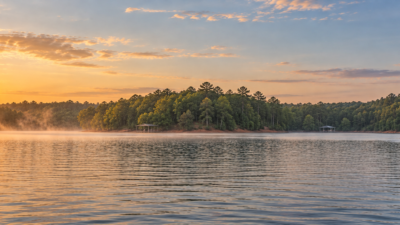
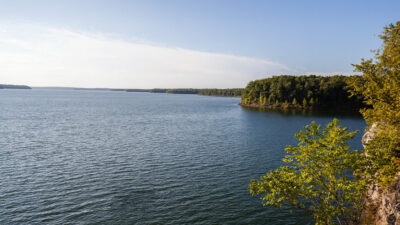
Walleye thrive primarily in cool to moderately warm freshwater systems ranging from lakes and reservoirs to rivers and large streams. Their distribution spans much of Canada, the Great Lakes region, and northern to midwestern United States. They prefer waters with moderate clarity but also tolerate turbid conditions better than many fish species. Preferred habitats include areas with rocky or gravel bottoms ideal for spawning, as well as deeper cool-water refuges during summer. During feeding, they move to shallower waters near vegetation, structure, or drop-offs.
Feeding Behavior and Diet
Being primarily nocturnal and crepuscular (active around dawn and dusk), walleyes rely on their superior low-light vision to hunt efficiently. This sensory advantage allows them to prey on species like yellow perch, minnows, and small fish even in dim or murky waters where other predators might struggle. Juvenile walleyes initially feed on plankton and aquatic invertebrates before progressively shifting to a more piscivorous diet as they grow. Adult walleyes consume a diverse range of prey, including fish, crayfish, and insects, adjusting their feeding habits according to availability.
Reproduction and Life Cycle
Walleye typically spawn in spring when water temperatures rise to around 43 to 50°F (6 to 10°C). Spawning occurs over gravel and rocky substrates, often in shallow flowing water. Females can lay hundreds of thousands of adhesive eggs, which settle in spaces between rocks, ensuring oxygenation and protection. Unlike some species, walleyes provide no parental care after fertilization; the eggs and subsequent fry hatch vulnerable to environmental conditions and predation. Early survival rates depend heavily on water temperature, oxygen levels, and habitat quality.
Seasonal Behavior and Movement
Walleyes exhibit distinct seasonal movement patterns. In spring, they migrate to shallow spawning grounds. Summer usually finds them in deeper, cooler waters or near structure like drop-offs. As water temperatures drop in fall, walleyes may move towards shallows or prey-rich areas to feed heavily before winter. Their daily cycle features more active feeding at dawn, dusk, and night with resting periods during bright daylight hours, often sheltering in deeper or shaded zones.
Effective Fishing Techniques for Walleyes
To target walleyes successfully, anglers should adapt techniques to their behavior and habitats:
-
Timing: The best fishing times are dawn, dusk, and night, when walleyes are most active. Overcast days or turbid water conditions can extend active feeding times.
-
Baits: Live bait, such as minnows, leeches, and nightcrawlers, is exceptionally effective. Artificial lures such as jigs, crankbaits, spinner rigs, and soft plastics that mimic walleye prey are also popular.
-
Presentation: Slow, subtle presentations tend to work better for wary walleyes, especially in clear waters. In murky water, brighter or vibration-producing lures help attract the attention of fish.
-
Structure and Depth: Focus on rocky bottoms, weed edges, submerged timber, drop-offs, and river current breaks. Using fish finders to locate schools or holding areas increases success.
-
Tackle: Medium to medium-light spinning or casting tackle with sensitive tips helps detect the subtle bites characteristic of walleyes.
Conservation and Management
Walleye populations are generally healthy but sensitive to habitat loss, water quality degradation, and changes in prey availability from invasive species. Fisheries managers often regulate catch limits, size restrictions, and stocking programs to sustain recreational fisheries. Conservation of spawning habitats and water quality remains critical for population stability. Anglers are encouraged to practice catch-and-release of trophy walleyes and adhere to local regulations.
Conclusion
Walleye fishing offers a rewarding experience that combines skillful angling with the thrill of reeling in a top freshwater predator. Understanding their biology, seasonal behaviors, and preferred habitats can significantly improve catch rates. Whether fishing lakes, reservoirs, or rivers, adapting techniques to walleyes’ nocturnal and sensory adaptations is key to success. Protecting these iconic fish through responsible fishing and habitat stewardship ensures they remain a prized quarry for future generations of anglers.