


















Published: June 12, 2014 · Updated: September 11, 2026
The White Catfish (Ameiurus catus) is a native North American catfish with a compact body, broad head, and a tail that is only moderately forked. It is common in slow rivers, backwaters, lakes, and slightly brackish coastal water. Anglers sometimes search for a “white humpback catfish” because larger fish can look thick through the shoulders, but White Catfish is the recognized common name.
This species page covers identification, size, range, habitat, feeding behavior, spawning, fishing methods, and the differences between White Catfish and similar species. Anglers looking for a deeply forked tail and spotted sides should also review the Channel Catfish.
White Catfish Quick Facts
- Scientific name: Ameiurus catus
- Family: Ictaluridae, the North American catfish family
- Native status in Florida: Native
- Typical color: Blue-gray to blue-black above and white to pale yellow below
- Key identification marks: White or yellow chin barbels, moderately forked tail, and short rounded anal fin
- Habitat: Slow rivers, backwaters, lakes, impoundments, and some slightly brackish coastal waters
- Florida state record: 18.88 pounds
- Florida Big Catch minimum: 22 inches or 5 pounds
How to Identify a White Catfish
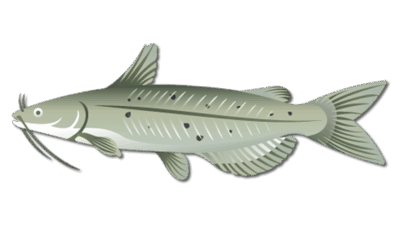
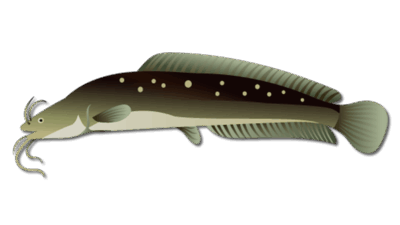
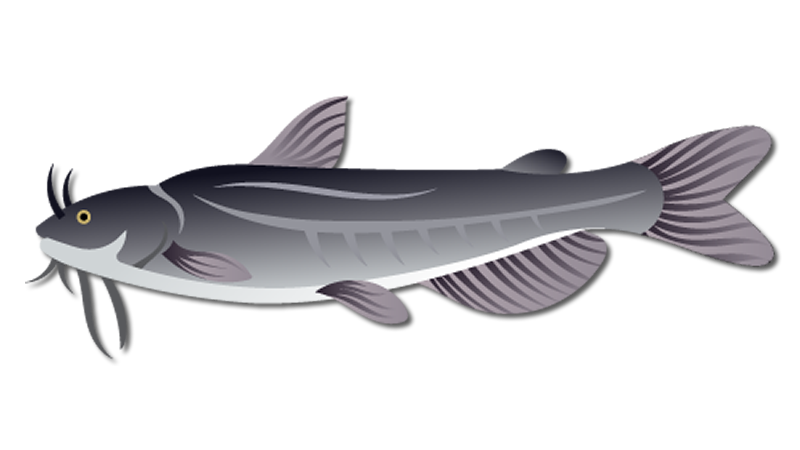
Start with the body shape and fins rather than color alone. A White Catfish usually has a gray, slate-blue, or blue-black back and sides with a pale belly. The chin barbels are normally white or yellow. Color can change with water clarity, age, and habitat, so a light-colored catfish is not automatically this species.
The tail is moderately forked. It has more separation between the lobes than a bullhead’s nearly square tail, but it is less deeply forked than the tail of a Channel Catfish or Blue Catfish. The anal fin is relatively short and has a rounded outer edge. The Florida Museum describes 22 to 25 anal-fin rays, a useful technical check when photographs or body color are inconclusive.
Is “White Humpback Catfish” a Different Species?
No recognized freshwater species is formally named the white humpback catfish. The phrase likely describes the White Catfish’s deep, stocky body and raised shoulder area. Confirm an identification with the moderately forked tail, rounded anal fin, pale chin barbels, and overall proportions instead of relying on a nickname.
White Catfish vs Channel Catfish
These fish overlap in many rivers and reservoirs, but several details separate them:
- Tail: White Catfish have a shallow to moderate fork. Channel Catfish have a distinctly deeper fork.
- Anal fin: White Catfish have a shorter, rounded anal fin. Channel Catfish also have a rounded anal-fin edge, but the fin is longer.
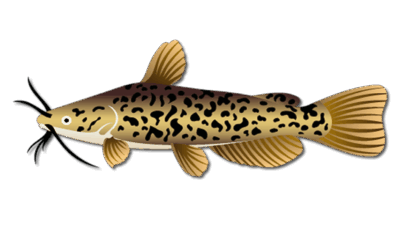
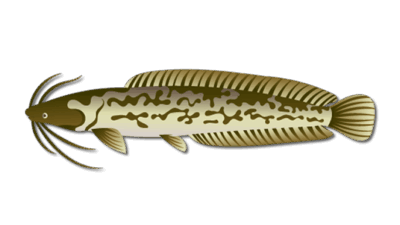
- Body pattern: Young Channel Catfish often show scattered dark spots. White Catfish are usually unspotted or mottled.
- Body shape: White Catfish are generally shorter and stockier through the head and shoulders.
- Chin barbels: White Catfish typically have white or yellow chin barbels.
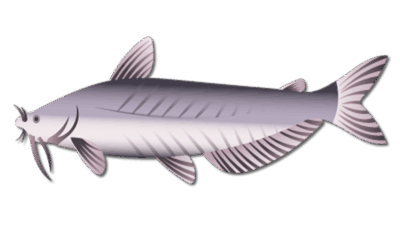
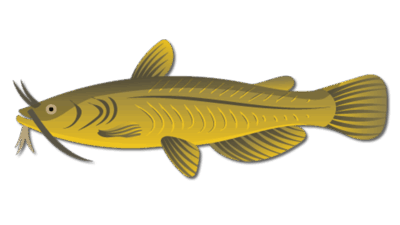
A Blue Catfish usually has a deeply forked tail and a longer anal fin with a straighter outer edge. A bullhead catfish has a squarer tail and a more rounded overall profile. Identification matters because local regulations, records, and biological reporting depend on the correct species.
How Big Do White Catfish Get?
The Florida Museum reports a maximum length of about 24.25 inches. Most fish caught by anglers are smaller, but productive rivers and reservoirs can produce heavy adults. Florida’s official state record is 18.88 pounds, and the FWC Big Catch threshold is 22 inches or 5 pounds.
Weight varies with body condition, season, and available forage. A thick fish may appear unusually large for its length, which may help explain the “humpback” search description. Measure total length with the mouth closed and the tail pinched according to the rules of the record or recognition program being used.
Native Range and Florida Distribution
White Catfish are native to Atlantic and Gulf Slope drainages from the lower Hudson River south through peninsular Florida. They have also been introduced outside that native range. The USGS Nonindigenous Aquatic Species database documents occurrence records and introduced populations.
In Florida, the species occurs statewide in rivers and streams and can tolerate slightly brackish coastal water. That tolerance distinguishes it from many strictly freshwater fish and helps it use tidal rivers, lower river reaches, and connected backwaters. Distribution does not mean every water body holds a strong population, so local sampling reports and recent fishing knowledge remain valuable.
Habitat and Feeding Behavior
White Catfish favor sluggish pools, open channels, backwaters, lakes, and impoundments. Mud or soft bottom is common in their habitat, but nearby wood, undercut banks, bridge pilings, channel bends, and depth changes can concentrate fish. In tidal water, current seams and channel edges can be especially productive.
They are opportunistic feeders. Fish are an important part of the diet, along with aquatic insect larvae, small crustaceans, fish eggs, and plant material. White Catfish feed after dark but may be more active during daylight than some other catfish. Cloud cover, stained water, moving water, and low-light periods can improve shallow feeding activity.
Spawning and Seasonal Movement
Spawning generally occurs as water warms in spring and early summer. Adults use cavities, protected banks, woody cover, and other sheltered sites for nests. Seasonal timing varies by latitude and water temperature, so a fixed calendar date is less useful than local conditions.
Before spawning, fish may move from deeper winter areas toward protected shallows and tributary zones. After spawning, many return to channels, bends, submerged cover, and feeding areas with reliable current or forage. During colder periods, slower presentations near deeper holes are usually more efficient.
How to Catch White Catfish
White Catfish respond well to natural bait presented close to the bottom. The Florida Fish and Wildlife Conservation Commission identifies live minnows and worms as common choices and notes that cut bait and prepared bait also catch fish.
Best Baits
- Live minnows where legal
- Nightcrawlers and other worms
- Fresh cut bait matched to local forage
- Shrimp in freshwater or slightly brackish systems where permitted
- Prepared catfish bait for numbers of fish
Simple Rigs
A sliding sinker rig allows a fish to move with the bait before feeling the weight. Use enough sinker to hold bottom, then add a swivel, abrasion-resistant leader, and a circle hook sized to the bait. In moderate current or around cover, a short leader keeps the bait near the strike zone. A float rig can suspend bait above soft bottom, vegetation, or shallow wood.
Where and When to Fish
Begin around channel bends, creek mouths, bridge pilings, woody cover, backwater entrances, and flats beside deeper water. Fish slowly enough to keep bait in productive water, but move when an area shows no bites or signs of forage. Dawn, dusk, and night are dependable periods, while overcast days and moving tidal water can extend the bite.
Handling and Florida Regulations
All catfish have stiff dorsal and pectoral spines that can cause puncture wounds. Control the fish behind the pectoral spines, keep fingers away from the spine tips, and use pliers to remove hooks. Support larger fish horizontally when photographing and releasing them.
Fishing rules and licensing requirements can change. Check the current FWC freshwater regulations before fishing in Florida, and follow any water-specific rules. Never move live fish between water bodies.