
Best Seller
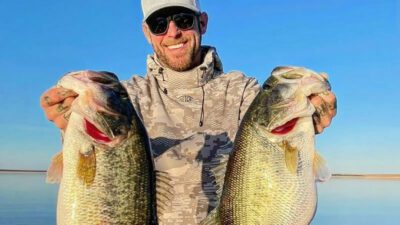
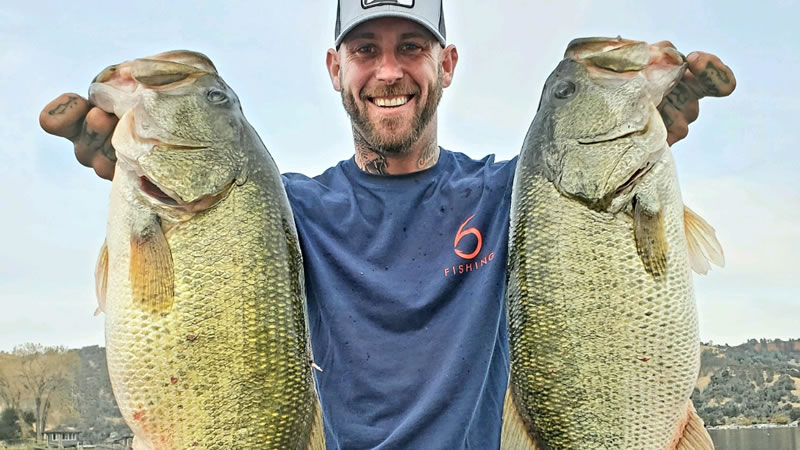
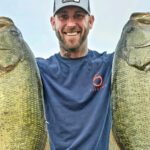
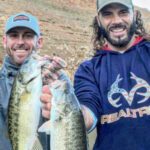
Verified upcoming fishing trips are available for Clear Lake. View the available trip option below.
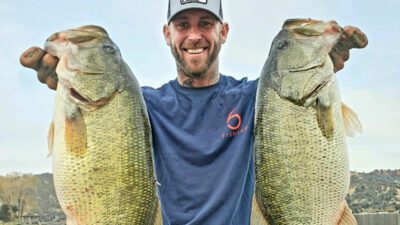
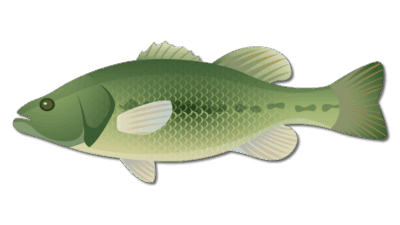
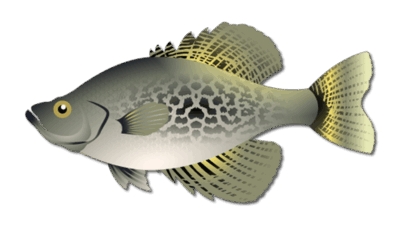
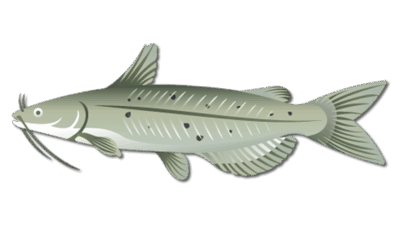
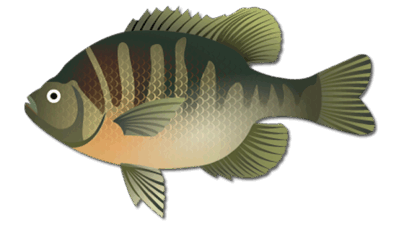
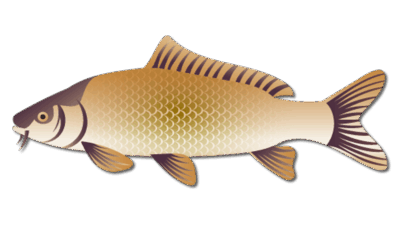
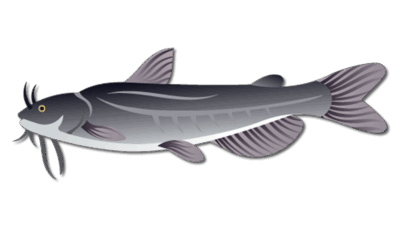
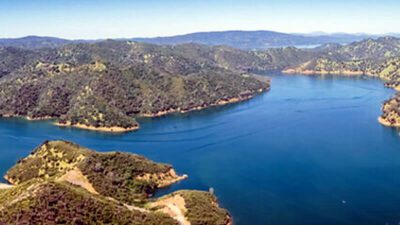
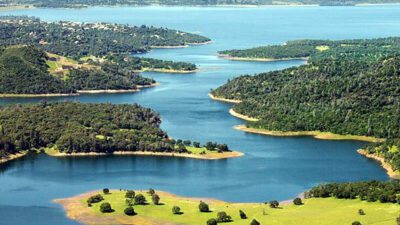
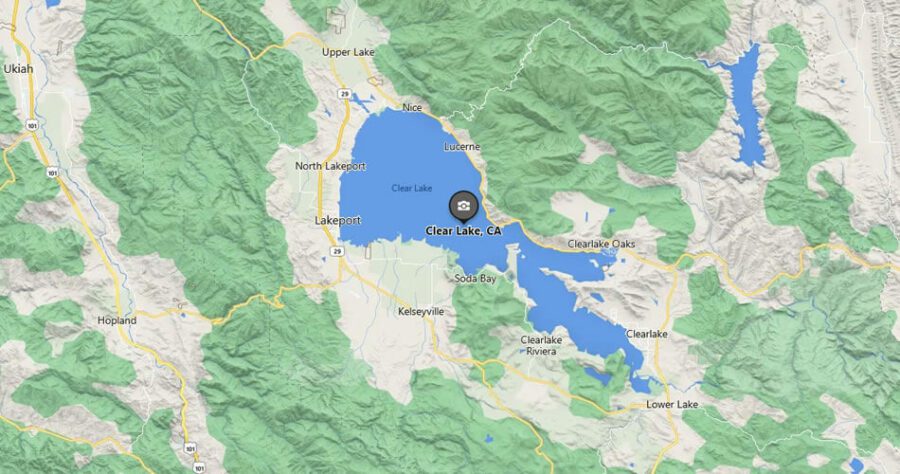
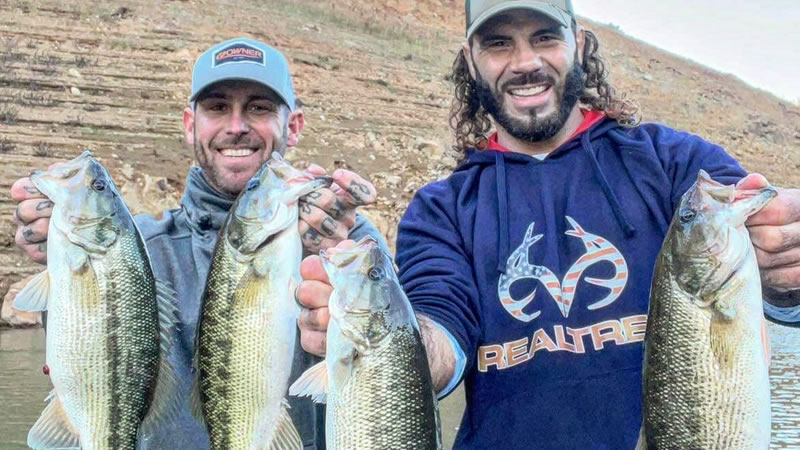
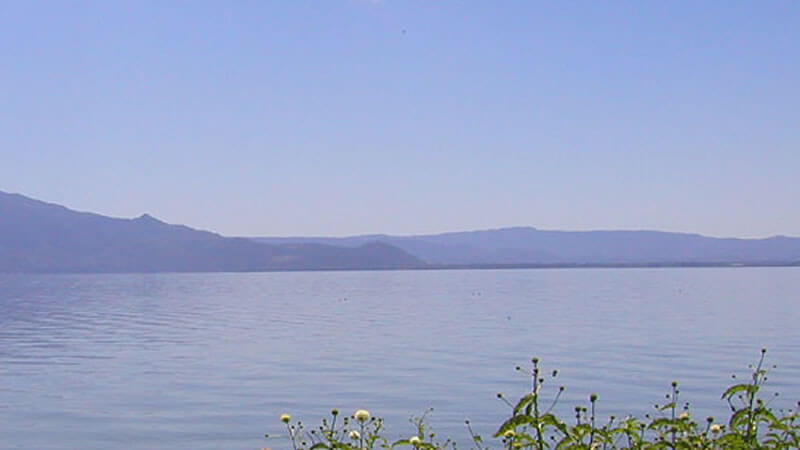
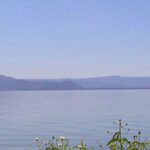
Clear Lake in Lake County is California’s largest natural freshwater lake located entirely within the state. At full lake, Lake County reports about 43,790 surface acres, giving anglers an unusually broad mix of shallow flats, tule-lined banks, docks, creek mouths, offshore rock, and open-water structure. The lake is best known for largemouth bass, while crappie, bluegill, and channel catfish add dependable variety.
Clear Lake does not fish like one uniform body of water. Its north end is generally shallower and more vegetation-oriented, while the Narrows and southern basin add steeper banks, rock, points, and deeper structure. A productive plan begins by choosing the zone that matches the season, wind, water level, and recent water temperature instead of trying to cover the entire lake in one day.
Clear Lake combines fertile water, extensive shoreline cover, and multiple forage options. Bass can use tules, submerged vegetation, docks, rock, creek channels, and offshore breaks during the same season. That variety lets anglers fish reaction baits when fish are active and change to slower bottom-contact or finesse presentations when pressure or weather makes the bite less predictable.
California State Parks identifies largemouth bass, crappie, bluegill, and channel catfish as major sportfish in the lake. The park also notes Sacramento blackfish, Sacramento perch, hitch, and other species in the broader fish community. The Clear Lake Hitch is a protected native fish and is not permitted to be harvested.
Spring is the headline season for Clear Lake bass fishing. As the lake warms, bass move from staging water toward creek mouths, protected bays, tule edges, docks, and shallow flats. Jerkbaits, spinnerbaits, bladed jigs, swimbaits, soft plastics, and jigs help cover both prespawn routes and shoreline cover. Cold fronts can push fish back to the first nearby break, so it pays to keep one shallow presentation and one slower staging-water option ready.
Summer often starts with a low-light topwater or frog opportunity around vegetation and shade. After the sun rises, docks, outside weed edges, points, and offshore rock become more important. Crankbaits, jigs, Texas-rigged plastics, and drop-shot rigs let anglers work different depths without abandoning the productive zone. Clear Lake is large and exposed, so changing wind can quickly affect boat positioning and the safest route across open water.
Cooling water can pull baitfish and bass into coves, creek channels, and transition areas. Crankbaits, jerkbaits, spinnerbaits, swimbaits, and compact jigs are useful for locating fish, while finesse rigs can clean up after a reaction bite slows. Fall patterns can change from one end of the lake to the other, making recent water temperature and clarity more useful than a lake-wide generalization.
Winter fishing rewards patience and precise depth control. Bass may hold near rock, points, channel swings, and offshore structure, especially in the southern portion of the lake. Jigs, drop-shot rigs, shaky heads, and slowly worked reaction baits can all produce during limited feeding windows. Stable weather and an afternoon warming trend may be more important than covering large amounts of water.
These areas are useful starting zones, not guaranteed spots. Lake level, wind, vegetation growth, water clarity, and boat traffic can change which part of a zone is productive.
A guided trip can shorten the learning curve on a lake this large. Browse Clear Lake fishing guides to compare available trips and fish with a captain who can match the day’s conditions to the right end of the lake.
A useful Clear Lake fishing report should provide more than a simple “good” or “slow” rating. Before choosing a launch or lure, look for:
Clear Lake is more than a bass destination. Crappie often concentrate around docks, brush, vegetation, and suspended offshore schools; small jigs and minnows are common choices. Bluegill and other sunfish provide accessible action around shallow cover, especially during warmer months. Channel and white catfish use coves, channels, points, and deeper water near feeding flats, while common carp are widespread.
Fish location changes throughout the year, so depth and cover matter more than a fixed list of spots. Shore anglers can focus on legal public access around parks and developed waterfronts, while boat anglers can move between shallow and offshore patterns more efficiently.
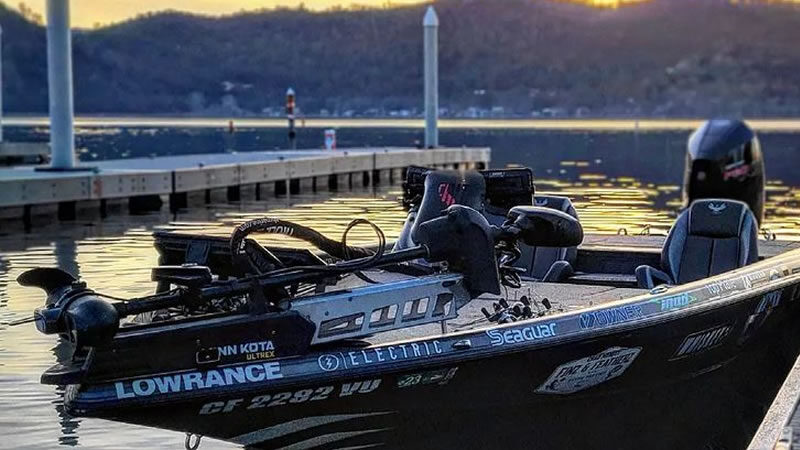
Clear Lake State Park’s public boat ramp is at 5300 Soda Bay Road in Kelseyville. California State Parks lists trailer parking, boarding floats, restrooms, a fish-cleaning station, and other visitor services. Facility hours, water level, maintenance, and parking conditions can change, so confirm details before towing to the ramp.
Lake County requires screening and a current county mussel sticker for registered or trailered vessels launched in county waters. Canoes, kayaks, car-top boats, float tubes, and certain other small nonmotorized craft are listed as exempt, but boaters should review the current Lake County invasive-mussel requirements before arrival. Clean, drain, and dry every boat and piece of wet equipment between water bodies.
Review the latest California freshwater fishing regulations before a trip because seasons, methods, and possession rules can change. The Clear Lake Hitch is threatened under California law and may not be harvested.
California’s Office of Environmental Health Hazard Assessment maintains a Clear Lake fish-consumption advisory based on mercury. Recommendations differ by species and by the age or sex of the person eating the fish; consult the current chart rather than relying on a general rule. Harmful algal blooms may also occur. Follow posted notices and check California’s HAB portal before swimming, allowing pets into the water, or keeping fish for the table.
Clear Lake rewards anglers who narrow the lake before they launch. Choose a north-end shallow-cover plan or a Narrows/south-end structure plan, rig both reaction and finesse options, and leave room to adjust for wind and water clarity. For visitors who want local boat positioning, tackle, and seasonal knowledge included, a guided Clear Lake bass trip is the most direct way to spend more time fishing and less time searching.
| Species | Jan | Feb | Mar | Apr | May | Jun | Jul | Aug | Sep | Oct | Nov | Dec |
|---|---|---|---|---|---|---|---|---|---|---|---|---|
| Largemouth Bass | 🔥 Hot | 🔥 Hot | 🔥 Hot | ✅ Good | ✅ Good | ✅ Good | 🔥 Hot | 🔥 Hot |
No targeted species marked for Jan.
No targeted species marked for Feb.
No targeted species marked for Nov.
No targeted species marked for Dec.