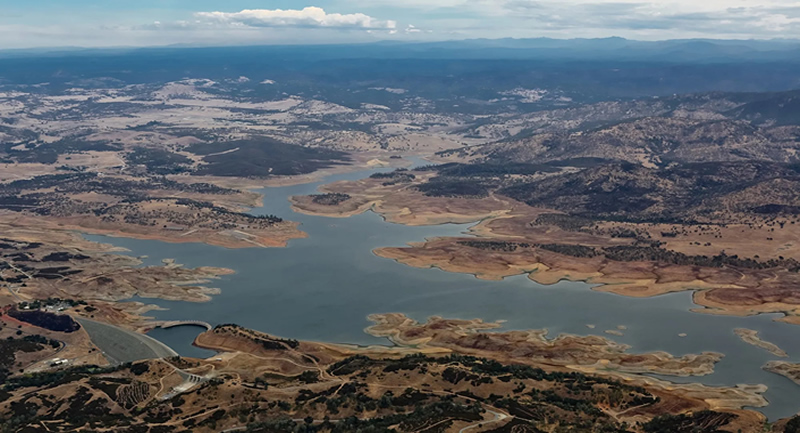
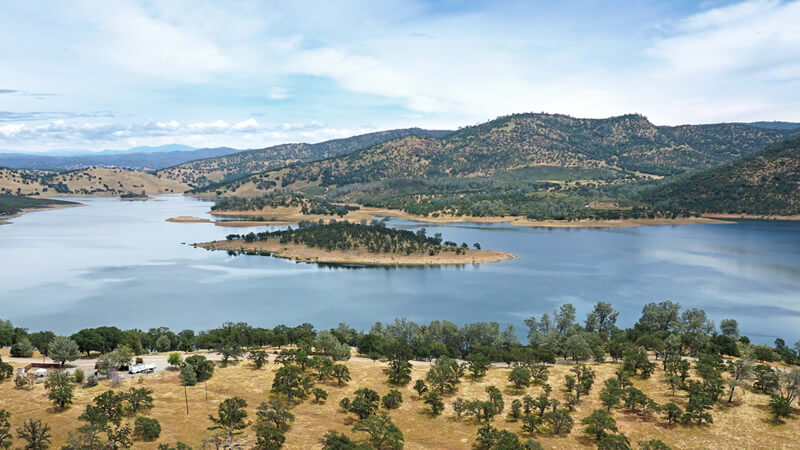
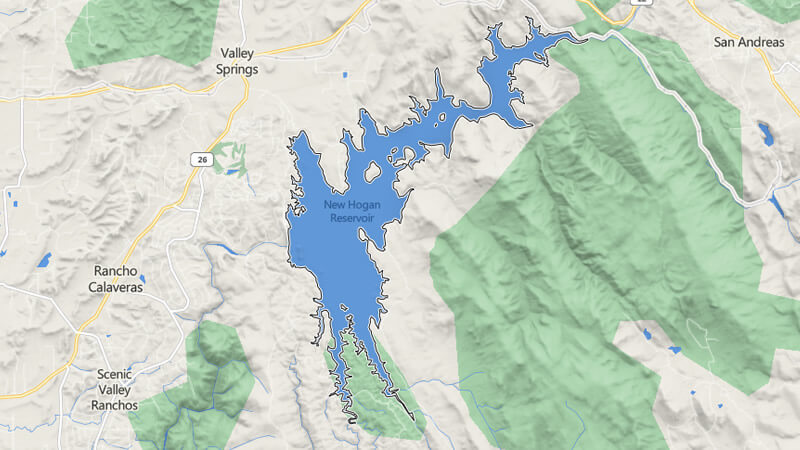
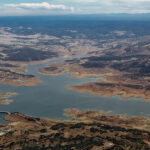
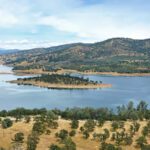
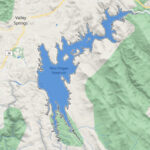
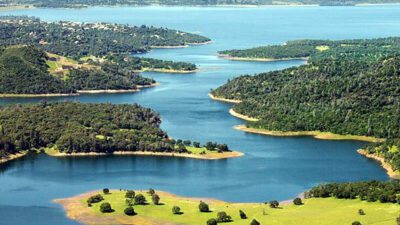
New Hogan Lake is a foothill reservoir on the Calaveras River near Valley Springs, about 30 miles east of Stockton. The U.S. Army Corps of Engineers lists 4,333 water acres and about 50 miles of shoreline when the reservoir is full, giving anglers a mix of open water, long points, creek arms, rocky banks and sheltered coves.
The lake is best known as a striped-bass destination, but it also supports black bass, crappie, channel catfish and bluegill. Water level, forage location, wind and season can change the bite quickly, so the strongest plan is to cover water until you find active fish rather than relying on one permanent “best spot.”
Why Anglers Fish New Hogan Lake
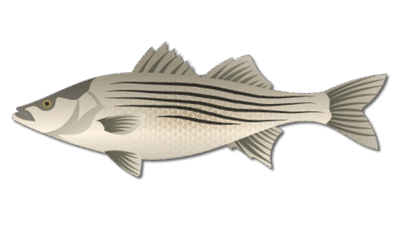
Striped bass are the signature draw. They may roam the main basin, suspend over deeper water or push forage toward points and coves. Trolling and searching with electronics can help locate scattered schools; when fish are visibly feeding, casting moving baits can be effective. Regulations and conditions change, so confirm the current rules before choosing tackle or deciding what to keep.
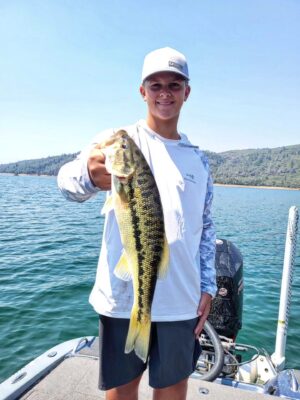
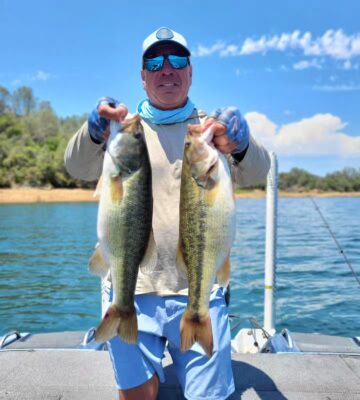
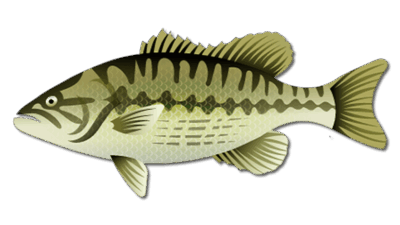
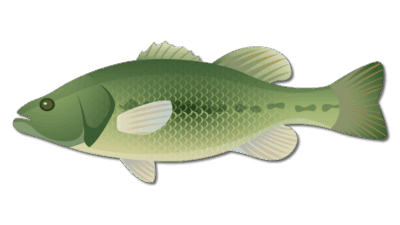
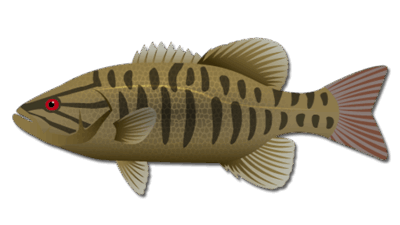
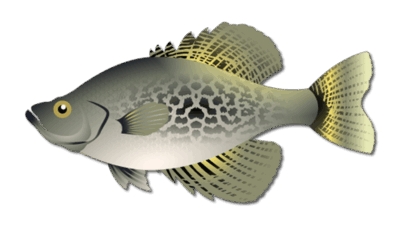
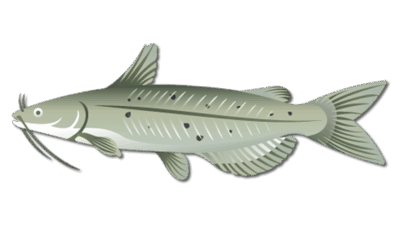
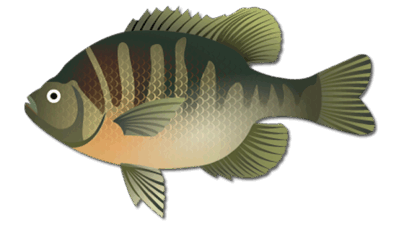
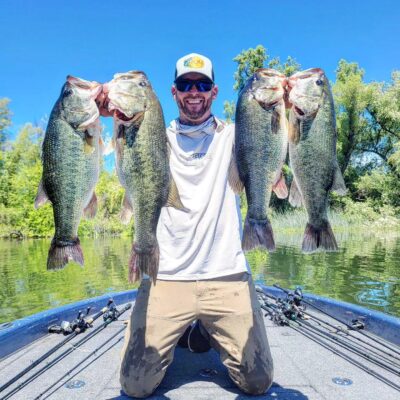
The reservoir also offers a varied black-bass fishery. Spotted bass, largemouth bass and smallmouth bass can relate to points, rock, creek channels and changing shoreline cover. Crappie and bluegill commonly use sheltered structure, while channel catfish give anglers another option around coves, flats and deeper breaks.
Seasonal Fishing Patterns
Spring
Warming water usually expands the number of productive zones. Bass move toward transition banks, secondary points and protected pockets, while striped bass may be found around bait in the main lake or near major structural changes. Wind can improve feeding activity, but boat position and safe handling matter when the foothill weather changes.
Summer
Early mornings and evenings are generally the most comfortable times to search. Bass often use shade, steeper rock and deeper edges after the sun rises. Striped bass may suspend or follow forage over open water, making depth control important. Channel catfish can provide a productive alternative in warmer conditions.
Fall and Winter
Cooling water can concentrate forage and renew the striped-bass bite. Search main-lake points, creek mouths and open-water bait activity rather than assuming fish remain in yesterday’s location. During colder periods, slower presentations and careful depth changes can be more consistent for black bass.
Where to Start
Coyote Point, Fiddleneck, Wrinkle Cove and the reservoir’s major points are practical reference areas, not guaranteed fishing spots. Begin with wind, water clarity and visible forage. On calm days, electronics can shorten the search for suspended striped bass. For black bass, work a deliberate route that includes points, rock transitions and protected cover at several depths.
Bank anglers should focus on legal public access and avoid steep or unstable shoreline. Reservoir levels can expose rock, mud and abrupt drop-offs, so conditions at the water’s edge may differ from maps or older reports.
Boating, Access and Invasive-Species Checks
The U.S. Army Corps of Engineers New Hogan Lake page is the best source for current ramps, day-use areas, facility notices and contact information. The Corps also posts current invasive-mussel precautions. Arrive with the boat clean, drained and dry, and allow time for any required inspection before launching.
Do not rely on an old fishing report for ramp or campground status. Water levels, maintenance, fire restrictions and seasonal operations can change. Check the official project notice and your reservation details shortly before travel.
Fishing Licenses and Regulations
Anglers must follow current California fishing-license and inland sport-fishing rules. Review the California Department of Fish and Wildlife freshwater regulations before the trip, including the latest striped-bass and black-bass limits that apply on the date you fish. Rules can be revised during the year, so the state source takes priority over summaries and older reports.
Camping and Trip Planning
New Hogan’s recreation areas make it possible to combine fishing with camping, picnicking and boating. Recreation.gov provides official reservation and facility details. Verify which campground, ramp or day-use area is operating before departure, especially when planning a boat-in stay.
For first-time visitors, build the day around launch logistics, wind and the species you want to target. A guide can reduce search time and help match presentation, depth and equipment to the current pattern. Browse New Hogan Lake fishing guides for current availability.
Nearby Area
Valley Springs is the closest community named in the official project information, while Stockton is the nearest established Bass Online destination page and lies about 30 miles west of the lake. Confirm fuel, food and lodging stops before heading into the recreation area, where mobile service and operating hours may vary.