
Best Seller

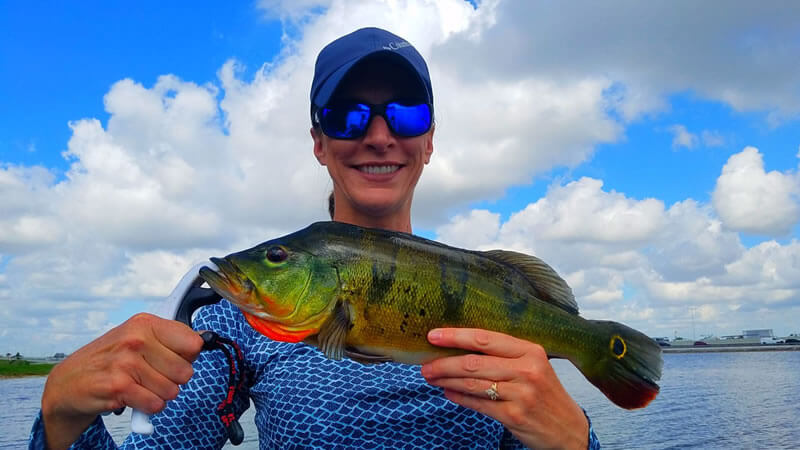
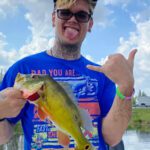
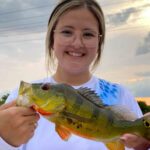
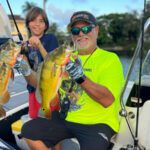
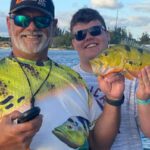
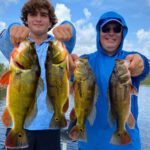
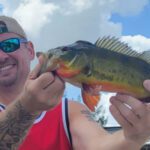
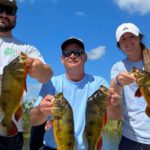
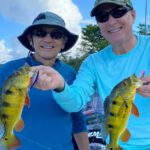
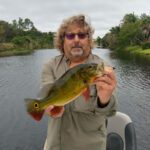
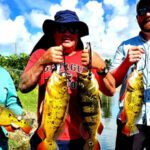
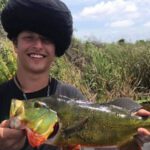

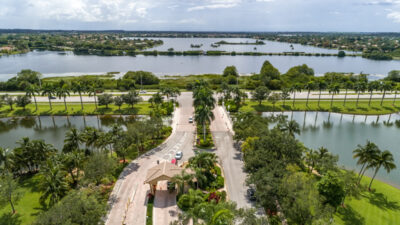


The Tamiami Canal sits in the middle of Miami-Dade County. It drains eastward from Water Conservation Area III. Then it passes through Miami International Airport to a non-navigable salinity-control structure that prevents saltwater intrusion from the Atlantic Ocean. The Tamiami Canal offers excellent freshwater fishing across more than 27 miles of accessible canals and small lakes. The channel ranges from 40 to over 100 feet wide, averages about 8 feet deep, and some lakes are more than 50 feet deep.
The lakes near Miami International Airport are often noisy and congested on weekends, but this area can be avoided by traveling west. From the boat ramp, it is 3.0 miles to the Coral Gables Canal entrance, 4.8 miles to the lateral canal connecting to McDonald Lake. Another 7.6 miles to the intersection with Snapper Creek, immediately east of the Turnpike Extension. The non-navigable flood control structure on the Tamiami Canal near Krome Avenue is approximately 13 miles from the boat ramp. The combination of the Tamiami and Snapper Creek canal systems provides urban anglers with more than 43 miles of exciting fishing opportunities.
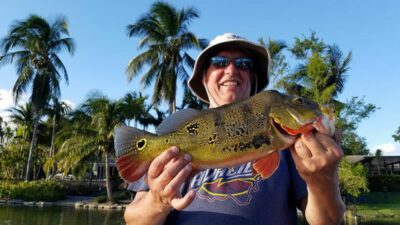
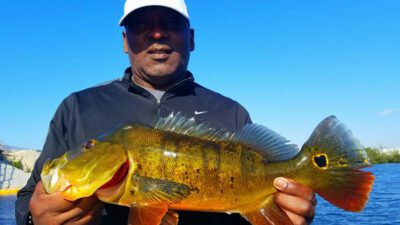
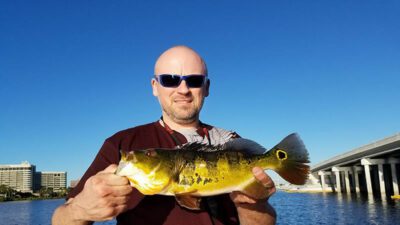
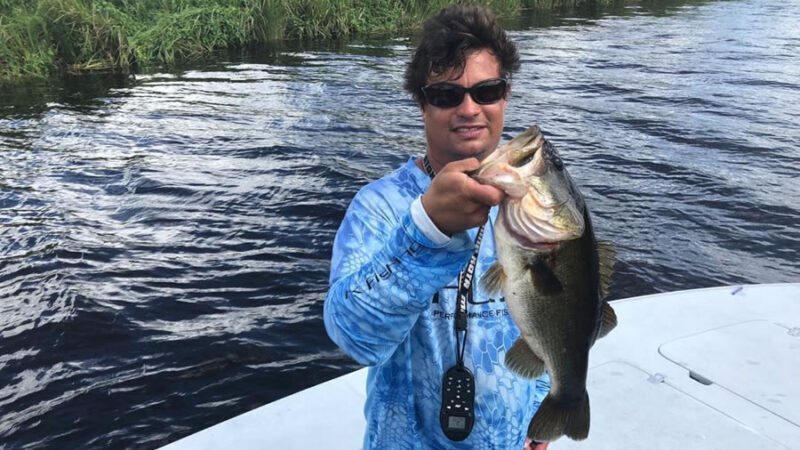
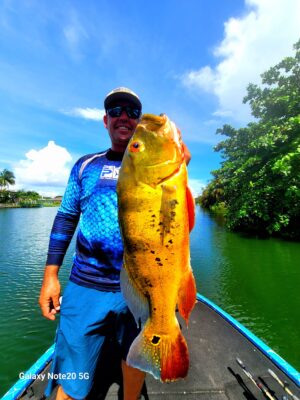
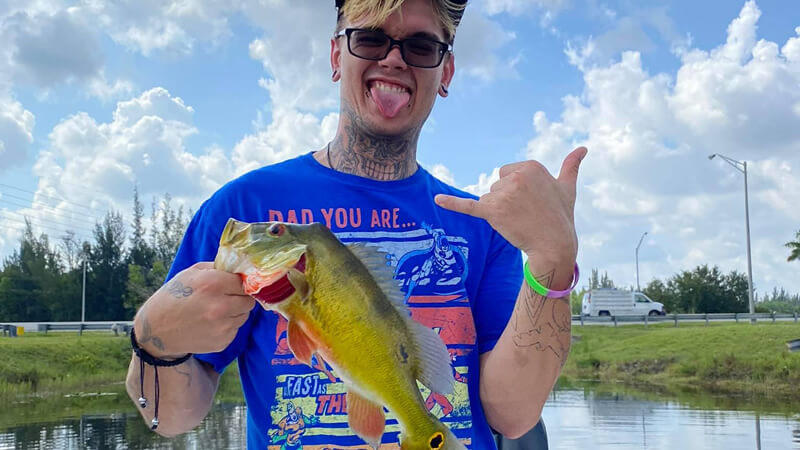
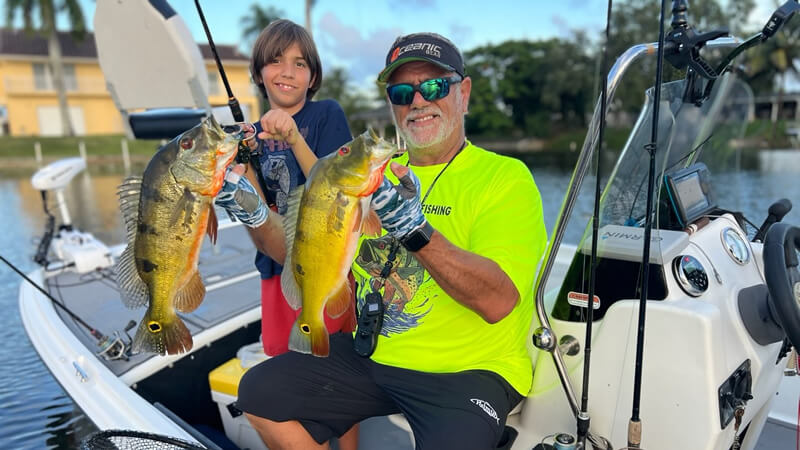
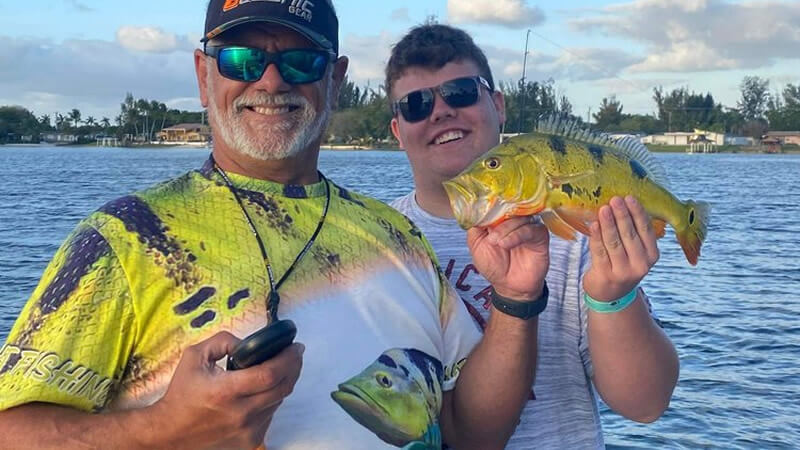
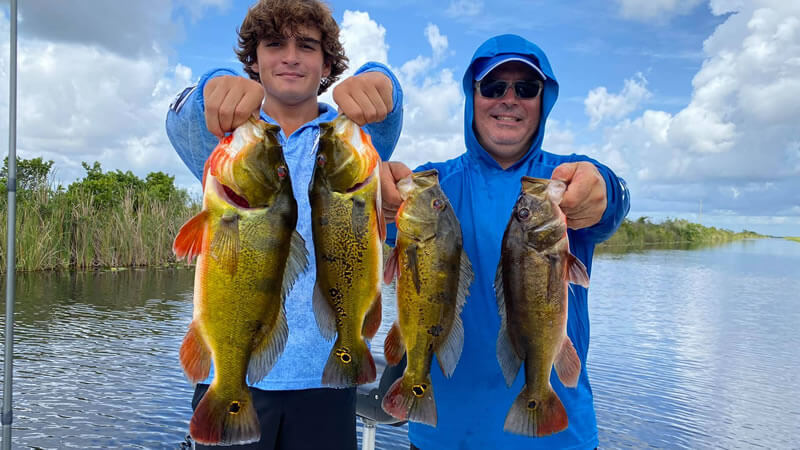
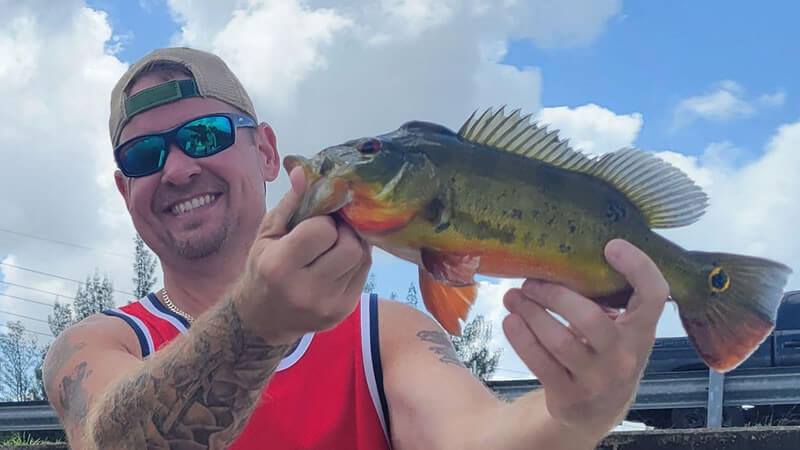
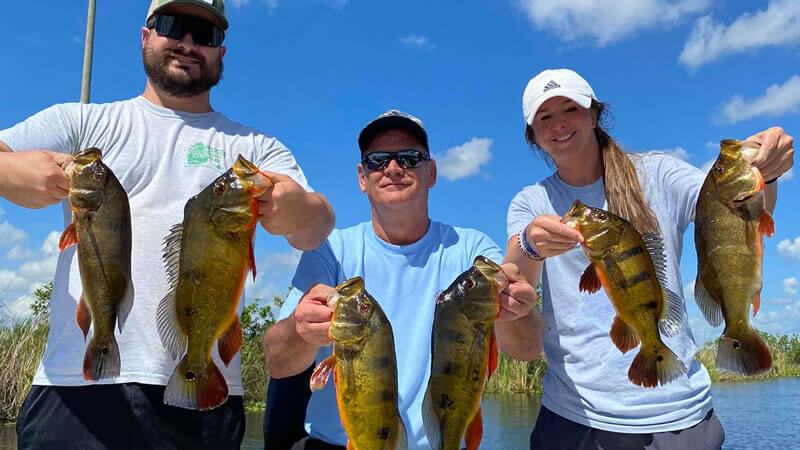
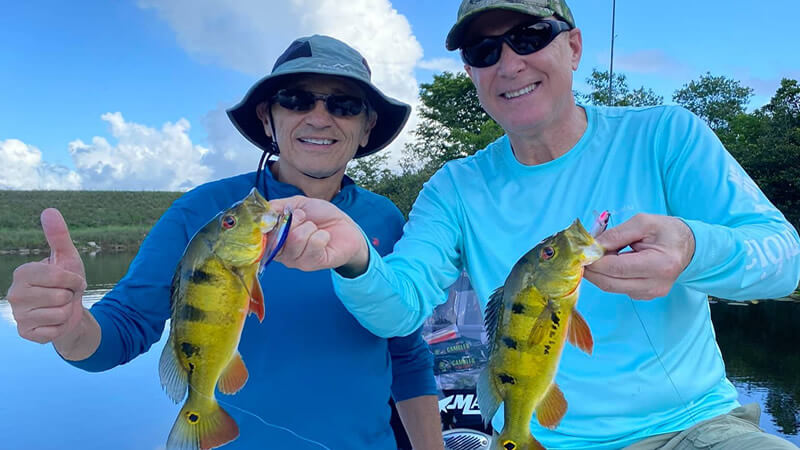
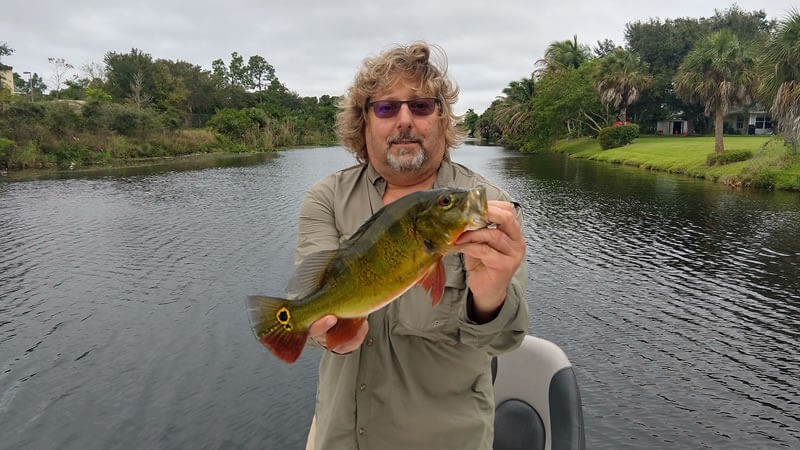
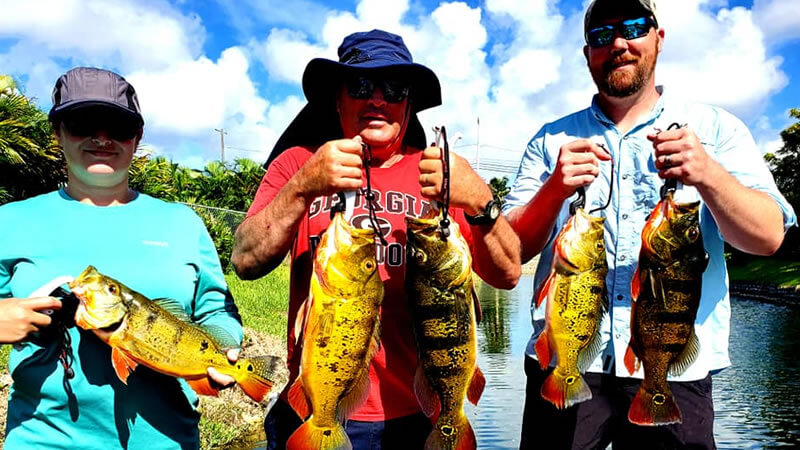
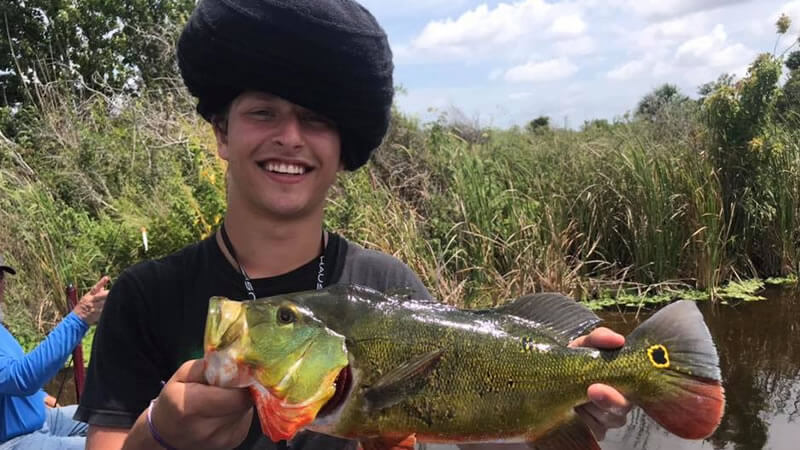
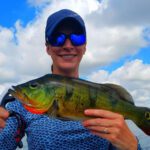
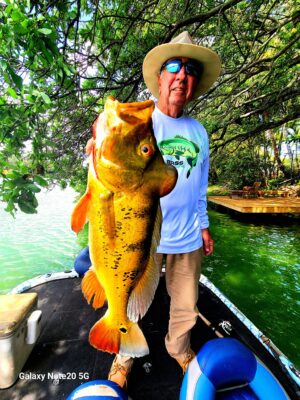
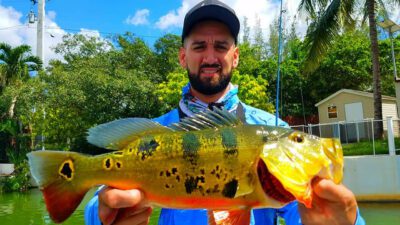
Tamiami Canal offers some of the most exciting and varied canal fishing in southeast Florida. Most anglers have reported canal ‘trifecta,’ or ‘grand slam’ catches of butterfly peacock and largemouth bass topped off with a snook or even a tarpon. The butterfly peacock is a world-renowned game fish that was successfully introduced in the mid-1980s. The Florida Fish and Wildlife Conservation Commission to eat undesirable exotic fish and provide more sportfishing opportunities for anglers in the metropolitan Miami-Ft. Lauderdale area.
 There are fallen trees throughout the Tamiami Canal, many canal intersections, tons of sharp bends, and dead ends that are generally productive areas for catching most fish species, especially the peacock bass. The Florida Peacock Bass also congregate in the shade of bridges, culverts, and other structures. Shoreline vegetation, rip-rap, and even some residential seawalls (particularly in lateral canals) also provide good fishing opportunities.
Tamiami Canal supports excellent populations of peacock bass and largemouth bass, averaging about 14 inches (1.5 pounds). Nearly 50% of the harvestable butterfly peacock and 40% of the largemouth bass are more massive than this. The biggest butterfly peacock (10 pounds) ever confirmed in Florida came from this canal. The bag limit for butterfly peacock is two fish per day, only one of which can be greater than 17 inches; also, up to five largemouth bass, but only one of these can be greater than 14 inches.
Tamiami Canal Fishing for butterfly peacock is usually best from March through May, but they are caught consistently throughout the year. Butterfly peacock feeds are only during daylight and typically close to shore. However, schooling peacocks will sometimes feed aggressively in open water. Tamiami Canal largemouth bass fishing tends to be best during the winter when the water cools, and early in the morning, evenings, and even at night during the summer.
If there is a strong current in the central canal, spend more time fishing lateral canals, small lakes, and other areas that offer refuge from the wind (e.g., cut-outs, bridge pilings, and the downstream side of spillways).
Butterfly peacock is more likely to be caught on live bait than largemouth bass, making them an excellent fish for younger anglers and those just learning to bass fish. Live fish, such as small golden shiners purchased at local tackle shops, are the best overall bait for butterfly peacock and largemouth bass. It is illegal to use goldfish or any other non-native fish for bait, except those legally caught and immediately used in the same canal. For those who enjoy fishing with artificial lures, just about any fast-moving minnow imitating plug or fly can entice a peacock.
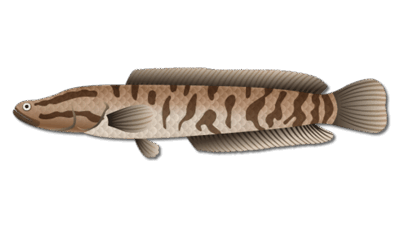
Early in the morning, look for tarpon rolling at the surface, especially in the area just east of Red Road. Snook can be found throughout the canal system but tend to concentrate along vegetated shorelines and under bridges close to lake areas. Another species of angler might catch a northern pike; this fish is found in brackish water. They are long, cylindrical fish with many small, sharp teeth.
The number and quality of panfish over six inches in the Tamiami Canal are about average for area canals. Live worms and crickets are the choice baits for many panfish anglers. Although fresh bread or bread dough works well, is readily available, and costs less. Shoreline anglers will need to explore the best locations for shoreline fishing, and always be sure to park cars safely on public right-of-way.
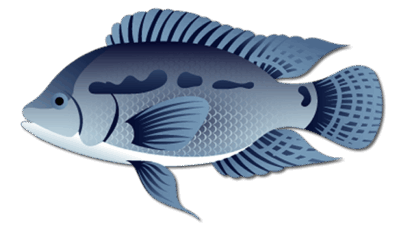
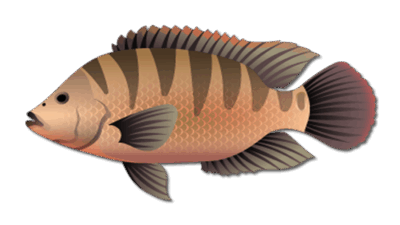
Tamiami Canal anglers might also catch a jaguar guapote from Central America, Oscars from South America, or spotted tilapia from Africa. These exotic fish were illegally released and posed a threat to native species. Jaguar guapotes resemble black crappie (speckled perch) with many small, sharp teeth. Oscars are bream-shaped fish with a red or orange circle at the base of the tail. They have a thick coat of protective mucus on their bodies. Spotted tilapia are also bream-shaped, golden in color with black spots or bars, and some adults have red. These exotic fish are good to eat, and you can keep all the ones you catch.
Tamiami and other area canals cannot withstand much fishing pressure. So we encourage anglers to release most butterfly peacock, largemouth bass, snook, and tarpon they catch. If anglers don’t practice catch and release most of the sportfish they see, these high-quality fisheries will deteriorate rapidly.
Suppose you want to catch big fish and fish where big Peacock bass are! In South Florida, the Tamiami Canal is prime waters for the elusive Florida Peacock bass. Many catch in the 4 to 7lb range, with the state record being just short of 10 pounds. Join us for the trip of a lifetime. You have earned it!
Our handpicked fishing guides are the best in the area, so you don’t have to. They have fished these Tamiami canals in Florida for more years than any other fishing guide service. No less than 20 years of combined experience in catching trophy peacock bass for our clients. During this time, our team has developed the skills and knowledge. It is necessary to provide you with that fishing trip of a lifetime, no matter the conditions. Ensure your trip will be a safe and memorable one; all of our guides are insured and US Coast Guard licensed captains.
Not only will you fish with a professional guide, but you will also enjoy a delicious meal. All of our Tamiami Canal trips include fully equipped Bass boats, fuel, and tackle—everything you will need for your next trip. The only thing you will need is a Florida fishing license.
Corporate trips are familiar and welcome for us because of our size. We can accommodate your fishing needs from 1 to 100. We can also provide everything from breakfast and box lunches to a southern BBQ to end the day.
Antonio Maceo Park is the only public boat ramp on the Tamiami Canal—operated by the City of Miami Parks and Recreation Department and open from dawn to dusk. The two-lane ramp is paved and in excellent condition. The park has picnic tables, grills, a playground, and a paved parking area, but there are no restrooms.
Note: Manatees are pretty standard, so be careful boating and watch for posted regulations.
To reach the boat ramp, take the Turnpike Extension or I-95 to Hwy 836 (Dolphin Expressway). Take Hwy 836 east from the Turnpike or west from I-95 to Red Road (NW 57th Avenue). Go south on Red Road about 0.5 miles to NW 7th Street, east (left) 0.6 miles to NW 51st Avenue, and Antonio Maceo Park is on the left side just before NW 51st Avenue.
Despite what you may read or hear, the peacock bass started in Miami, Florida, but then expanded to Fort Lauderdale through the canals. Years later, they began to show up in Palm Beach, where they were transported by local anglers and overstocked. The same is true for the west coast of Florida near Naples, where anglers took it upon themselves to transport to keep from driving all the way to Miami.
There have been reports of peacock bass in places like Tampa, Orlando, and Jacksonville, but these are entirely false.
To find the best fishing spots near me, click here!