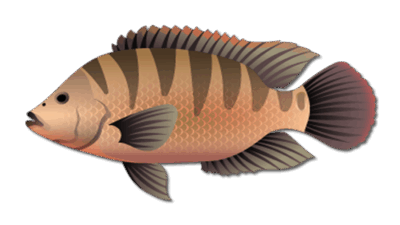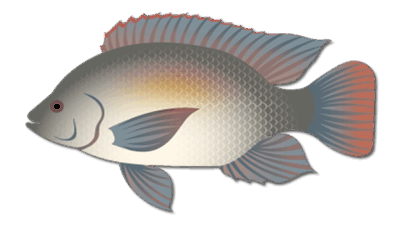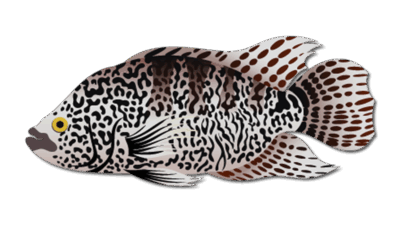








The black acara (cichlasoma bimaculatum) is a family member of cichlids and tilapia, identical to the chanchita genetically. The acara species is a tropical freshwater fish in the family Cichlidae and goes by the names port cichlid, brown acara, two-spot cichlid, and the two-spotted cichlid. The scientific name is black acara cichlasoma bimaculatum.
The chanchita, a South American freshwater fish that has been living in Florida’s rivers for at least two decades, has been regarded by experts as another invader, the black acara.
The black acara cichlid, introduced by the pet trade, has been a famed invader in the Miami, Florida, area since the 1950s and is now widespread throughout South Florida. The introduction to Southeastern Florida was the result of intentional releases and escapes from fish farms.
The black Acara live in creeks, streams, canals, lakes, irrigation ditches, and wet prairies. This species only displays its vivid colors in an optimal, healthy setting.
Black Acara Cichlasoma bimaculatum
Appearance
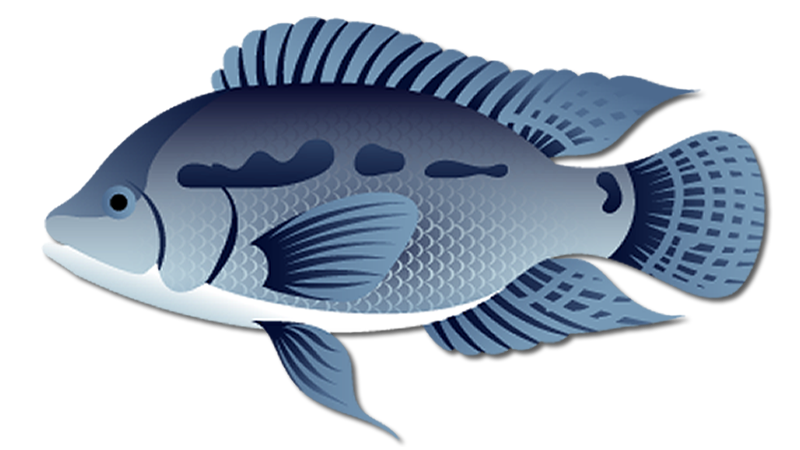
The acara has a wide forebody, a more compressed rear body, and its shape is oval to slightly rectangular. The body is beige to tan, the caudal or tail fin is spotted symmetrically, and four anal spines are usually present.
A black to green-gray stripe extends across a mid-lateral spot from the eye, extending to the upper caudal-fin base to a black spot. The fading blotch running across its body is its most distinguishable feature.
This species has a tiny and terminal jaw and black rimming around the edges of the scale, but this feature can be absent in some fish.
These fish only display their vibrant color when held in an optimal setting, as opposed to fish kept in a tank in traumatic situations, which may result in a very pale color.
There are some conflicting details about the sexual dimorphism of the black acara fish; the female has the plumpest and ovipositor belly visible, while the male has the most tapering, straight belly during the spawn.
Range
The tropical black acara fish is a resident of equatorial South America, unlike the chanchita. Although the two species appear remarkably similar, the subtropical chanchita doesn’t inhabit waters north of southern Brazil.
Researchers suggest that since the chanchita is more cold-tolerant, it may have a more widespread effect in Florida than the black acara and could endanger native plants in habitats in North Central Florida. It inhabits seven different counties and five other river drainages in Florida, extending well beyond Tampa Bay’s drainage area, where it was first introduced.
Habitat
Black Acaras live mostly in South America in the Orinoco River Basin, located in the Rio Caroni in Venezuela River. They also inhabit the Guianas from the Essequibo River. Typically, Black Acaras live in areas with slow current flows. Places like lakes and canals with a lot of vegetation are like this. They also appear to have a liking for rocky bottoms to blend into for protection from predators.
Size and Diet
Due to its narrow mouth, Black Acaras typically nibble on their food rather than eating it whole. Black Acaras are generally not picky eaters and will eat almost anything.
In the wild, the Cichlidae primarily eat crustaceans, worms, and insects that live in canals or lakes. Black Acaras in home aquarium settings are typically fed fish flakes, bloodworms, and algae on a daily basis.
Acaras average around 4-8 inches long; the maximum length for this species is currently eight inches. They’re tiny and weigh less than 1 lb. The heaviest Black Acara on record was just four ounces.
Reproduction
The spawning location is usually a flat surface, such as logs, gravel, broad-leaved plants, and more rigid plants, including the aquarium’s glass.
The female acara lays the eggs, and the male fertilizes them soon after. Right after the process, the pair takes care of the nest to help oxygenate the eggs, eliminate fungi that are not fertilized or have invaded, and remove any approaching predators. For home aquariums, a separate tank is recommended for breeding, thereby reducing stress for the aquarium community.
The eggs hatch in around 24-48 hours. The fry then feed on the yolk sac in the first 3-5 days after hatching, and begin swimming close to their parents at the end of this time.
Live food can be offered from this point on, according to the size of the young, artemia nauplii, shelled artemia larvae, infusoria, and unique oviparous fry rations. The young isolate from their parents after about a month, or as soon as they avoid showing interest in them.
Sporting Quality
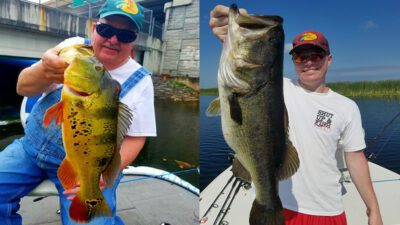
Fishing for acaras and any fish in the family Cichlidae is perfect for kids or anyone learning the sport. This species is small enough to handle but strong enough to keep interested.
A lightweight tackle is best when fishing for black acaras. To find the best spots to catch an acara, look for water bodies containing their favorite food and habitat. Usually, Black Acara love water bodies filled with algae, which they like to eat. Acara’s are known to stay near the fishery’s shallow parts since the deeper areas are likely to have larger predators, such as catfish.
Use the smallest hook possible, then put on a piece of bread, bloodworms, or dough to catch them. They have very light bites, so using a rod that’s light and sensitive enough to detect their bite is essential. Once the acara bites, they’ll start jumping around in the water before you can finally pull them out.
Wait to pull them out until they calm down; lightly drag them through the water and tire them out before bringing them up. Black acaras tend to play possum when caught. Once you remove the hook, ensure you have a firm grip on it. Otherwise, they’ll jump out of your hand.
Cichlid family
Other Names: Cichlasoma bimaculatum