 Guides Wanted
Bear Lake

0 Reviews

Quick Summary
Bear Lake is a 107-acre Fish Management Area near Munson in Santa Rosa County. FWC describes bass, panfish and catfish, a campground ramp and pier, and an electric-motor rule.
Top Fishing Guides on Bear Lake
Guides WantedBear Lake Reviews
Top Target Species on Bear Lake
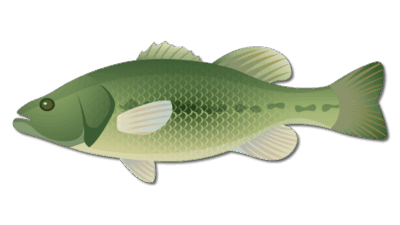
Largemouth Bass
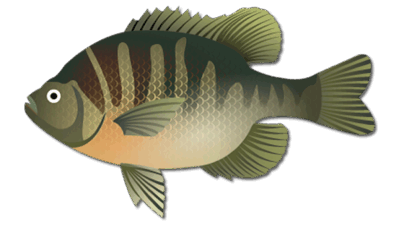
Bluegill
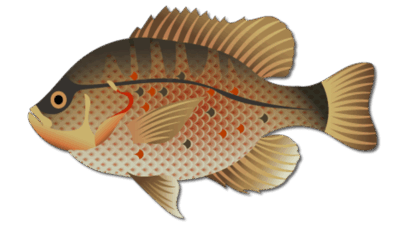
Redear Sunfish
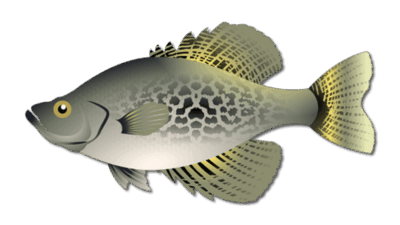
Crappie
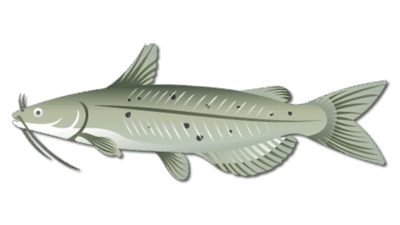
Channel Catfish
Frequently Asked Questions about Bear Lake
Which Bear Lake is this?
The Bear Lake near Munson in Blackwater River State Forest, Santa Rosa County, Florida.
What fish can I catch?
FWC lists largemouth bass, bluegill, redear sunfish, black crappie, hybrid striped bass and channel catfish.
Can I use a gasoline motor?
No. FWC prohibits operating gasoline boat motors on Bear Lake; electric trolling motors are allowed.
Where can I launch or fish from shore?
FWC lists a concrete ramp at Bear Lake Campground and an accessible fishing pier near the ramp.
Do special rules apply?
Yes. Bear Lake is a Fish Management Area; check current FWC limits and campground access before fishing.
Fishing Bear Lake
For access and fishery details, check the FWC Bear Lake forecast and Blackwater River State Forest recreation information. Gasoline boat motors are prohibited; electric trolling motors are allowed. Review current Fish Management Area rules before a trip.
BEAR LAKE (Santa Rosa County)
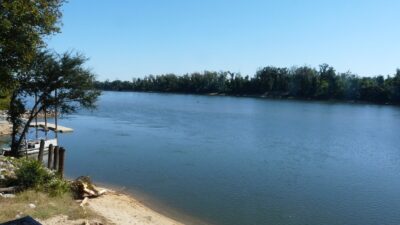
 Bear Lake (Creek) is a 107-acre human-made impoundment constructed in 1959, opened to fishing in 1961, and designated as a Fish Management Area. The lake has an average depth of 8 feet with a maximum depth of 23 feet. The most profound areas are located near the dam and along the old streambed. Beware of a considerable amount of flooded timber, which provides fish habitat and restocks the lake with largemouth bass, bluegill, redear sunfish (shellcracker), black crappie, hybrid striped bass, and channel catfish.
In northeast Santa Rosa County, within the Blackwater State Forest, we find Bear Lake, approximately 2 miles east of Munson, FL, on SR 4. A dual-launch concrete boat ramp is available in the Bear Lake Campground. Ample parking, a handicapped-accessible fishing pier, and an informational kiosk are all situated near this ramp. The Florida Division of Forestry maintains the campground, including bath/restroom facilities and camping and picnic areas. Confirm current campground fees before arrival.
Plan Ahead
FWC lists a campground ramp and fishing pier. Confirm current launch conditions and campground rules. Gasoline motors may not be used on Bear Lake; electric trolling motors are allowed.
Boat Ramp
FWC describes a concrete launch within Bear Lake Campground and an accessible fishing pier. Check the current FWC site information before traveling.
Bear Lake Fishing
Largemouth bass will become more active as water temperatures cool. Dark-colored plastic worms and floater-diver type lures should be among the more productive artificial baits to use along the shoreline or in flooded timber. Rat-L-Traps are also effective, according to numerous bass anglers. Fishing around brush fish attractors can also be very productive, as these sites provide excellent cover. Bullet-shaped buoys mark brush fish attractor sites around the lake. Anglers should be observant of weather patterns during this time of year.
Cold fronts late in the year will often push bass into deeper waters. Warm days following a cold front usually prompt bass to return to shallower habitats to feed, and fishermen will need to adjust their strategies accordingly. Shallow areas adjacent to deeper water drop-offs, where bass can seek refuge during cold periods, can be prime habitat this year. The key to success this time of year is to be observant of conditions and adjust your fishing strategies, lures, and presentations accordingly. We suggest catching bluegill and redear sunfish (shellcracker) using live baits such as red worms, wigglers, and crickets fished on light tackle.
Chase the Pattern, not the Fish.
As with bass, these fish will move between shallow and deep water in response to changing weather patterns. Another productive method for catching bream is to use a small Beetle Spin (1/16 or 1/32 oz.), detach the spinner, and use only the lead-headed jig, preferably with chartreuse-colored grubs—bait with a cricket and fish 3 to 4 feet below the surface. Fishing near fish feeders set up in the lake can usually result in excellent catches of bream. If you are catching a lot of small bream, larger bream can often be found by fishing just a little deeper in the same area. Using the appropriate size hook is also an important factor when fishing for bream. Bream have small mouths, and most bait and tackle stores sell “bream hooks” that are perfect when you are targeting these fish.
Solo Anglers
For fishermen without a boat, fishing off the fishing pier adjacent to the boat ramp can be productive for bream. Crappie and sunfish tend to pick up as water temperatures drop to 70 and below. Earthworms and chicken livers are best for catching Catfish.
Featured Post for Bear Lake