Best Seller
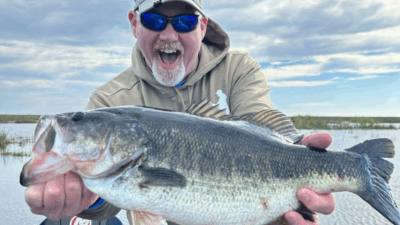

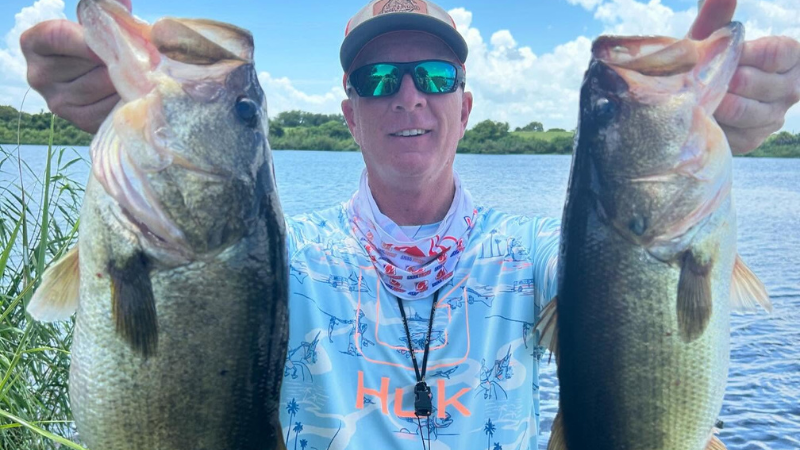
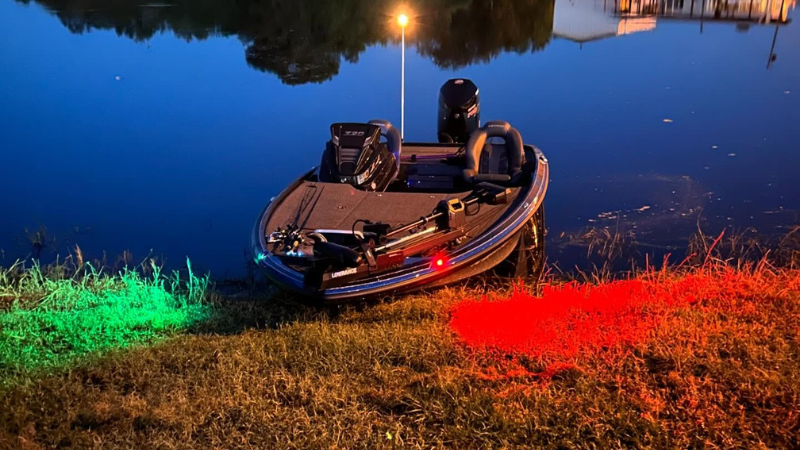
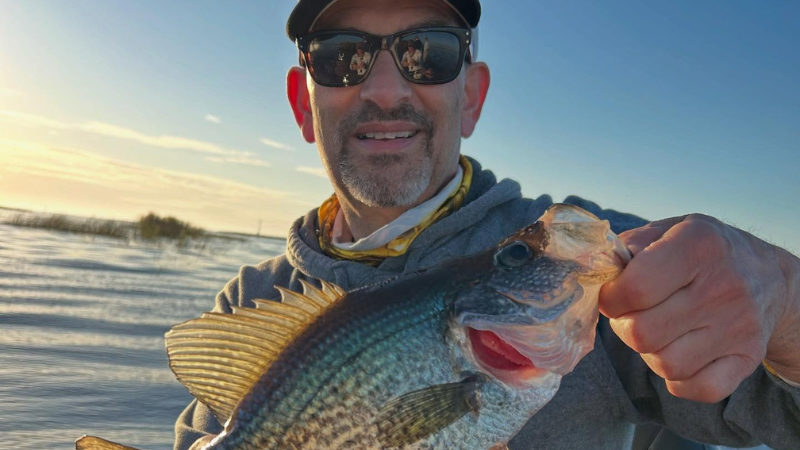
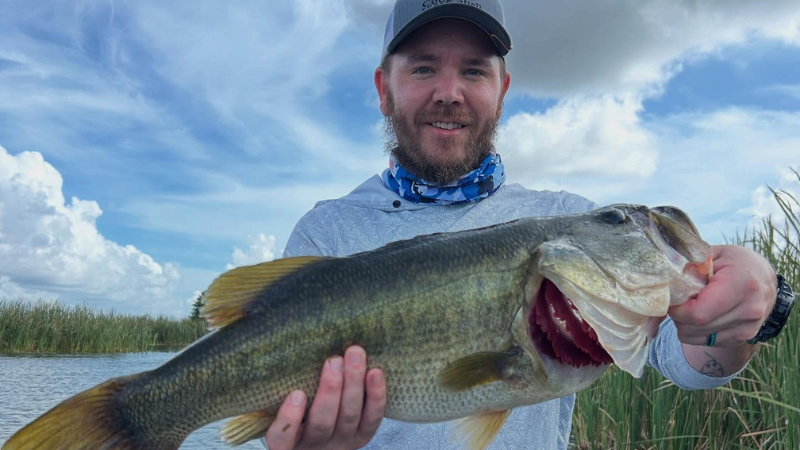
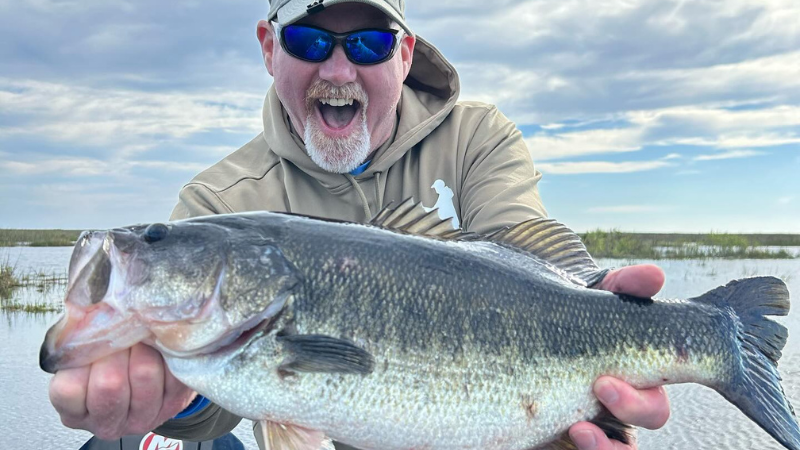
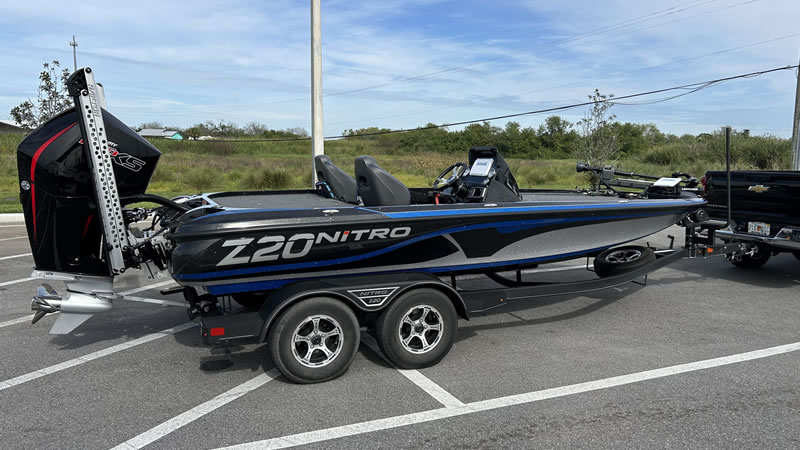
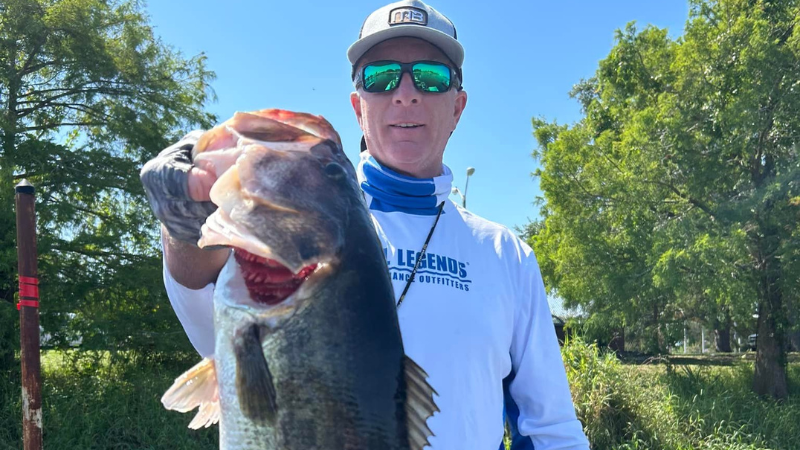
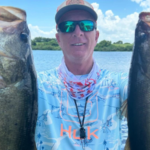
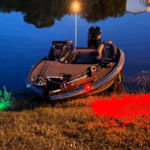
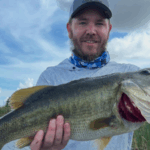
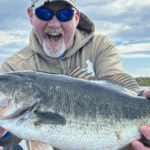
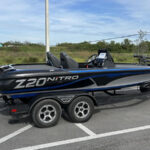
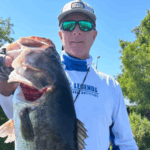
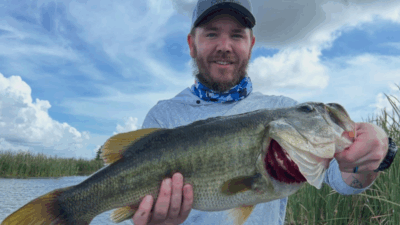

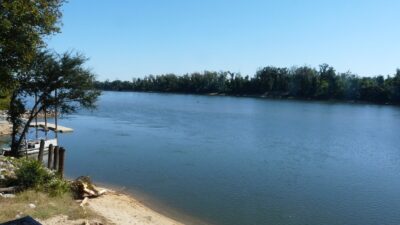
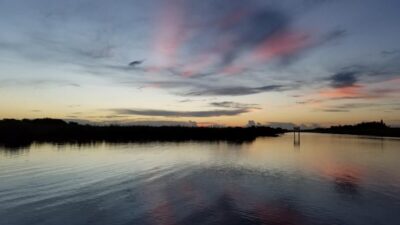
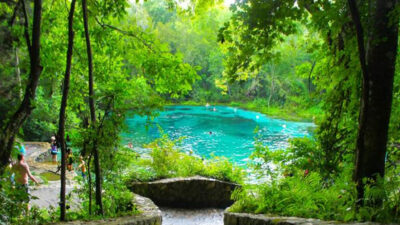
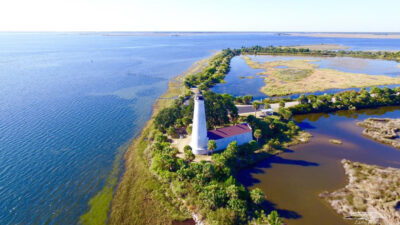
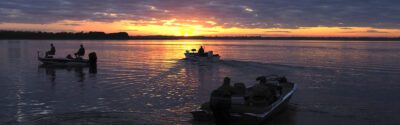
Lake Seminole is a 37,500-acre freshwater reservoir at the Florida-Georgia-Alabama junction. Jim Woodruff Dam impounds the Chattahoochee and Flint rivers where the Apalachicola River begins. This page focuses on Florida-side access, trips from Sneads, and the rules Florida anglers should check before fishing across the state line.
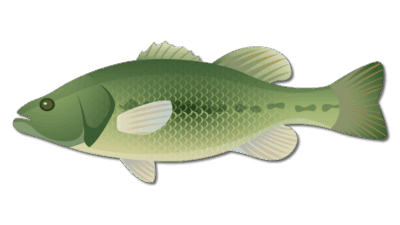
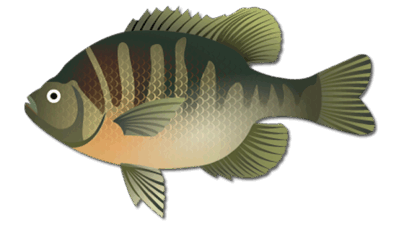
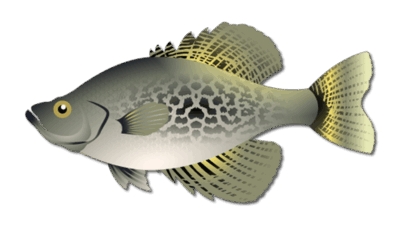
Lake Seminole is one of the Florida Panhandle’s major multi-species fisheries. Extensive grass, flooded timber, creek channels, flats and river structure support largemouth bass, black crappie, bluegill, redear sunfish, sunshine bass and striped bass. For a detailed breakdown of lures, seasonal movement and bass habitat, read the Lake Seminole bass fishing guide.
Florida access is available from Jackson and Gadsden counties. Our Florida meeting point is at 2364 Legion Road in Sneads, and the trip cards above show current four- and six-hour options. Three Rivers State Park provides lake access and camping near the meeting of the Chattahoochee and Flint rivers. Public ramps along the corridor give anglers several ways to reach Florida water.
A four-hour outing can suit families, beginners and travelers with a limited schedule. A six-hour trip provides more time to adjust to weather, fish more than one habitat or pursue multiple species. Tell the booking team about children, accessibility needs and target species before choosing.
Grass edges and flats can be productive during mild weather and low-light periods. Creek channels, ledges, current and deeper structure become increasingly important as water warms or fish leave shallow spawning areas. Crappie and sunfish offer alternatives for groups that want consistent action, while striped and sunshine bass may relate to current, deeper water and forage.
The lake’s flooded timber and vegetation also make navigation more complex than on open water. Use current charts, marked routes and required safety equipment. Check weather before launching and slow down in unfamiliar water.
The states maintain a reciprocal fishing agreement for defined Lake Seminole waters. A valid Georgia or Florida license may be used within the covered boundary, but anglers must understand where the agreement applies and which state’s regulations govern a particular area. The current reciprocal-agreement summary explains the boundary.
FWC lists special Lake Seminole limits, including a 12-inch minimum length and 10-fish daily limit for black bass, plus separate limits for striped, white and sunshine bass, crappie, panfish and pickerel. FWC also notes that Florida statewide rules apply in waters west of Highway 271. Always verify the current FWC Lake Seminole forecast and regulations before keeping fish.
Use this Florida page for Sneads-area access, Florida booking options and FWC guidance. Use the Georgia Lake Seminole page for Bainbridge-area trips, Seminole State Park and broader destination planning. The standalone bass article owns tactics and seasonal strategy, keeping all three pages useful without asking them to rank for the same job.