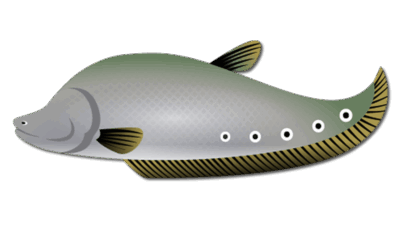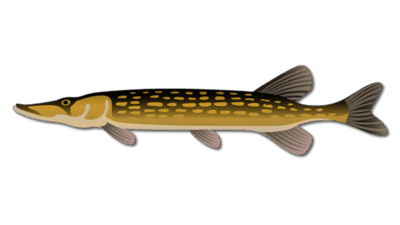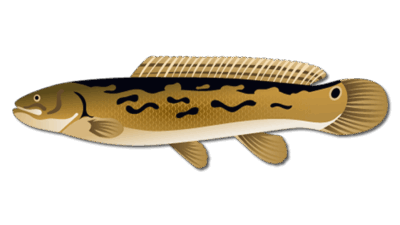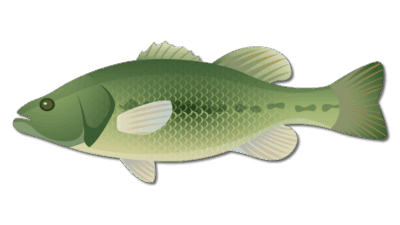















Description: Other Names: Giant snakehead, Great snakehead, Cobra snakehead, Indian snakehead, Giant murrel or Channa marulius
There are two species of snakehead fish in Florida, the northern snakehead and the bullseye snakehead. The northern snakehead is rarely reported in the state, while the bullseye is typical in South Florida, especially in the freshwater areas between Pompano Beach and Margate. They are unique freshwater fish that can survive for multiple days on land due to their ability to breathe air.
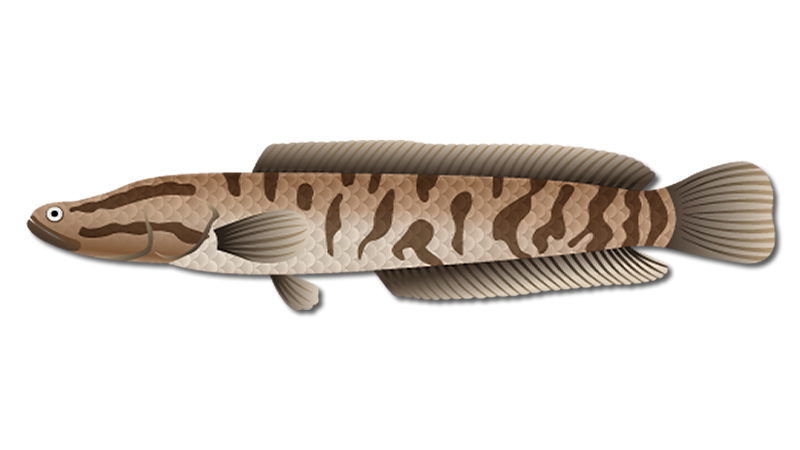
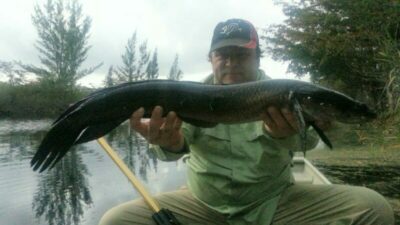
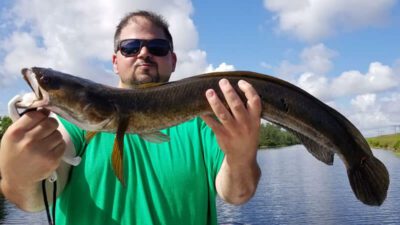
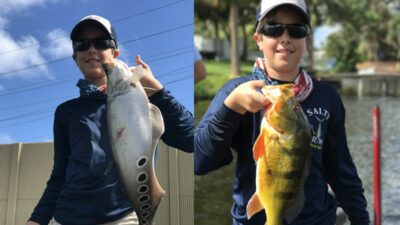
All snakeheads are distinguished by their torpedo-shaped body, long dorsal and anal fins without spines, and toothed jaws. This snakehead typically has red eyes and is gold-tinted brown to pale gray in younger fish, while older fish are generally dark brown with large black blotches. The most distinctive marking is the black spot rimmed with orange near the base of the tail fin, known as an eyespot or ocellus.
Florida is ranked as the top snakehead fishing destination, and these trips are usually combined with Florida’s other favorite freshwater fish as well!
Florida Exotics
There are now 31 documented exotic fish species reproducing in Florida’s fresh waters, with the addition of the Florida Snakehead. Some of the better-known exotic residents include the walking catfish, Asian swamp eel, and oscar. The Florida Snakehead is an air-breathing fish similar in appearance and behavior to the native bowfin (or mudfish).
Anglers have been fishing for and catching snakeheads since 2000; snakehead fishing is mainly restricted to residential canals and ponds in Broward County, with a small population extending north into Palm Beach waters. Most anglers initially think they are a bowfin until noticing the ocellus, a distinctive dark spot rimmed in brilliant orange near the base of the tail fin.
Asian fish, commonly known as snakeheads, is the most recent addition to the list of reproducing exotic fish in Florida. It’s difficult to know or even speculate on the effects of this snakehead’s presence; meanwhile, Florida Snakehead fishing is a great sport fish for anglers to enjoy.
Feeding Patterns, Habitat, and Habits
The snakehead fish is a bottom-dwelling, ambush predator that feeds mainly on crayfish and small fish. However, occasionally this invasive species will eat various other prey, including toads, turtles, snakes, lizards, and insects.
Snakeheads are freshwater fish found in the inland fisheries of Florida, primarily in canals and areas with overhanging shoreline vegetation, debris, and dense submerged vegetation. The snakehead fish is tolerant of stagnant waters due to its ability to breathe air. Due to this quality, they are often found in low-oxygenated areas, such as floodplain pools and drainage ditches.
Additionally, snakehead fish cannot survive in water temperatures below 50 degrees Fahrenheit, making South Florida an ideal habitat for them to thrive.
It is a myth that they “walk” on land; they more so squirm their way through shallow water. Understanding their feeding patterns, habitat, and habits can help anglers know where to find and how to catch snakehead fish in Florida.
Native Range
Florida Snakeheads are native to parts of tropical Africa and Asia, occurring in China, Thailand, Sri Lanka, the Philippines, and India, according to the FWC.
The species arrived to Florida through the illegal introduction of exotics; it is the only viable tactic, along with educating anglers, aquarists, and others about the illegality of dumping or transferring exotic fish from one water body to another.
There are no quick fixes; once an exotic fish begins reproducing, there’s no stopping it. But, the bright side of things is that Florida sportfish anglers have a new and very aggressive species added to the long list of fishing opportunities in the Sunshine State.
Snakehead Fish Spawn
Snakeheads primarily spawn from March through May, with a smaller peak in August. The adult snakehead fish are occasionally seen herding their young into shallows until they reach about six inches long. The female bullseye and northern snakeheads build circular floating nests from pieces of aquatic plants, then release their nonadhesive eggs on top.
Snakehead fish can lay over a thousand eggs each time they spawn, sometimes more, laying up to 50,000 eggs per year. Their eggs are orange-yellow in color and buoyant.
Fishing For Snakeheads
Fishing for Florida snakeheads is an exciting adventure. This invasive fish puts up quite the fight, and the best part for anglers is that they can catch as many as they desire without bag limits or season, since snakeheads are the most invasive fish in the state.
Anglers of all ages and skill levels travel to South Florida to catch snakeheads along with other exotics, such as the peacock bass and our famous largemouth bass. The combination of invasive species and native fish in Florida creates the ultimate freshwater fishing experience of a lifetime.
They are found in most inland fisheries of South Florida, including lakes, rivers, streams, and canals, particularly in areas with dense vegetation. Florida snakeheads have become a top-targeted game fish that grow to decent sizes; the South Florida snakeheads are comparable in size to the giant fish reported in the Potomac River.
Florida Snakehead fishing can only be described as extremely aggressive and voracious; based on our observations, the species collected in Florida appears to be one of the more aggressive snakehead species.
Fishing Tips
When on the prowl to catch snakehead fish, anglers should look for areas with thick vegetation and pay attention to banks and shallow flats. Typically, a snakehead is found in the muck or near docks and timber. They tend to frequent the tight canals and find spots where they can hide and wait for prey to swim past.
Snakeheads can be caught all day, but typically, the hotter the water temperature, the more active they are. Many pros recommend the best time for snakehead fishing as being from 2:00 pm to 5:00 pm. Despite being an aggressive, hard-fighting fish, snakeheads still spook easily, so be sure to approach the area you hope to cast quietly. Also, snakehead fish do not school, so it’s usually best to move to another spot once you catch one.
Equipment
Best Lures
The best lures for snakehead fishing are topwater frogs, poppers, buzz baits, chatter baits, spinnerbaits, and walk the dog lures. The weedless frog fished parallel to the vegetation tends to be one of our guides’ most effective methods and fishing tips. However, topwater lures, in general, are usually an excellent method when fishing for snakeheads. Fishing for snakehead fish with topwaters means spectacular explosions for the angler to see in front of them.
Best Live bait
The best live bait for snakehead fishing is minnows, frogs, and crayfish. When Florida snakehead fishing, it’s popular to fish with livebait under a bobber.
Edibility
Northern snakehead and bullseye snakehead fish are excellent fish to eat. They are known for having flaky, white meat with a mild taste that is compared to that of Striped bass. The FWC doesn’t support anglers throwing snakeheads or other exotics on the bank to die.
An Invasive Species
Snakehead fishing is highly valued throughout Asia for its food value and taste. Their popularity as a food source within Asian cultures and now in South Florida may even explain the presence of the Snakehead in Florida waters. Some customers believe that, in addition to tasting good, snakeheads have a medical benefit. The snakehead (also known as the “serpent-headed fish”) has inspired various other beliefs and myths throughout the centuries.
For example, some oriental cultures erroneously believed the snakehead had a poisonous bite because of its serpent-like head.
A Western scientist studying these species in 1878 wrote that the Karen people of Burma regarded this fish with “superstitious awe” and refrained from eating it. Another source stated that in 1822, the religious people of Bengal Province in India believed it was unlucky to regard the snakehead as either good or bad.
Snakehead fish are often viewed negatively because they are an invasive species that can potentially disrupt the natural ecosystem by competing with native fish for habitat and food, as well as preying on other fish, birds, reptiles, and small mammals. However, there is a recent argument that snakeheads should be designated as just another Florida fish, since they have been in the region for approximately two decades.
Laws
All species of Florida Snakehead are illegal to possess or live in the state of Florida. Possession of a live Snakehead is a second-degree misdemeanor punishable by a $500 fine or 60 days in jail. Florida law also prohibits to release of exotic fish into state waters.
When you catch snakeheads, anglers are supposed to contact the US Fish and Wildlife Service or the nearest fish and game agency to share data regarding the number, size, and location of the snakehead fish to help them control the invasive fish.
Snakehead Fishing Charters
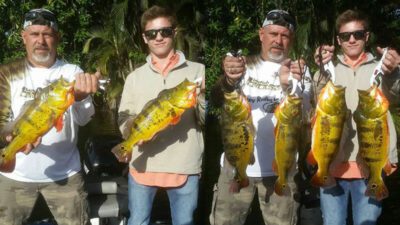
Since their arrival, we have spent years targeting these fish in our local waters. We have caught as many as 40 on one trip and usually average around 15 per outing. It is fun fishing with lots of explosive topwater strikes and hard runs. Not to mention that anglers on board a Florida snakehead fishing trip will probably catch plenty of other species, such as the famous largemouth bass, peacock bass, and Bullhead Catfish.
You have to love South Florida, the melting pot for everything, including fishing. With all of our native and non-native species, you can only find them in South Florida, not Orlando or Leesburg, which are considered exciting freshwater destinations in the World. The Florida snakehead is a fish that many anglers try to fish for and end up returning to again and again.