








ALSO CALLED: Aztec Cichlid, Jaguar Cichlid, Managua Cichlid, Spotted Guapote, Tiger Guapote, Heros managuense, Cichlasoma managuensis, Nandopsis managuensis, Parapetenia managuense, guapote.
Jaguar Guapote Parachromis managuensis
Jaguar Guapote is popular in the tropical fish aquarium market and is a known sport fish in a large portion of Central America. Aquarists likely introduced the jaguar fish to Florida after releasing them.
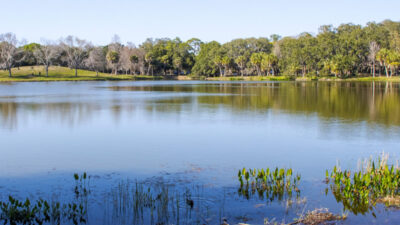
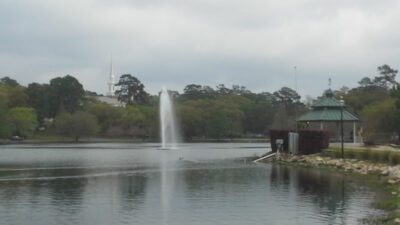
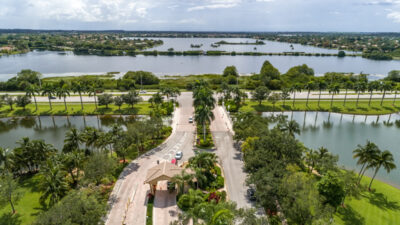
They now thrive in several parts of the South Florida canal system, like Airport Lakes and Snapper Creek.
It’s believed that specimens photographed in 1992 brought the first evidence of their existence in Miami. They’re considered the “most predatory” guapotes for their aggressiveness and danger to the native fish population.
Its scientific name is Parachromis managuensis, also known as the jaguar guapote; however, it is also referred to by several names in different regions. Its other names include Aztec Cichlid, Jaguar Cichlid, Managua Cichlid, Spotted Guapote, Tiger Guapote, Heros managuense, Cichlasoma managuensis, Nandopsis managuensis, and Parapetenia managuense, as well as guapote.
Appearance
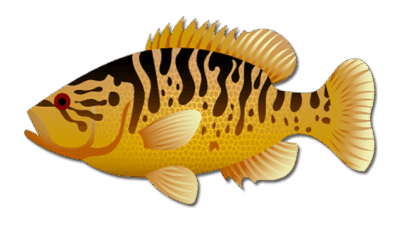
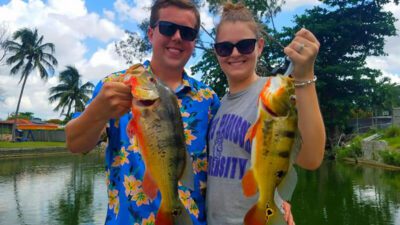
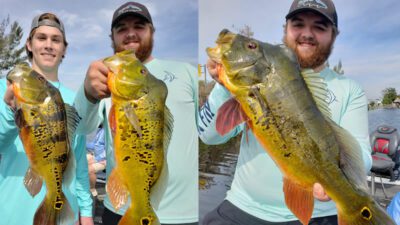
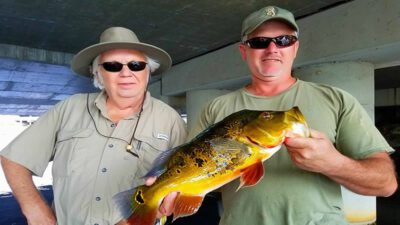
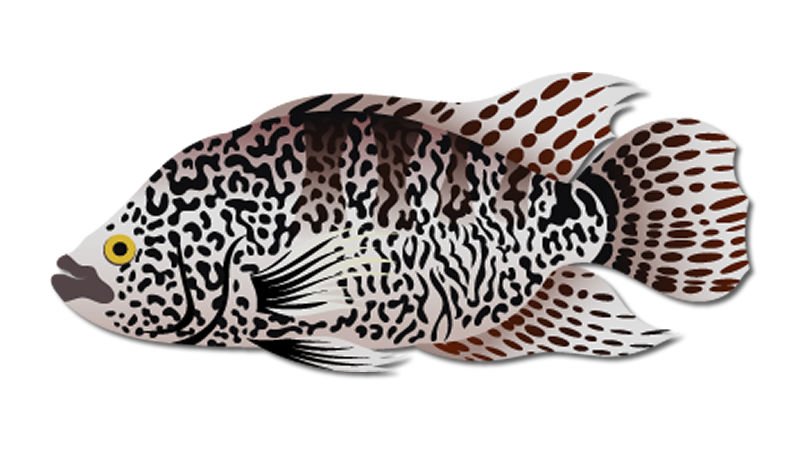
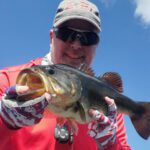
Generally, the jaguar cichlid is similar in appearance to sunfishes and black bass. Their single nostril can distinguish them on either side of their head, as well as their two-part lateral line. The edge of its mouth extends to the anterior edge of that of its eyes. A series of black squares along the sides of their fins, among numerous purple to black spots or blotches in their body and fins. Yellowish shades throughout its sizable and robust body. A broken lateral line and its teeth are identifiable from the black crappie. Males are generally larger than females.
Range and Habitat
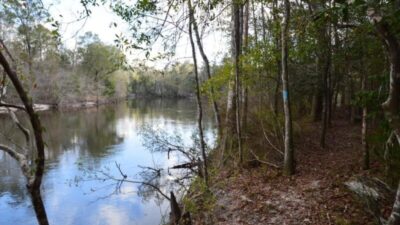
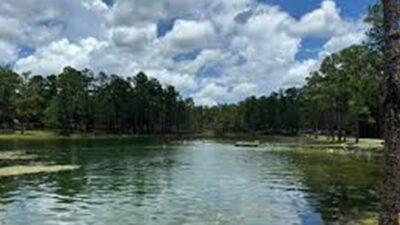
Its native range is tropical America or the Atlantic slope of Central America and South America. They occupied various habitats in their native range, including lakes and rivers with muddy, rocky, and sandy bottoms. Florida and Puerto Rico are known for their Jaguar Guapotes, especially in their warmest parts. Cold winters cause a noticeable decline in the species’ population. They are most abundant in the coastal canal systems of southeast Florida but live as far north as West Palm Beach.
Edibility
They are considered an essential food fish in Central America. There are no health precautions associated with to, and the International Union for Conservation of Nature (IUCN) categorizes it as a least-concern species.
Size
On average, they can grow to 35 centimeters, but there is a notable difference in size between wild and captive individuals. Females are usually smaller than their male equivalents, and their breeding colors can also distinguish them. Curiously, it’s hard to spot two jaguars with the same body spots. Although not the larger ones, you could find this species in local fish stores or online marketplaces.
State Record
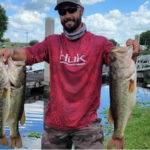
The current International Game Fish Association (IGFA) all-tackle record weighed 3.5 pounds and measured 21.5 inches long. The first confirmed record was caught in 2017 by a 14-year-old angler in Snapper Creek Canal in Miami with live bait. It weighed 2.78 pounds and measured 16.7 inches in length.
Spawning
The jaguar cichlid females lay about 4,000 eggs on a flat, hard surface. Both parents are known to protect their young peers by brooding their eggs in their mouths. The spawning season is from March to July, and the second peak is in October and November.
Feeding Habits
The jaguar cichlid feeds primarily on small fish and aquatic insects. They also often consume snails, worms, or even lizards. They can protrude their jaw, allowing them to eat various kinds of small fish and other creatures.
Jaguar Guapote Fishing
According to various records, the capture of Jaguar Guapotes in fish traps was not common before 2017. They are still not regulated by authorities for length and bag limits. People usually confuse black crappie and wolf cichlid with Jaguar Guapotes because of their similarities. For reasons of sport fishing and generally excellent food quality, their reputation is mostly positive.
It is much easier to find them during the dry season when they aren’t as likely to be buried in the rising water’s deep areas. Look for places around trees and other structures or covers.
Techniques
The sight of shrimps and smaller fish would help in your fishing endeavors. You could use a light line or flies to catch Jaguar Guapote. A tip from the local experts when targeting these species is to wait for their movement; they often dart out of their hiding spot to feed on small fish and shrimp.
Fishing a Florida canal system on light tackle is the most enjoyable way to catch this species. Ultralight tackle is the best way to feel their fight since their size is relatively small. Anglers can catch them on spinning, baitcasting tackle, or flies.