 Private Charter
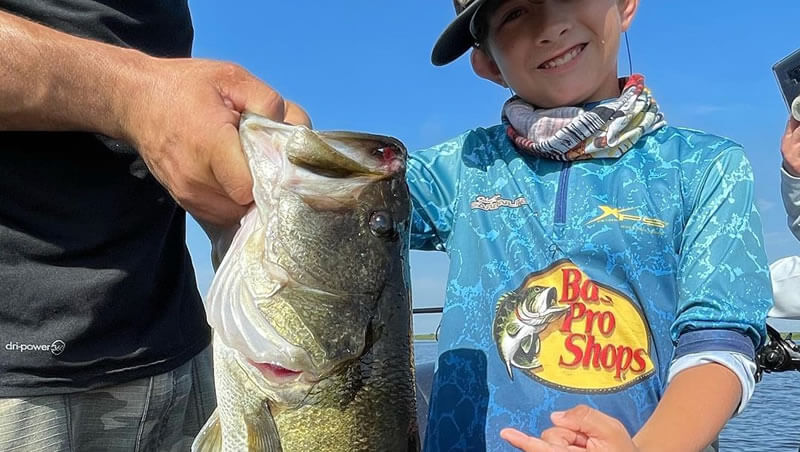
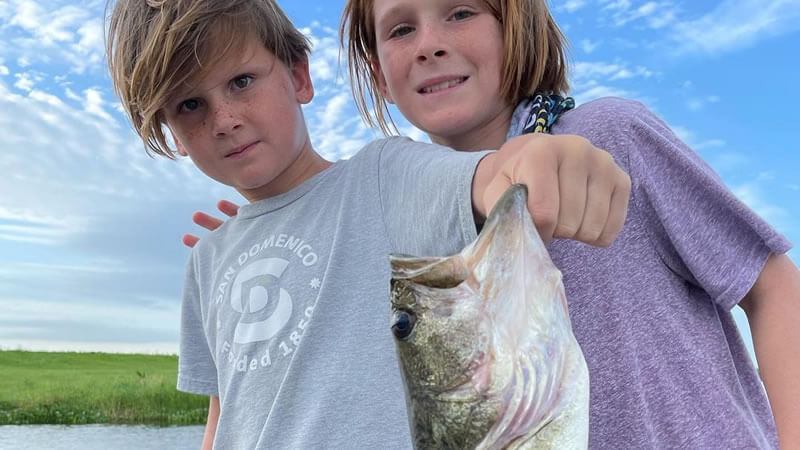
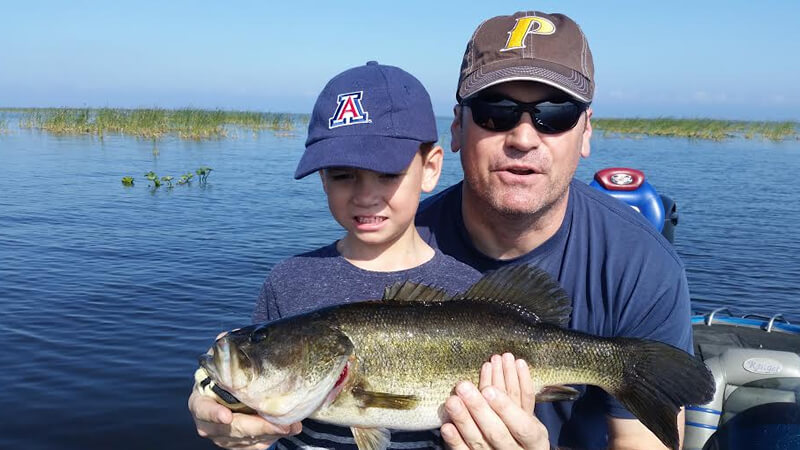


 Tenoroc lake
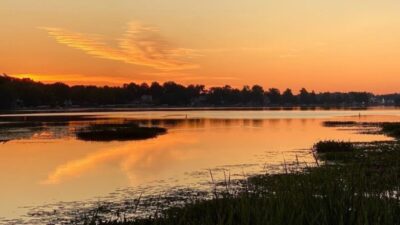
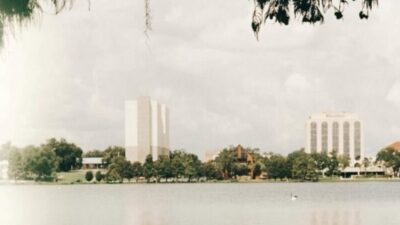
Tenoroc Lake is located in Polk County, Florida, two miles northeast of Lakeland and about an hour from Orlando. The Tenoroc Mine Road Public Use Area has excellent fishing opportunities by boat, kayak, or land. Explore the surrounding terrain on foot, by bike, or on horseback.
This is one of the best places to catch Florida fish and experience the beautiful wildlife living near Lakeland. The local Fish Management averages a total of 24,776 anglers every year.
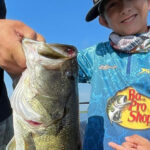
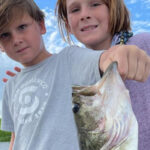
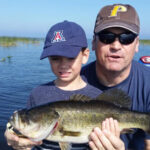
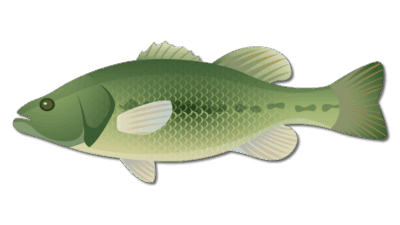
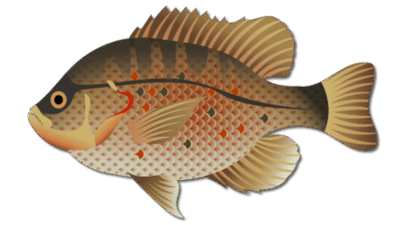
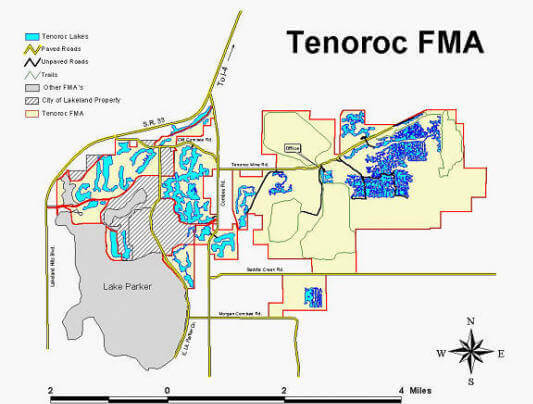
Tenoroc Lake is one of Florida’s premier largemouth bass fishing “hot spots.” The Tenoroc Fish Management Area, located northeast of Lakeland, Florida, features a series of fish-filled lakes created from reclaimed phosphate pits. The park has many different types of pits designed for specific uses, including flyfishing, fishing teams, and bank fishing. These areas are full of largemouth bass, bluegills, and shell crackers.
All visitors are required to check in and out at the Tenoroc Fish Management Area headquarters. Anglers must deposit their valid Florida fishing license or their hunting license with the custodian, unless otherwise instructed.
There are quotas for each lake, and fishing is permitted only in designated lakes. Unless otherwise specified, largemouth bass must be released immediately.
Tenoroc Public Use Area is located on Tenoroc Mine Road. The location is open four days a week (Friday, Saturday, Sunday, and Monday), 6:00 AM to 8:00 PM during Daylight Saving Time and 6:00 AM to 7:00 PM during Eastern Standard Time. People may operate motor vehicles only on named roads, designated parking areas, and fishing ramps. Roads are well-maintained, and modern boat ramps are available on most lakes. Also, facilities at Derby Lake and the Pasture Lakes are fully ADA accessible.
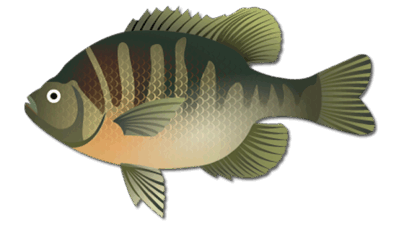
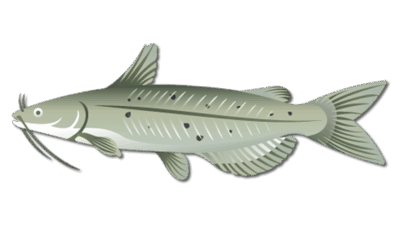
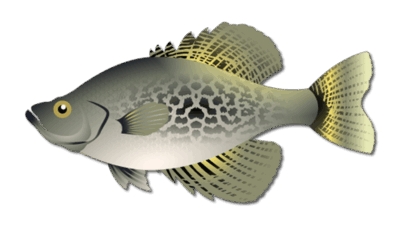
Fishing is the most popular recreational water activity on Tenoroc Lake, FL. The lake offers numerous opportunities to catch different species. The most sought-after game fish on Tenoroc Lake is the Florida largemouth bass. Other popular fish commonly caught in the lake are black crappie, bluegill, redear sunfish, channel catfish, and yellow and brown bullhead.
There are opportunities to fish by boat and bank fishing at Tenoroc. The Saddle Creek and Bridgewater tracts offer seven additional lakes to fish.
Anglers can catch all species in any of the lakes; however, they prefer certain spots depending on the targeted species. Many anglers targeting bass prefer to fish the reclaimed lakes, while those targeting crappie and other panfish prefer the unreclaimed lakes. The two types offer different challenges when fishing. Reclaimed lakes have gently sloped shorelines abundant in vegetation, such as cattail and bulrush. Unreclaimed lakes have brush-covered shorelines, steep banks, and a greener watercolor.
Since 1983, Fish and Wildlife Commission biologists have evaluated and managed the fisheries at Tenoroc. Restoration and intensive management resulted in some of Florida’s best catch rates for various sport fish.
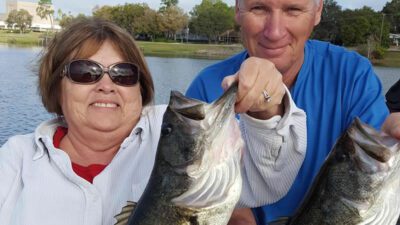
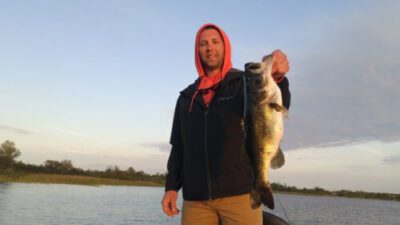
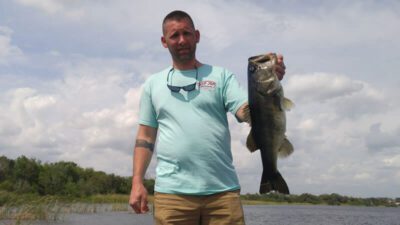
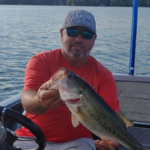
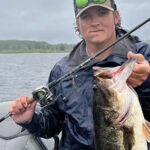
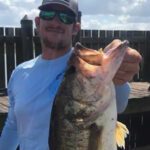
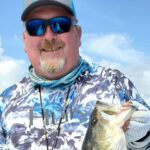
Anglers on a guided trip to Lake Tenoroc will have the chance to catch trophy bass and quality panfish, including black crappie and redear sunfish. Florida is the world’s fishing capital, and Lake Tenoroc does not fall short of that reputation. Tenoroc is one of the many places anglers will travel from all over the world to experience.
The best chance to catch your targeted species is while on the water with a local expert who knows the best spots and the fish’s habits throughout the year. Be sure to read the Fishing Charter Pros and Cons
Teneroc is a gateway site for the Great Birding Trail, with the numerous lakes attracting wading birds, waterfowl, and raptors such as eagles and osprey. Songbirds pause here during their spring and fall migrations. Nesting ospreys are common in the spring months, and the area holds one of the largest wading bird colonies in the state, boasting white ibises, snowy egrets, and anhingas. Visitors can download a copy of the Tenoroc Bird List.
The central unit of Tenoroc features two loops with 5.4 miles of trails. The trails pass over both reclaimed and unreclaimed mining property and an earthen dam’s graded crest road. Western segments of the trail are mostly flat, open, and dry. Oaks provide shade on the eastern loop of the Orange Trail. Trails on Rattlesnake Ridge, in the southern portion of the Blue Loop Trail, are steep and narrow but offer pleasant vistas of lakes and forests.
In the spring, visitors may see a large wading-bird colony of white ibises, snowy egrets, and anhingas from the south end of the Blue Loop Trail. These trails link with two loop trails on the Saddle Creek Tract of Tenoroc, south of the central unit. Access the trailhead and parking area for the Saddle Creek trails from Saddle Creek Park. Someday, this trail system may continue north to connect with the Gen. James A. Van Fleet Trail that crosses the Green Swamp.
Two loop trails in Tenoroc’s central unit are available for horseback riding. The 3.5-mile North Trail and the 4.4-mile South Trail are accessible from the Tenoroc Office and parking area. Water and space for trailer parking are available here. (Hikers may use the horseback trails, but dogs are not permitted.) The Saddle Creek Trails are not open for horseback riding.
Visitors may use canoes or kayaks on any of the lakes where boats are allowed, but there are quotas on the number of vessels per lake, and paddlers will be competing with anglers for a slot. There are paddling trails for canoeing or kayaking.
The FWC has constructed a central regional shooting sports facility at Tenoroc. The facility, managed by a private vendor, includes rifle, pistol, air gun ranges, trap/skeet, sporting clay stations, ground-level, elevated, and 3-D archery ranges.