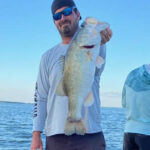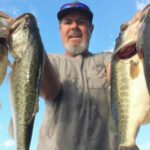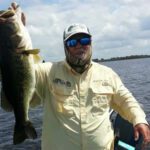

Morning Trip
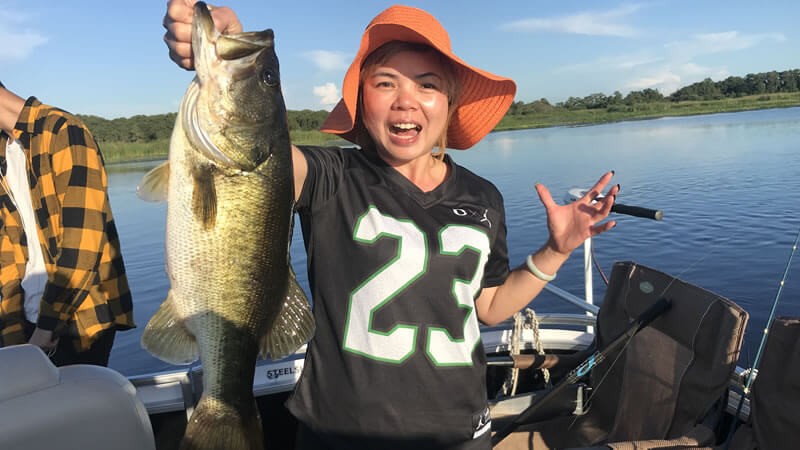
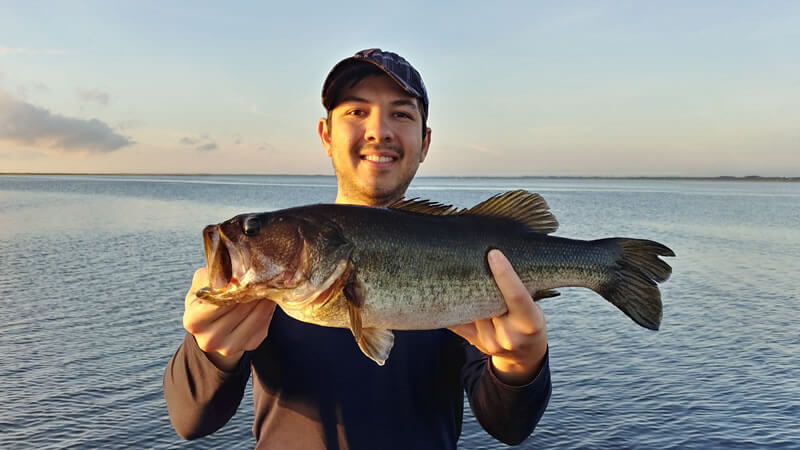
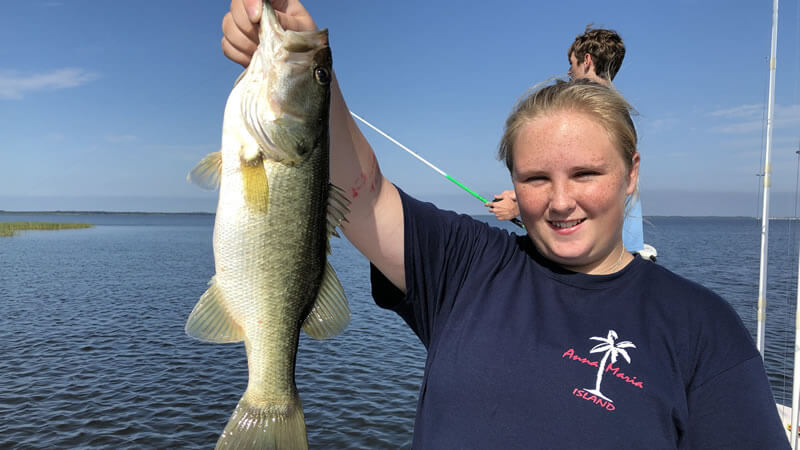
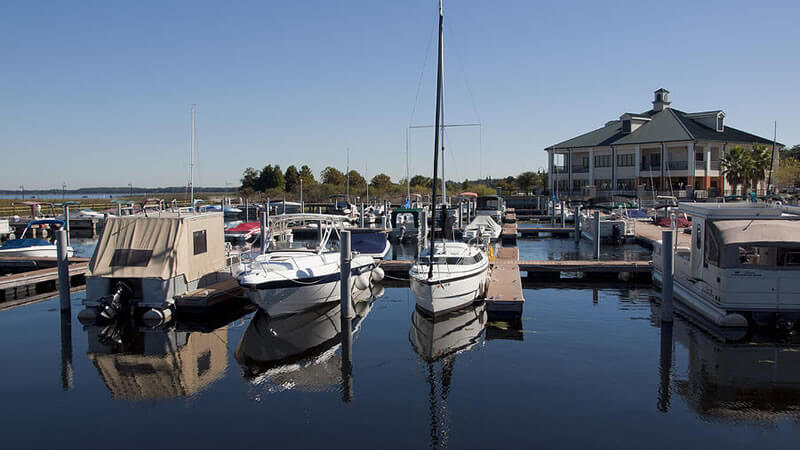
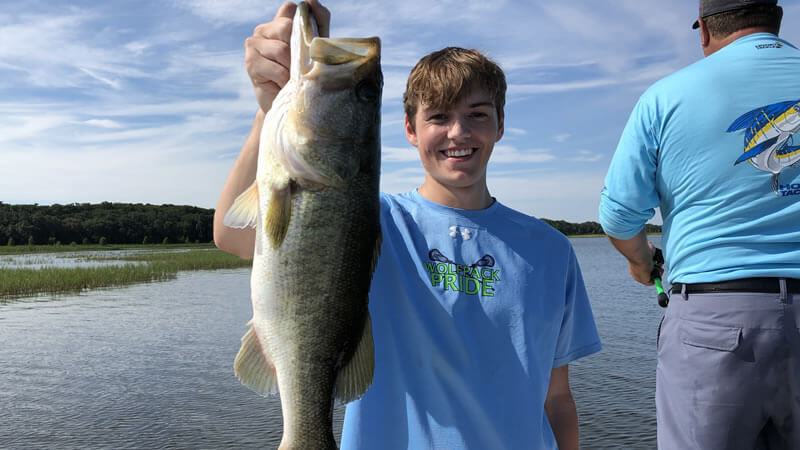
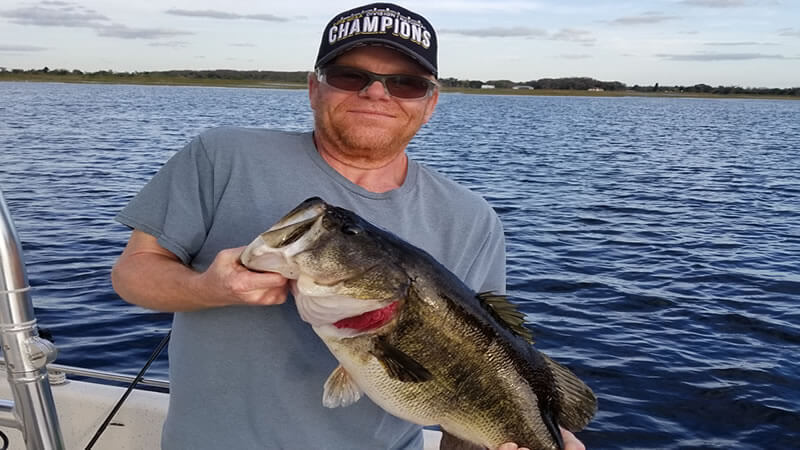
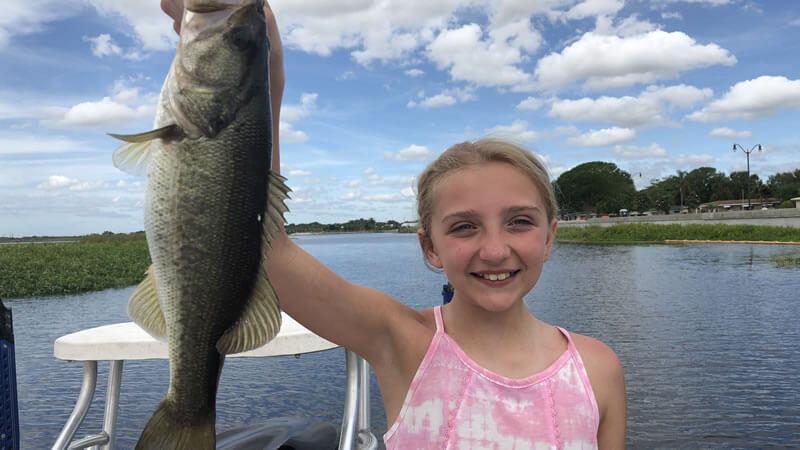
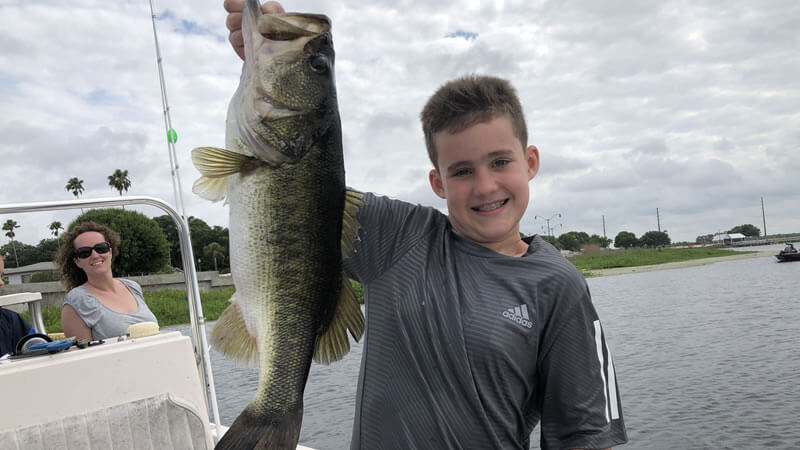
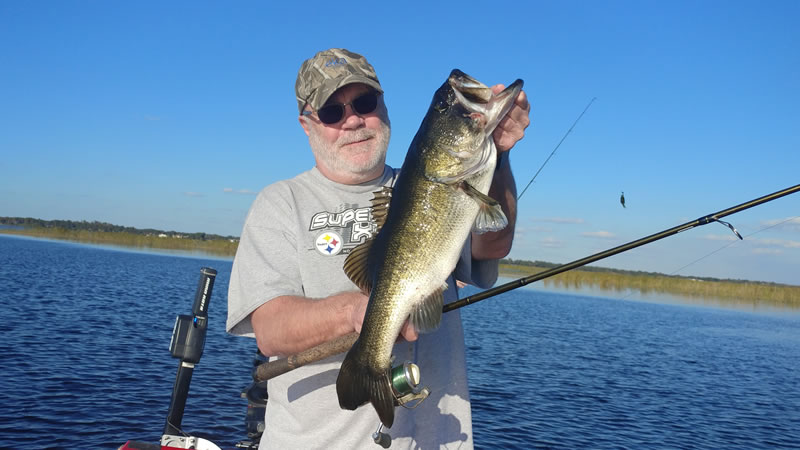
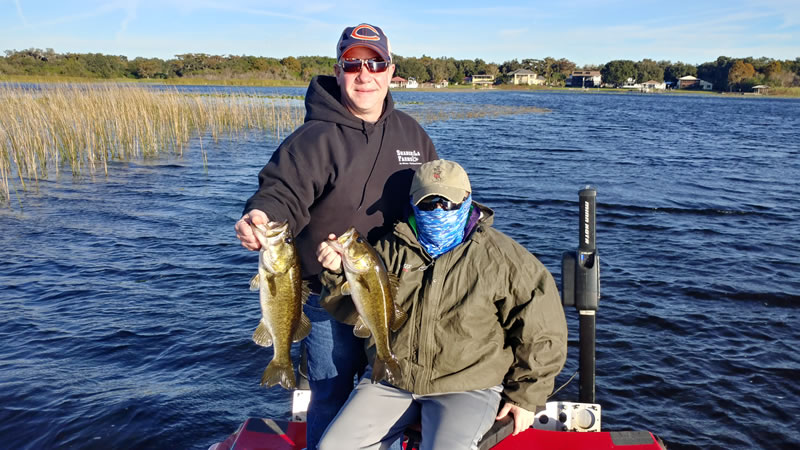
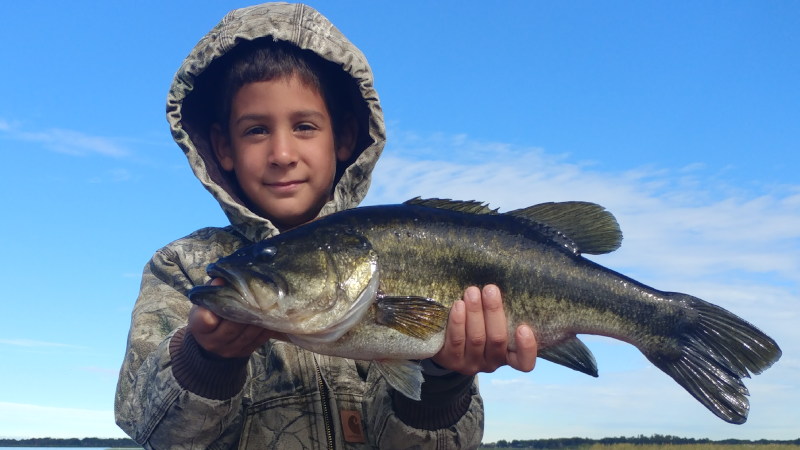
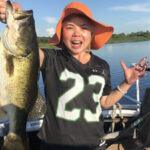
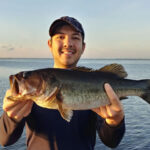
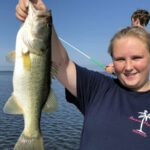
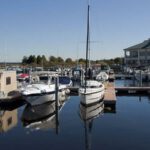
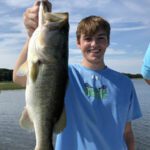
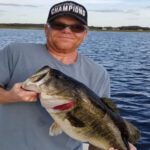
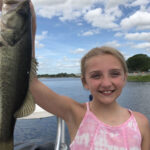
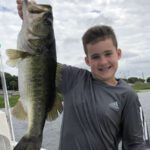
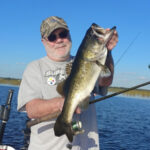
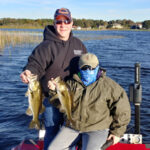
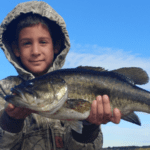
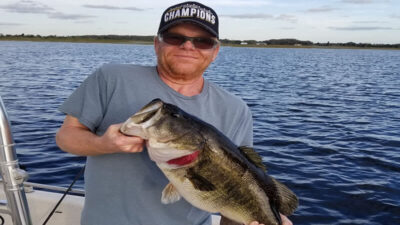
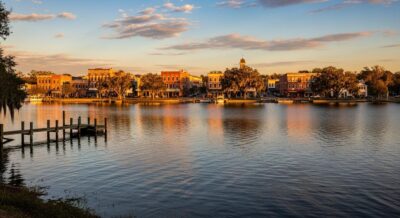
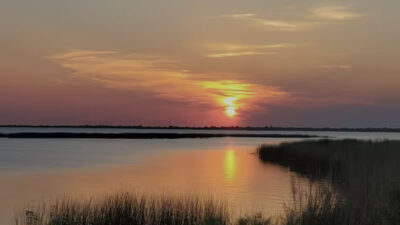
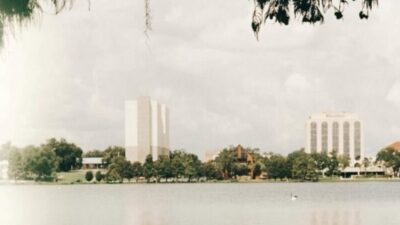
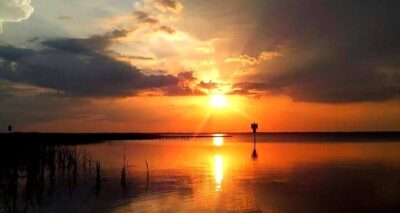
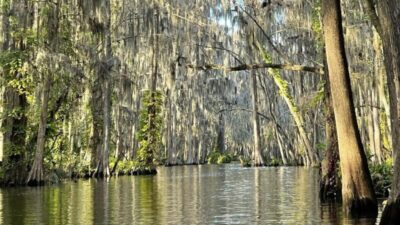

East Lake Tohopekaliga, also usually known as `Toho’). Not as popular as its more famous sister lake, West Lake Tohopekalgia or Big Lake Toho. In contrast, they are located almost adjacent to one another, connected by a single canal, and are considered a chain of lakes in Central Florida.
Like most lakes, each of these two lakes is distinct and has its own hotspots. West Lake Tohopekaliga is unique due to its islands, flowing feeder creeks, and expansive coves with naturally clear water and abundant vegetation.
On the other hand, East Lake Tohopekaliga is more noticeable due to its housing and urban development. East Toho contains much less vegetation than West Lake Toho. Except for its northwest corner, the existing growth consists of a narrow band of perimeter reeds and Kissimmee grass. In comparison, water levels and color remain the same; the tannic acid rain color is standard for most lakes, rivers, and canals in Florida.


East Toho in Osceola County is nearly circular in shape and covers approximately 12,000 acres. It is a perfect example of what is often called a `soup bowl’ lake. There are continuously flowing tributaries that help maintain the lake level by replenishing the water supply to the upper watershed lakes.
Yes, they are! The St. Cloud Canal exits Florida East Lake Tohopekaliga in its southwest corner and connects to West Lake Toho. The canal is navigable for a short distance but features a lock (S-59), which is not impassable by boat and is used only for flood control. You access the C-29 channel on East Toho, through Fells Cove and small Ajay Lake in the northeast corner, to the upper watershed lakes of Hart and Mary Jane.
Navigation is limited but possible, up to lock number S-62 at Lake Hart. Runnymede Lake, a small, shallow body, lies just off East Lake Tohopekaliga’s southeastern rim and feeds into the main Lake via a navigable connecting canal.
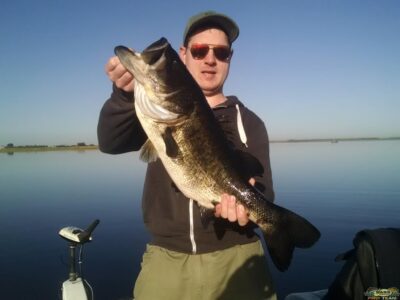
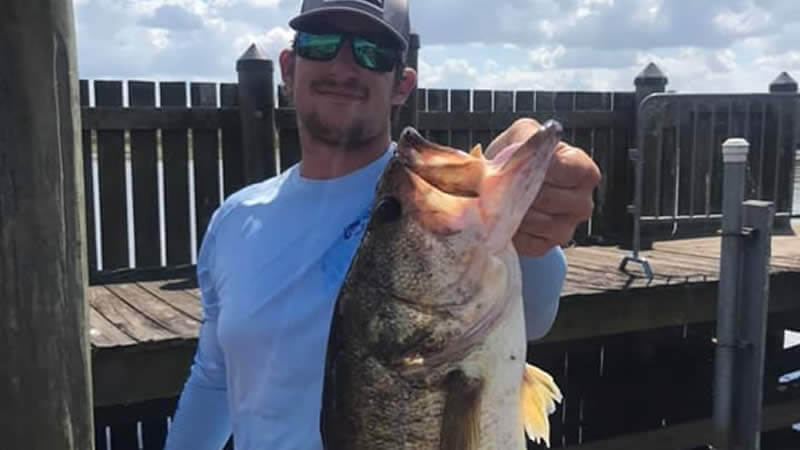
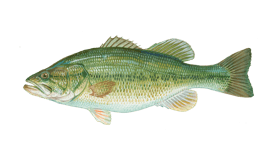
The better times for anglers on East Lake Tohopekaliga for fishing largemouth bass are December through March, with live wild shiners being the most popular for targeting big largemouth bass. Artificial lures are most effective in October and November, and again from March through early June.
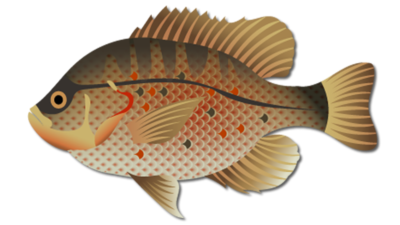
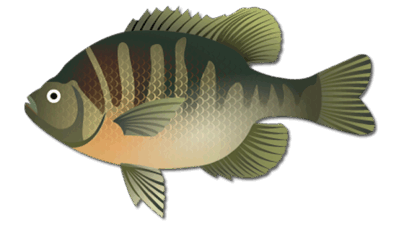
Most panfish spawning places are near the reeds, but some will be on clean sand in the lily pads. These exact locations will hold huge schools of spawning bluegill and shellcrackers from June to September, with July and August being the prime months.
Additionally, the northerly cooler winds of Winter and early Spring affect this section of the Lake. Speckled perch (Crappie) fishing picks up in the late Fall, just after the first cold nights arrive, and improves up to and through the Spring spawn. Spawning typically occurs from late January to March, when most species are found in the reeds and standing grasses.
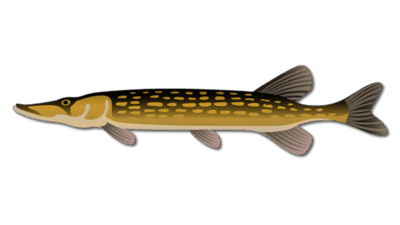
The open-water pockets within the Boggy Cove growth will typically have hydrilla and coontail moss at the surface. A spinnerbait and topwater lure are good choices here. In this one section of East Toho, we often find a small chain pickerel concentration, and they all seem to fall in love with white spinnerbaits.
Although they have too many bones to be comfortable eating, the pickerel are game fighters. Their fillets are delicious when rolled in cornmeal and deep-fried. The bass spawning season will find largemouth bass occupying their beds along the outer reeds of the Boggy Cove area and within the open water pockets of the growth.
There are two major fish camps along this shoreline, just off paralleling Highway 530. Fells Cove occupies the northeast corner of East Lake Toho. The connection between the two bodies is a boat trail running across a vast expanse of reeds, pads, and grasses. Usually, there is too much boat traffic, and it is too narrow to fishing in the path.
East Lake Fish Camp 3705 Big Bass Rd Kissimmee, Florida 34744
The local people refer to this as the Boy Scout Camp, and it serves as a significant reference point. One-half mile south of the Camp and one-half mile West into the Lake, we find the fish attractor and associated rocks mentioned earlier.
Boggy Creek Resort and RV Park – 3705 Big Bass Road Kissimmee, Florida 34744
Spinnerbait fishing and topwater minnow imitations, such as the Bang-O-Lure and Rapala, are top local choices. The reliable plastic worm is the second-best and consistently productive. In hot weather, try flipping the Lake’s thickest cover.
For Crappie fishing, the majority of the year, they will school in the open water and must be caught by drifting small minnows and jigs.
During the hot months, hover the baits at 12 feet (or two feet above the bottom) in the deepest parts of the Lake. Just before and after the spawn, look for them to be 5-7 feet deep, closer to the shorelines. East Lake Tohopekaliga is the `sleeper’ in Crappie fishing and is well worth the day’s activity.
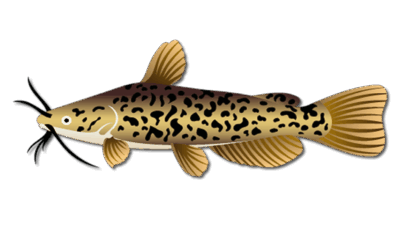
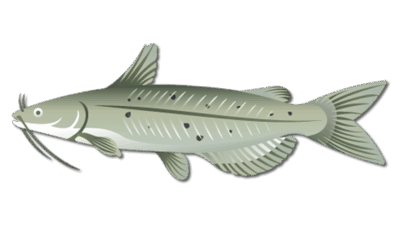
Florida’s East Lake Tohopekaliga has a couple of these rock areas, found near the single fish attractor in the Lake’s northeast corner. Forget using the fish attractor as an indicator of artificially placed brush tops. The Boggy Cove location offers a boat ramp and a large concentration of reeds, pads, and grasses for the shallow-water purist who wants to `fish the cover.’ The lake offers largemouth bass, black crappie, bluegill, redear sunfish, chain pickerel, channel catfish, and more.
The better lake waters for these panfish will be within the interior of the Boggy Cove cover. East Lake’s northern shoreline is suitable for bass fishing and benefits from warming. More rapidly in the early Spring, which means that the spawn will usually begin earlier than in other parts of the Lake.
With an average depth of 10-14 feet and a maximum of 18 feet in one remote location, the bottom of East Lake Tohopekaliga is predominantly clean and hard. A few good shell beds exist, as well as some bottom rock structures. The latter is somewhat difficult to find but is well worth the effort when you do go fishing.
Another place for largemouth bass fishing with small gravel or shell beds lies directly in front of the St. Cloud channel and approximately 300 yards out into the chain of lakes. There is no reasonable way to consistently locate this open pattern, short of a proper depth-finder unit.
You can use a heavy, one-ounce slip sinker and a Carolina rig worm and `feel’ the bottom until you locate the hard, rough bottom. This particular fishing spot has always produced, so it’s worth the effort to find it each time.
This fishing area of East Lake Tohopekaliga, located near Fells Cove, is often found on hard-bottom sites or shell beds in the open portion of the Lake, generally in the Westside’s deeper sections, depending on lake levels.
Since the Lake is relatively small, a quick way to locate the largemouth bass has been to troll. For control purposes, we like to use only a short line and a reasonably deep-running plug. A Bagley DB-I will run approximately 10-11 feet deep on 60-70 feet of 12-pound test line, which is the general depth we aim for when targeting largemouth bass.
Once we locate the largemouth bass school, we drop a reference marker buoy and cast it to the spot. Remember not to place the marker directly on the school location, as you may spook the fish or risk tangling a lure in it later. When fishing a largemouth bass school, such as found here, do not return any fish to the water until you are ready to move off the school location. Otherwise, the released bass may return to the school, and his nervousness causes it to spook the others away.
The East Lake Tohopekaliga shoreline on the east side should be approached the same as the others, in that the angler would be wise to the key to the small pockets and protrusions of the reed line and grass. Little Runnymede lies just in the southeast corner of East Lake Tohopekaliga and has a connecting canal.
The reeds and grass on both sides of the canal mouth are fairly productive locations for bass. The deeper water drop-off, located out in front of the canal mouth, can be even more impressive. Watch for a few surface schooling bass on East Lake Tohopekaliga.
At the very South end of East Lake Tohopekaliga lies a public launch area, boat ramp, beach, and parking. It is protected from the winds by a dike, which helps with boat ramp launching and often produces a few catches when fishing from the shoreline.
A tip worth its weight in 10-pound bass is that the plastic worm also works well in this open-water location. Once the surface action has ceased, try tossing a lightly weighted plastic worm into the same area. Typically, the bass is still there and has just settled to the bottom in wait for the next baitfish school to happen.
Moving up the West shoreline, there is a little deviation of any significance. All we note are the standard East Lake reed band and minor grasses along the shore. However, experience has shown that any indentation or protrusion of the reed-line, no matter how slight, has the potential to produce a bite. Be particularly attuned to the clumps of reeds out towards the open water, as bass like to set up ambush points at these types of locations.
To see a complete list of great Kissimmee Bass Fishing Guides, please click here!
There are two main reasons why you should fish the East Lake Toho with a local expert: firstly, safe navigation, and secondly, a regional expert provides you with the best opportunity to guarantee you land a trophy largemouth bass.
All of our local experts and Lake Toho fishing guides are fully certified by the United States Coast Guard. Years of professional experience in this fishery will provide you with an outstanding outdoor experience. Enjoy learning new techniques and methods of catching trophy largemouth bass from a local expert.
When exploring the fishery, whether in the morning or the afternoon, they understand what to do and where to go. When fishing the weekend, you can have a good day or the best day of fishing, but it also can be a big zero if you don’t know how to get away from all the boats. So, hop on board with one of our local experts, and they would love to show you around. They have years of experience navigating this fishery under all conditions.
If there is one Thing to do in Kissimmee, you should consider getting outdoors on East Lake Toho, which should be very high on that list. This premier bass fishing destination is known for its incredible catches. When visiting for your trophy bass trip, be sure to dine in the great East Lake Toho Marina on the waterfront to cap off your dream trip.