
Best Seller


Ione’s central position in the Gold Country makes it an excellent base for exploring the surrounding area.
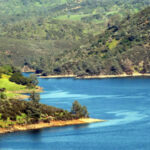
The landscape around Ione, CA, consists of rolling hills, ranches, farms, camping areas, and lakes teeming with fish. In addition, Ione itself offers a large selection of things to do, places to eat, and places to stay, ensuring that you and your loved ones will be creating positive memories.
Ione, CA is also a fantastic place for hikers and other environmental enthusiasts; the town is home to many breathtaking natural features, but the Pardee reservoir is at the top of everyone’s list.
Pardee Reservoir area is a popular spot for anglers because it is home to various fish species and cool sites like breathtaking hiking trails.
For more information on Pardee Reservoir, keep reading!
If you’ve ever spent significant time in California, you’re probably aware that the many fisheries there are some of the best in the country.
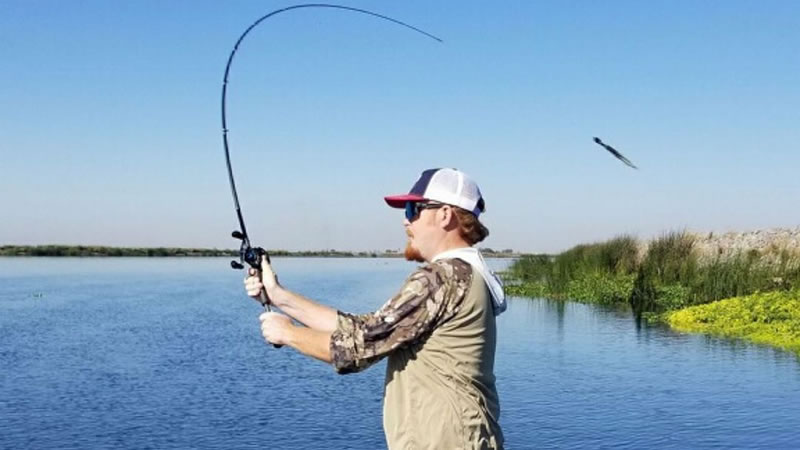
Pardee Lake anglers fish primarily for brown trout, rainbow trout that can grow to be really big, and a substantial population of kokanee.
As a matter of fact, some holdover brown trout can grow to be huge.
Even if you could only catch one of these species at a lake, it would be worth your time. But when you can catch many of the species, you’ll find yourself making up excuses to slip off and go fishing. It’s also important to note that there is a Pardee fishing access fee of $7.25 daily.
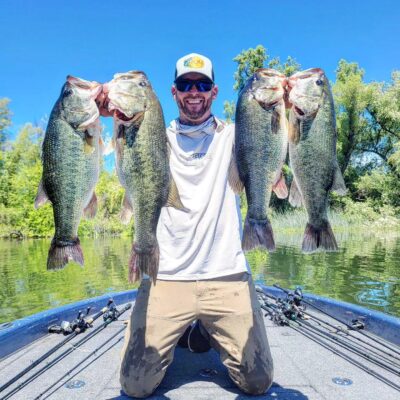
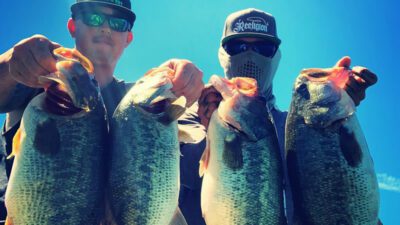
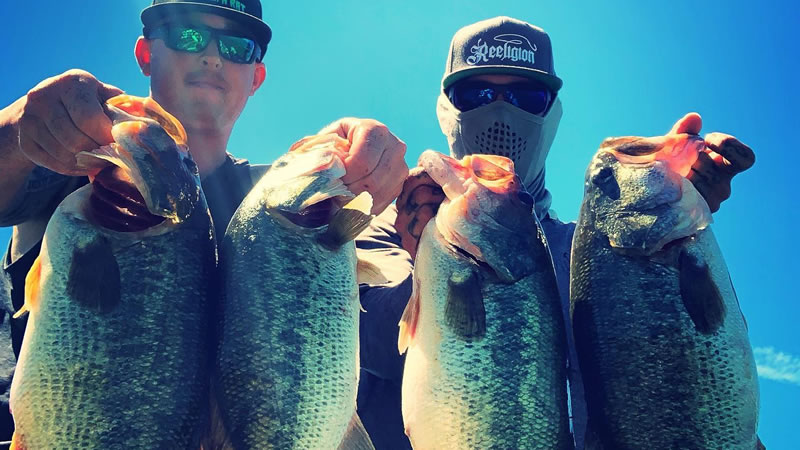
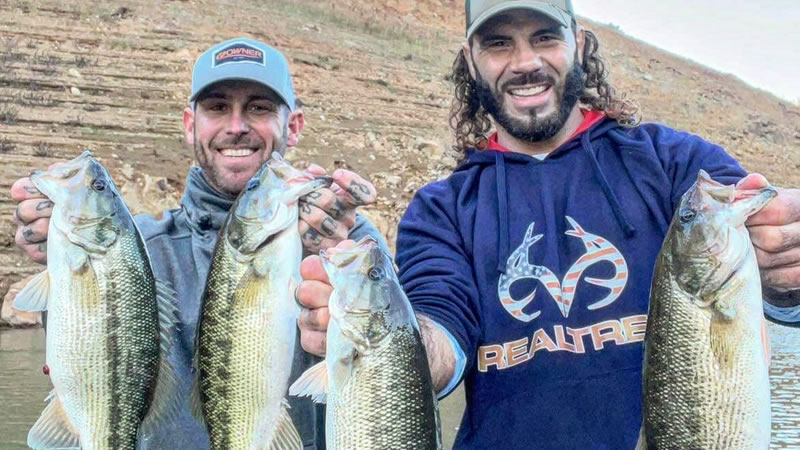
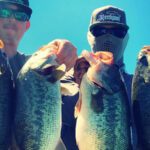
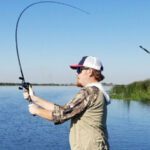
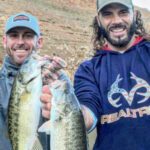
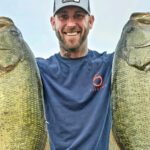
In addition, throughout the months of spring and summer, when trout fishing is typically slow, Pardee Lake can still be an absolute gem for bass, particularly huge and feisty smallmouths.
Even though trout, kokanee (landlocked sockeye salmon), and bass fishing in Pardee receive more attention, the catfish and panfish fishing is excellent during the hotter months.
Since its inception in 1958, Pardee Recreation Area has been making a lasting impression on its guests. Pardee Recreation Area, situated on the banks of the Mokelumne River, welcomes guests of all ages with breathtaking scenery and a wide range of exciting activities.
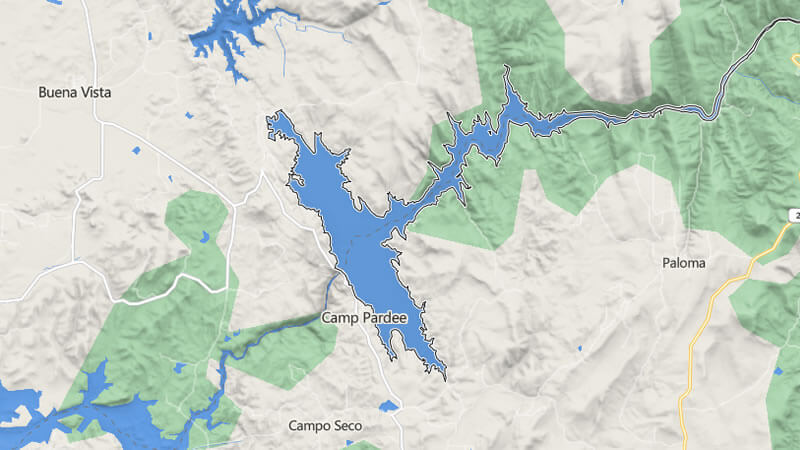
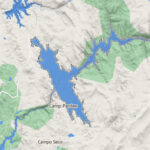
Located about 12 miles to the southwest of Jackson, the park lies in the foothills of the Sierra Nevada Mountain range in California.
When visitors go there, they can relax as they watch the geese float peacefully on the water’s surface, get excited as they see wild turkeys dash across their path, and feel delighted as they engage with the helpful personnel.
Inside the area, you’ll find over a hundred RV camping, each with its own fire pit, making, picnic table, and fire ring, oak trees spread to and provide welcome shade. The park offers exciting opportunities for exploration, including two swimming pools, multiple day-use areas, boat rentals, fishing, and stunning hiking trails.
There are many animal buddies in the park, such as wild turkeys, deer, and all kinds of fish. The Lake Pardee cafe serves delicious breakfast and lunch selections, in addition to the most extraordinary 50/50 Freeze in town, to keep adventurers going strong.
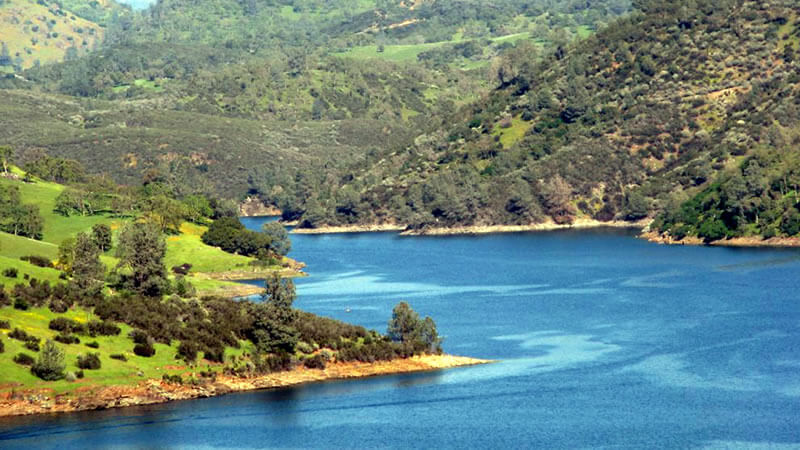
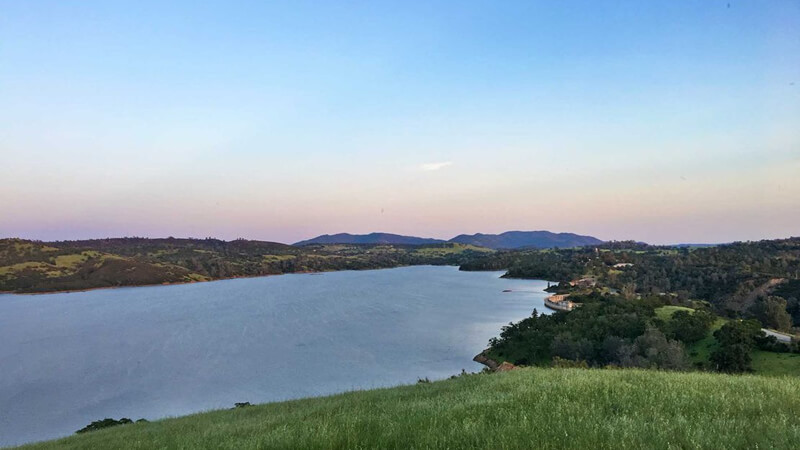
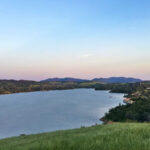
One of the most beautiful times to visit Lake Pardee in California is late winter. Amador County’s 2,000-acre lake near Ione is teeming with fish and water framed by hills that glow neon green.
A dam on the Mokelumne River led to the formation of the main lake, Pardee Lake, in 1929. From then on, it became a familiar sight for anglers to set down their gear and engage in other Pardee Lake fishing activities.
From the first Friday of February through the last Sunday of October, they are open every day. A majority of guests spend their time fishing, boating, camping, picnicking, and swimming in the pools.
No personal watercraft are allowed, including water skiing and jet skiing, on Pardee Lake.
The lake serves as a staging area for migratory birds, including bald eagles, geese, and shorebirds. In addition, as part of EBMUD’s mission to enhance the local wildlife, the area is off-limits during the migratory bird season.
A dam on the Mokelumne River led to the formation of Pardee Lake in 1929 in the Sierra Nevada mountain range. From then on, it became a familiar sight for anglers to set down their gear and engage in other Pardee Lake fishing activities.
Many people come to this area because of the abundance of trout and kokanee. They thrive in Pardee’s refreshingly clean water.
Rainbow trout, kokanee, sunfish, channel catfish, smallmouth and largemouth bass, and a few larger fish are just a few of the fish that avid fishermen can capture.
In addition, there’s a healthy population of deer, wild turkeys, geese, and other migrating birds, squirrels, rabbits, and quail.
Let’s take a closer look at this species’ anatomy.
One of the most well-known freshwater species, the kokanee salmon, is a popular angling target. The hooked jaw and stunning scales make it impossible to ignore.
Although they don’t grow quite as significantly as other species of salmon, kokanee salmon are a blast to catch, as many Pardee Lake anglers can agree.
Since these fish primarily feed on tiny zooplankton, enticing them with a replica of their preferred meal is fruitless. To get kokanee to bite, an angler must use a loud, flashing bait, with or without an attractant.
Like sockeye salmon, this fish is found only in freshwater.
Unlike many other species of salmon, kokanee salmon do not undertake the legendary journey from the ocean to a river or lake to spawn. Instead, kokanee live their entire lives to a freshwater ecosystem.
Kokanee rarely exceeds 6 pounds. They retain their silvery appearance throughout their lives, earning them the name “silver salmon” or “silver trout” in some regions.
After three to five years of life, they reach sexual maturity and can reproduce. The males of this silver fish reach a hump and change color to a brilliant red with a green and black head.
Fish of this species have a brownish hue to their scales, as suggested by their common name.
Their sides are spotted with brown and black. Both sexes appear similar overall, though males have larger heads. The length of an adult brown trout ranges from 7 to 39 inches, and its maximum weight is 55 pounds.
It is a carnivorous fish that consumes other animals, including other fish, insect larvae, and flying insects like mayflies and damselflies.
The females, joined by several males, spawn between January and March on gravelly beds. After being fertilized outside, the eggs are laid in gravel.
When fry hatch, they consume the yolk sac to gain nutrients before moving on to invertebrates. Brown trout can be found in many ecosystems, but they are picky about which ones they call home. They favor cold, deep bodies of water with a constant current, such as rivers or lakes.
Within these waterways, they congregate in spots with cover, such as those shaded by overhanging roots or tree branches.
Once they reach adulthood, some members of the population transition from freshwater to saltwater. On the other hand, some populations never leave freshwater environments.
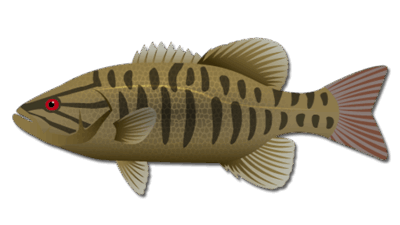
North American anglers regularly target smallmouth because of their popularity as a freshwater game fish. Specifically, smallmouths are a type of sunfish belonging to the Micropterus genus, which contains six different elongated freshwater fish known collectively as black bass.
This fish may develop to a maximum length of 27 inches and weigh 12 pounds. Female smallmouth typically weigh two to three pounds, while males usually weigh four to seven pounds.
Smallmouths can reach 30 inches if they are given enough time to feed in favorable weather.
The upper jawbone of this fish reaches the eye, and it has three brown vertical bands along its black, green, or brownish sides; it is rarely yellow.
Its eye is surrounded by a circle of dark bars that extend to its cheek and gill cover. A smallmouth’s long upper jaw can reach almost the orbital brow.
Smallmouth bass are heavier and more oval-shaped when found in lakes and more torpedo-shaped in rivers, so their environment significantly impacts their development and appearance near Stockton.
Lake or reservoir smallmouth are a lighter, almost yellow-brown color than their stream-dwelling counterparts, which is advantageous for fishing.
As a carnivore and a predator, smallmouth bass will consume just about anything that fits down their throat. While primarily nocturnal, this species will hunt at night during the warmer months.
What smallmouths consume depends on several factors, including the size of the food, the season, the water temperature, and the age or size of the fish.
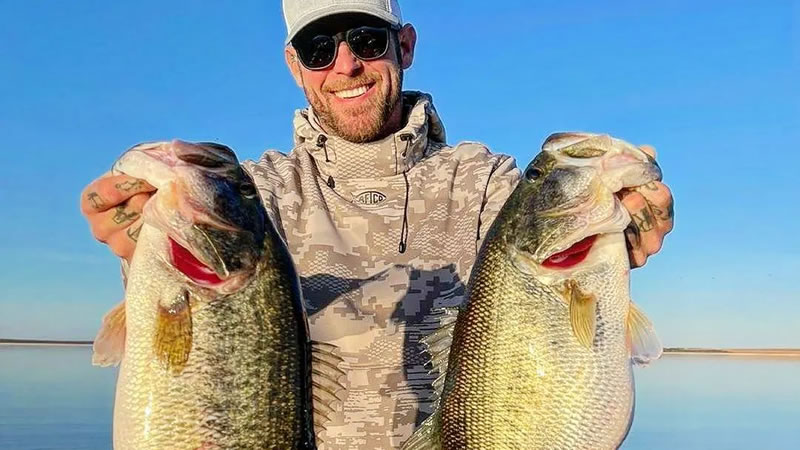
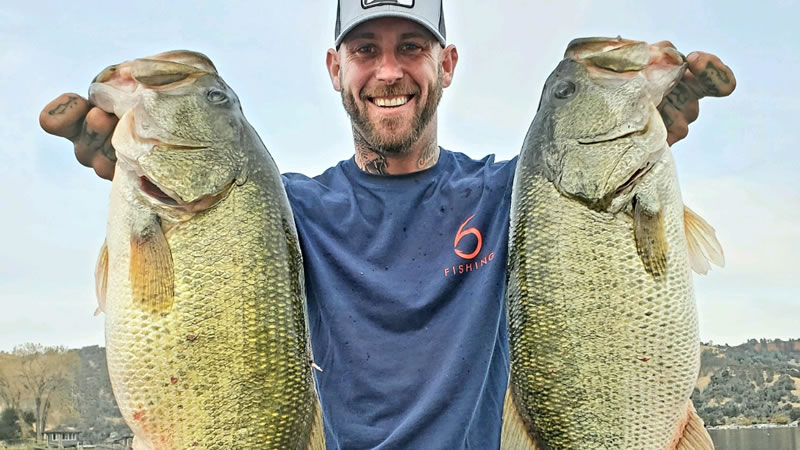
The largemouth was originally only found in the Eastern United States.
Still, due to their widespread appeal as sport fish and their adaptability, they have been successfully introduced to new regions worldwide.
Largemouth bass can be found in various aquatic environments, including ponds, lakes, streams, swamps, reservoirs, and major rivers. It is found primarily in weedy oxbows and clears out floodplain lakes.
Largemouth bass move to bays in the spring because the water there warms up before the main body of water.
Fish, crayfish, and frogs comprise the bulk of an adult largemouth bass’s diet. The juveniles eat things like crabs, insects, and juvenile fish.
Numerous species of animals fall prey to the largemouth bass because of its ravenous appetite. And that includes snakes and mice, which live on land.
In addition, a few largemouth basses may exhibit cannibalism similar to that of the northern pike.
To see a complete list of excellent California Fishing Guides, please click here!
These are some of the other fish that you may find in Pardee Reservoir:
They are planted from mid-October through late spring, so fishing is decent to superb throughout the colder season. Both shore anglers and boat anglers are successful.
These stunning fish, commonly known as Redband Trout, display a wide range of colors and patterns depending on age, location, and spawning status.
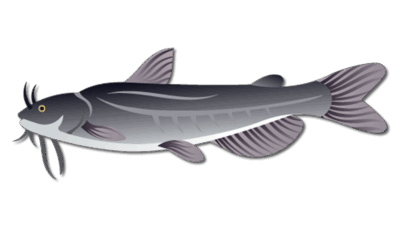
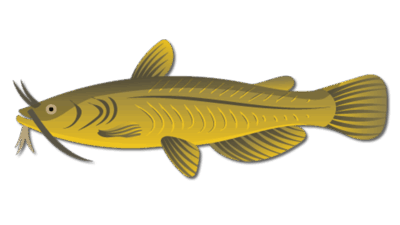
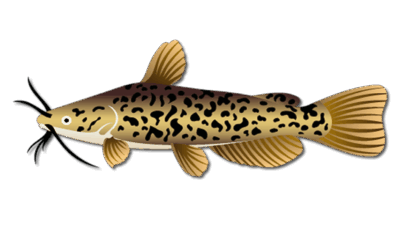
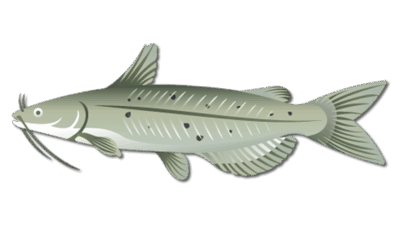
You can find plenty of catfish in the Channel Arm of Pardee Lake. Additionally, Marina Cove offers sufficient food to be found here in manageable quantities for fishing.
Catching a giant catfish can be done using stink baits, chopped mackerel, or even chicken livers.
Bottom-dwelling and adaptable, this fish can eat almost anything. A significant portion of their diet consists of worms, mussels, crabs, clams, insects, small crustaceans, frogs, and numerous other species of smaller fish, including other catfish.
The average adult is less than two feet long but can reach five feet in length and weigh more than a hundred pounds.
A gray-green back and silver sides contrast with a white underbelly. Those shadowy areas off to the sides often resemble undulating vertical bars. The body of the white crappie is deep and compressed; its mouth is huge and reaches behind the eye, and its neck is concave.
The crappie’s early diet consists primarily of invertebrates like zooplankton and insects. However, fish is a more common part of the diet once it reaches about 7 inches.
This magnificent camping and fishing spot is located in the foothills of the Sierra Nevada on the border between Amador and Calaveras counties. An oak campground and lush grass surround it.
The large stretch of coastline offers many productive spots to anchor down and watch the fish bite. However, no two places are identical.
Depending on the type of fish you hope to catch and the style of fishing you plan to use, it is a good idea to get to know the lay of the land before the fishing expedition.
To the north of the Spanish Flat, you can easily find the two islands, considering the main river channel runs into them. Several other ditches and channels create a web of ledges, ridges, and drop-offs that offer good vantage points for fishing in Lake Berryessa.
The fish exploit the submerged brush and weed beds in this area as cover. That’s why it is a priority to inspect depths up to 15 feet and the small rock piles and drainage ditches in the vicinity.
When embarking on a fishing trip in the summer, the Putah Creek inlet and its surrounding areas should be top locations for catching fish like smallmouth, largemouth, and spotted bass. The trick is to focus on the bedrock patches and rock piles.
When the water table of the lake is low, bass will gravitate around submerged timber. If using this location, always look for fish holding over the rocks before unpacking for the day.
The northwest section of the lake is the epicenter of a long, winding channel known as the Putah Creek arm, a treasure trove of bass, catfish, and crappie.
This concentration of fish is standard during reduced water levels. Take into account that the channel is brimming with standing timber and submerged brush, rock piles, and channel swings.
The area is crisscrossed with several submerged points, offering various structures to target and fish. Ledges, humps, ridges, and drop-offs are the most productive areas, but you can also check artificial structures like docks and bridge pilings.
Checking the brush piles and vertical standing timber can also benefit you. Before hunkering down, scout the terrain and look for solid indicators of a large bass shoal in the area.
The dam offers an abundance of trout and salmon, while in the northern section of the dam, you can catch bass and crappie that hide on the rocky shelves.
The drawback of fishing in this lake area is the high winds, which tend to displace a boat from the preferred spot, even with a reliable trolling motor. Invest in a drift sock to stay on course in the strike zone.
It ranks among the most productive corners of the lake, with a healthy population of catfish, bluegill, and bass. This is mainly due to submerged vegetation, which creates a welcoming environment for fish.
Locals’ experience shows that the best results are achieved in sectors where vegetation intersects with a rock pile or a drainage ditch, or in any other form of cover. The best bait for fishing to these parts with submerged grass is a topwater lure, whopper plopper, buzz bait, frog lure, and chatter bait. Be ready to encounter a few isolated rock piles.
The area is known for its thick vegetation. The coastline is full of submerged weed beds and floating grass mats. Using heavy fishing lines is preferred to combat these circumstances.
However, because Eticuera Creek is located in the northeast part of the lake, the mouth is an open area offering solitude for anglers who enjoy the scenery and a solo fishing experience. Another benefit is the lack of winds and strong currents.
Not the most welcoming piece of information, but the most significant chances for a catch are during the hottest period of the day, when the bass hides in the deep shadows, effectively trapping themselves.
When fishing the Eticurea creek, the arsenal of baits can be composed of chatter baits, swim jigs, crankbaits, and soft plastic swimbaits.
Entering the water with a boat or a kayak is the best way to fish in this long and narrow canyon in the southern section of the lake. The canyon sides feature steep boulder-size substrate, and the water is deep.
Anglers can expect a haul of trout and salmon in the natural humps and ridges, while the bait that offers the best chance to entice the fish is trolling spoons, inline spinners, streamers, and flies.
Using natural baits like corn, worms, salmon eggs, and dough bait can yield satisfactory results.
The midsection of the reservoir features a very steep, long rocky bank, offering a large fishing area.
However, gravitating towards the boulder piles and transition areas from larger to smaller rock sizes is more suitable for fishing for crawfish, minnows, bluegill, and shad that shelter there.
There are several peninsulas on the lake, but the main one is between two deep channels, with the south channel creating a cove with several ditches. What gives these places a unique look are the drop-offs, ledges, and boulders, which symbolize the northern creek channel.
The steep banks offer depths of 10 to 25 feet, where smallmouth and spotted bass like to navigate rock cuts and pockets, often moving into submerged brush and weed beds.
This magnificent camping and fishing spot is located in the foothills of the Sierra Nevada on the border between Amador and Calaveras counties. An oak campground and lush grass surround it.
The mornings here are peaceful since jet skis and powerboats aren’t constantly revving their engines. This water storage reservoir is unsuitable for water-contact sports like water skiing, personal watercraft use, or drinking water.
The benefits, in this case, are some peace and quiet, a lake-view campground, which is ideal for a spot of fishing.
Pardee Recreation Area features a ten-lane boat ramp for convenient launching. However, before you get out on the lake, make sure you check in at the inspection station.
The marina only has a single ramp for launching boats; customers who don’t have boats or don’t want to worry about passing a boat inspection are welcome to utilize one of the boats.
Most RV park guests will either rent a boat or bring their own if the campsite has electricity. Launching and loading boats is a breeze at the lake’s 10-lane boat ramp, thanks to consistently maintained water levels year-round.
However, if you plan on renting a boat, you should get there early so you don’t miss out. Rentable watercraft include kayaks, pedal boats, and fishing vessels. Not only can you rent boats, but there’s also a fish-cleaning station.
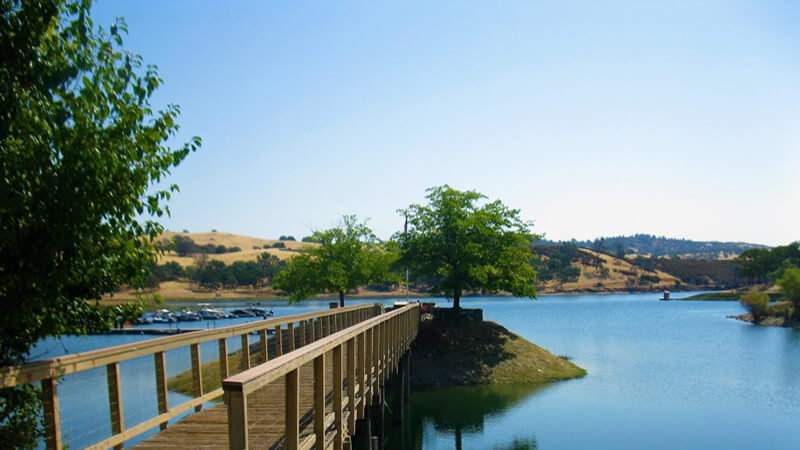
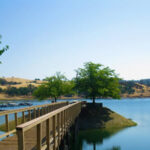
Convenient piers and ramps provide access to the shore. The lake’s trails will lead you to practically any secluded bay or marina cove. Most of them are within a day’s hike through good-condition routes.
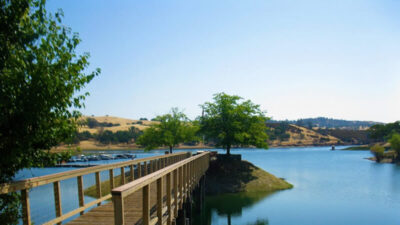
Both campgrounds at Pardee Lake have over 100 available sites between them. There are 141 campsites at the lake, accessible on a first-come, first-served basis, spread across two campgrounds, each shaded by oak trees.
The camp’s laundry facility, restrooms, and water supply are conveniently located nearby. Additional wheelchair-friendly options include two venues that meet ADA standards. There are more than fifty RV camper sites with complete hookups, including water, electricity, and sewer. A brand-new community center is available for use by RV Park visitors.
In addition to a convenience shop, the marina features a café for those who need a quick bite to eat before leaving. In the towns in the area’s immediate vicinity, it is possible to locate places to stay, as well as restaurants and food markets.
There are many enjoyable activities for people of all ages to enjoy and to keep groups at Pardee Lake active. Everyone will certainly have a good time in the two swimming pools and participate in the various other activities located around the lake and across this region.
In the park in the foothills of the Sierra Nevada, visitors can use the picnic table and build their fire ring.
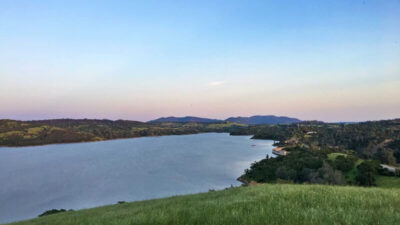 There are also hiking trails available for RV park guests who want to stay active. In the hills around the lake, hikers can take advantage of a few gravel paths that lead to scenic overlooks, especially when they approach the inlet at the lake’s northernmost point.
Unfortunately, shade is not available.
Wildflowers begin to appear in substantial quantities in March and typically reach their peak in late March or early April.
Even by the norms of the Bay Area, the summertime temperatures may be unbearable here. However, the majority of travelers agree that the best time to visit Pardee is right around the time when winter draws to a close and spring begins.
Individuals who are 16 years of age or older are required to have a valid California fishing license and a valid fishing access permit.
In addition, there is a $7.25 daily fishing access fee for every person over the age of 16 who wants to fish at Pardee.
As long as a licensed adult accompanies them and holds a valid fishing access permit, children under 15 years old are permitted to fish without a daily fishing access permit.
Revenues from Pardee access permits are used to replenish the lake’s fish population.
Continue reading if you want to learn more about the rules you are required to observe if you are going to Pardee Reservoir, CA.
The recreation center has many handicapped-accessible amenities. The guard at the gate can help you if you need a wheelchair-accessible space. As per policy, non-disabled campers are not allowed to stay at accessible sites until all other sites are full.
Without proper identification, such as a placard or license plate, it may be necessary to issue a citation and haul away any unauthorized cars parked in an accessible parking spot.
It is strictly forbidden to dispose of rubbish, greywater, litter, gasoline, oil, rubble, feces, or any other foreign substance in the reservoir, on any coastline, or elsewhere in the leisure area beside the designated trash cans.
There is no other place in the recreation area besides the fish cleaning station where fish can be cleaned or garbage disposed of.
It is against the law to discharge grey water from an RV’s toilet or shower into the ground, and do not use sinks, hose bibs, or other water sources in the camping, RV, or day-use areas for dishwashing.
All animals need to be securely leashed and under constant human supervision. The reservoir must be kept free of contamination from domestic animals and kept away from swimming pools.
Waste must be cleaned up when dogs or other animals defecate in a recreational area. Licenses and proof of rabies vaccination are required for all dogs.
Pardee Reservoir, CA, located in a Mother Lode paradise, is a short drive from the valleys and the Bay Area. It’s a great place to take the family for a day trip or a weekend filled with activities like picnicking, camping, fishing, and RVing.
The tranquil environment is perfect for retirees and families with young children. In addition, the lake and reservoir at Pardee offer visitors an extraordinary opportunity to interact with the natural environment.
Finally, here are responses to some of the most frequently asked questions about Pardee Reservoir, CA.
Water contact in this lake is illegal under state legislation. The use of watercraft such as water skis and jet skis, as well as swimming in lakes, is banned, as is drinking water from the water sources there. There are two swimming pools available every day of the week, one for kids and one for grown-ups.
No, you can not. The use of personal watercraft like WaveRunners and Jet Skis, as well as water skiing, wakeboarding, and other motor-dependent water activities, is prohibited on Pardee Lake. But boating and fishing remain the major leisure activities affected by such restrictions.
Because of this, fishing, kayaking, canoeing, or renting a boat on the lake can offer a peaceful, serene experience.
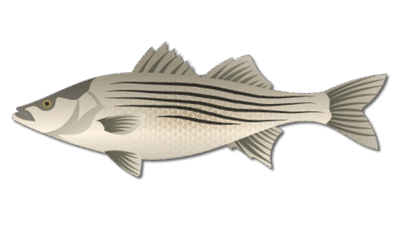
Rainbow Trout, Largemouth Bass, Smallmouth Bass, Channel Catfish, Brown Trout, Kokanee Salmon, Sacramento Pikeminnow, Black Crappie, Catfish, White Crappie, Redear Sunfish, and Bluegill are some of the species of fish that can be caught in Lake Pardee.
Lake Pardee is a body of water in California that spans 215,000 acres and is used for motor boating but not for swimming or jet skiing. At its deepest point, it reaches 300 feet.
We also have great deals available on Pardee Reservoir Ca and the following lakes that match your search criteria.