
Private Charter
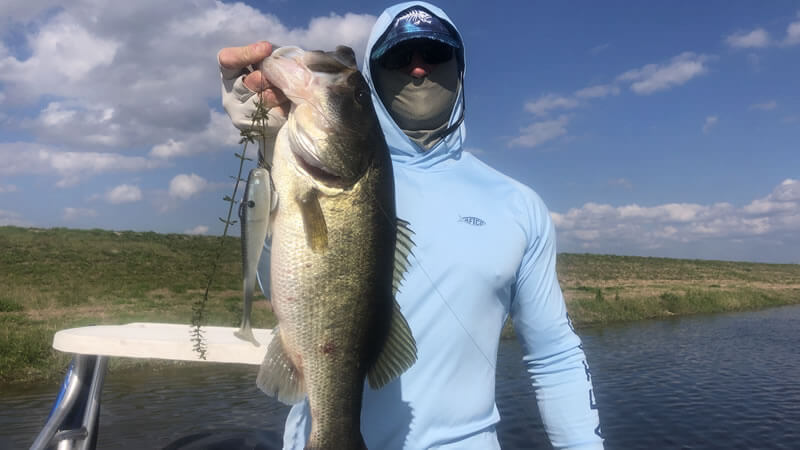
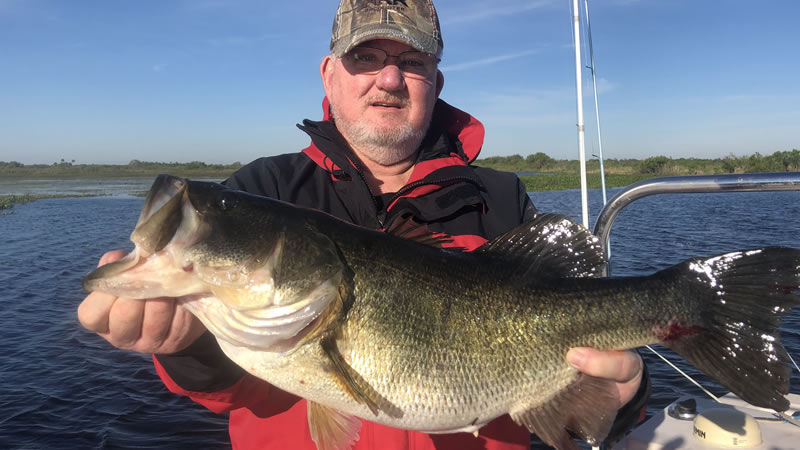
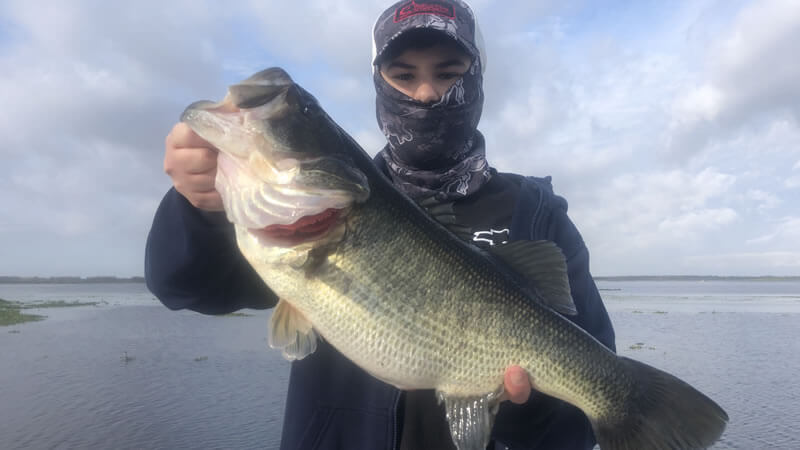
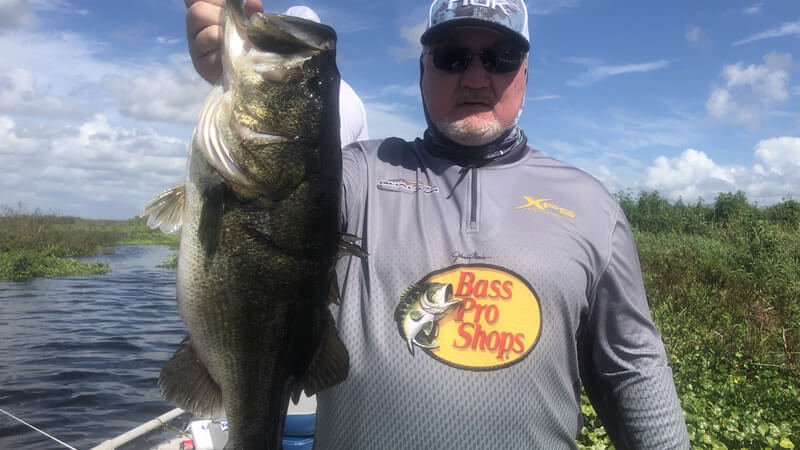
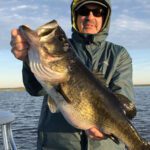
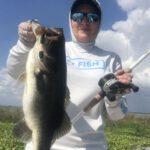
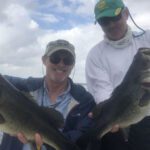
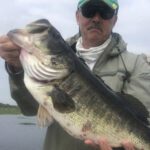
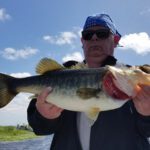
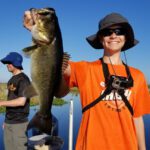
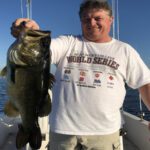
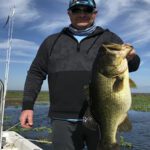
Verified upcoming fishing trips are available for Kenansville Lake. View the available trip option below.
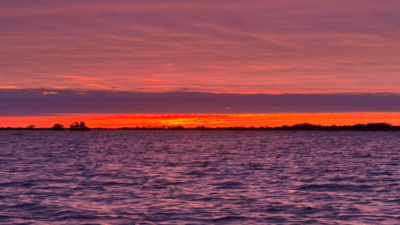
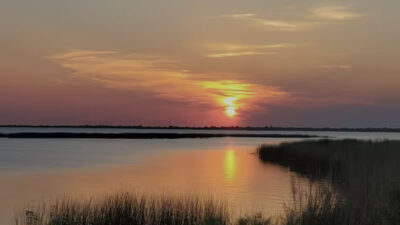
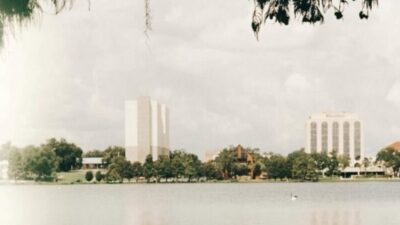


Kenansville Lake is a 2500-acre shallow impoundment located in East Central Florida. Before the 1993 flood, the area was a cattle pasture. The lake earned the nickname “Jurassic Park” because of its big bass and abundant fish. Water depths in Kenansville Lake range from 3 to 5 feet, with an average depth of approximately 3 feet.
The town of Kenansville, located in Indian River County, is the closest area to the lake for food, gas, and bait. Kenansville is in the center of a group of lakes called Farm 13 and Blue Cypress Lake. Kenansville Lake is a sister to Farm 13; the two are located just two miles apart. Farm 13 consists of Blue Cypress Lake in the southwest corner and Kenansville Lake in the northwest corner; none of the fisheries are connected.
Interior levees are in the northern, central, and southern parts of the lake. A single-lane concrete boat ramp is the only facility provided on the site. Bank fishing is common along the access canal and the north end of the lake for those willing to walk or ride a bicycle to those areas. A unique no-harvest regulation protects all largemouth bass.
The area of Kenansville, Florida, provides a rural Old Florida vibe. Aside from bass fishing for trophies, there are many activities to partake in for the whole family, not far from the lake. Most places in the area offer tours that take you close to nature, allowing you to experience Florida’s wildlife.
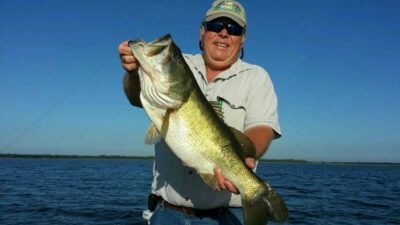
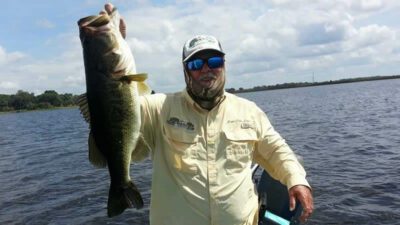
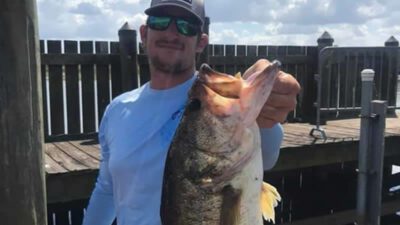
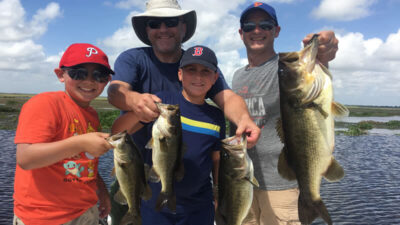
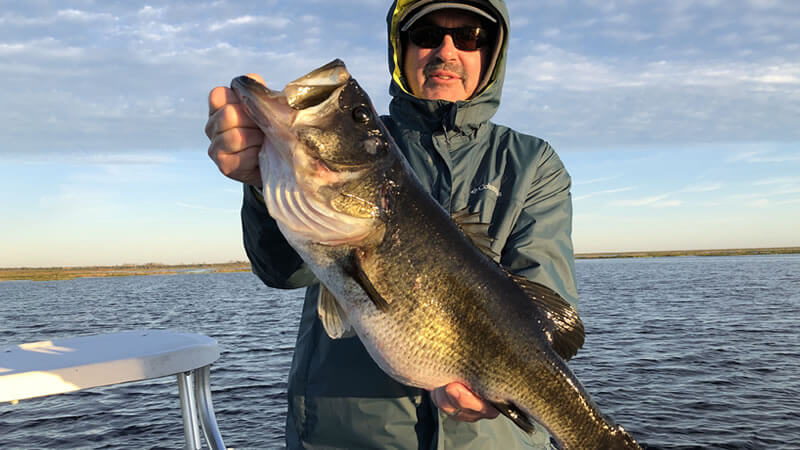
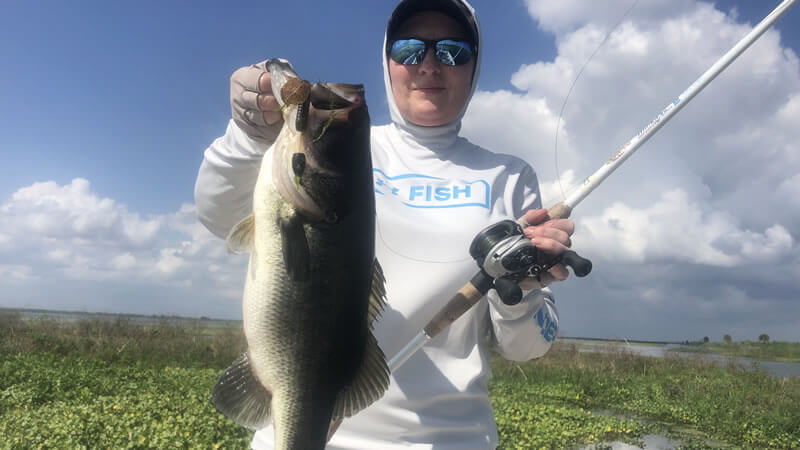
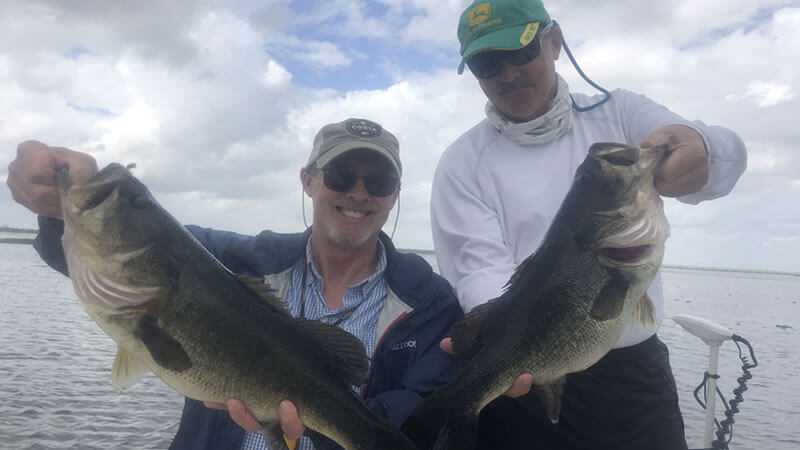
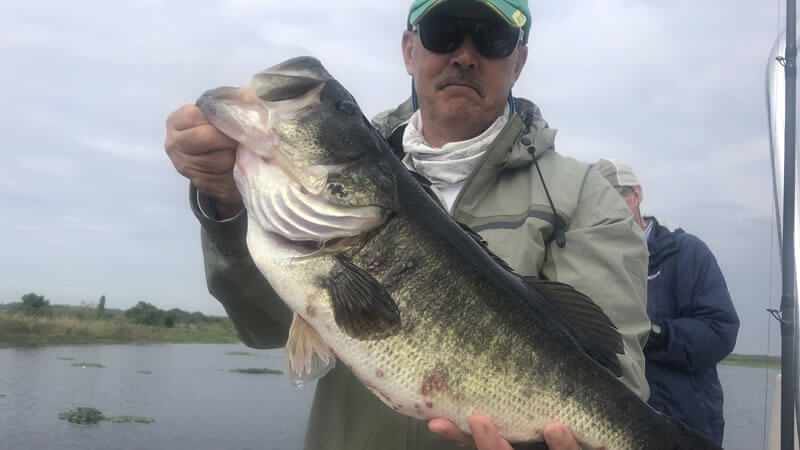
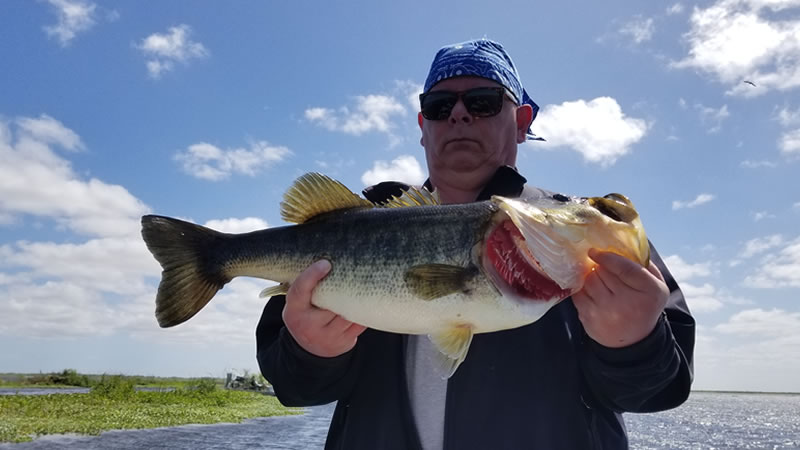
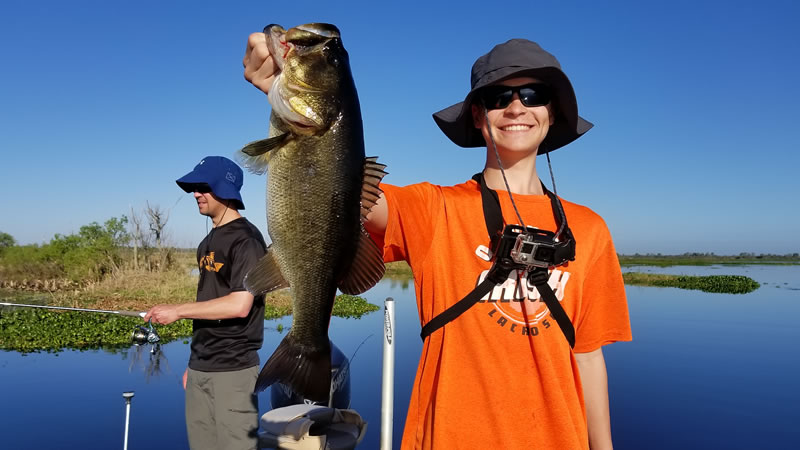
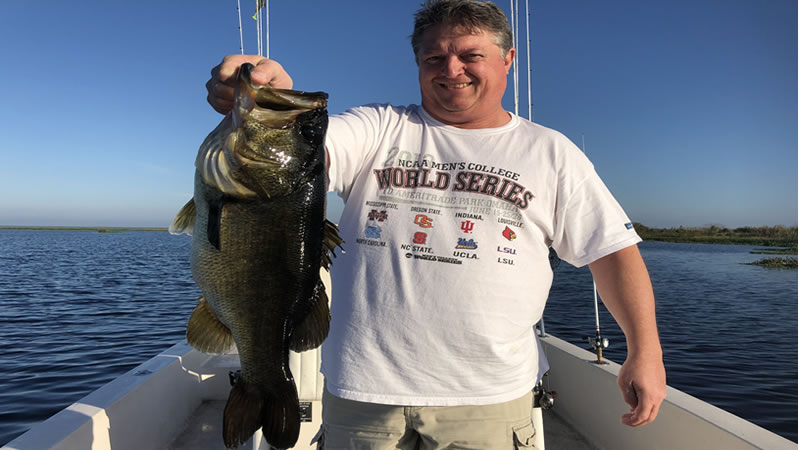
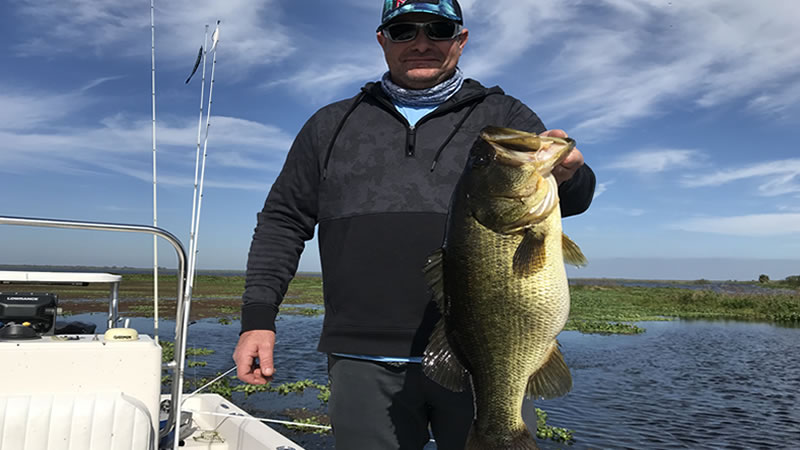
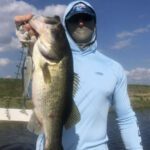
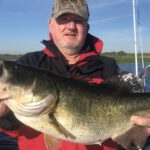
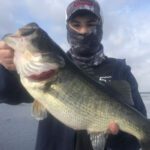
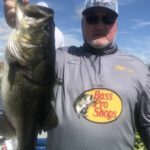
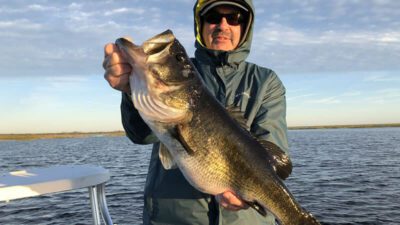
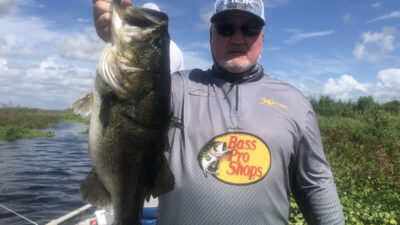
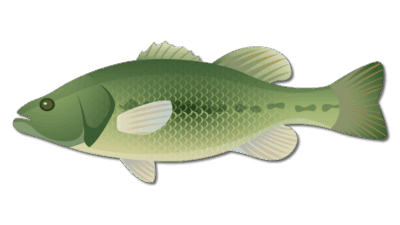
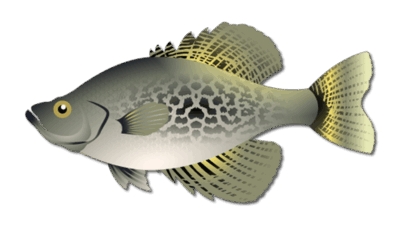
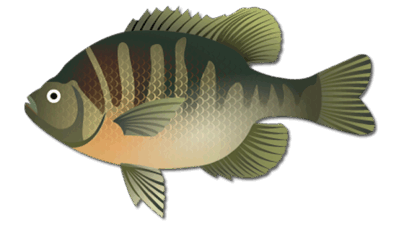
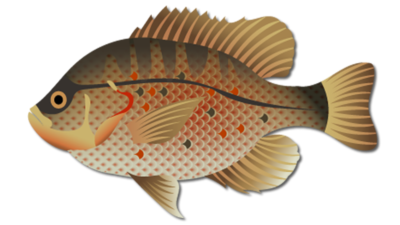
The lake is renowned for its incredible largemouth bass, redear sunfish, crappie, and bluegill fishing opportunities. Anglers on a Kenansville fishing charter have caught over 100 bass in a single trip, and it’s not uncommon to get one up to 10 pounds. This fishery has more bluegill over one pound than any other place in Florida. It’s also known to have more crappie throughout the water than any other site in the state.
The most effective method for crappie fishing in Kenansville is using small minnows on spider rigs. Crappie usually live in deeper holes during the summer and winter months.
The best time to fish for redear sunfish here is early spring with worms.
The spawning season for bass in Florida runs from late November to April, with peak months in February and March. The west side of the lake is full of grass, reeds, and cypress trees. The heavy aquatic vegetation provides an ideal habitat for baitfish and largemouth bass.
Kenansville Lake in Florida is renowned for its exceptional fishing, particularly for trophy bass. Fence lines are often the best places to catch largemouth bass. Along the edge of the grass beds, there are also some incredible bass fishing spots. Bass fishing in Kenansville Lake is full of nonstop action. Anglers typically catch the most significant bass numbers when fishing around vegetation points, and the big bass are often found in holes in the grass where they can ambush prey.
Fishing with live shiners is usually the most productive and best chance at catching big bass. 2- to 3-inch baits are the most popular here; however, some anglers have caught huge trophies on baits over six inches. Swim jigs, Senko’s, swimbaits, and topwater seem to be the favorites and most productive of the lures used here.
The best way to make the most of this big bass lake is fishing by boat; however, bank fishing is available along the lake’s north end and the access canal. Kenansville Lake is under the state’s no-harvest regulation. All largemouth bass must be released immediately after being caught.
Fishing with a guide is the best way to get to all the best fishing spots in Kenansville safely. Kenansville is a flooded Florida farm area with shallow waters and only one boat ramp.
There are numerous rows of submerged fence posts with barbed wire and drainage ditches; anyone unfamiliar with the area is advised to exercise caution. The area is also challenging for many anglers to navigate and identify productive areas that hold fish.
The area is also challenging for many anglers to navigate and locate productive areas that hold fish. Your licensed captain is a local expert who has spent years learning these waters and knowing where the fish are. Your fishing captain will have everything you need for a successful day on the water and provide you with your best chances of catching a Florida trophy bass.
But the area also has several other lakes worth exploring, like Cypress Lake, Alligator Lake, Kenansville Lake, and East Lake Toho. If you are used to fishing locations like Lake Erie, Table Rock, The Delta, or Lake Oconee, you definitely should get some assistance before launching!
To see a complete list of great Kenansville Fishing Guides, please click here!
Older guided Kenansville trips show how productive this shallow vegetation fishery can become. One trip produced 66 largemouth bass, including fish around 9 pounds and 8.1 pounds, with wild-caught shiners most productive early in the morning. Another multi-day visit produced an 80-bass day with trophy fish around 9.1 and 8.8 pounds, again on wild shiners. The durable lesson is to prioritize productive vegetation and early low-light windows, while recognizing that sustained trophy activity can continue once the correct area and bait pattern are found.
Historic Kenansville Trophy-Day Field Note: One older Central Florida guide trip moved to Kenansville Lake specifically to hunt larger bass after several high-number days elsewhere. The group caught about 25 largemouth bass, with the three largest reported at roughly 7, 7.9, and 8.4 pounds. The durable lesson is that Kenansville can reward a trophy-focused approach even when the goal shifts from numbers to size.
Historic Trophy-Day Field Note
An older two-day Kenansville Lake guide report documented exceptional trophy-bass fishing on wild-caught live shiners, including bass around 9.3 and 8.5 pounds plus strong overall numbers. This is a historical field observation, not a promise of current conditions, but it supports Kenansville’s long-standing reputation for outsized Florida largemouth bass.
A historical two-day Kenansville Lake trip produced about 85 largemouth bass with the largest reported at roughly 8.1 pounds. The report described a post-spawn pattern and strong results on wild shiners.
A separate historical Kenansville trip described muddy conditions that the original report associated with vegetation spraying and water-management activity. Despite tougher water, anglers still found 5- to 6-pound-class bass around hydrilla and water hyacinths, with Senko-style plastics and topwater frogs also producing fish. This is a historical field observation, not a statement about current lake management or conditions.
One historical Kenansville trip during cooler weather and high wind improved after the anglers located clearer water. The group reported 29 largemouth bass, including 10 fish over 5 pounds and a largest fish around 6.25 pounds. Wild shiners were the most productive presentation, while artificial lures were slower than normal. The durable lesson is to use water clarity as a location clue in difficult weather and let the fish dictate when live bait should take priority. This is historical field evidence, not a current-conditions or catch guarantee.
One historical Kenansville trip during a post-spawn period produced more than 40 largemouth bass, with many fish in the 3- to 5-pound range and the two largest reported around 6.12 and 6.9 pounds. Speed worms and swim jigs were the primary artificial presentations. The durable lesson is that post-spawn Kenansville bass can remain aggressive around vegetation on moving and swimming soft-plastic presentations even when live bait is not the main approach. This is historical field evidence, not a current-conditions or catch guarantee.
One historical Kenansville trip during high wind and muddy water produced 43 largemouth bass across the first day, including reported personal-best fish around 10.3 and 8.13 pounds. Wild-caught shiners were the most effective presentation while the artificial bite was difficult. As conditions settled and water clarity improved, swim jigs and Senko-style plastics began producing more consistently. The durable lesson is to use water clarity and wind as presentation clues: favor natural live bait when muddy conditions suppress the artificial bite, then reintroduce artificials as the water cleans up. This is historical field evidence, not a current-condition or catch guarantee.
An older Kenansville trip recorded a rapid water-temperature drop of about 10 degrees over four days. Anglers still caught more than 15 largemouth bass by starting with a Carolina rig for 2- to 3-pound fish, then switching to live bait after the morning artificial bite faded. The durable lesson is to slow down and change presentation after a sharp fall cold front rather than assuming the fish have stopped feeding. This is a historical field observation, not a current fishing report.
Historical Kenansville trips documented strong results with both live bait and artificials. One artificial-only day produced more than 25 largemouth bass, including a 7.5-pound fish, on Senkos, swim jigs, large swimbaits, and punching rigs worked around thick vegetation. On the following day, the catch dropped to 15-plus bass during a full-moon period when spawning tilapia were observed, illustrating how changing forage and spawning activity can affect the bite. Another eight-hour trip mixed artificials and wild-caught shiners for 45 bass up to 9 pounds; the largest fish ate a shiner around floating vegetation as a weather front approached, with feeding activity increasing ahead of the front. These are historical field observations, not current catch guarantees.
A historical Kenansville trip showed that when the artificial bite was less aggressive, flukes and soft-plastic worms produced best when they were dead-sticked and allowed to sit for extended periods. Depth and retrieve speed mattered: slowing the presentation and letting the bait remain in the strike zone helped generate bites, with fish reported up to about 4 pounds. Treat this as historical field evidence, not a current-condition guarantee.
nn
n
In one historical Kenansville trip, cooler temperatures produced a slower start, but soft plastics still generated bites. A June Bug Zoom Speed Worm and a black-and-blue Senko both caught largemouth bass, and the trip included two reported personal-best fish of about 8.3 and 7.14 pounds. This is preserved as historical field evidence, not a current catch guarantee.
nn
n
In one historical Kenansville Lake trip, an angler reportedly caught about 50 largemouth bass while using roughly eight dozen live shiners. Two trophy fish were reported at approximately 9.8 pounds and 9 pounds 14 ounces. This is preserved as historical field evidence of Kenansville’s trophy potential and the role live shiners played on that trip, not as a current catch guarantee.
A historical October Kenansville trip reported 30+ largemouth bass ranging roughly from 4 to 10 pounds. Wild shiners produced most of the fish, while a Terminator spinnerbait also caught a 4-pound bass. This is preserved as historical field evidence, not a current-condition or catch guarantee.
Historical field evidence: an older Kenansville trip following a cold front and high winds produced 84 largemouth bass, including a reported 9-pound fish. Wild-caught live shiners were the strongest presentation, while a swim jig and a Bass Assassin Vapor Shad in alewife also produced fish. The durable lesson is that Kenansville can continue to produce after a front when anglers adjust to conditions and mix live bait with suitable artificial presentations. This is historical trip evidence, not a current-condition guarantee.
On a historical Kenansville trip, a group reported more than 75 largemouth bass, including five fish in roughly the 7- to 9-pound range. The strongest bite came on live shiners during overcast skies with a light breeze. This is historical field evidence, not a current catch guarantee; the durable lesson is that soft light, light wind, and natural bait can combine to create strong feeding windows on Kenansville.
Historical Kenansville field reports documented unusually strong live-shiner fishing during favorable conditions. One two-day trip used roughly 12 dozen wild shiners and reported about 130 largemouth bass. A separate trip reported more than 54 bass, with many fish in the 5–6 pound class and a reported 8.4-pound largemouth. The original report also noted that lower water levels during the rainy-season period were associated with productive fishing. These are historical field observations, not current catch guarantees, but they reinforce the value of watching water level, seasonal conditions, and natural-bait response when planning Kenansville trips.
n
A historical Kenansville trip documented several quality bass on swimming flukes, Senkos, and Bass Assassin Tap Outs before two personal-best largemouth weighing about 7.13 and 9.02 pounds were caught on wild shiners. The durable lesson is that artificials can help locate active fish while natural bait may still produce the largest bites. This is historical field evidence, not a current-condition report or catch guarantee.
Historical Kenansville field reports recorded two especially strong live-shiner trips. One group landed more than 37 largemouth bass despite high winds and changing weather, including a trophy reported at 9 pounds 14 ounces. Another trip produced more than 70 bass on wild-caught shiners, with roughly 30 fish in the 4- to 6-pound range and a largest fish around 6.3 pounds. These are historical field observations rather than current guarantees, but they reinforce Kenansville’s long-running big-bass potential and the value of natural bait when trophy fish are the goal.
One historical Kenansville field report described an angler first trying the St. Johns River during a period when that area was still reported as recovering from hurricane and weather impacts. After relocating to Kenansville Lake, the trip produced about 30 largemouth bass, with the largest reported at 7 pounds and many fish in the 3- to 5-pound range. This is preserved as a historical field observation rather than a statement about current conditions at either fishery; the durable planning lesson is that changing locations can be worthwhile when weather or recent environmental impacts make one fishery less productive.