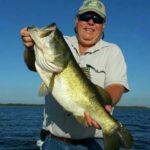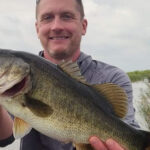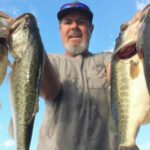

Morning Trip
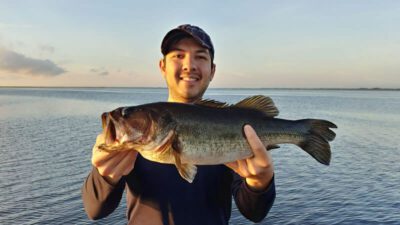
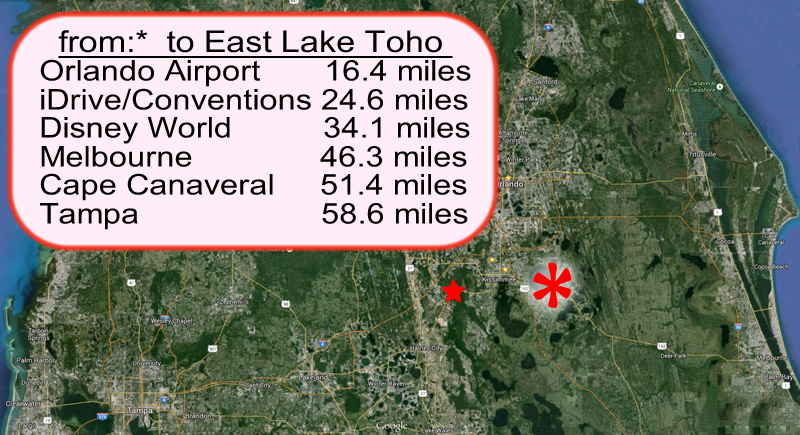
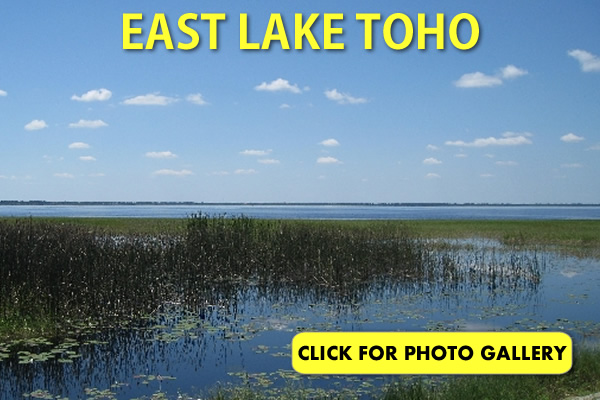

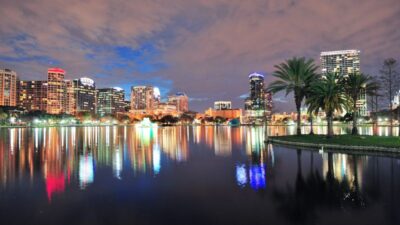

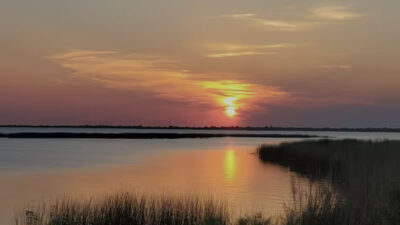
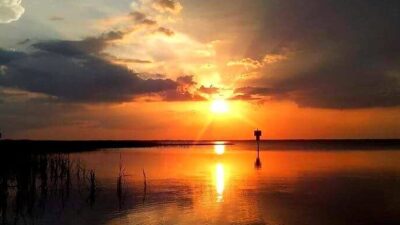
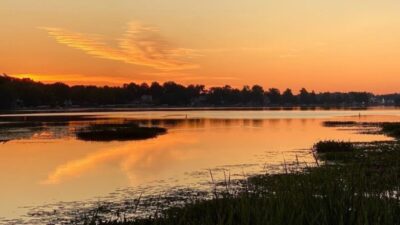
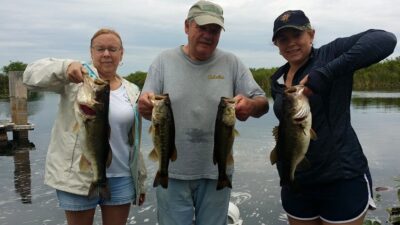
East Lake Tohopekaliga, usually called East Lake Toho, is the broad, nearly circular lake beside St. Cloud in Osceola County. It is a separate fishery from West Lake Tohopekaliga, the larger lake commonly called Lake Toho. East Toho covers about 11,968 acres and offers a mix of open-water flats, hard-bottom areas, canals, reeds, lily pads, hydrilla, and other submerged vegetation.
The lake’s urban shoreline makes access straightforward from St. Cloud, Florida, while its north and northeast sides retain productive cover around Boggy Cove and Fells Cove. Water levels, wind, vegetation, and seasonal spawning movements can change the best pattern quickly, so anglers should treat East Toho as a large, shallow Florida lake rather than assume one shoreline will fish the same all day.
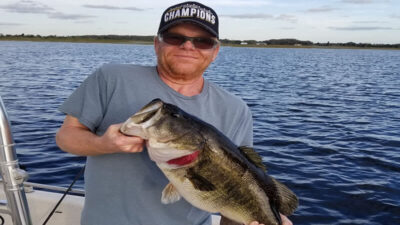
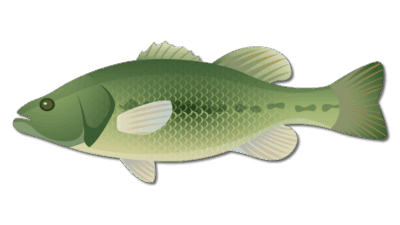
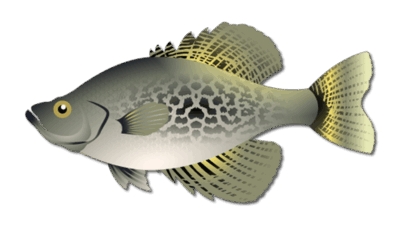
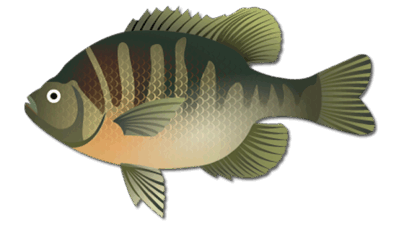
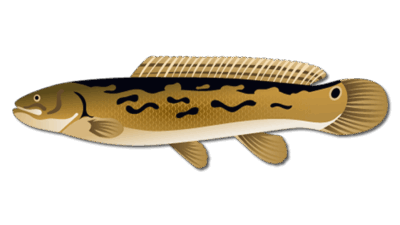
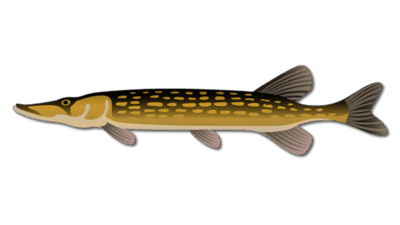
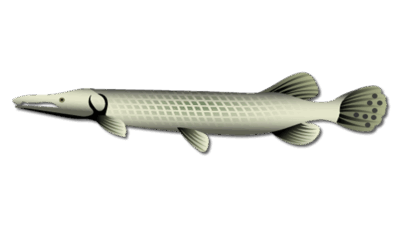
Largemouth bass are the primary gamefish. Crappie, bluegill, redear sunfish, bowfin, chain pickerel, channel catfish, gar, and other warm-water species also use the lake. Anglers targeting largemouth bass should work outside reed lines, scattered pad fields, hydrilla edges, shell or gravel, and transitions between soft and hard bottom. For crappie, drifting minnows or small jigs across open water can locate schools before the fish move closer to shoreline cover in cooler weather.
East Toho’s vegetation is not uniform. The northwest and northeast portions can hold thicker cover, while other shores may have a narrower fringe of reeds and Kissimmee grass. Wind-blown edges often concentrate baitfish. After summer rain, moving water near canal mouths can also create short feeding windows.
Cooler water from December through February can push bass toward protected cover, hard-bottom staging areas, and spawning zones. Live wild shiners are a popular trophy-bass option. Crappie fishing generally improves with the first sustained cool weather and can remain productive through the spawning period.
From March into May, look for bass around outside grass lines, reed points, pad pockets, and nearby staging water. Early spring warming can make the north side productive first. Spinnerbaits, soft plastics, jerkbaits, and topwater lures can all work as fish move between spawning cover and adjacent flats.
Early morning and late-day fishing usually provides the most comfortable conditions. Fish the shade and edges of thick vegetation, then check deeper depressions, canals, and open-water structure as the sun rises. Bluegill and redear activity can improve around beds in suitable shallow cover. Afternoon thunderstorms can change wind and current conditions rapidly.
From October into November, schooling bait and cooling water can produce strong artificial-lure fishing. Search broad flats with moving baits, then slow down with a worm or jig after locating fish. The first colder nights often mark the beginning of more consistent crappie activity.
East Toho is a shallow, bowl-shaped lake, but depth is not consistent across its nearly 12,000 acres. Lake level changes can alter navigation and the position of fish. Broad flats dominate much of the fishery, while canals, dredged areas, isolated depressions, and offshore hard bottom provide comparatively deeper options. Use a current chart and sonar rather than relying on a single published maximum-depth number.
The north and northeast areas offer reeds, pads, grasses, and submerged vegetation. Open pockets and outside edges can be especially useful for bass anglers. The travel lanes through heavy vegetation may be narrow, so stay alert for other boats and changing water depth.
Harder bottom and scattered shell or gravel can occur outside the St. Cloud canal entrance. Carolina rigs, football-style jigs, and deep-running crankbaits can help identify these less-visible targets. The canal also connects East Toho toward West Lake Toho through the managed water-control system, but lock conditions and navigation access can change.
Small points, pockets, isolated reed clumps, and canal mouths are worth checking even where the shoreline looks uniform. The Little Runnymede connection on the southeast side creates another transition area. Wind direction often determines which stretches have the best water movement and baitfish activity.
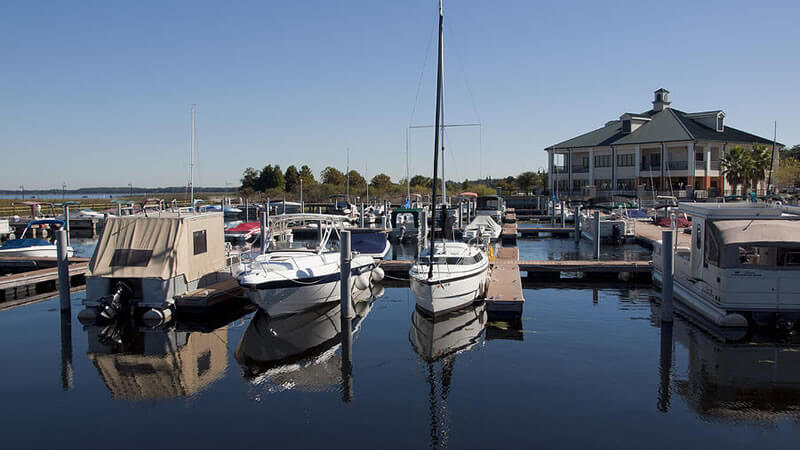
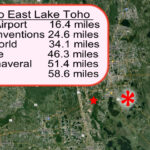
The primary meeting location is Lakefront Park, 1402 Lakeshore Boulevard, St. Cloud, Florida 34769. The City of St. Cloud’s official boat-ramp page lists the Lakefront Park ramp as a 24-hour access point with three ramps, trailer parking, restrooms, a walking dock, and a restaurant. It also lists Chisholm Park as a dawn-to-dusk East Toho access point. Check the city page before departure for current fees or temporary closures.
Launch areas can become busy on weekends and during tournaments. Prepare the boat before entering the ramp lane, secure loose gear, and watch the forecast. East Toho is open enough for wind to build a sharp chop quickly.
Productive techniques include live shiners, Texas- and Carolina-rigged worms, flipping or pitching compact plastics into cover, spinnerbaits, lipless crankbaits, jerkbaits, and topwater plugs. Match lure weight and line strength to the vegetation. When surface-schooling bass appear, cast beyond the activity and retrieve through it; after the surface bite ends, a lightly weighted soft plastic may still reach fish below the school.
Aquatic plant management can temporarily change familiar areas. The Florida Fish and Wildlife Conservation Commission’s East Lake Tohopekaliga habitat page explains ongoing habitat work and restoration goals. Avoid disturbing marked work areas and never transport aquatic plants between waters.
Most anglers age 16 and older need the appropriate Florida freshwater license unless an exemption applies. Review the current FWC freshwater fishing regulations and BassOnline’s Florida fishing license guide before the trip. Species limits, methods, and access conditions can change.
Local knowledge is valuable on a lake this large, particularly when water level, vegetation, and weather shift the bite. Compare available East Lake Toho fishing guides for current trip options, seasonal patterns, and tackle recommendations.
| Species | Jan | Feb | Mar | Apr | May | Jun | Jul | Aug | Sep | Oct | Nov | Dec |
|---|---|---|---|---|---|---|---|---|---|---|---|---|
| Largemouth Bass | 🔥 Hot | 🔥 Hot | 🔥 Hot | 🔥 Hot | 🔥 Hot | |||||||
| Crappie | 🔥 Hot | 🔥 Hot | 🔥 Hot | 🔥 Hot | 🔥 Hot | |||||||
| Bluegill | ✅ Good | ✅ Good | ✅ Good | ✅ Good | ✅ Good | |||||||
| Bowfin Fish | ✅ Good | ✅ Good | ✅ Good | ✅ Good | ✅ Good | ✅ Good |
No targeted species marked for Oct.