

Fishing the Florida Everglades can mean very different things depending on where you go. South Florida offers freshwater canals, sawgrass marshes, brackish transition zones, mangrove shorelines and Florida Bay, each with different species, access and regulations. This guide helps separate those areas so anglers can plan the right kind of trip.
Types of Fish in the Everglades
The Everglades houses a variety of different habitats with fresh, salt, and brackish water. The result is a large number of different species available depending on where you go. The sheer number of fish that you can catch here is enough to draw people from all over.
Whether you’re trying to fish the wetlands, waterways, canals, marshes, or mangroves, you’re sure to create a ton of amazing memories of fishing the Florida Everglades.
Tarpon
Tarpon are an important saltwater and brackish-water game fish around Florida Bay, mangrove channels and the coastal Everglades. Large fish are possible, but size and availability vary strongly by season, location, tide and forage.
Redfish
Redfish are common targets in shallow coastal and brackish areas, especially around mangroves, flats, creek mouths and oyster or mud-bottom habitat. Their availability changes with tide, salinity, season and weather, so anglers should follow current saltwater regulations before keeping fish.
Snook
Snook are a major Everglades and South Florida game fish found around mangroves, creeks, passes and brackish transition water. Because snook harvest seasons and size limits are regulated, check the current FWC saltwater rules before keeping one.
The Everglades ecosystem is rich with Snook because they’re not the easiest to catch down here. As a result, they tend to grow to larger sizes than you would find elsewhere in more open waters.
Largemouth Bass
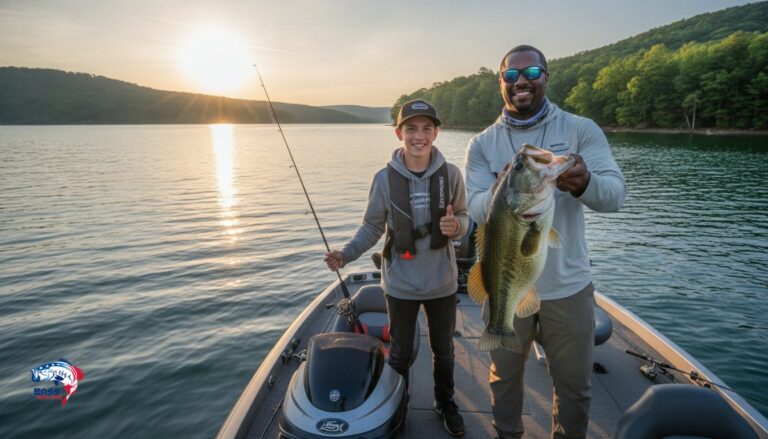
Bass isn’t the official freshwater fish of Florida for nothing, right? Few things compare to the thrill and excitement of battling a largemouth bass in the lakes, creeks, and canals that are littered throughout the Everglades.
Fishing the freshwater Everglades for largemouth bass can be productive in canals, marsh edges and connected conservation-area waters. Average fish size varies widely by location, season and water level, so avoid using a fixed five-pound expectation.
Peacock Bass
The butterfly peacock bass is a popular South Florida target, especially in warm urban and suburban canal systems. It should not be treated as a fish found uniformly throughout Everglades National Park or every Everglades waterbody; focus on known South Florida canal fisheries and current local reports.
How to Fish the Everglades

Everglades National Park protects about 1.5 million acres, but the greater Everglades ecosystem extends well beyond the park boundaries. It might seem a bit overwhelming, but if you plan accordingly, you’ll have no reason to feel uneasy about the trip. We recommend having a plan drawn out for how you intend to fish and where you want to go as well.
Let’s talk about how you plan to fish the Florida Everglades:
From the Shore
You could always fish from the shore. This strategy has the lowest barrier of entry, doesn’t require a lot of gear, and doesn’t require any special preparation if you just want to show up and wet some lines.
If shore fishing sounds like your thing, check the current Everglades National Park fishing guidance before choosing a location. NPS notes that shoreline fishing inside the park is limited, and several areas are closed to fishing.
Inside Everglades National Park, freshwater and saltwater license requirements depend on where and what you are fishing. NPS identifies Nine Mile Pond as the dividing point along the Main Park Road: freshwater rules apply at and north of Nine Mile Pond, while saltwater rules apply south of it.
From the Kayak
There’s something primitive and unique about kayak fishing, and personally, we love kayakers in the Everglades. It allows you to get up close and personal with everything that’s going on in this incredible ecosystem. When you’re in a kayak, you can navigate the many waterways and canals while taking in the sights and sounds of true marshland wilderness.
Where else in the world can you drop a line and catch some of the greatest game fish out there while paddling past alligators and manatees?
We suggest being extra careful about dropping a kayak and we recommend renting one in Everglades City if you choose to do so. The guides there will be able to help you stay safe on the water, and they’ll tell you where you should and shouldn’t go when fishing the Florida Everglades.
Know the Everglades National Park Fishing Rules
Everglades National Park has rules that differ from many outside canal systems. NPS requires the appropriate Florida fishing license unless an exemption applies, prohibits live or dead fish and amphibians as bait in freshwater park waters, closes several specific areas to fishing, and limits possession within the park. Review the current NPS fishing regulations before your trip.
From the Charter
A guided trip can be useful for first-time visitors because the Everglades is large, shallow and highly dependent on water level, tide, weather and local navigation knowledge.
Taking a charter will allow you to cover more ground and have the versatility and time to not have to worry so much about where you’re going. You can sit back, relax, and let the guide take care of all the work. Best of all, they’ll share secrets with you and bring you to the best spots that no one else knows.
Where to Fish in the Everglades

The Everglades is a massive area that covers an assortment of smaller areas. Within these are hundreds of lakes, ponds, rivers, streams, mangroves, and marshes. All of these places house incredible fishing, but you need to know where you want to go before hitting the water. Here are some of our top recommendations for the best places to fish in the Everglades.
Western Broward Everglades – Everglades bass fishing near Fort Lauderdale is a great bass fishing destination. You’ll be able to access the L67A canal, which is considered the top bass spot in the Everglades. The canal runs to Tamiami Trail, which is slower-paced, easier to fish, and has less pressure.
Ten Thousand Islands – A portion of these islands makes up the Everglades National Park, so you know there are plenty of great fishing opportunities here.
You’ll find Redfish, Snook, Tarpon, and more here. There is also an assortment of fishing charters operating on this part of the Everglades.
Alligator Alley—Alligator Alley can offer productive freshwater canal fishing when water levels and access are favorable. Fishing pressure, water depth and current conditions change through the year, so check recent reports rather than assuming the area is always high-water or low-pressure. It’s located off I-75 near the Big Cypress Swamp Wilderness of Water Conservation Area 3.
Sawgrass Recreation Park – Sawgrass allows you to really get up close and personal with the best that the Everglades has to offer. It’s a unique subtropic ecosystem rich with wildlife and plenty of great fishing. Largemouth bass, panfish, and even alligator gar are the desired catch here. Most catches are between four and seven pounds.
Florida Bay – Florida Bay is the southernmost tip of mainland Florida before the land extends out to the Keys. Again, like everywhere else, plenty of Tarpon, Redfish, and Snook are here. This is an ideal destination if you’re interested in more open-water fishing and fewer marshes and canals.
Pine Glades Lake – If you’re seeking plenty of shore fishing opportunities and something to do with the whole family, Pine Glades is an excellent spot. Here, you’ll find easy shore fishing access and plenty of panfish like Crappie and Bluegill. It makes for a relaxing and easy fishing experience for those who aren’t as serious about hooking a big one.
Snake Bight—One specific area on Florida Bay that draws a lot of attention is Snake Bight. The Snook cruise through the mangroves here, and there are plenty of access points for kayaks, boats, and even shore fishing. It’s one of the easiest and most productive locations to fish in the Everglades, so we recommend getting here early because it’s usually pretty crowded.
Fishing the Everglades Canals
Canals are a major part of South Florida freshwater fishing and can offer excellent bass fishing when water levels, temperature and access line up. Some of the most popular canals are the L67, Big 67, 67C, and L28. All the local charters recommend checking out Alligator Alley as well. This area is nice if you’re launching your boat because there are plenty of ramps with a lot of different access points. Early morning and late afternoon can be productive, but midday shade, current, cloud cover and seasonal water temperatures can also create strong bite windows.
Best Everglades Fishing Charters
Fishing the Florida Everglades is really an experience that no one ever forgets. As you traverse through the canals, you’ll almost feel like you have entered a different world. All around you is nothing but wildlife and fish just waiting for you to drop your bait.
We highly recommend recruiting assistance from a fishing charter for your trip to the Florida Everglades. It will help enhance the experience, and you will catch a lot more fish this way. Local Captains are able to introduce you to the best spots on the Everglades, and you can even charter a boat based on what you’re trying to catch.
If South Florida has been sitting on your bucket list, it’s time to cross it off with a trip to the beautiful and simply breathtaking fishing of the Florida Everglades.