 New Listing
Lake Winder
0 Reviews
Quick Summary
Quick overview of Lake Winder, FL: key species, best seasons, and what to expect on the water.
Top Fishing Guides on Lake Winder
New ListingLake Winder Reviews
Top Target Species on Lake Winder
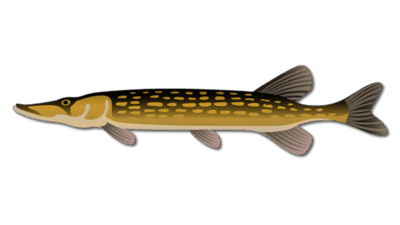
Chain Pickerel
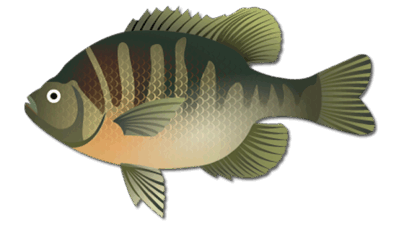
Bluegill
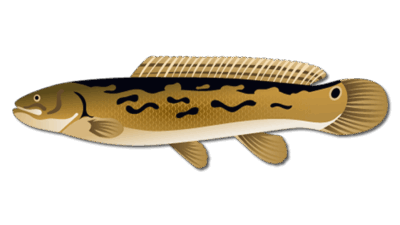
Bowfin Fish
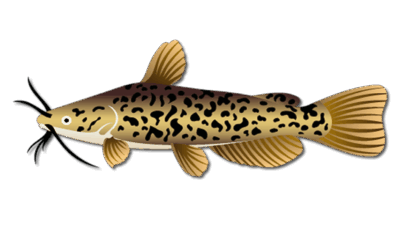
Brown Bullhead Catfish
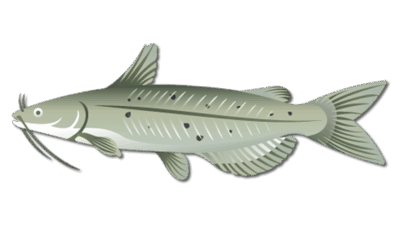
Channel Catfish
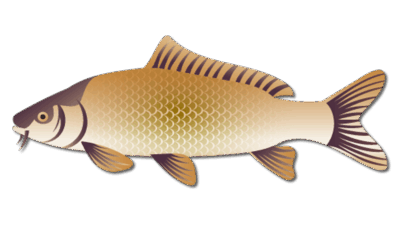
Common Carp
Nearby Cities to Lake Winder







Frequently Asked Questions about Lake Winder
What makes Lake Winder a good fishing spot?
Healthy habitat, structure, and forage make this a consistent producer. Focus on transitions, points, vegetation edges, and wind-blown banks for active fish.
Which species can I catch at Lake Winder?
Target species vary by season and water body. Expect gamefish typical to this area; check our page sections for what’s biting now and where to focus.
When is the best time to fish Lake Winder?
Spring and fall are typically the most productive, with early morning and late afternoon bites. Weather and water temps matter—check recent reports for current conditions.
Do I need a fishing license for Lake Winder?
A valid state fishing license is required in most cases. Check your state wildlife agency for the latest rules and license options before you go.
Are guided trips available at Lake Winder?
Yes—local guides are available and can simplify planning, tackle, and seasonal patterns. Browse our guide listings to compare availability and trip styles.
Fishing Lake Winder
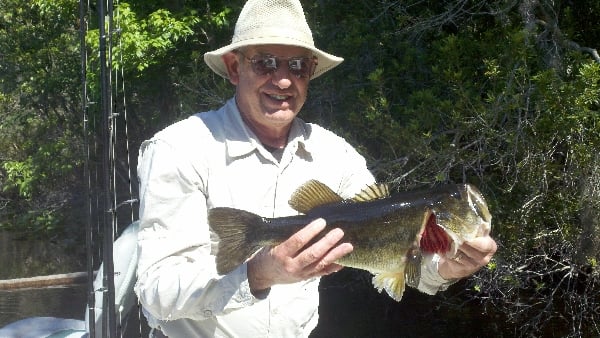 This area includes lakes Lake Winder, Poinsett Lake, and Lake Washington. St. Johns River water flow is regulated on these lakes, ensuring water to Melbourne and other surrounding cities. The Upper St Johns River reclaimed drained marshlands by creating reservoirs and replumbing existing canals. The goal is to reduce freshwater discharges to the Indian River Lagoon and improve water quality to enhance the habitat of wetlands.
Emergent sawgrass, arrowhead, Smartweed, and maidencane dominated the habitat.
The area offers several primitive camping sites accessible by boat along the river, leading to 7 miles of trail access. Portions of the hiking trail are densely wooded with hardwoods and palms, while others are entirely unshaded.
Lake Winder Fishing
Lake Winder is usually not considered an excellent speckled perch lake, and the other members of the ‘brim’-type clans are often challenging to find. As we will discover later, most anglers find more than their share of these fish in Lake Poinsett.
The main concentrations of open-water vegetation in Lake Winder are found on the western half of the lake, particularly along its southern end. The southern part is where the entrance point of the St. Johns River lies; the concentration of water-borne nutrients may be a factor causing the growth. Naturally, it is possible to find the entrance of the north-flowing main river. Still, Lake Winder’s massive development often complicates the process, with some good fishing on the river’s southern stretches. Look for vegetation in the shallows. Only anglers with large gas tank reserves should try this extreme distance from the nearest launch; usually, they venture into this water section.
Additional Details
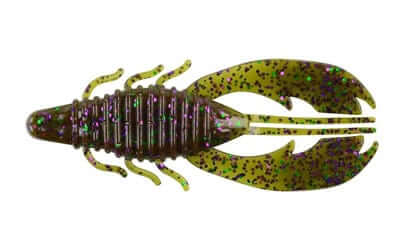
The bottom contours of Lake Winder have minimal variation. Other than vegetation, there is little real ‘structure.’ We find a few open-water shell beds along the eastern side of the lake, which are excellent in the early summer and during the winter months. The best way to find these shells is to look for the two- and three-foot depths along the eastern side. Then, try due west until the water begins to drop into four to six feet. The shells will be found on small rises or high spots that lie just along or jut out from the trace of the falling contour. Rat-L-Trap and other shallow cranking lures produce well in the summer months. Use chase baitfish lures after the spawn during winter and spring for bass. Throughout the year, the plastic worm remains productive.
Possibly, the western half of the lake holds the most potential for the newcomer to Lake Winder. In general, this part of the lake is part of a collection of open-water grass with open area stretches of sandy bottom. History has shown that most spawning occurs on the western side, primarily in the northwest corner. During the last winter and early spring, when the peppergrass, hydrilla, and milfoil beds are thin, the spinnerbait is an exceptional lure. Additionally, the Devil’s Horse and Bang-O-Lure top-water action is astounding. The spawn’s arrival is often marked by the plastic worm, which will entice the fickle fish to strike.
Boat Ramp Access
Several boat ramps are available for access to the water.
The entrance is open at 7 am for Car access to the property, which is located at Wickham Road and the western terminus. Then promptly closes at 7 pm each day.
The boat ramp is available at Lake Washington County Park and on State Road 520, U.S. 192. For driving directions and details on how to get to your location, see the Google Map below.
Please allow gate time to exit the gate at 7 pm.
The Decline & Change
Initially, the first 40 miles of the upper St. Johns River were possibly the best fishing destination in the World. In recent years, however, the drainage basin comprising the marsh has been severely degraded by rapid silting of the deeper areas. Consistent with Florida water management problems, an explosion of vegetation that’s choking the life out of the lakes.
For years, they have blamed the causes on the livestock and agriculture industry. Many of the problems began when the state dug canals to drain and claim valuable lands, thereby preventing the natural flow of rain and seepage water through the flats and marshes, which would have allowed silt to settle. However, the canals rapidly ejected both directly into the three natural drainage depressions at the true river headwaters. Through the cooperation of all parties, including farming interests, the Government, and interested sportsman groups, the upper St. Johns River basin shows signs of life.
One problem typically breeds others, and in this case, the decline led to increased angling further downriver. The population of local anglers and the lack of quality fishing opportunities in Lake Washington areas led them to a few locations.
Wildlife viewing
This area provides habitat for various fish and wildlife species, including Bald Eagles, Wood Storks, River Otters, and Florida Sandhill Cranes. Diversity is a vital recreational resource for anglers, hunters, boaters, and bird-watchers. Visitors may also encounter cattle on the property.
Lake Winder Map
Nearby Lakes
We also have great available lakes in the following areas that match your search criteria.
Featured Post for Lake Winder