Best Seller
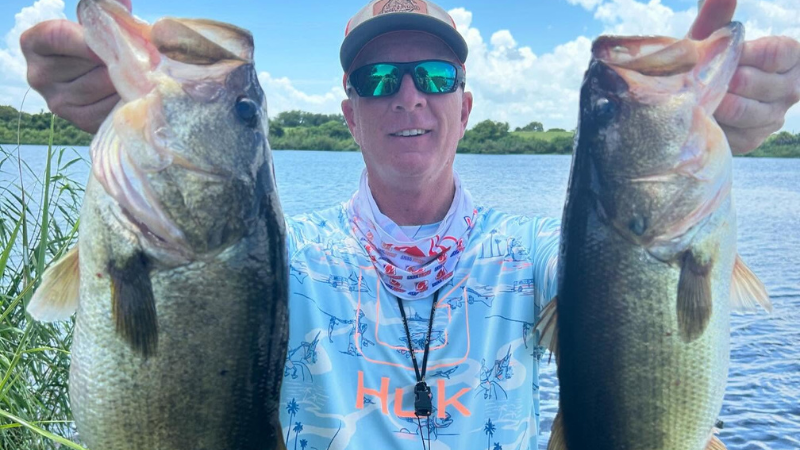
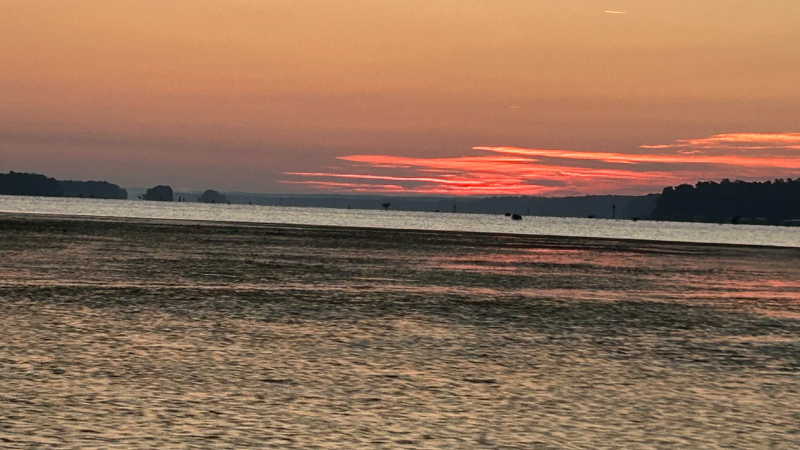
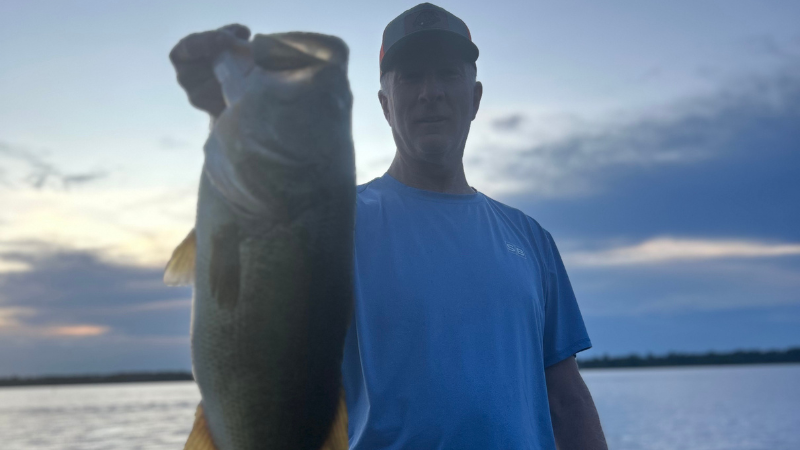
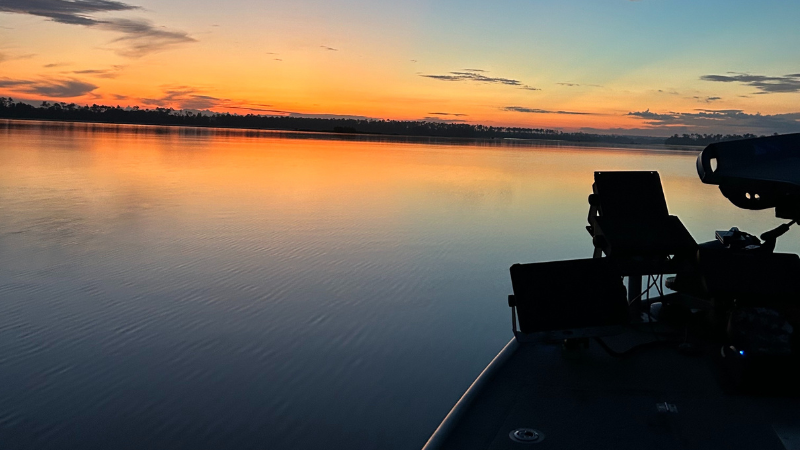
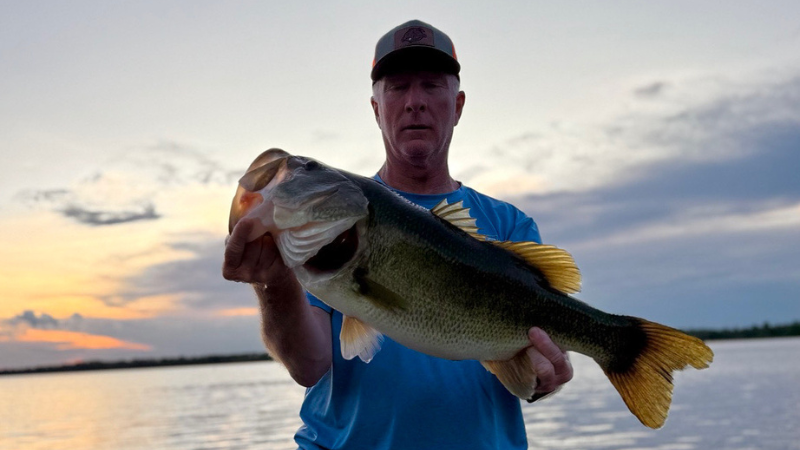
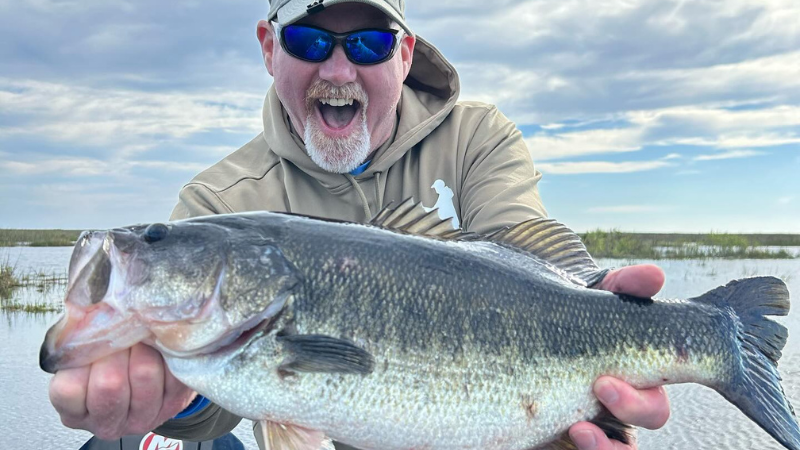
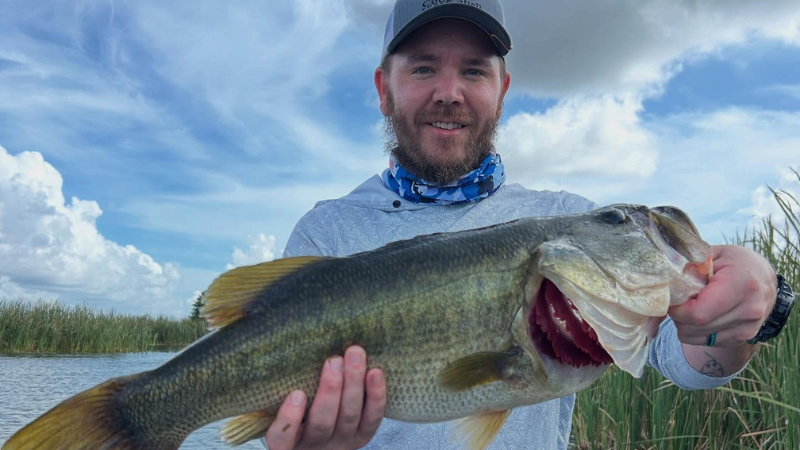
Verified upcoming fishing trips are available for Lake Seminole. View the available trip option below.
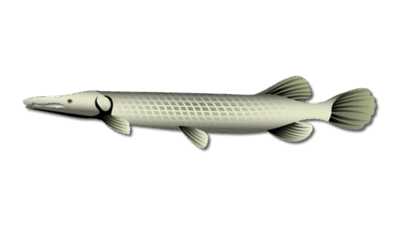
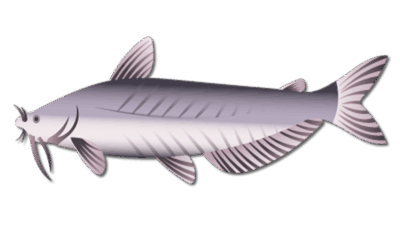
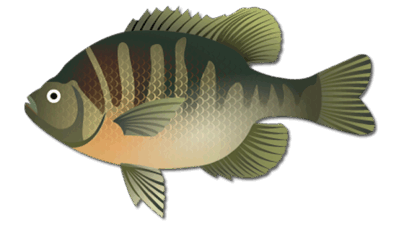
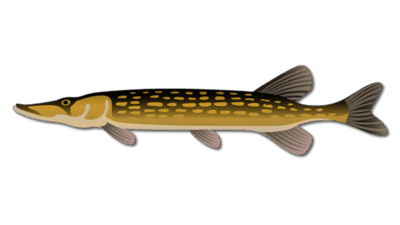
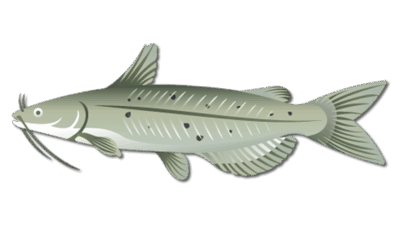
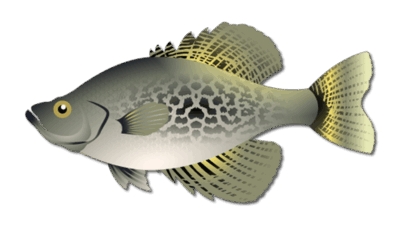

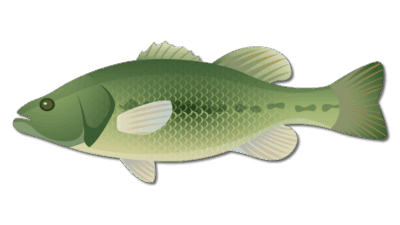
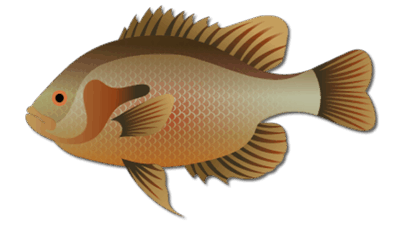
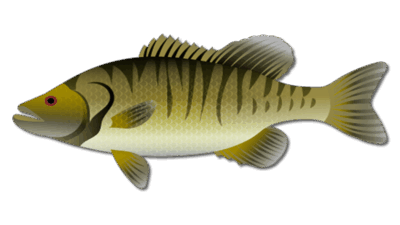
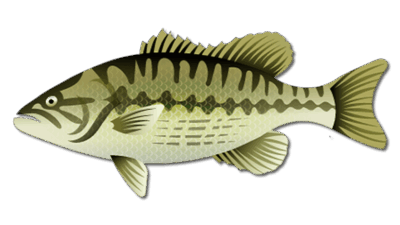
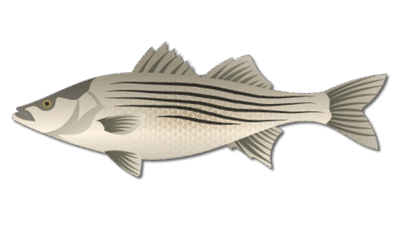
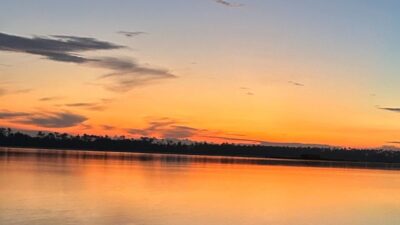
Lake Seminole is a 37,500-acre reservoir where the Chattahoochee and Flint rivers meet at the Georgia-Florida border. Its grass beds, flooded timber, river channels and broad flats support largemouth bass, crappie, catfish, striped bass, hybrid bass, chain pickerel and sunfish. This Georgia page covers destination planning, Bainbridge-area access, guided trips and family visits. For detailed seasonal bass tactics, use our Lake Seminole bass fishing guide.
Most of Lake Seminole lies in Georgia, and the reservoir is one of southwest Georgia’s major multi-species fishing destinations. The U.S. Army Corps of Engineers created the lake at Jim Woodruff Lock and Dam, where the two rivers form the Apalachicola River. Anglers encounter open flats, hydrilla and other aquatic vegetation, creek mouths, old river channels and standing timber.
Georgia’s official fishing forecasts identify largemouth bass, redear sunfish, black crappie, channel catfish and blue catfish among the lake’s best opportunities. Conditions change across such a large reservoir, so match your target species and season to the right habitat instead of treating every arm of the lake the same.
Our Georgia-side guided trips meet near Bainbridge at 139 Wingate Road. The trip cards on this page show current four-, six- and eight-hour options. A shorter trip often works well for children, first-time anglers or groups balancing fishing with other activities. A longer trip gives experienced anglers more time to compare river arms, vegetation and offshore structure.
A local guide can shorten the learning curve on a reservoir with submerged timber and multiple river channels. Before booking, tell the team about each angler’s age, experience, mobility needs and preferred species so the captain can recommend an appropriate boat and trip length.
Largemouth bass are the headline species, but Lake Seminole is not a bass-only fishery. Crappie relate to brush, timber and channel edges; bluegill and redear sunfish provide approachable family fishing; catfish use river channels and deeper water; and striped and hybrid bass follow current and forage. Visit our crappie guide or the main bass article when you want species-specific planning.
These are durable seasonal patterns, not a substitute for a current lake level, weather forecast or on-water report. Check official resources before departure and adjust once you see water clarity, vegetation and current.
Seminole State Park gives families a Georgia-side base with cottages, campsites, a swimming beach, picnic areas and lake access. It works well when some family members want activities beyond fishing or when a group wants to divide the day into shorter outings.
For young anglers, keep the first session simple. Choose a manageable trip length, bring water and snacks, use properly fitted life jackets, and focus on frequent participation rather than one trophy target. Panfish or crappie can provide steady action, while a guide can simplify tackle and boat logistics. Sun protection, rain gear, insect repellent and a waterproof bag for phones help keep the day comfortable.
Lake Seminole’s grass, standing timber and river channels create excellent habitat but demand attention from boaters. Use current charts, marked routes and required safety equipment. Check weather and lake conditions before launching, and slow down whenever visibility, debris, vegetation or unfamiliar water makes navigation uncertain.
Wildlife viewing is part of the experience, but keep a respectful distance from alligators, nesting birds and other animals. Never feed wildlife. Anglers should also clean, drain and dry equipment when moving between waters to reduce the spread of invasive species.
Lake Seminole is covered by a reciprocal Georgia-Florida agreement within defined waters. A valid license from either state may be recognized inside that boundary, but the rules applied can depend on where you are fishing. Review the current border-water agreement and the applicable state regulations before keeping fish. The Florida Lake Seminole page covers Florida-side access and FWC guidance.
Select a trip length above to view current pricing and availability. If you are unsure whether the Georgia or Florida meeting point fits your plans, compare both lake pages and ask the booking team before checkout. The goal is a clear route, an appropriate boat and a trip built around your group rather than a generic day on the water.
| Species | Jan | Feb | Mar | Apr | May | Jun | Jul | Aug | Sep | Oct | Nov | Dec |
|---|---|---|---|---|---|---|---|---|---|---|---|---|
| Largemouth Bass | ✅ Good | 🔥 Hot | 🔥 Hot | 🔥 Hot | 🔥 Hot | 🔥 Hot | ✅ Good | 🐢 Slow | 🐢 Slow | ✅ Good | ✅ Good | ✅ Good |