
Birmingham, AL
Birmingham: Reel in the Adventure, Cast into Southern Charm
Verified upcoming fishing trips are available near Birmingham, AL. View the available trip option below.
Book Birmingham, AL Fishing Trip
Smith Lake

Quick Summary
Top Lakes Near Birmingham, AL

 Guides Available
Fishing Guides in Birmingham, AL


Top Target Species in Birmingham, AL
Bluegill
Channel Catfish
Common Carp
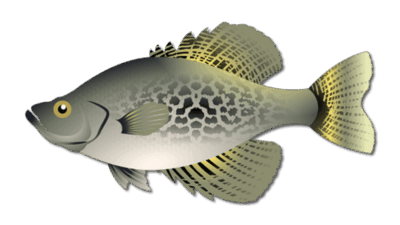
Crappie

Flathead Catfish
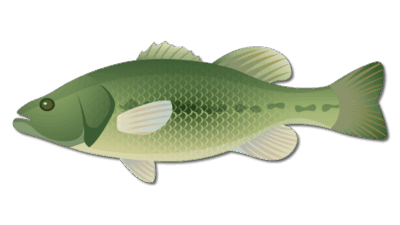
Largemouth Bass
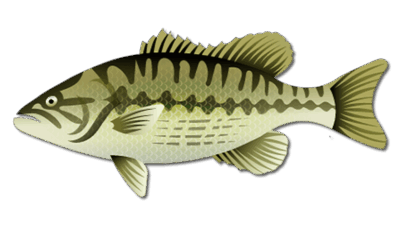
Spotted Bass
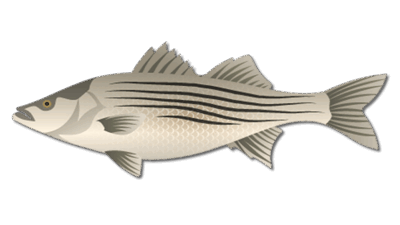
Striped Bass
Frequently Asked Questions about Birmingham, AL
What are the best locations for bass fishing near Birmingham?
Where can I catch fish in Birmingham Alabama?
Are there seasonal tips for bass fishing in Birmingham?
What regulations should I be aware of?
Which baits and lures work well for bass in Birmingham’s lakes?
About Birmingham, AL
Popular Birmingham Fishing Spots
Situated in the Jones Valley, Birmingham, AL, is full of creeks, rivers, and parks that are suitable for fishing. The rivers flowing across the state offer anglers many opportunities to find the right fishing spot.
The area offers several different freshwater fisheries. Bass, crappie, bream, and catfish are common targets in local lakes, while the Sipsey Fork tailwater below Smith Lake provides a separate rainbow trout fishery.
If you plan on visiting these Alabama lakes near Birmingham and trying your luck at fishing in the Alabama waters, you will find this article useful. If searching, we explored the best fishing spots near me while in Birmingham and listed them below. Additionally, you will learn more about the fish species you can find nearby.
Best Spots for Fishing in Birmingham AL
The climate for fishing in Birmingham, Alabama, is convenient, and there are several lakes near Birmingham, Alabama, that you mustn’t miss. Read more about them below:
Lake Purdy
When it comes to fishing in Birmingham, AL, Lake Purdy is the first stop – simply because it’s only a 25-minute drive from downtown. Lake Purdy is a drinking-water reservoir with fishing for bass, crappie, catfish, and bream. Check the operator’s rental and fishing information before visiting.
Along with the excellent fishing conditions in this lake, there are more reasons we like fishing at this lake. Firstly, if you’re a foreign angler, you don’t have to worry too much about the equipment because there are excellent fishing shops around if you forget something. Moreover, you have boat rentals for affordable prices, and you get to explore the lake and the surrounding area.
Secondly, there are no private boats here, creating a healthy environment for the fish species to grow into quality catches.
Oak Mountain State Park
Oak Mountain State Park in Pelham has seven lakes, six of which are public fishing waters. Double Oak, Lunker, and Beaver lakes have launches. Tranquility Lake is reserved for cabin guests, while Catfish, Demopolis, and Belcher lakes are on the Belcher Tract and require carrying in small craft rather than driving to a launch.
The park fishing page lists bass, bream, catfish, and crappie. Public fishing lakes operate during normal park hours. Gasoline motors are prohibited; electric trolling motors are permitted on the public lakes in Oak Mountain Proper. Check individual access rules, park hours, and posted limits before visiting.
Sipsey Fork below Smith Lake
The Sipsey Fork is a river tailwater below Smith Lake Dam, not a reservoir. Deep-water releases keep it below 70°F throughout the year and support a stocked rainbow trout fishery. Alabama Wildlife and Freshwater Fisheries normally stocks about 3,000 trout monthly; check the current schedule for changes.
Outdoor Alabama describes this as a put-and-take fishery with a five-trout creel and possession limit. Catch-and-release is optional; culling trout already placed in a cooler, stringer, or other creel is prohibited. Check the agency’s current rules and access guidance. Dam releases can raise water levels rapidly; check generation conditions before entering the water.
Cahaba River
The Cahaba River offers several access choices rather than one uniform fishing site. Cahaba River Park in Shelby County provides fishing and paddling opportunities when water levels permit. Farther downstream, the Cahaba River National Wildlife Refuge in Bibb County offers designated public access.
Choose a specific public access point and check current conditions, site rules, and land ownership. Bank fishing is possible at suitable public locations; do not assume all river frontage is accessible or that conditions are suitable for wading.
Georgetown Lake Park
Georgetown Lake Park is in Hoover. The city facility page describes a three-acre lake, walking track, playground, grill, and gazebos. The city’s description does not establish current fishing permission or a stocking program. Confirm fishing access and posted rules with Hoover before planning an angling visit.
Joe Tucker Park
Joe Tucker Park is in Helena, southwest of Birmingham. The county facility listing includes fishing, walking trails, picnic areas, playgrounds, and restrooms. The park is maintained by the City of Helena. Check current posted fishing rules; catch sizes and preferred rigs are not guaranteed.
Fish Species in Birmingham, Alabama
Alabama waters are home to many fish families that are impossible to mention. As mentioned above, only the Cahaba River has 135 fish species that are distributed all around the lakes nearby.
Below, we discuss the main fish species that can be found in Birmingham, Alabama.
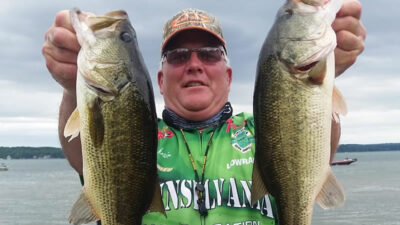
Largemouth Bass
Largemouth bass is the predominant species inhabiting Birmingham, Alabama, Lakes. Yet, besides the lakes, the largemouth bass can create habitats in ponds, rivers, streams, or large reservoirs.
They are known to be ambush predators and carnivores. You may not always see them, but their usual hiding places are in rocky areas, under leaves, or near the banks. They feed on smaller fish such as minnows, frogs, crabs, or even insects (especially while younger), and they can be very aggressive.
Basses are also protective during the spawning season. If you fish during this season, expect resistance and strong pulling, and they will not be the ones to break first. You can recognize them by their greenish bodies with black stripes and their large mouths, of course. Their green and black body allows them to camouflage easily and outsmart their prey.
Spotted and Alabama Bass
Use the fishery’s actual species identification when planning a trip. Outdoor Alabama distinguishes true spotted bass from Alabama bass, the fish commonly called “spotted bass” in the upper Mobile basin. These are separate species, so a general regional nickname should not substitute for identification.
Compare the agency’s black bass information with the species and regulations for your chosen water. Cover, depth, current, and forage influence where bass feed.
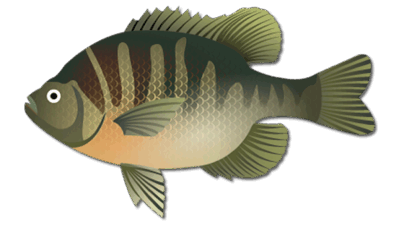
Bluegill
Bluegill occur in Alabama ponds, streams, rivers, and reservoirs. Outdoor Alabama lists typical adult lengths of 6–10 inches and an extended spawning season from spring into early fall. Small hooks, light tackle, and appropriately sized bait can make them a practical target for beginners.
Check the state species information and site-specific fishing rules. Spawning activity and catches depend on conditions; they are not guaranteed on a fixed monthly schedule.
(White) Crappie
White crappie inhabit rivers and reservoirs, with some smaller fish entering streams. They feed on small fish and other aquatic prey and often gather around submerged structure. Lakes can support crappie; the claim that they cannot adapt to lake habitat was incorrect.
See Outdoor Alabama’s white crappie profile. Match your approach to the species present, water clarity, seasonal movement, and posted limits.
Tips for Fishing in Birmingham, Alabama
As mentioned, largemouth bass, crappies, bluegills, and spotted bass are the predominant species in the fish population. Perhaps because of their great popularity, we often see them targeted as championship fish.
Catching a trophy requires wit over skills. Often, you need to think like a fish to outsmart them. Many non-fishing people assume that all fish get hooked on the same bait. But the real fisher recognizes and identifies multiple fish personalities that get caught on separate fishing baits.
Below, we specify the required fishing gear for the most popular fish in the lakes near Birmingham, Alabama.
Best Lures and Rigs for Largemouth Bass
Largemouth basses are carnivores and tend to feed on smaller fish like minnows, crayfish, or other other aquatic prey, so it’s only logical that live baits work like a charm here. Therefore, live worms appear to work fine. Plastic lures, such as worms or jigs, are just as effective as live baits.
As for the rigs, the most popular rig for largemouths is the C-rig. It is practical, easy to understand, and works like a charm with almost all largemouth lures. T-rig is also popular, but the Carolina rig is simply versatile.
Best Lures and Rigs for Crappies
Crappies are one of the fish targets usually recommended for beginners. They do not require overly demanding techniques to be lured, but the angler still needs to be prepared.
Crappie feed on small fish and aquatic invertebrates. Small jigs or minnows, where permitted, can be used around suitable cover. The skipping technique is one of the best ways to catch crappie, but it’s also essential to know where and how to approach crappies.
Since they are usually hiding in the bushes, you need to catch their attention or provoke a reaction. Use a plastic bait, such as a worm or other lure, and make a few moves by using the shaky technique. Make sure to mimic the movements as realistically as possible to lure them out of the ambush.
Best Lures and Rigs for Spotted Bass
Although largemouth and spotted bass belong to the same family, there are still some significant differences between them. Namely, the spotted bass are less common than the largemouth basses and smaller in size than their relative largemouths. In terms of spirit, the spotted bass is just as feisty as the big fish.
However, the most recommended lures for hooking spotted bass are spinnerbaits. Plus, other realistic lures also work great for spotted bass. Yet, if you don’t own any of these baits, you can use the spoon lure that works on all bass families and other fish types. In fact, flashing the light from the spoon into the spotted bass provokes them to feed their curiosity or fight off the light.
As for the rigs, the Drop-shot rig appears to be most suitable for the spotted bass.
Best Fishing Gear for Bluegills
Bluegills also mostly populate the lakes in Birmingham, Alabama. They can be quite an attraction for winter fishing, though they are usually considered prey fish.
For open-water bluegill fishing, start with light tackle, small hooks, and small portions of bait such as worms. Fish around suitable cover and adjust your presentation to depth, water temperature, and fish activity. Check access and bait rules for the specific lake or river reach.
Birmingham, Alabama Fishing Regulations
Alabama residents ages 16–64 generally need an appropriate freshwater fishing license, subject to exemptions. Residents age 65 and older are exempt from purchasing a freshwater fishing license but should carry proof of age and residency. Some resident bank-fishing exemptions also apply.
Nonresidents age 16 and older generally need the appropriate license; the resident age-65 exemption does not apply to visiting anglers. Check Outdoor Alabama’s license guidance and the rules for your exact water, including site permits, access restrictions, and species-specific limits.
Fishing in Birmingham, Alabama: Final Words
To conclude, fishing in Birmingham, AL, is quite dynamic. As we have seen, many beautiful lakes, reservoirs, ponds, rivers, and streams around Birmingham provide ideal habitat for the fish that inhabit Alabama waters.
Although many fish species inhabit the lakes near Birmingham, Alabama, the most common are the largemouth bass, spotted bass, crappies, and bluegills. Choose the individual fishery for your target species rather than assuming every Birmingham-area lake has the same fish population.
Ultimately, let’s not forget that fishing in Birmingham offers priceless experiences and unforgettable views of the nature surrounding the lakes. We hope you found the article helpful and that it answered your question, “Where to fish in Birmingham, AL?”.
Other Related Cities