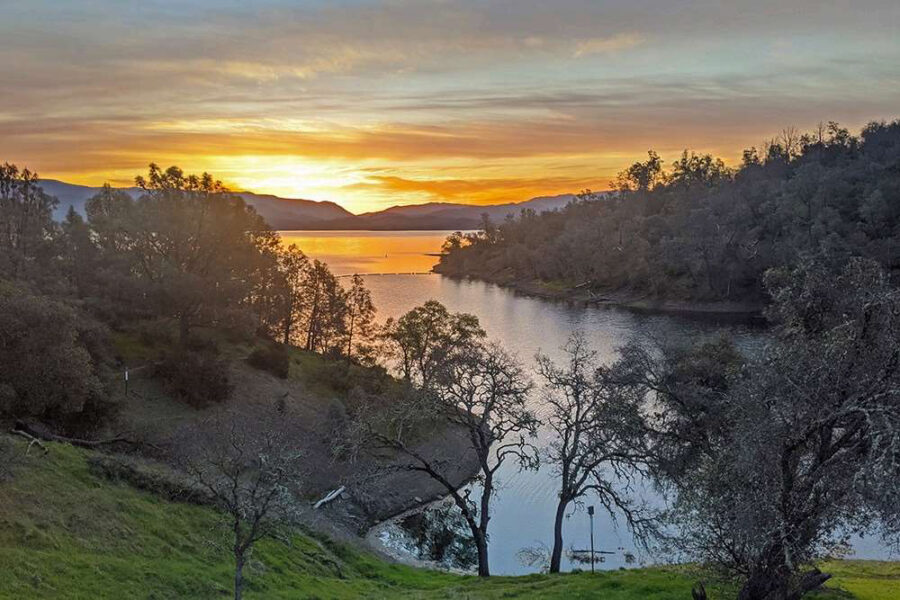
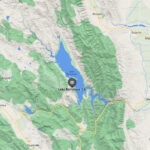
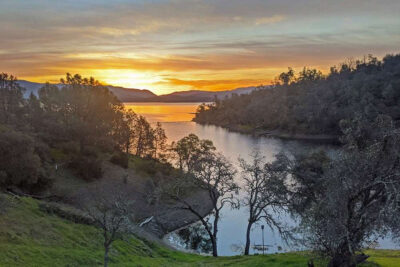
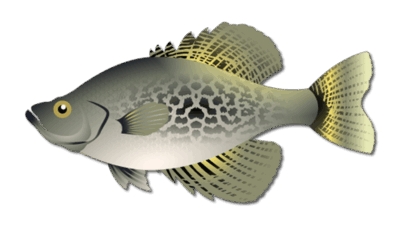
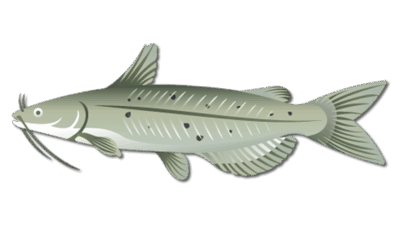
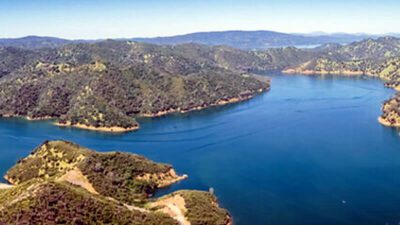
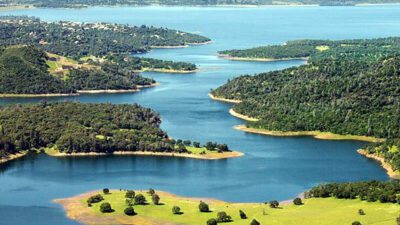
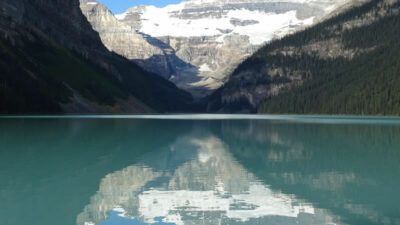
Lake Berryessa is a 20,700-acre reservoir in eastern Napa County, California, with both warmwater and coldwater fishing. Anglers can target largemouth, smallmouth and spotted bass, rainbow trout, kokanee, landlocked Chinook salmon, crappie, bluegill and catfish in a lake that combines rocky structure, creek arms, open-water forage and deep summer habitat.
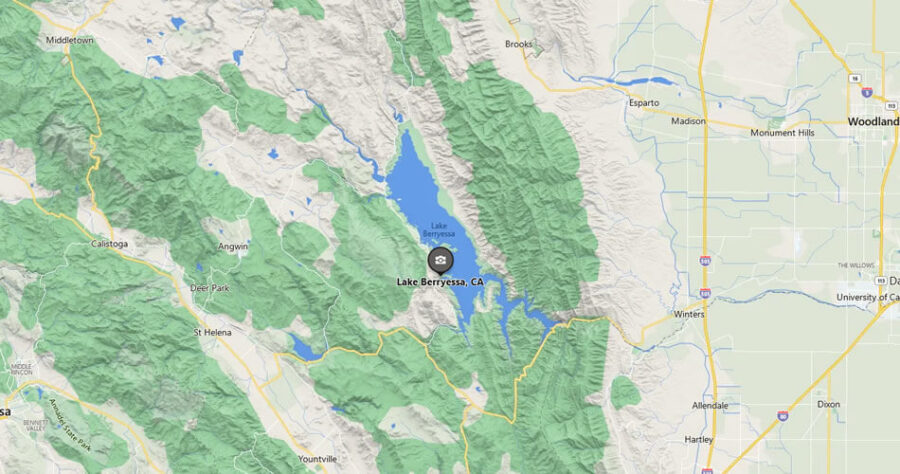
The reservoir is managed by the U.S. Bureau of Reclamation as part of the Solano Project. At capacity, it stretches about 23 miles, reaches roughly three miles across and has approximately 165 miles of shoreline. Water level, ramp availability and invasive-mussel procedures can change, so review the official Lake Berryessa update before traveling.
Lake Berryessa Fishing Overview
Lake Berryessa is unusual because bass, panfish, trout and salmon all receive meaningful angler attention. The California Department of Fish and Wildlife identifies the lake as a strong warmwater fishery for largemouth, smallmouth and spotted bass and a coldwater fishery for rainbow trout, kokanee and Chinook salmon. That variety allows anglers to change species and techniques as water temperatures, forage and reservoir elevation shift.
Bass commonly relate to rocky points, creek-channel swings, submerged brush, island structure and transition banks. Trout and salmon often move through open water and become progressively deeper as the surface warms. Crappie and bluegill use brush, docks and protected pockets, while channel catfish are most dependable around coves, flats and deeper edges.
Primary Fish Species
Spotted, Largemouth and Smallmouth Bass
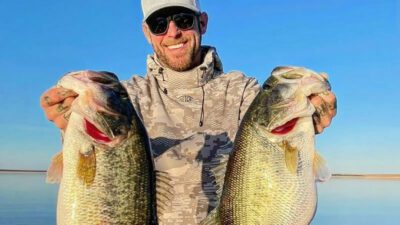
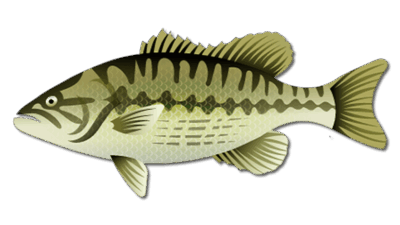
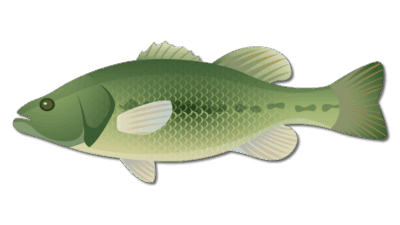
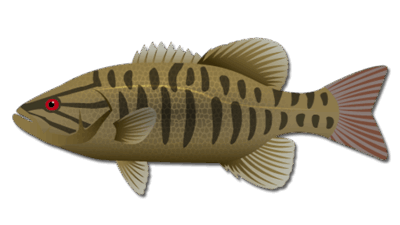
Berryessa supports all three major black bass species. Spotted bass are frequently associated with rocky points, steep banks and offshore structure. Smallmouth bass favor rock, gravel and clearer water, while largemouth bass are more likely around vegetation, wood, protected coves and warmer shallow habitat.
Jerkbaits, crankbaits and swimbaits can cover water when bass are chasing forage. Finesse worms, drop-shot rigs, jigs and soft-plastic craws are useful around points and deeper structure. During stable low-light periods, topwater lures can produce around shallow cover and schooling baitfish.
Rainbow Trout, Kokanee and Chinook Salmon
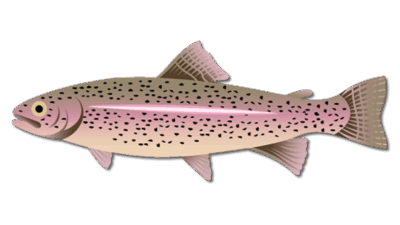
Rainbow trout can be accessible from shore during cooler periods and are commonly pursued by trolling as the lake warms. Kokanee and landlocked Chinook salmon generally require attention to depth, temperature and forage. Trolling spoons, small plugs or hoochie-style presentations behind flashers or dodgers is a common approach, with downriggers helping maintain a repeatable depth.
Coldwater fish may be found nearer the surface in winter and early spring, then progressively deeper from late spring through summer. Current sonar readings and water temperature are more useful than relying on a fixed depth from an old fishing report.
Crappie, Bluegill and Catfish
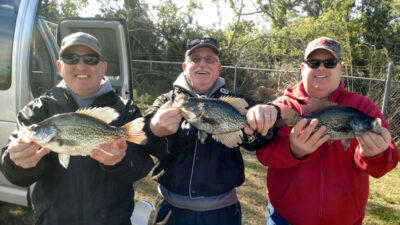
Crappie and bluegill use brush, docks, submerged trees and protected shoreline cover. Small jigs, minnows and compact natural baits are effective when fish are concentrated. Channel catfish can be targeted with cut bait, prepared bait or nightcrawlers along flats, coves and channel edges, especially during warmer months and low-light periods.
Best Times to Fish Lake Berryessa
Winter: Cooler water can bring trout within reach of bank anglers and keeps bass close to deeper points, creek channels and rock. Slow presentations and careful depth control are important.
Spring: Spring is the strongest all-around season. Bass move toward staging areas and spawning habitat, crappie use protected cover, and trout or salmon may still be reachable without extremely deep trolling.
Summer: Early morning and evening are productive for shallow bass activity, but much of the daytime fishing shifts toward deeper structure. Trout and salmon anglers commonly rely on sonar, downriggers and controlled trolling speeds.
Fall: Cooling water can concentrate baitfish and create renewed bass activity around points, creek arms and channel intersections. Trout may gradually become more accessible as the upper water column cools.
Productive Fishing Areas
Putah Creek Arm
The Putah Creek arm offers channel bends, rock, submerged timber and protected water. Bass, crappie and catfish may all use this broad area, but water level determines which shoreline and offshore features are available.
Big Island and Small Island
The islands and nearby channel structure create points, humps, ledges and travel corridors. Bass anglers can work the full depth range with moving baits before slowing down on productive rock or brush.
Spanish Flat and Quarry Canyon
This central-lake area provides points, coves, docks and varied structure. It can support bass and panfish while also serving as a practical starting area for anglers learning the lake.
The Narrows, Markley Cove and the Dam
The southern lake has steep banks and deep water that can hold bass, trout and salmon. Boat traffic and afternoon wind can make positioning more difficult, so use conservative navigation and monitor changing conditions.
Boat Ramps and Golden Mussel Requirements
The Bureau of Reclamation lists launch and visitor services at Markley Cove Resort, Pleasure Cove Marina, Steele Canyon Recreation Area, Putah Canyon Recreation Area and Spanish Flat Recreation Area. Individual ramps may close because of water level, construction or operating conditions. Check the current Lake Berryessa boating page for launch availability and hours.
Lake Berryessa currently requires boats to follow an inspection and seal program intended to prevent the spread of invasive golden mussels. Requirements differ for sealed vessels, boats needing quarantine or approved hot-water decontamination, hand-launched craft with electric motors and nonmotorized watercraft. Read the official instructions before towing a boat to the lake; arriving without the correct inspection or seal status can prevent launching.
Shore, Kayak and Guided Fishing
Shore anglers can find access near developed recreation areas, but usable shoreline changes with reservoir elevation. Cooler months generally provide better opportunities for trout from shore. Kayaks can reach coves and protected structure that larger boats may pass, although wind can build quickly on open water.
A local guide can shorten the learning curve on a large, deep reservoir. View Lake Berryessa fishing guides to compare current trip options, availability and captain information.
Nearby California Markets
Lake Berryessa is east of Napa Valley, with Santa Rosa serving as the closest established BassOnline market currently connected to the lake. Sacramento and San Francisco remain useful regional gateways for travelers. Explore the connected pages for Santa Rosa, Sacramento and San Francisco.
Licenses, Regulations and Fish Consumption
Anglers age 16 and older generally need a valid California fishing license unless a specific exemption applies. Review BassOnline’s fishing-license guide and confirm current rules through the California Department of Fish and Wildlife regulations page. Bag limits, size limits and special rules can change.
Before keeping fish for the table, review the California Lake Berryessa fish-consumption advisory. Consumption recommendations can differ by species and by the angler’s age or health category.
Plan a Lake Berryessa Fishing Trip
Check the weather, wind, reservoir elevation, launch status and boat-seal requirements before departure. Bring layered clothing, sun protection, drinking water and navigation equipment. First-time visitors should choose a manageable section of the lake rather than trying to cover all 165 miles of shoreline in one day.