
Great For Kids
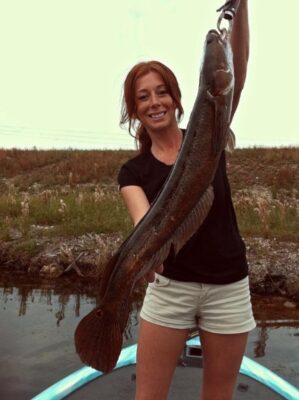
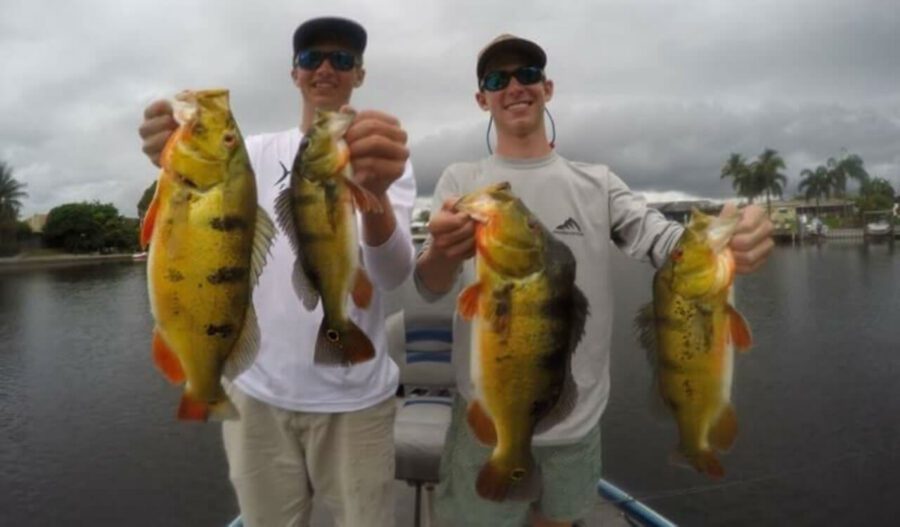
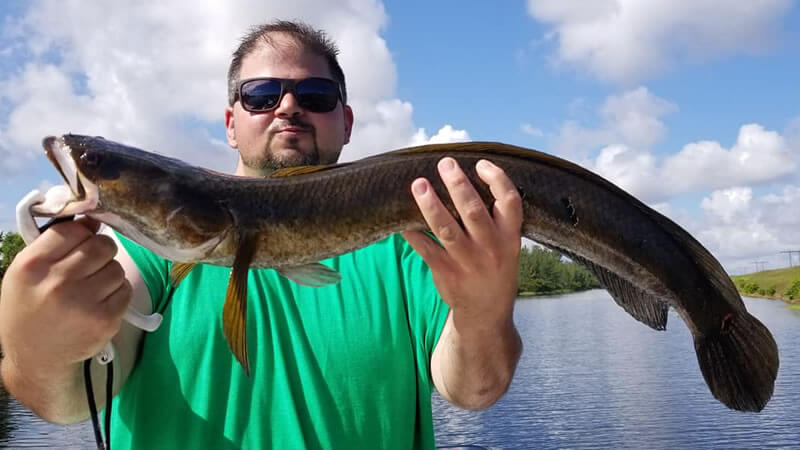
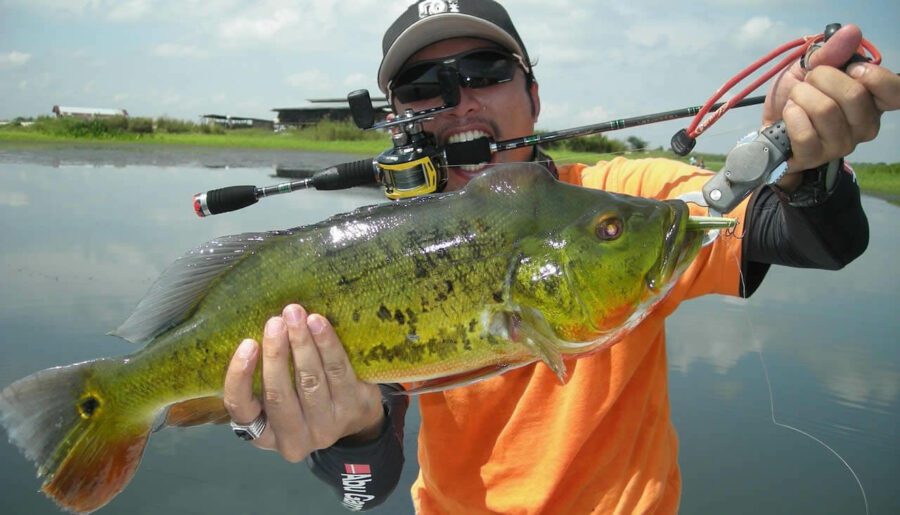
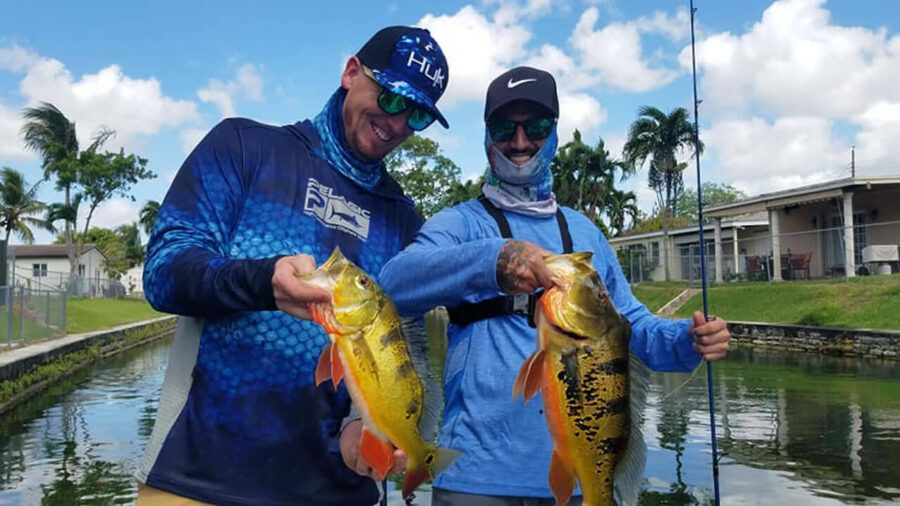
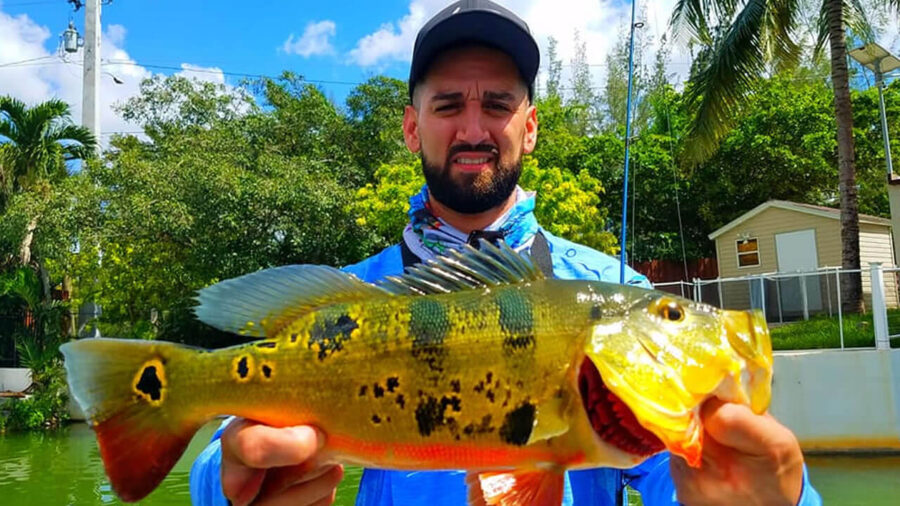
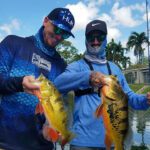
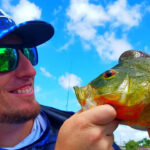
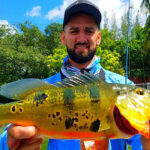
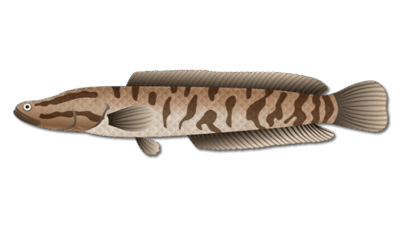
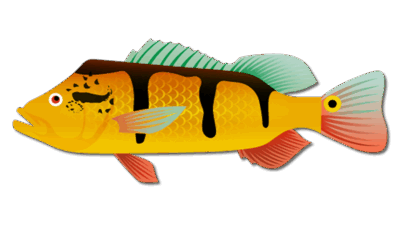
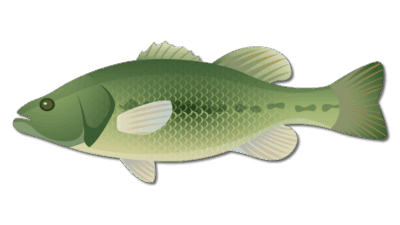



The C-14 Canal—also called the Cypress Creek Canal and historically identified as the Pompano Canal—is one of Broward County’s best-known urban fisheries. The canal crosses the Margate, Coral Springs and Pompano Beach area, giving anglers a rare opportunity to target bullseye snakehead, butterfly peacock bass and largemouth bass within the same connected system.
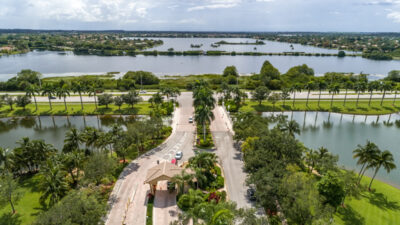
This is not a natural lake. C-14 is part of South Florida’s engineered drainage and flood-control network, so water movement, canal intersections, bridges, culverts and control structures strongly influence where fish position. The Florida Fish and Wildlife Conservation Commission describes the freshwater canals from Cypress Creek south as generally box-cut into coral rock, often deeper than 10 feet, with limited shallow littoral habitat and groundwater inflow that can improve clarity. Those characteristics reward anglers who fish visible structure and changes in depth rather than treating the canal like a shallow, uniform shoreline.
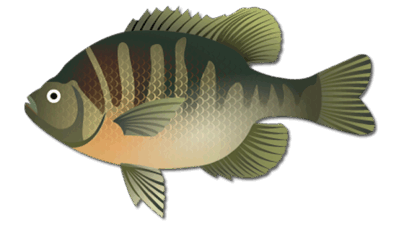
C-14 offers several distinct styles of fishing. Anglers can work surface cover for snakehead, cast small baitfish patterns for peacock bass, probe deeper shade for largemouth bass, or introduce children to canal fishing with bluegill, redear sunfish, Mayan cichlid and oscar. A guided trip helps visitors cover productive sections efficiently and understand how current, weather and access affect the day.
The canal’s appeal begins with variety. FWC identifies coastal southeast Florida as an interconnected canal fishery that supports native gamefish and established nonnative species. In C-14, an angler can move from a quiet residential edge to a bridge, a canal junction or a deeper main channel without making a long run. Each feature creates a different current break, shade line or ambush point.
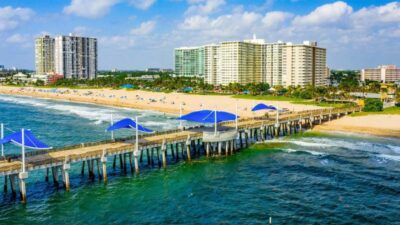
The fishery is also convenient for visitors staying near Pompano Beach, Fort Lauderdale or Boca Raton. It delivers an authentic South Florida freshwater experience close to beaches, hotels and family attractions. Because much of the system borders developed property, anglers must distinguish public access from private shoreline and respect posted restrictions.
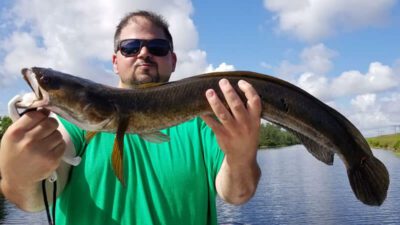
Bullseye snakehead are the canal’s signature target. FWC reports that Florida’s established snakehead population remains centered in the Margate, Coral Springs and Pompano Beach area, where the species was first documented in 2000. These air-breathing ambush predators favor overhanging vegetation, dense submerged cover, debris and quiet water. Their ability to use low-oxygen habitat means water that appears stagnant or heavily covered can still hold fish.
Cast weedless frogs, swimbaits, jerkbaits or live bait tight to cover and work each high-percentage opening carefully. Strikes can be sudden and violent, so use tackle capable of steering fish away from vegetation. Snakehead commonly feed on small fish and crayfish. They spawn primarily in spring, with a secondary late-summer peak, and adults may guard young in shallow water.
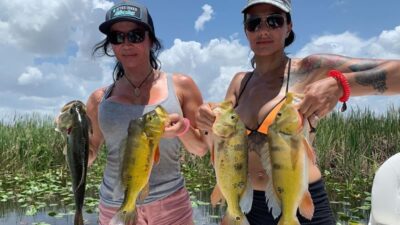
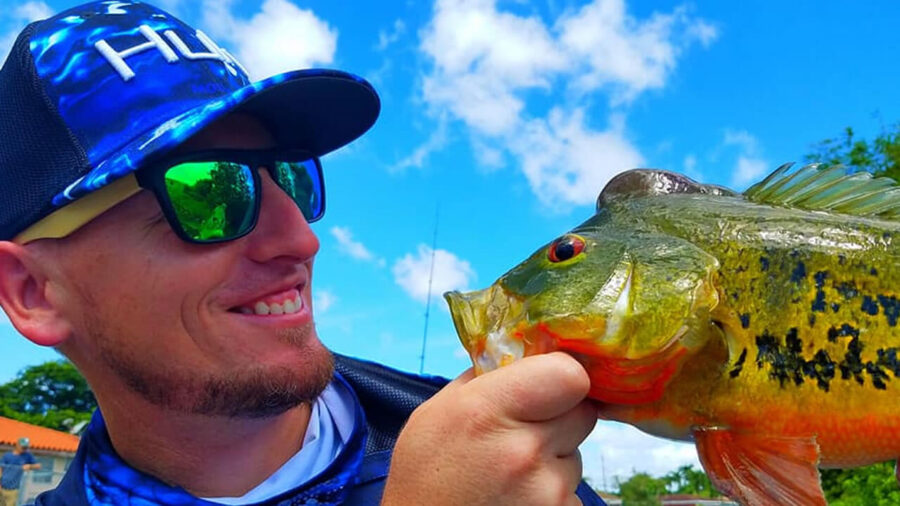
Peacock bass provide the canal’s most colorful light-tackle action. These fish thrive in warm South Florida water and feed heavily on small baitfish. Productive areas include bridge shade, canal intersections, seawalls, culverts, bends and the edges of moving water. Small live shiners are dependable, while minnow plugs, jerkbaits, compact topwaters and jigs allow anglers to cover water.
Peacock bass are visual, daytime feeders. Bright, stable weather can improve their activity, while an unusually cold spell can slow the bite. FWC encourages anglers to release butterfly peacock promptly and carefully to help protect this popular fishery.
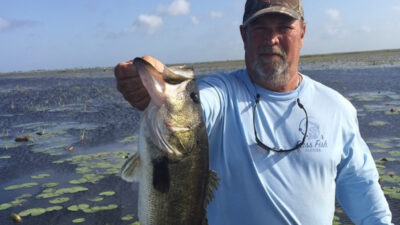
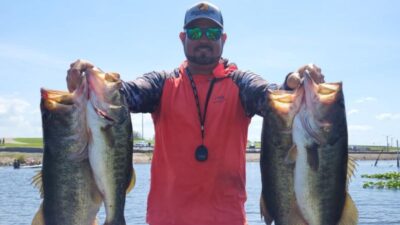
Largemouth bass use the same system but often respond better to a different approach. Early and late in the day, try topwater plugs around shade, seawalls and canal edges. As light and heat increase, slow down with a worm, jig or other soft plastic near bridge pilings, deeper ledges, culvert mouths and current breaks. A shad-colored crankbait or swimbait can be effective when fish are actively chasing forage.
When water is moving, focus on the downstream side of an obstruction or where a smaller canal feeds the main channel. During slack conditions, shade and depth become more important. Live shiners can produce both largemouth and peacock bass and are practical for families or first-time canal anglers.
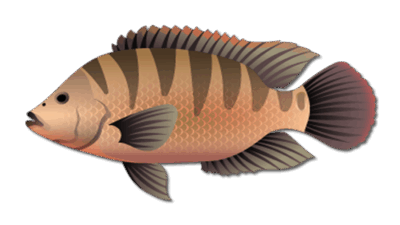
C-14 also supports smaller species that keep rods bending. Bluegill, redear sunfish, Mayan cichlid and oscar can be caught with crickets, worms, small jigs and compact inline spinners. A small hook, light split shot and float is a simple setup for young anglers. Bowfin and Florida gar also occur in South Florida canals, although they are secondary targets on most guided trips.
Urban canal fishing is a search for transitions. Prioritize sharp bends, dead ends, intersections, bridge pilings, culverts, riprap, seawalls, fallen trees and changes in water clarity. A bridge can combine shade, depth and current in one small area. Canal junctions create feeding lanes, while protected side canals offer refuge when the main channel carries stronger flow.
Do not overlook featureless-looking banks. A slight indentation, isolated patch of vegetation or single piece of submerged cover may be the only ambush point along a long stretch. Make accurate casts and vary retrieve speed before leaving a productive-looking area.
Medium spinning tackle covers most peacock bass and general canal fishing. Use compact baitfish lures, jigs and topwaters for peacocks, and keep a worm or other soft plastic ready for largemouth bass. Snakehead fishing calls for stronger line, a stout rod and weedless presentations around vegetation. Live shiners are effective across multiple species when local conditions and regulations allow their use.
Clearer water favors natural baitfish colors and longer casts. In stained water or low light, use stronger vibration, darker silhouettes or brighter accents. The correct depth matters as much as color: add enough weight to reach fish when current or midday heat pushes them deeper.
Early morning and late afternoon are reliable windows for largemouth bass and topwater activity. Peacock bass often become more aggressive after the sun warms the canal. Snakehead may feed throughout the day, especially around shade and heavy cover. Summer thunderstorms can change flow quickly, creating short feeding windows near culverts and spillways after conditions stabilize.
Water-control operations and rainfall can materially change current and clarity. Never assume a spot will fish the same way on every visit. If a main-channel area becomes difficult, move to a protected lateral canal, a backwater edge or the downstream side of structure.
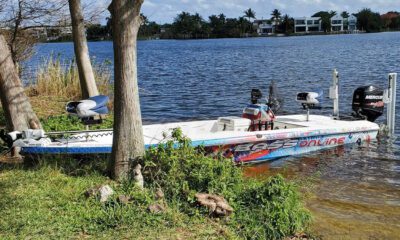
Fishing is possible from a boat and from lawful public shoreline, but access varies throughout the system. Confirm current ramp conditions, operating hours and parking rules before towing a boat. Do not cross fences, enter private yards or block residential access. A local guide can simplify launching, navigation and productive-area selection.
South Florida heat, thunderstorms and boat traffic deserve planning. Bring drinking water, sun protection and rain gear; keep a safe distance from control structures; and watch for rapidly changing weather. Assume alligators may be present, keep pets away from the water’s edge and never feed wildlife.
A Florida freshwater fishing license is required for many anglers, although exemptions exist. Review the current FWC freshwater regulations before the trip because license rules, species rules and access conditions can change. Never move live nonnative fish between waterways.
C-14 can produce year-round. Late winter through spring is a strong period for largemouth bass and warming-water peacock bass. FWC notes that many larger butterfly peacock are caught from February through May. Snakehead spawning activity is strongest in spring, with another peak in August, which can make shallow cover especially interesting.
Summer can deliver excellent peacock bass action. Fish early for largemouth bass, then shift toward peacocks, deeper shade, moving water or heavy snakehead cover as the day warms. Fall remains productive until cold fronts become more frequent. In winter, stable warm periods usually outperform the first day after a sharp front.
A guided trip is the most efficient way to learn this complex urban system. Local captains supply the boat, safety equipment and species-specific tackle, then adjust the day around current, weather and the preferred target. Families can mix live-bait action with artificial lures, while experienced anglers can focus on snakehead, peacock bass or a multi-species challenge.
Browse available C-14 Canal fishing guides to compare trip lengths and availability. Tell the booking team whether your priority is snakehead, peacock bass, largemouth bass or a family-friendly combination so the trip can be matched to the right approach.
C-14 is convenient to Pompano Beach and the communities of northern Broward County. Visitors can combine a canal trip with time in Fort Lauderdale, Boca Raton, Hollywood or Pembroke Pines. For another freshwater option on the edge of the Everglades, explore Markham Park.
| Species | Jan | Feb | Mar | Apr | May | Jun | Jul | Aug | Sep | Oct | Nov | Dec |
|---|---|---|---|---|---|---|---|---|---|---|---|---|
| Snakehead | 🔥 Hot | 🔥 Hot | 🔥 Hot | 🔥 Hot | ||||||||
| Peacock Bass | 🔥 Hot | 🔥 Hot | 🔥 Hot | 🔥 Hot | 🔥 Hot | 🔥 Hot | 🔥 Hot | 🔥 Hot | 🔥 Hot | |||
| Largemouth Bass | 🔥 Hot | 🔥 Hot | 🔥 Hot | 🔥 Hot | 🔥 Hot | 🔥 Hot | ||||||
| Mayan Cichlid | ✅ Good | ✅ Good | ✅ Good | ✅ Good | ✅ Good | ✅ Good | ✅ Good | ✅ Good | ✅ Good | ✅ Good | ✅ Good | ✅ Good |
| Bluegill | ✅ Good | ✅ Good | ✅ Good | ✅ Good | ✅ Good | ✅ Good | ✅ Good | ✅ Good | ✅ Good | ✅ Good | ✅ Good | ✅ Good |