















Published: February 29, 2012 | Updated: September 12, 2026
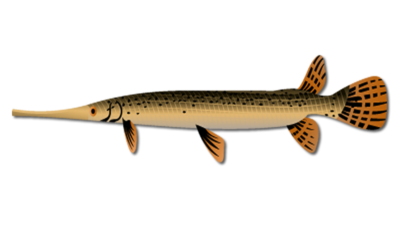
The Florida gar (Lepisosteus platyrhincus) is a native freshwater fish built for warm, shallow water. Its long snout, needle-like teeth, spotted body, and armor-like scales give it a prehistoric appearance. Florida gar are especially well adapted to canals, vegetated lakes, and slow-moving streams where dissolved oxygen can fall too low for many other fish.
This guide explains how to identify Florida gar, where they live, what they eat, how they reproduce, and how anglers can catch and handle them responsibly. For a broader look at the fish found across the state, visit our freshwater fish species directory.
Florida Gar Quick Facts
- Scientific name: Lepisosteus platyrhincus
- Family: Lepisosteidae
- Native range: Florida and portions of southern Georgia
- Typical habitat: Vegetated lakes, canals, streams, and backwaters with mud or sand bottoms
- Primary food: Fish, shrimp, crayfish, insects, and other small aquatic animals
- Notable adaptation: A lung-like air bladder that allows the fish to gulp air in low-oxygen water
- Florida state record: 9.44 pounds, according to the Florida Fish and Wildlife Conservation Commission
- Florida Big Catch minimum: 28 inches or 4 pounds
How to Identify a Florida Gar
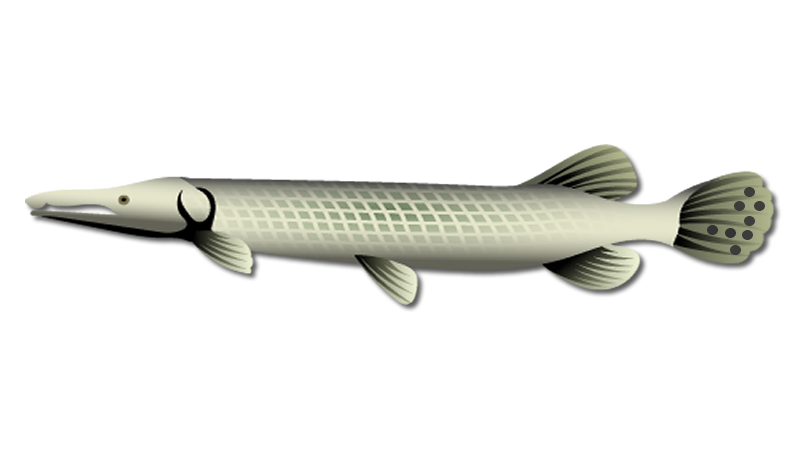
Florida gar have long, cylindrical bodies covered with hard, diamond-shaped ganoid scales. Irregular dark spots appear on the top of the head, across the body, and on the fins. The back and upper sides are usually olive-brown, while the belly ranges from white to yellow.
The jaws form an elongated snout lined with sharp teeth. Compared with the longnose gar, the Florida gar has a shorter, broader snout. It can be difficult to separate Florida gar from spotted gar by color alone because both carry spots. Biologists use body proportions, snout length, and other anatomical features for a reliable identification.
The dorsal and anal fins sit far back near the tail. This arrangement helps the fish hover almost motionless and then accelerate suddenly when prey comes within range.
Range and Habitat
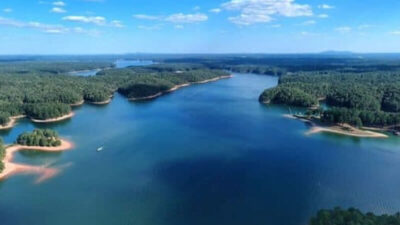
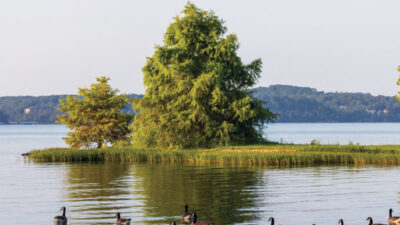
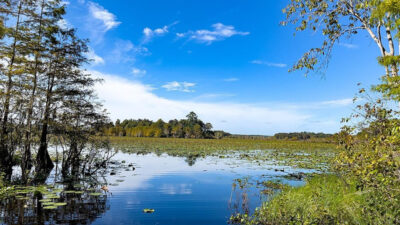
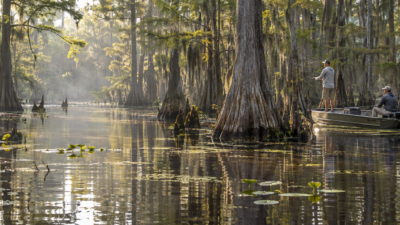
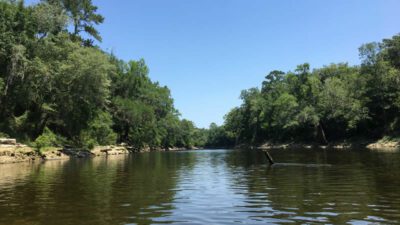
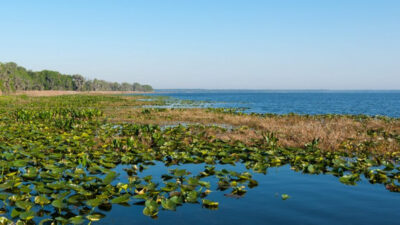
Florida gar occur from the Ochlockonee River drainage eastward and south through peninsular Florida, with part of the species’ range extending into Georgia. They favor medium and large lowland streams, lakes, canals, and quiet backwaters with abundant vegetation and mud or sand bottoms.
Anglers often see them lying near the surface like floating sticks. Their ability to gulp atmospheric air allows them to remain active in hot, stagnant, or weedy water where oxygen levels may be low. That surface behavior is normal and should not be mistaken for a distressed fish.
Diet and Hunting Behavior
Young Florida gar eat zooplankton, insect larvae, and small fish. Adults primarily prey on fish, but they also consume shrimp, crayfish, insects, and other available aquatic animals.
A Florida gar commonly approaches prey with slow movements of its fins, then snaps its head sideways to seize the target. The fish repositions its catch before swallowing it headfirst. This ambush style suits weed edges, canal margins, shallow flats, and other places where small prey can be trapped against cover.
Air Breathing and Armor
Florida gar breathe through their gills and a highly vascularized air bladder connected to the throat. By rising to the surface and gulping air, they can use habitats that become uncomfortable for many conventional gamefish.
Their interlocking ganoid scales form a durable protective covering. The scales are much harder than the flexible scales found on most modern sport fish. Anglers should use long-nose pliers and avoid placing hands near the jaws when removing a hook.
Spawning and Life Cycle
Spawning generally occurs in shallow, weedy water during spring, although timing varies with local conditions. Females release adhesive eggs that attach to vegetation or other submerged material, and multiple males may attend a spawning female. Florida gar do not build a conventional nest.
Newly hatched larvae have an adhesive organ on the snout that lets them remain attached to vegetation until they are large enough to swim freely. The eggs are toxic if eaten by people or animals. Gar roe should never be consumed.
How to Catch Florida Gar
Where to Look
Search quiet canal bends, weedy lake margins, backwaters, and slow current near submerged vegetation. Visible fish rolling or gulping air can reveal an active area. Warm conditions and low-oxygen water often bring gar close to the surface, but they may hold deeper during bright or disturbed conditions.
Baits and Lures
Live or dead minnows and other legal baitfish can draw strikes. Small swimming plugs, spoons, and other moving lures may also work when gar are actively chasing prey. Frayed nylon cord has traditionally been used to tangle in a gar’s teeth, but anglers should first verify that any chosen tackle and method complies with current rules for the specific water body.
Tackle and Hooking
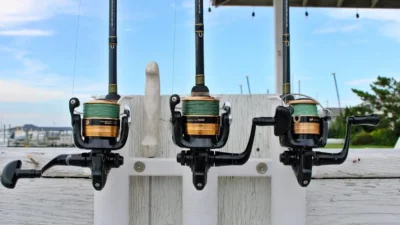
Use a medium rod, abrasion-resistant line, and a durable leader. A gar’s bony mouth can make hook penetration difficult, so avoid an immediate, forceful hookset. Allow the fish to control the bait, maintain steady pressure, and use a sharp single hook appropriate to the bait and local regulations.
Do not assume that every method mentioned in older fishing literature is legal everywhere. Review the FWC’s current methods of taking freshwater fish and any water-specific rules before fishing.
Handling Florida Gar Safely
- Keep hands away from the mouth and rows of sharp teeth.
- Support the fish horizontally rather than lifting it only by the jaw or gill area.
- Use long-nose pliers or a hook-removal tool.
- Minimize time out of the water, especially during hot weather.
- Wet your hands before touching the fish and release it gently if it is not being legally retained.
Florida gar are tough fish, but careful handling still matters. Their scales protect the body; they do not prevent injury from prolonged air exposure, rough surfaces, or poor support.
Florida Gar vs. Other Ancient Florida Fish
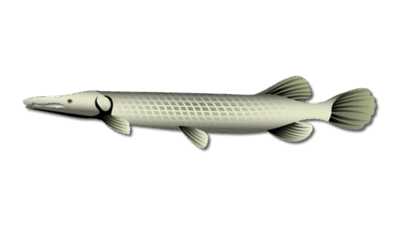
Florida Gar vs. Alligator Gar
The alligator gar has a much broader, shorter-looking snout and two rows of large teeth in the upper jaw. It also reaches far greater sizes. Florida gar have a narrower profile and extensive spotting across the head, body, and fins.
Florida Gar vs. Bowfin
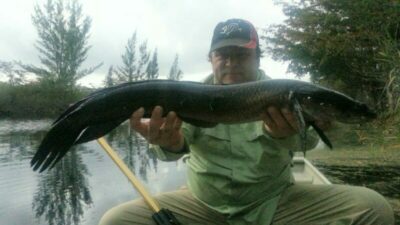
The bowfin is another air-breathing native fish, but it has a rounded head, a long dorsal fin, and no elongated gar-like snout. Bowfin have overlapping habitat preferences, so anglers may encounter both species in the same vegetated backwaters.
Florida Gar vs. Spotted Gar
Florida and spotted gar can look very similar. Snout proportions and geographic range are more dependable than spots alone. When identification matters for a record submission or harvest decision, use an authoritative identification guide rather than relying on one color feature.
Can You Eat Florida Gar?
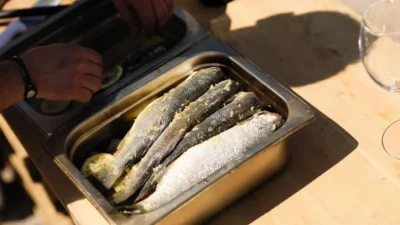
The flesh is edible when legally harvested and properly cleaned, but the armored skin makes preparation difficult. The eggs are toxic and must never be eaten. Anyone keeping fish should confirm current harvest rules, possession limits, and local advisories before doing so.
Most anglers pursue Florida gar for the challenge and release them. Their unusual biology and role as native predators make them an important part of Florida’s freshwater ecosystems.
Records, Regulations, and Reliable Identification
The FWC lists a Florida state record of 9.44 pounds and a Big Catch minimum of 28 inches or 4 pounds. Record standards and regulations can change, so confirm current information before a trip or submission. Anglers who need a license can review our Florida fishing license guide.
For primary identification and biology references, see the FWC Florida gar profile and the Florida Museum species profile.