








ALSO CALLED: Atlantic striped bass, linesider, rock, striper, and rockfish.
Striped Bass morone saxatilis
Stripers are the largest fish in the temperate bass family, one of the most sought-after fish in Floridian waters and beyond. The striped bass Morone saxatilis is also known as Atlantic striped bass, linesider, rock, striper, and rockfish.
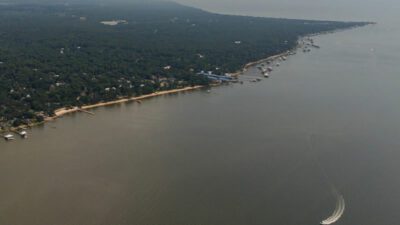
On the Atlantic Coast, the striper’s range extends on the East Coast from the St. Johns River in north Florida to the St. Lawrence River in Canada and the Gulf of Mexico from western Florida to Louisiana. The striper fish species cover a wide range, and they thrive both in saltwater and freshwater. Florida is the southern most home to native populations of Atlantic striped bass.
This Atlantic bass species is indigenous to the Gulf of Mexico. They remain in coastal sounds and estuaries for two to four years and then join the coastal migratory striped bass populations in the Atlantic Ocean. In the ocean, fish tend to move north during the summer and south during the winter.
Appearance
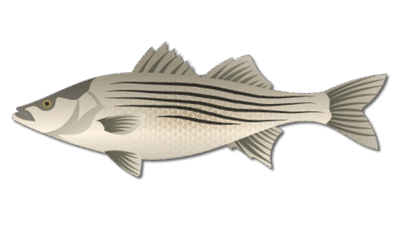
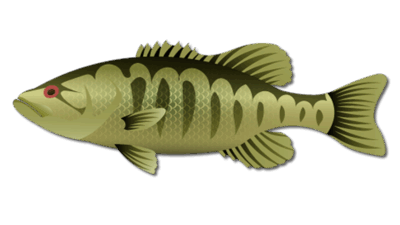
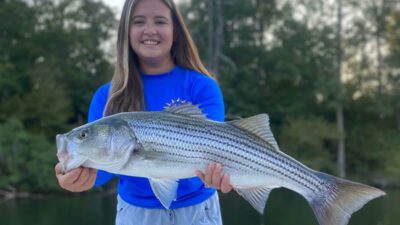
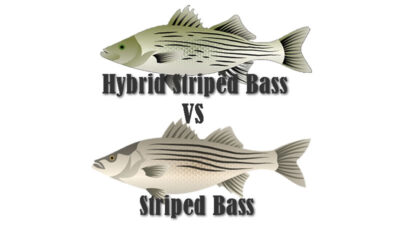
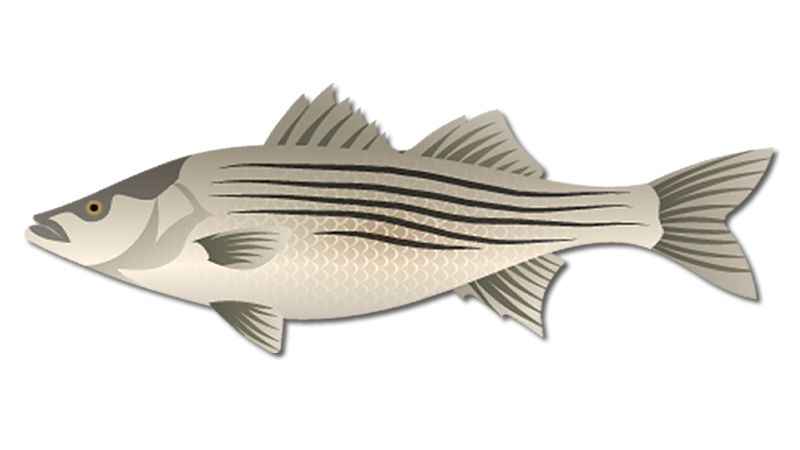
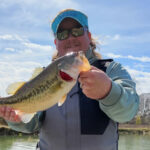
Striped bass fish are sleek and long in appearance with a stout body. They have eight continuous horizontal stripes, extending from their gills to their tail, on both sides. Their body coloring consists of olive-green to blue-gray on its back, white on its belly, and silvery-brassy sides. They have a larger head than the white bass fish, which shares many similarities.
Habitat
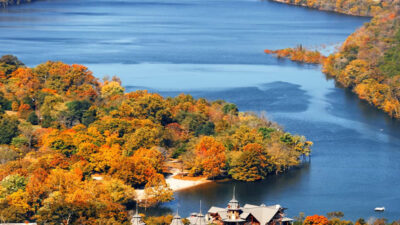
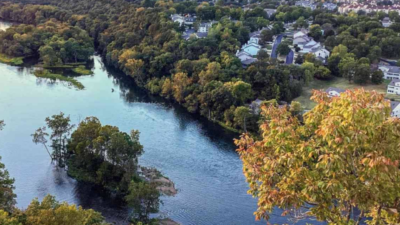
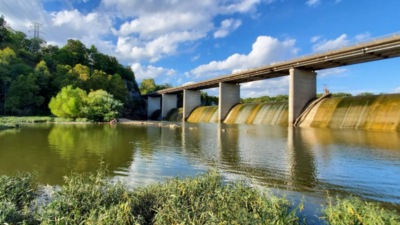
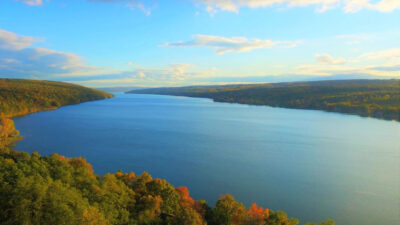
All striped bass fishes in Florida are more of river dwellers than anadromous (living in brackish or saltwater, but spawning in freshwater streams). The striped bass fishery is currently present in a plethora of lakes, salt ponds, impoundments, and rivers. However, stripers prefer water bodies that are relatively clear and have an adequate supply of seafood. They can also thrive on sandy beaches and rocky shores.
Their preferred temperature range is between 65 and 70 degrees. Given the robust nature of the striped bass, it can swim in harsh environments. Most striped bass fish travel in schools, except for the huge ones that go solo. If they reside in saltwater, they migrate to a freshwater habitat when they go spawning.
Spawning Habits
Striped bass typically spawn in March, April, and May. They do it when the water temperature is between 60 to 68 degrees. As far as spawning is concerned, striped bass prefer rivers, and once they release millions of eggs, the water current carries them to various places.
Striped bass spread their eggs across the river, and they show no form of protection or parental care. When spawning, up to seven or eight males surround a large female and bump into her. During the ovulation stage, ripe eggs are released and scattered in the water. Simultaneously, male striped bass release their sperm.
Naturally, fertilized eggs must follow the river currents to avoid suffocation until hatching occurs, which takes approximately 48 hours. Little striped bass fingerlings stay in estuaries and low rivers. Since the fertilized eggs must go with the currents until hatching, impoundments are unfit for reproduction.
It must be free-flowing freshwater. There are numerous difficulties in hatchery procedures, especially in procuring females with eggs that flow freely. However, there is a modern technique for inducing ovulation through hormonal use.
Feeding Habits
Atlantic striped bass are voracious eaters and opportunistic predators who mostly consume various invertebrates and small fish. Adults prefer golden shiners, threadfin shad, and gizzards, while the young ones enjoy feeding on mayflies and amphipods. The significantly smaller ones feed primarily on zooplankton.
Like every other temperate bass, the striped bass move in schools and tend to feed simultaneously. Striped bass feed the most during the early hours of the day and sporadically throughout the day. Their feeding slows down when the water temperature drops below 50 degrees.
Life Span and Growth
The striped bass can live for up to 30 years. Typically, their growth depends on their location. Male stripers get sexually mature between 2 and 4 years of age, while females are mature enough to reproduce when they are 4 to 8 years old.
These predators can grow up to 10 -12 inches in the first year. Stripers have been known to reach weights of over 45 pounds in Florida.
Florida Striped Bass Stocks
Striped bass stopped naturally reproducing in the St Johns River by the early 1970s. The striped bass stocks in the St. Johns river started in 1972. Further developments in the hatchery led to large-scale productions of the sunshine bass in 1981. The FWC and USFWS have stocked over 20 million stripers and 10 million sunshine in the last 40 years. The stocking in the Florida river served to restore the fishing for stripers by increasing the striper population and providing fishermen with exceptional angling opportunities.
Striped Bass Fishing
Stripers are among the most sought-after gamefish in the United States. The most popular methods for striped bass fishing are trolling, fly fishing, shore fishing, and night fishing. Striped bass that live in brackish or saltwater are more sensitive to tides and currents. These fish most often live near structures. When they are in open water, they are most likely focusing on large schools of bait.
This species can thrive in almost every type of coastal environment. Structure points are the best place to start locating their holding spots. Look for ledges, rip lines, rocks, inlets, depressions, and any area with features offering a place for a fish to lie in ambush.
A striper rig typically consists of 4 to 8 feet of monofilament or fluorocarbon leader, joined to the mainline, and then tied to the lure. There are bag and size limits to protect the young striped bass and enable them to grow, thereby protecting the population from overfishing.
Fishing Seasons
Most of the striped bass populations on the Atlantic seaboard migrate, meaning the peak fishing season changes from north to south. The majority of the stripers spawn in the Chesapeake Bay in early spring. After spawning in April and May, the fish move northward. Areas of New York and Connecticut have a strong striper fishing season during the summer. They migrate south again in the fall, going as far down as the North Carolina coast for some years. In Florida, the best striper fishing is when they are actively feeding in the fall through spring.
These fish generally has the same habits in whichever part of the world they are in. They tend to hang out in deeper waters during the summer, moving to the shallow area at dawn and dusk to feed. Feeding is often heaviest at night in the summer. During the fall and winter, their feeding takes place throughout the day.
Techniques
Eels and live shads make excellent baits for catching big stripers. Other popular lures for striper fishing are spoons, bucktail jigs, a spinner alongside a plastic worm rig, and deep-running crankbaits. The popping plugs are the best bait to use when you notice that they are schooling at the water’s surface. A jigging spoon is the best lure when menhaden or herring are abundant, which are their primary forage species, even for smallmouth bass.
Live eels are incredibly productive in the summer and fall, especially near structures and inlets at night. Fishermen can drift-fish with live eel baits in shallow areas or add weight in the deeper waters. Bunker spoons are most productive in the spring and fall.
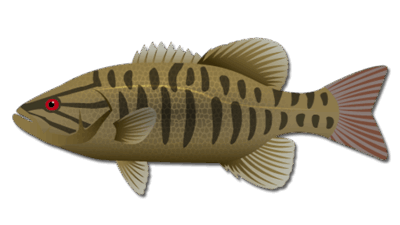
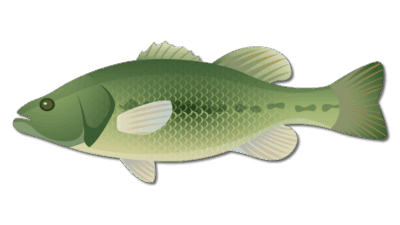
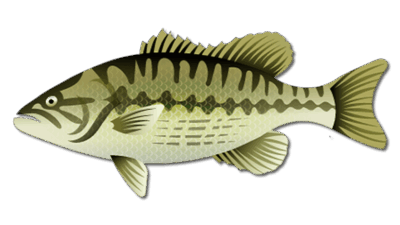
If you are interested in other bass species, we suggest you look at the largemouth bass, the smallmouth bass, and the spotted bass.