
Private Charter



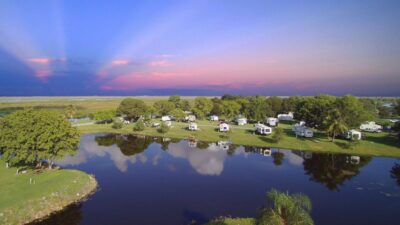
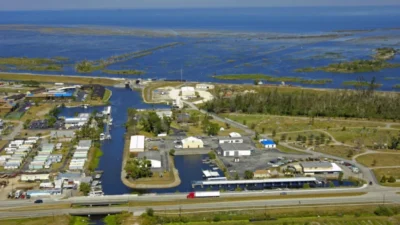

Holey Lands Everglades, Florida, Fees: No Daily-Use Permit currently required. To hunt or fish, you must possess the appropriate license and permit.
This Holey Land WMA project involves modifying the current operating plan to implement rain-driven operations. Water deliveries to Holey Lands Everglades come from the Rotenberger Wildlife Management Area or Stormwater Treatment.
Area 3 & 4, if Rotenberger flows, are insufficient, and the deliveries’ water quality is assumed to be acceptable. These new lakes will help improve the timing and location of water depths within the Holey Land Wildlife Management Area. Eventually, South Florida Water Management started the Holey Land WMA project and helped turn it into a world-class fishery for many anglers.
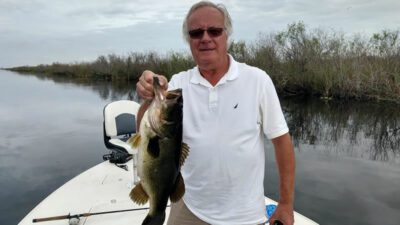
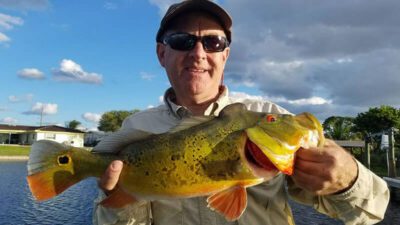
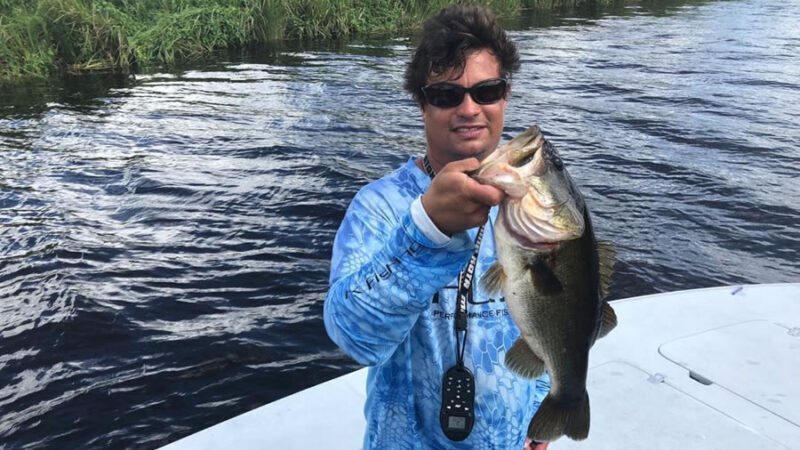
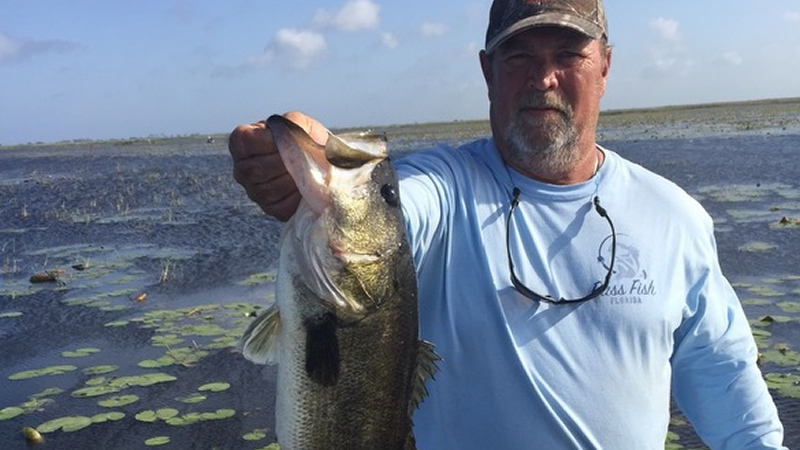
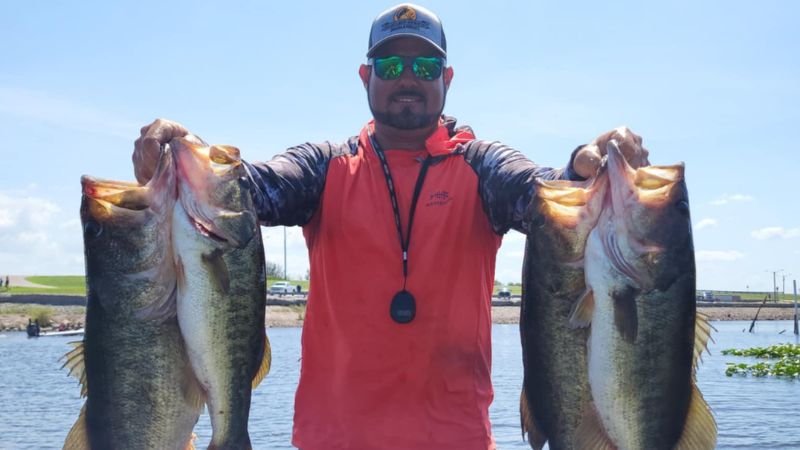
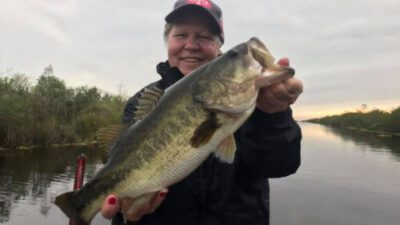
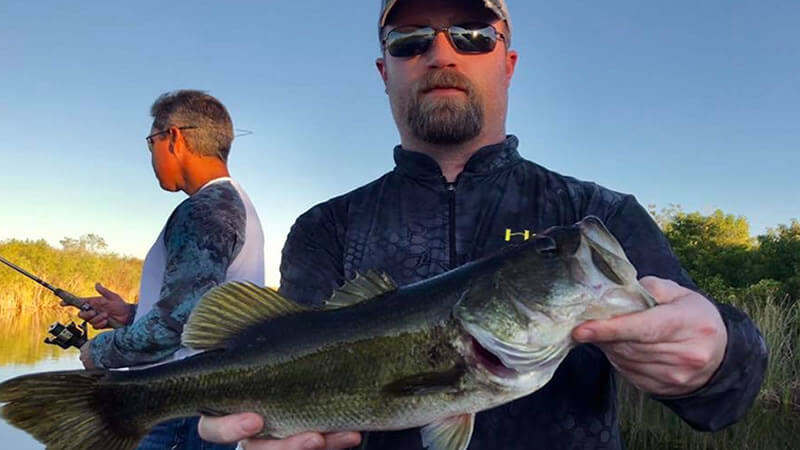
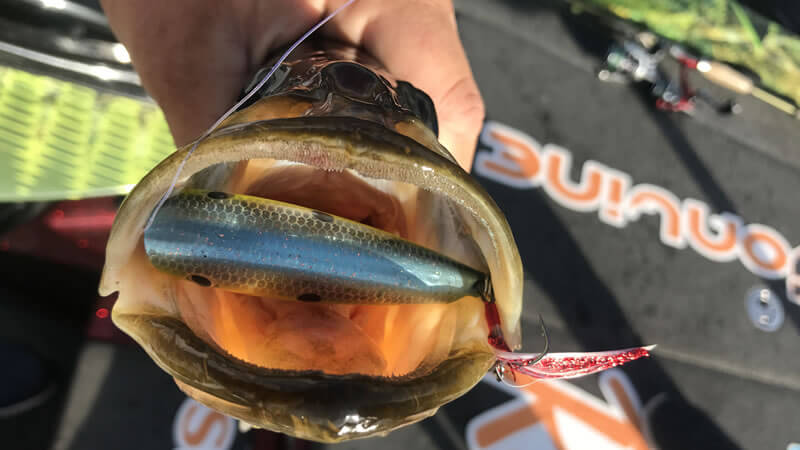
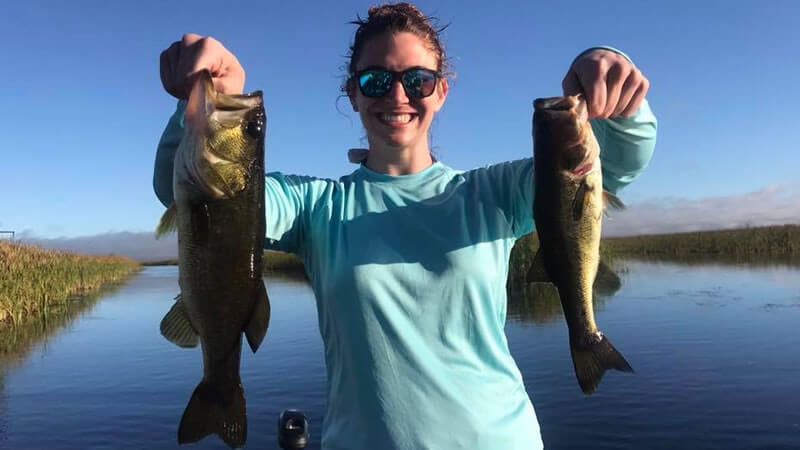
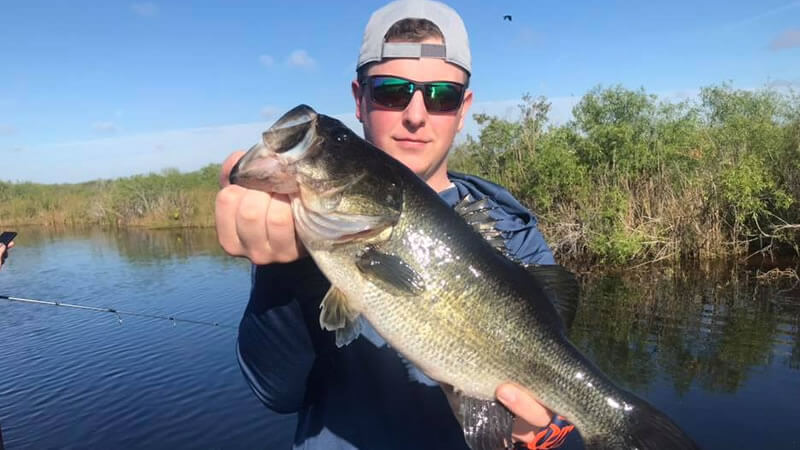
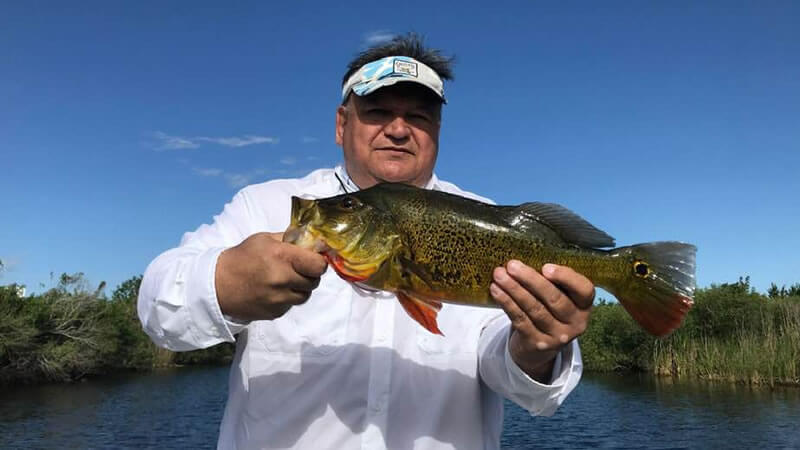
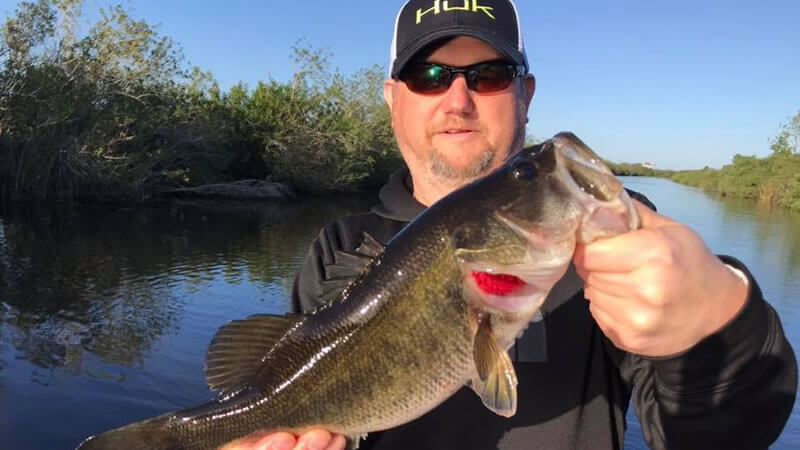
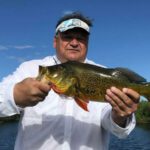
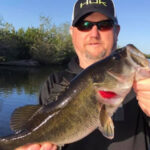
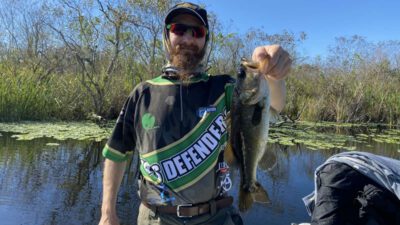
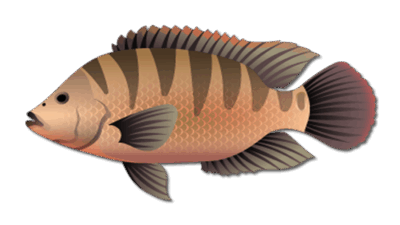
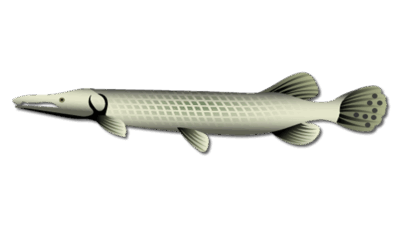
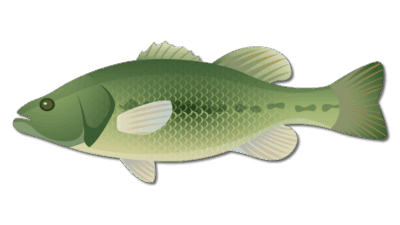
The Holey Land WMA area consists of canals that surround the area and support many game fish species, including largemouth bass, bluegill, alligator gar, and other sunfish and catfish, as well as several exotic species. The canal system also serves as a refuge for smaller fish species during periods of severe drought. These forage fish are an essential part of the prey base for many species of wading birds. Reference the map below of Holey Lands Everglades to locate boat ramp(s)—fishing license information.
Levees are the right places to view wildlife. You may encounter white-tailed deer, raccoons, common opossums, armadillos, river otters, bobcats, rabbits, and rats—swallow-tailed kites, red-shouldered hawks, and many migratory birds during the winter months. Wood storks, ibises, great blue herons, snowy egrets, and cattle egrets are common. The endangered Florida panther may occasionally visit the Holey Lands Everglades area.
Alligator – The American alligator is one of Florida’s most commonly seen wildlife species. Alligators and other crocodilians are the only living Archosauria, the ancient group that included dinosaurs. They have many features that are more similar to those of birds or mammals than to those of other reptiles. The snouts of alligators are broad and rounded, whereas those of rarer crocodiles are longer and more pointed.
Alligators play a crucial role in the Everglades and other wetlands. During droughts, they dig holes that fill with groundwater. During dry periods, these alligator holes are an essential source of fresh water for birds and mammals, and are critical to the survival of many aquatic species. Since 1988, the Florida Fish and Wildlife Conservation Commission has held a public water alligator harvest. Alligator Harvest Management Units, including the Holey Land WMA, are established yearly with conservative harvest quotas.
Fees: No Daily-Use Permit is required at this time. To hunt or fish, you must possess the appropriate license and permit.
Facilities: Holey Land, Florida, has two boat ramps, both noted on the map below. One dirt ramp is rarely used; the other is a new two-lane boat ramp good for any boat with dockage.
Public Access Persons must only enter and exit the area from the L-5 or Miami Canal levees.
When hunting ducks and coots in season, they use Airboats. Individuals selected to participate in the public waters alligator hunt may operate an airboat to take alligators (Alligator Hunting Information).
Outside of Water Management District canals, all vessels, including airboats, must be equipped with an orange flag at least 10 inches wide and 12 inches long and displayed at least 10 feet above the vessel’s bottom. Only ATVs are allowed during archery, muzzleloader, and general gun-walk hunting seasons. While an ATV is in motion, no person shall occupy any platform or structure attached to it.
No modified steering mechanism is allowed on an ATV to operate from a deck. No person shall operate an ATV, motorized two-wheeled vehicle, or motorized three-wheeled vehicle unless equipped with an orange flag at least 10 inches wide and 12 inches long and displayed at a minimum height of 6 feet above the top of the seat.
Vehicle use regulations: No motor vehicle shall be operated on any part of any wildlife and the environmental area designated and posted as “CLOSED.” Because of inclement weather, poor road conditions, construction, management activities, or wildlife surveys.
No person shall park any vehicle in a manner that obstructs a road, gate, or fire lane at Holeyland. The use or presence of vehicles on wildlife islands, tree islands, or tree stands is prohibited. All vehicles are prohibited from the end of the established duck and coot season through April 30. Airboats are allowed during this period. Vehicles are not permitted on all levees except L-5 and Miami Canal levees.
Location & Directions: Southwestern Palm Beach County, north of Water Conservation Area 3, and on the Miami Canal’s east side.
From Clewiston – Take US 27 south to the Palm Beach/Broward County line. From the county line, take the L-5 levee west, approximately nine mi to the first access point on the levee’s north side.
From Ft. Lauderdale – Take I-595 west to I-75 north. Take I-75 north to US 27. Take US 27 north to the Palm Beach/Broward County line. From the county line, take the L-5 levee west, approximately nine mi to the first access point on the levee’s north side.
The nearest Cities/Towns are Fort Lauderdale (40 miles southeast), Boca Raton (30 miles east), South Bay (12 miles north), and Belle Glade (12 miles north).
Only a century ago, the southern third of Florida was an unwelcoming wet wilderness. Lake Okeechobee was nearly twice its current size. From the lake, water crept southward down the peninsula through swamp and sawgrass. Rainfall that did not soak into the underlying limestone sat on the nearly flat land. The only dry places were on the Atlantic coastal ridge and the…
Indians inhabited South Florida even before wetter climatic conditions began the Everglades about 5,000 years ago. Indian cultures were established when European explorers arrived in the 1500s. People lived by hunting, fishing, and gathering wild foods. Villages around Lake Okeechobee may have grown corn, at least temporarily.
Most of the Indian population was in villages near estuaries and on the coastal ridge. People traveled from these villages back and forth to camps in the Everglades to hunt and fish, much as modern urban dwellers continue to do today.
In 1948, Congress authorized the Central and South Florida Project to protect agricultural and urban areas from flooding and serve as a freshwater source for what was fast becoming the heavily populated Gold Coast.
Construction of canals, levees, and water control structures began in 1949 and was completed in 1962. These Holey Land WMA structures have altered the natural hydroperiods and disrupted sheet flow from Lake Okeechobee to Florida Bay. Drained land was used for sugarcane cultivation or cattle ranching in some portions of the area.
Holey Land Everglades in Florida was named for its use as a practice bombing range during World War II, which left it littered with bomb craters.
In 1994 the state passed the Everglades Forever Act to address environmental concerns related to quality, quantity, and water timing entering the Everglades. For more information on Everglades restoration, visit the South Florida Water Management website.
We at bassonline.com encourage anglers to practice catch-and-release when fishing for any bass. Overall, this species is a hearty fish, and nearly 100 percent will survive being caught and released when adequately handled. However, bass do not stay in live wells or as long out of the water as some other fish. They must be removed quickly to maximize their chances of survival.