Best Seller
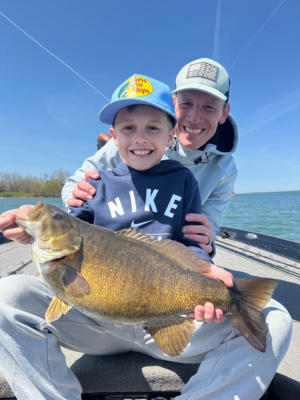

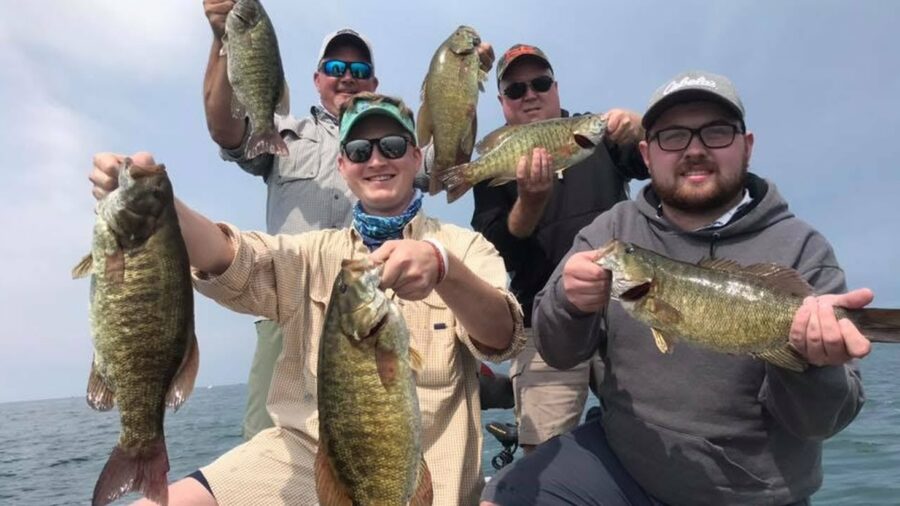
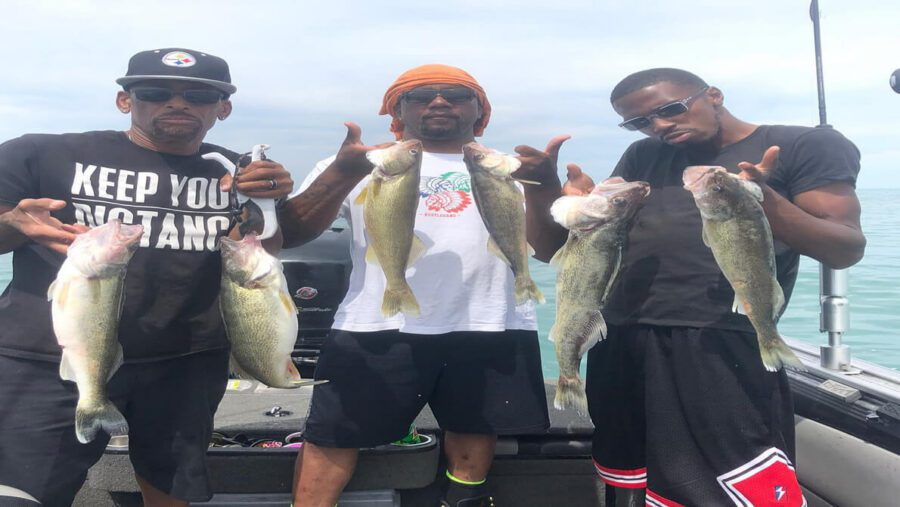
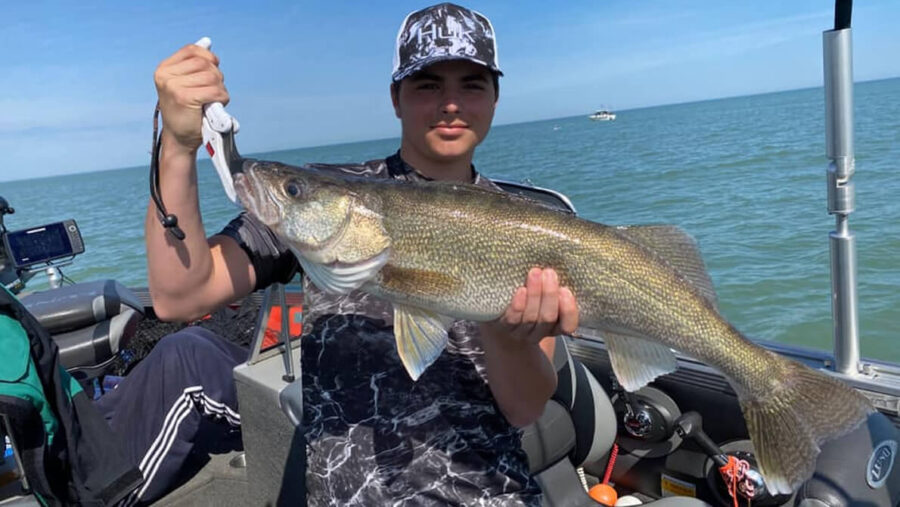
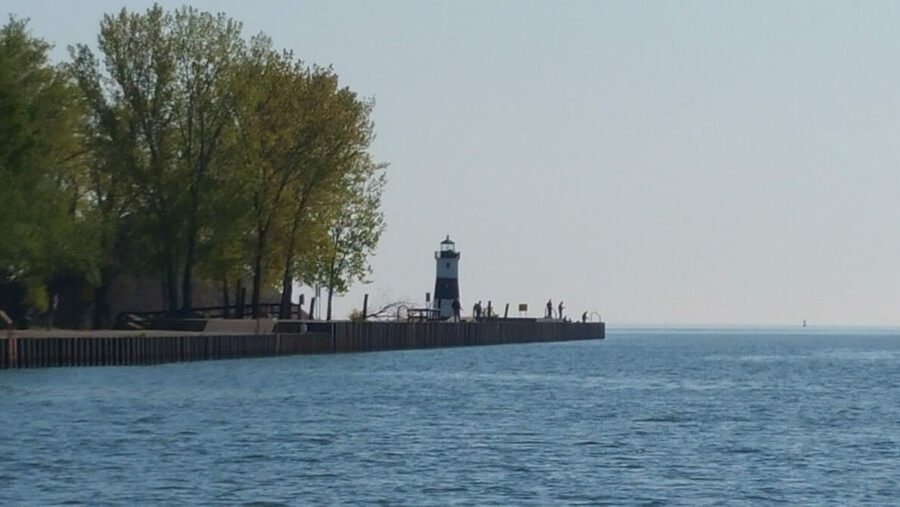
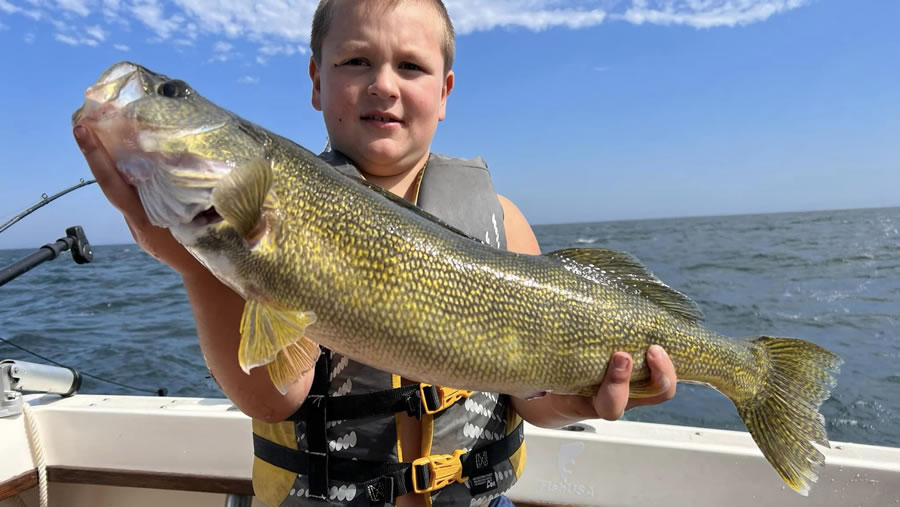
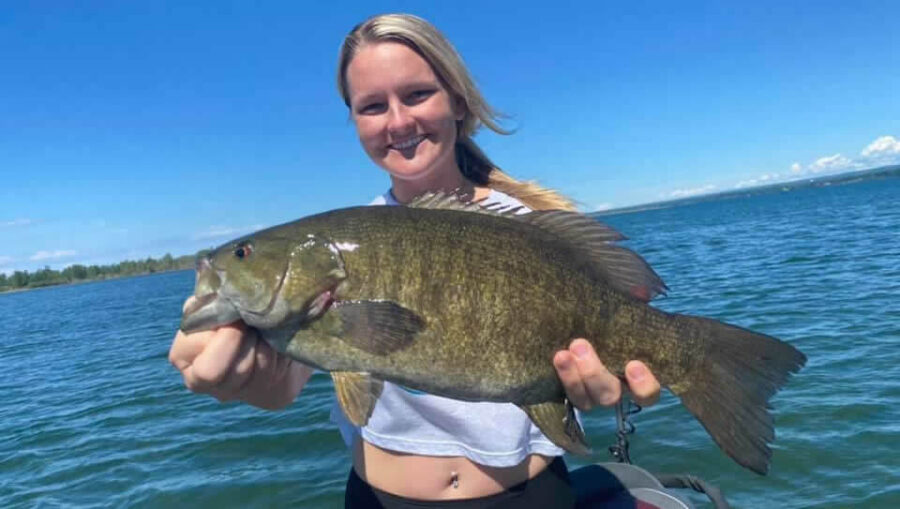
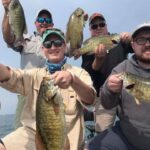
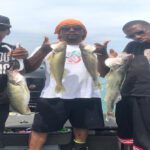
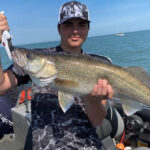
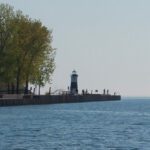

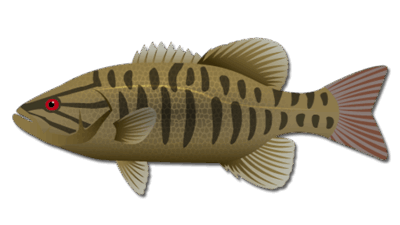
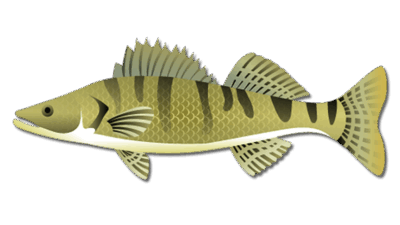
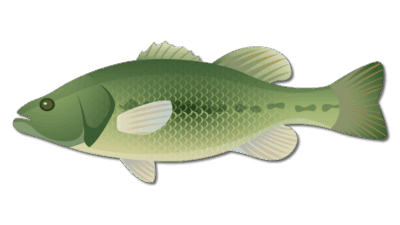
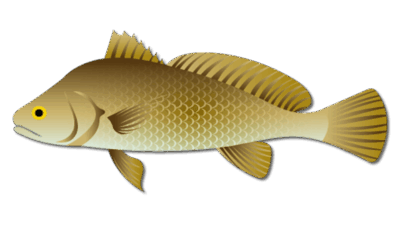
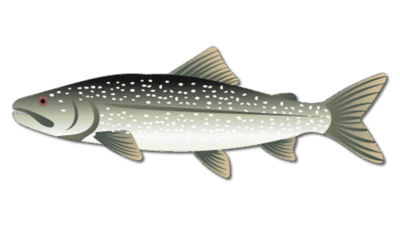
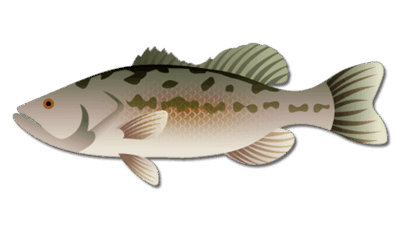
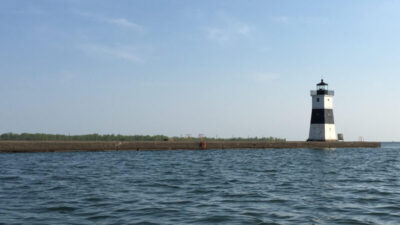
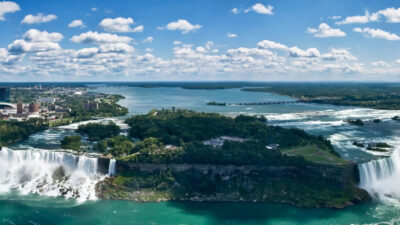
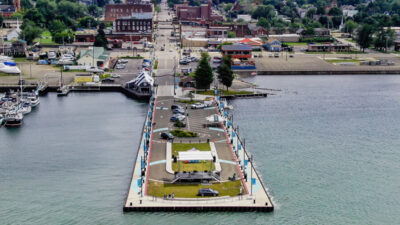

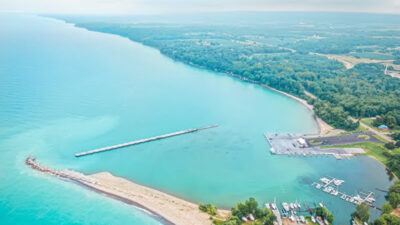
Lake Erie is one of the premier freshwater fishing destinations in the United States, offering exceptional opportunities for walleye, smallmouth bass, yellow perch, steelhead, and other Great Lakes species. From the shallow waters of the Western Basin to the deeper structure of the eastern lake, anglers can experience an incredibly diverse fishery across Michigan, Ohio, Pennsylvania, and New York.
For many anglers, Lake Erie is synonymous with walleye.
For others, it’s the opportunity to battle powerful Great Lakes smallmouth bass around rocky structure, chase steelhead along the Pennsylvania and New York shoreline, or spend a day searching for schools of yellow perch.
The remarkable part is that all of these experiences exist within the same lake.
Lake Erie’s enormous size, productive waters, abundant forage, seasonal fish migrations, and variety of habitat create fishing opportunities throughout much of the year.
Whether you’re planning your first Great Lakes fishing trip or returning to Lake Erie in search of another trophy fish, understanding the different regions of the lake is the first step toward planning your adventure.
Lake Erie is one of the five Great Lakes and stretches between the United States and Canada.
On the American side, anglers can access Lake Erie from four states:
Each state provides a different Lake Erie fishing experience.
Michigan provides access to the productive western end of the lake near the Detroit River.
Ohio has the longest Lake Erie shoreline of the four states and provides access to the Western Basin, island country, Central Basin, and waters farther east.
Pennsylvania has a relatively short shoreline, but the Erie and Presque Isle region provides excellent fishing for smallmouth bass, walleye, yellow perch, and steelhead.
New York provides access to the eastern end of Lake Erie, including productive smallmouth bass, walleye, and steelhead waters around Buffalo, Dunkirk, Barcelona, and other communities.
Together, these destinations create hundreds of miles of fishing opportunities.
Lake Erie is the shallowest of the Great Lakes, but don’t mistake shallow for small.
This is an enormous body of water with dramatically different habitats from one end of the lake to the other.
The western portion is generally shallower and contains islands, reefs, shoals, and other structure.
Travel east and the lake becomes progressively deeper.
Those differences create habitat for numerous game fish while allowing anglers to use everything from vertical jigging and casting to sophisticated open-water trolling techniques.
The lake’s productive food web also supports large populations of forage fish.
Where there is abundant food, game fish follow.
That’s one of the fundamental reasons Lake Erie can support such impressive populations of walleye, smallmouth bass, yellow perch, steelhead, and other species.
Lake Erie supports an incredibly diverse fishery.
Popular species include:
The species you’re most likely to encounter depends on where you fish.
An angler trolling offshore from Ohio may be targeting walleye suspended in open water.
A bass fisherman farther east might spend the day working rocky structure for smallmouth.
Someone visiting Erie, Pennsylvania during cooler months may be focused almost entirely on steelhead.
That’s why asking, “Where is the best fishing on Lake Erie?” doesn’t have one simple answer.
It depends on what you want to catch.
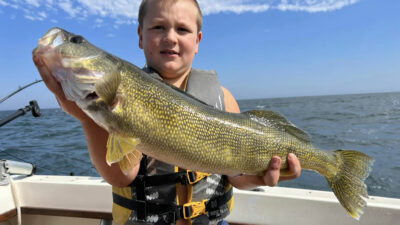
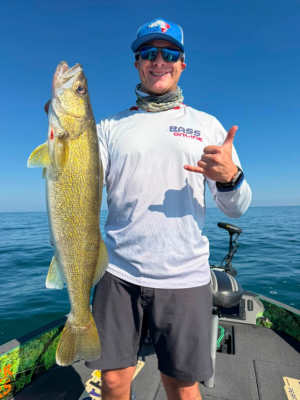
If one fish defines Lake Erie, it’s the walleye.
Lake Erie has developed an international reputation as a premier walleye destination, attracting anglers from throughout the United States and Canada.
Walleye are found throughout the lake, but their locations change considerably throughout the year.
Water temperature, spawning behavior, currents, weather, forage movements, and seasonal migrations all influence where concentrations of fish can be found.
Understanding those movements is one of the biggest advantages of fishing with an experienced Lake Erie guide or charter captain.
Spring is one of the most anticipated periods of the Lake Erie fishing season.
As water temperatures begin changing, walleye concentrate around spawning areas and migration routes.
The Western Basin becomes especially important.
Reefs, shoals, current areas, river mouths, and other spawning-related habitat can concentrate fish.
Jigging is a classic spring technique when walleye are relating closely to structure or the bottom.
As fish complete their spawning movements and begin dispersing, trolling becomes increasingly effective.
Summer brings a completely different fishing pattern.
Walleye can spread across enormous sections of Lake Erie while following baitfish and preferred water conditions.
This is when open-water trolling becomes especially important.
Rather than fishing one small piece of structure, anglers may cover miles of water searching for active fish.
Popular presentations include:
Depth control is critical.
Lake Erie walleye frequently suspend somewhere in the water column rather than staying directly on the bottom.
Successful anglers use electronics to determine where fish and bait are positioned before placing their presentations at productive depths.
As temperatures begin falling, walleye behavior changes again.
Cooling water influences forage movements, and fish may begin concentrating in different areas.
Fall can produce excellent fishing, particularly for anglers who understand these seasonal transitions.
It can also bring rapidly changing weather.
Wind, waves, cold fronts, and shorter days make preparation increasingly important as the season progresses.
Lake Erie isn’t only a walleye destination.
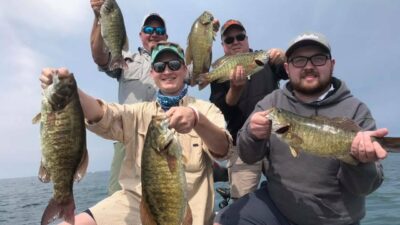
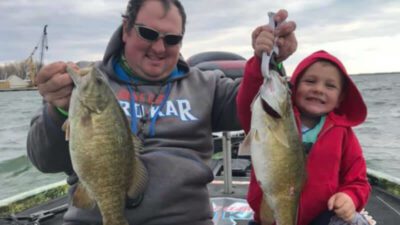
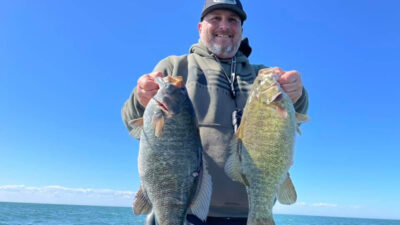
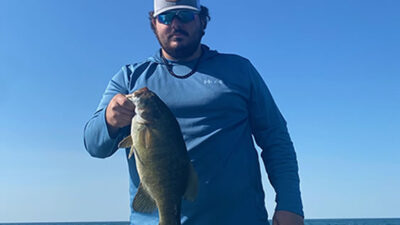
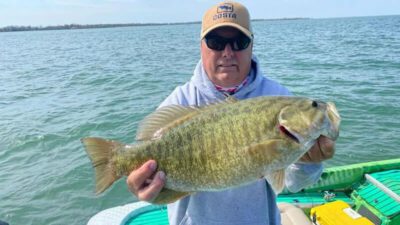
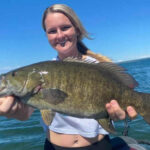
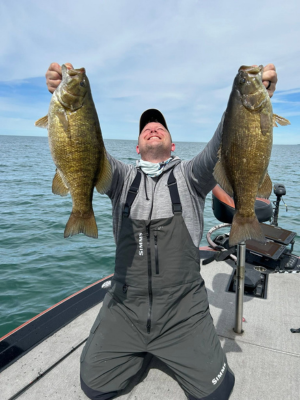
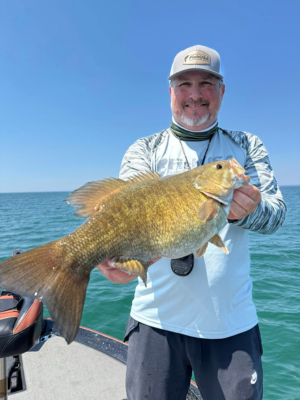
It is also one of America’s great smallmouth bass fisheries.
Smallmouth bass thrive around the extensive rocky habitat found throughout Lake Erie.
Reefs, shoals, ledges, rock piles, points, drop-offs, and transitions can all hold bass when the right combination of depth, water temperature, and forage is present.
These aren’t always fish that can be found by simply cruising down a shoreline.
Much of Great Lakes smallmouth fishing involves understanding what exists underneath the boat.
Electronics can reveal subtle depth changes, isolated rock, schools of baitfish, and individual groups of bass that would otherwise be nearly impossible to find.
Once located, Lake Erie smallmouth can provide some outstanding action.
They’re aggressive, powerful, and well suited to the open-water environment of the Great Lakes.
Smallmouth can be caught using a wide range of techniques.
Popular presentations include:
The best presentation depends on how the fish are positioned.
Deep bass holding tightly to structure may require a finesse presentation kept close to the bottom.
Actively feeding fish may respond better to moving baits.
Seasonal transitions can also move bass between shallow and deep water.
The most successful Lake Erie bass anglers remain flexible rather than relying on one technique throughout the year.
Yellow perch have long been part of Lake Erie’s fishing tradition.
Perch fishing offers a different experience from chasing trophy smallmouth or trolling miles of open water for walleye.
When large schools are located, anglers can often experience steady action.
This makes perch fishing particularly appealing for families and anglers who simply want an enjoyable day on the water.
Finding those schools is the key.
Perch frequently concentrate around particular depths and bottom areas, so electronics and current fishing knowledge can make a significant difference.
Yellow perch are also highly regarded as table fare, making them a popular target for anglers interested in keeping fish when seasons and regulations allow.
Steelhead add another dimension to Lake Erie’s fishery, particularly in Pennsylvania and New York.
These migratory rainbow trout spend part of their lives in Lake Erie before entering tributaries during seasonal runs.
The result is a fishery completely different from trolling offshore for walleye or working deep rock for smallmouth.
Anglers can pursue steelhead in the open lake as well as around tributaries and river systems during appropriate periods.
Pennsylvania’s Lake Erie waters and tributaries are particularly well known for steelhead fishing. The Pennsylvania Fish and Boat Commission describes the area as a world-class steelhead fishery while also highlighting the region’s bass, walleye, and yellow perch opportunities.
For anglers who enjoy variety, steelhead are another reason Lake Erie remains interesting long after summer ends.
One of the best ways to understand Lake Erie fishing is geographically.
The American shoreline stretches across four states, and each provides access to different habitat, depths, species, and seasonal fishing patterns.
Michigan occupies the western end of Lake Erie near the Detroit River.
Most of Michigan’s direct Lake Erie access is concentrated around Monroe County in the southeastern corner of the state.
This puts anglers close to both Lake Erie and the connecting Detroit River system.
Walleye and smallmouth bass are two of the primary game fish.
Yellow perch, catfish, freshwater drum, largemouth bass, and other species add additional opportunities.
For anglers traveling from Detroit or southeastern Michigan, this section of Lake Erie provides convenient access to productive Western Basin fishing.
Monroe is one of the primary gateways to the lake, and William C. Sterling State Park provides additional public access and outdoor recreation along Michigan’s Lake Erie shoreline.
Ohio represents the heart of the American Lake Erie fishery.
The state’s extensive shoreline provides access to different sections of the lake, from the shallow Western Basin to deeper waters farther east.
Popular fishing communities include:
The Western Basin is particularly famous for walleye.
Reefs, islands, shoals, and shallow structure create productive spring fishing before walleye begin seasonal movements into other areas.
The Lake Erie Islands also create excellent opportunities for smallmouth bass.
Farther east, deeper water around Cleveland, Geneva, and Ashtabula provides another style of fishing.
For anglers looking for the greatest selection of Lake Erie departure locations, Ohio offers numerous possibilities.
Pennsylvania may have a relatively short Lake Erie shoreline, but don’t overlook it.
The city of Erie and surrounding waters provide access to an impressive combination of fisheries.
The Pennsylvania Fish and Boat Commission reports that anglers catch an average of approximately 1.5 million fish annually from Lake Erie, Presque Isle Bay, and the area’s tributaries.
Popular targets include:
Presque Isle Bay adds another dimension to the fishery by providing protected water and different habitat from the open lake.
Pennsylvania is also especially well known for its Lake Erie steelhead fishery.
Tributaries throughout the region attract anglers during seasonal runs, making Erie a destination for both boat and shore-based fishing.
New York provides access to the eastern portion of Lake Erie.
This area is particularly interesting for anglers targeting smallmouth bass and walleye.
Major fishing communities include:
The eastern basin contains deeper water and extensive rocky habitat.
That makes it particularly attractive to serious smallmouth bass anglers.
Rock piles, ledges, reefs, drop-offs, and other offshore structure can hold quality bass throughout the fishing season.
Walleye also move through these waters, creating additional opportunities for anglers trolling offshore.
Dunkirk is one of the most recognizable fishing ports in western New York and provides access to both walleye and smallmouth fishing.
For anglers coming from Buffalo, western New York, Pennsylvania, or other parts of the Northeast, this section of Lake Erie can be an excellent fishing destination.
The Western Basin is Lake Erie’s shallowest major region.
It stretches across waters associated with Michigan and northwestern Ohio and includes some of the lake’s most recognizable fishing areas.
Islands, reefs, shoals, spawning habitat, and relatively shallow water make this an extremely productive region.
The Western Basin is especially famous for walleye.
During spring, spawning-related movements can concentrate fish around reefs and other productive areas.
Smallmouth bass can also be found around the rocky habitat associated with islands, reefs, and other structure.
Popular gateways include Monroe, Toledo, Port Clinton, and Sandusky.
Travel east and Lake Erie becomes progressively deeper.
The Central Basin extends across much of northern Ohio and toward Pennsylvania.
Here, open-water fishing becomes increasingly important.
Walleye can travel significant distances following forage and preferred water conditions.
That makes trolling and modern electronics extremely valuable.
Instead of targeting one obvious reef or shoreline feature, anglers may be locating suspended fish over deep water.
Communities such as Lorain and Cleveland provide access to this section of the lake.
The Eastern Basin contains Lake Erie’s deepest water and extends through portions of Pennsylvania and New York.
Rocky structure creates excellent habitat for smallmouth bass.
This is where offshore bass fishing can become particularly exciting.
Anglers may use electronics to locate isolated rock piles, ledges, drop-offs, and other structure before fishing vertically or casting to individual groups of bass.
Walleye and steelhead provide additional opportunities depending on the season.
Erie, Dunkirk, and Buffalo are among the major American gateways to this portion of Lake Erie.
There isn’t one best time to fish Lake Erie.
The ideal season depends on the species you want to catch.
Spring brings major fish movements.
Walleye become a primary target in the Western Basin as fish concentrate around spawning-related areas.
Smallmouth bass also become increasingly active as water temperatures rise and fish transition toward shallower habitat.
Summer opens up the entire lake.
Walleye spread throughout larger areas while following baitfish and preferred water conditions.
Trolling becomes increasingly important.
Smallmouth bass often transition toward deeper rocky structure as temperatures rise.
Summer is also one of the most popular periods for family fishing trips and Great Lakes vacations.
Fall brings cooler water and another period of changing fish behavior.
Smallmouth can feed aggressively as temperatures decline.
Walleye movements change as forage relocates.
Steelhead also become increasingly important around parts of Pennsylvania and New York.
Weather becomes a greater factor, however, and safe boating conditions should always determine whether a trip proceeds.
Hiring a professional Lake Erie fishing guide or charter captain can significantly shorten the learning curve.
Lake Erie is massive.
The fish move.
Weather changes.
Productive fishing locations can shift significantly throughout the season and sometimes from one day to another.
A local captain spends the season tracking those changes.
That knowledge can help visiting anglers spend more time fishing and less time searching unfamiliar water.
Depending on the location and season, a Lake Erie fishing charter may target:
Guided trips can be appropriate for beginners, experienced anglers, families, groups, and visitors who simply want to experience Great Lakes fishing without bringing their own boat and equipment.
No two Lake Erie fishing trips are exactly the same.
A walleye trip may involve traveling offshore and trolling several rods at carefully controlled depths.
A smallmouth trip might involve using sonar to locate rocky structure before casting or vertically presenting finesse baits.
A family fishing trip may prioritize comfortable conditions and steady action.
Your captain should explain the fishing strategy, equipment, safety procedures, and what to expect before leaving the dock.
Conditions determine the rest.
One of the most important qualities of an experienced Great Lakes captain is adaptability.
When the fish move, the strategy moves with them.
Trip length should depend on your goals, departure location, and current fishing conditions.
Shorter trips can provide an excellent introduction to Lake Erie when fish are relatively close to port.
Longer trips provide more time to travel, locate fish, change fishing areas, and adapt to conditions.
That additional flexibility can be valuable on a body of water this large.
If you’re fishing with young children or simply want a relaxed introduction to Great Lakes fishing, a shorter trip may be appropriate.
More serious anglers targeting a particular species may benefit from additional time on the water.
Lake Erie weather can be significantly different from conditions on land.
Prepare accordingly.
Consider bringing:
Most professional charters provide the specialized rods, reels, tackle, and fishing equipment needed for the trip.
Confirm exactly what is included before arriving.
Even during summer, bringing an additional layer of clothing is a good idea.
Wind and open water can make temperatures feel considerably cooler than they do at the marina.
Fishing licenses and regulations are especially important on Lake Erie because the lake crosses multiple jurisdictions.
The United States side includes Michigan, Ohio, Pennsylvania, and New York, while Canadian waters fall under Ontario.
Requirements can change once you cross a jurisdictional boundary.
Fishing regulations can also vary by:
Never assume the regulations from one state apply everywhere on Lake Erie.
Before fishing, review the current regulations for the waters you plan to enter.
Your charter captain can also help explain which licenses or permits are required for your specific trip.
Lake Erie demands respect.
Its relatively shallow depth can allow waves to build quickly when wind conditions change.
A calm morning at the marina doesn’t guarantee calm conditions later in the day.
Always use a marine forecast when evaluating conditions.
Professional captains continuously monitor wind, waves, thunderstorms, visibility, and changing weather while on the water.
Sometimes the safest decision is to change fishing areas, adjust the departure time, return to the dock, or reschedule.
That’s part of Great Lakes fishing.
Safety always comes before catching another fish.
Yes. Lake Erie is one of the premier freshwater fishing destinations in North America.
Its combination of walleye, smallmouth bass, yellow perch, steelhead, abundant forage, extensive structure, and diverse fishing environments provides opportunities for many different types of anglers.
What makes Lake Erie particularly special is that the fishing experience changes as you travel across the lake.
Michigan’s Western Basin isn’t the same fishery as eastern New York.
Spring walleye fishing isn’t the same experience as summer smallmouth fishing.
A steelhead trip in Pennsylvania can feel completely different from trolling for suspended walleye offshore from Ohio.
You could fish Lake Erie for years and continue discovering something new.
Lake Erie is more than one fishing destination.
It’s an entire collection of Great Lakes fisheries connected by one enormous body of water.
You can chase spring walleye around the Western Basin.
Fish rocky island structure for smallmouth bass.
Troll the Central Basin during summer.
Explore Pennsylvania’s waters around Erie and Presque Isle.
Travel east to Dunkirk and western New York in search of smallmouth bass and walleye.
Each region provides something different.
That’s why choosing where to fish should begin with one simple question:
What do you want to catch?
From there, you can choose the state, destination, season, and Lake Erie fishing trip that best matches the experience you’re looking for.
Explore available Lake Erie fishing charters and guided fishing trips across Michigan, Ohio, Pennsylvania, and New York to start planning your next Great Lakes adventure.
Lake Erie spans four Bass Online fishing markets: New York, Pennsylvania, Ohio and Michigan. This hub helps anglers choose the right part of the lake based on where they want to launch, the species they want to target and the local guides and trips available in each state.
Choose a state-specific Lake Erie page for detailed local fishing information, regulations, meeting areas, guides and booking options.
| Species | Jan | Feb | Mar | Apr | May | Jun | Jul | Aug | Sep | Oct | Nov | Dec |
|---|---|---|---|---|---|---|---|---|---|---|---|---|
| Smallmouth Bass | 🔥 Hot | 🔥 Hot | 🔥 Hot | 🔥 Hot | 🔥 Hot | |||||||
| Walleye | 🔥 Hot | 🔥 Hot | 🔥 Hot | 🔥 Hot | ||||||||
| Largemouth Bass | ✅ Good | ✅ Good | ✅ Good | ✅ Good |
No targeted species marked for Jan.
No targeted species marked for Feb.
No targeted species marked for Mar.
No targeted species marked for Nov.
No targeted species marked for Dec.