
























Northern Largemouth Bass: The Ultimate Guide to Biology, Habitat, and Fishing Techniques
Introduction to Northern Largemouth Bass
Northern Largemouth Bass (Micropterus salmoides salmoides) is a popular freshwater game fish native to the central and eastern United States. Known for its aggressive behavior and impressive size, it is the most sought-after bass species among anglers in northern temperate climates. This subspecies of largemouth bass prefers cooler waters than its southern counterpart and inhabits lakes, reservoirs, rivers, and ponds rich in vegetation.
Identification and Distinctive Features
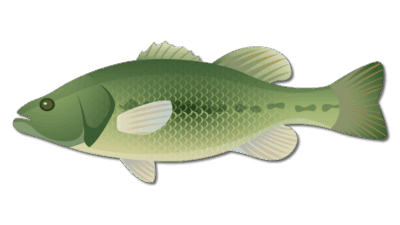
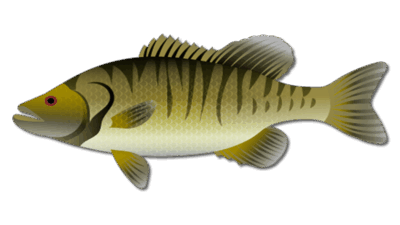
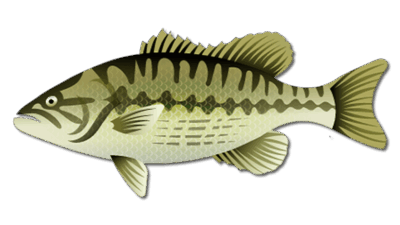
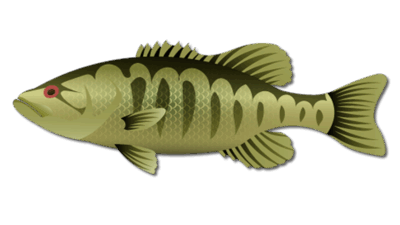
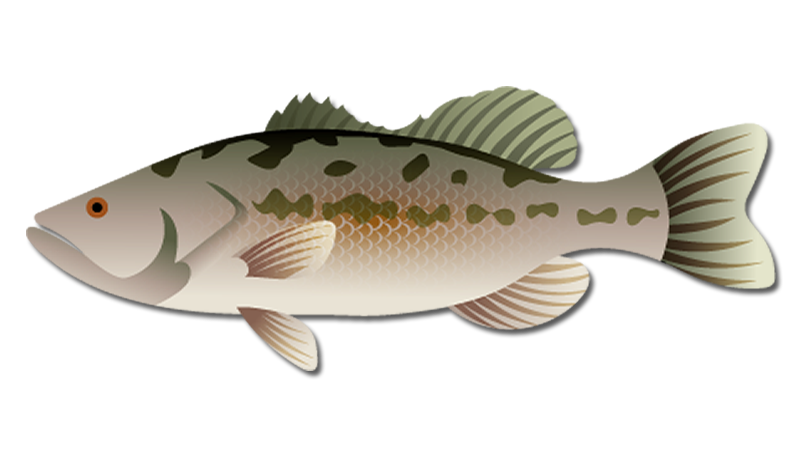
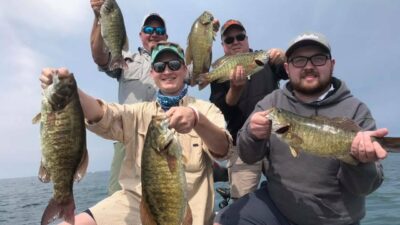
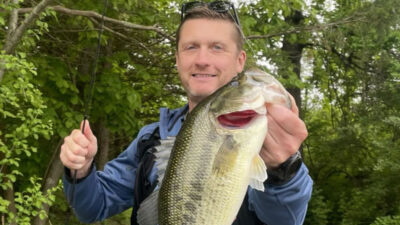
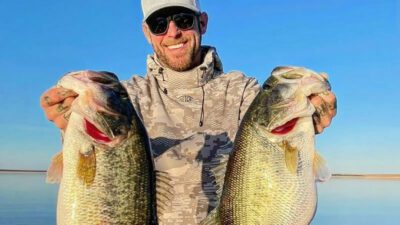
Northern Largemouth Bass has a large mouth where the upper jaw extends beyond the eye. Its body is robust and slightly compressed laterally, colored dark green to olive with a white belly and a dark horizontal stripe along its sides. Two dorsal fins are separate, unlike other bass species with connected dorsal fins. They generally range from 13 to 20 inches in length but can grow beyond 24 inches in optimal conditions. The world record Northern Largemouth Bass weighed over 22 pounds, caught in Georgia in 1932.
Habitat and Distribution
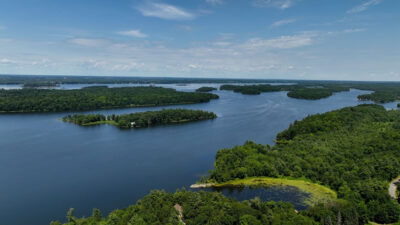
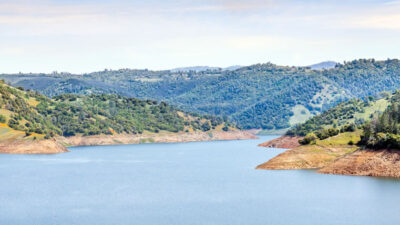
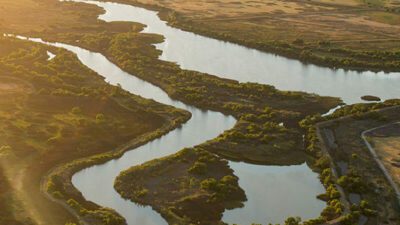
Northern Largemouth Bass inhabit eutrophic lakes, reservoirs, slow-moving rivers, and ponds across much of the northern and central U.S. Compared to the Florida subspecies, they prefer slightly cooler water temperatures generally between 81°F and 86°F. They are most abundant in heavily vegetated waters rich in aquatic plants such as bulrushes, lily pads, coontail, and native pondweeds. Their habitat often includes weed humps, submerged logs, brush piles, and rocky shorelines.
Feeding Ecology and Behavior
Northern Largemouth Bass are voracious predators relying primarily on suction feeding to capture prey. They consume a variety of forage fish, including juvenile bluegills, shad, and sunfish, as well as amphibians and insects. Feeding usually occurs during dawn and dusk, with bass hiding in vegetation or cover before striking on moving prey. Their feeding habits closely follow forage availability, making areas dense with baitfish hotspots during prime fishing times.
Reproduction and Life Cycle
Spawning typically occurs when water temperatures reach 60°F to 70°F, usually in late spring. Males create and guard nests by fanning away sediment with their tails to expose clean gravel or sandy substrate. Females lay thousands of eggs, which males fertilize and protect until hatching. Post-spawn, males guard fry for several weeks. Juveniles rely heavily on cover and forage fish for survival as they grow rapidly through their first year.
Effective Fishing Techniques
Anglers targeting Northern Largemouth Bass should focus on areas with abundant cover and forage presence such as weed edges, points, submerged timber, and rocky ledges. Popular lures include crankbaits (such as Rapala DT-6 and DT-10), spinnerbaits, soft plastic worms (Texas rig or wacky rig), jigs, and topwater lures like poppers and buzzbaits.
For early mornings and late evenings, topwater lures are productive, especially in calm conditions. During warmer months, fishing near weed beds and drop-offs with crankbaits or soft plastics is effective. Fish deeper structures with jigs or Carolina rigs during midday or cooler seasons. Locating forage fish schools (commonly bluegills in northern waters) is key, and using sonar or side-imaging fishfinders can significantly improve catch rates.
Seasonal Patterns and Strategies
Spring: Bass move to shallow spawning areas, focusing on rocky or gravelly substrates. Use slow presentations near spawning beds.
Summer: Bass prefer deeper shaded, vegetated areas; fish with weedless rigs or crankbaits near weed edges.
Fall: Bass feed aggressively prepping for winter; move with shad schools and focus on points and deep channels.
Winter: Bass slow down and retreat to deep waters with stable temperatures; use slow-moving jigs or live bait presentations near structure.
Conservation and Management
Northern Largemouth Bass populations are monitored by state wildlife agencies to maintain sustainable fisheries. Habitat conservation, managing water quality, and regulating harvest through size and bag limits ensure healthy populations. Stocking programs supplement natural populations in some areas, supporting recreational fisheries.
Popular Northern Largemouth Bass Fisheries in the U.S.
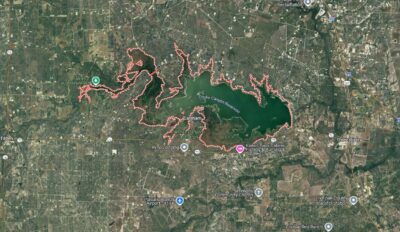
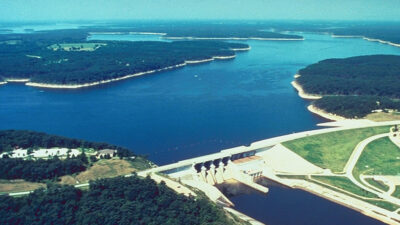
Some of the top waters hosting Northern Largemouth Bass include Lake Erie (OH), Lake Michigan (IL, WI), Lake St. Clair (MI), Lake Winnebago (WI), Lake Guntersville (AL), Lake Oconomowoc (WI), Lake Champlain (VT, NY), and Jordan Lake (NC). These lakes and reservoirs support robust bass populations with diverse fishing opportunities.
Conclusion
Northern Largemouth Bass is a cornerstone species for freshwater anglers in the cooler water regions of the U.S. Their aggressive nature, varied habitat, and seasonal migration patterns offer a rewarding challenge for anglers. Success depends on understanding their biology, habitat preferences, and employing appropriate fishing techniques throughout the year.
This comprehensive guide on Northern Largemouth Bass covers key aspects necessary for anglers and enthusiasts to identify, locate, and fish this species effectively, while supporting sustainable conservation practices.