 Guides Wanted
Lake Erie Ohio

0 Reviews

Quick Summary
Ohio’s Lake Erie waters offer premier walleye and smallmouth bass fishing from Port Clinton and Sandusky east through Cleveland. Compare seasons, techniques, safety, access and guided trips.
Top Fishing Guides on Lake Erie Ohio
Guides WantedLake Erie Ohio Reviews
Top Target Species on Lake Erie Ohio
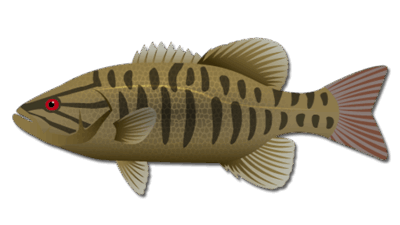
Smallmouth Bass
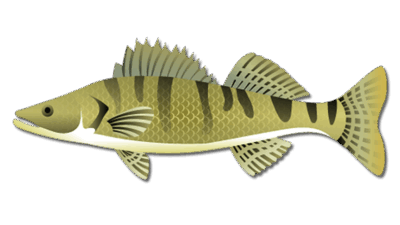
Walleye
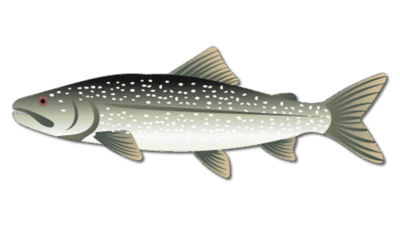
Lake Trout
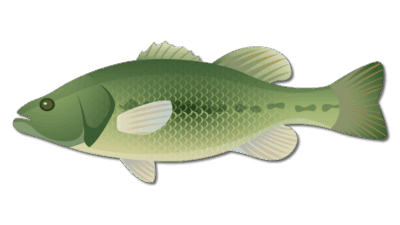
Largemouth Bass
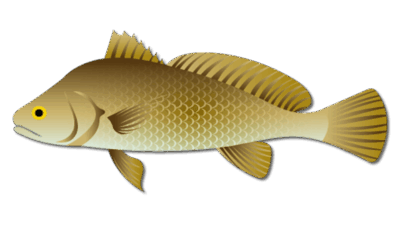
Freshwater Drum
Nearby Cities to Lake Erie Ohio
Frequently Asked Questions about Lake Erie Ohio
What fish is Lake Erie in Ohio best known for?
Walleye are the signature species in Ohio waters. Smallmouth bass and yellow perch are also major targets, with the best area and technique changing by season and basin.
Where is the best fishing on Lake Erie in Ohio?
Port Clinton, Catawba and the Western Basin are famous for walleye and island structure. Sandusky offers access to the bay and islands, while Lorain, Cleveland, Geneva and Ashtabula reach productive Central and eastern basin water.
When is the best time to fish Lake Erie in Ohio?
Spring is a major period for Western Basin walleye and warming-water smallmouth. Summer favors broad trolling programs as walleye spread, while fall can produce quality walleye and bass during safe weather windows.
What is included with a guided Lake Erie fishing trip?
Trips generally include the captain, boat, fuel and fishing equipment. Confirm the exact inclusions, departure point, fishing-license requirements and weather policy in your booking details.
Do I need an Ohio fishing license for Lake Erie?
Most anglers fishing Ohio waters need the appropriate Ohio license unless an exemption applies. Check current Ohio Department of Natural Resources rules because license requirements, seasons, size limits and daily limits can change.
Fishing Lake Erie Ohio
Ohio’s Lake Erie shoreline gives anglers access to the lake’s shallow Western Basin, the deeper Central Basin and productive water east of Cleveland. Walleye are the headline species, but the Ohio side also supports excellent smallmouth bass fishing, seasonal yellow perch opportunities and a mix of other Great Lakes species. Port Clinton, Sandusky, Toledo and Cleveland are the principal departure areas for most visiting anglers.
The right starting point depends on the species, season and wind—not simply the nearest ramp. Western Basin reefs and island structure dominate many spring plans, summer walleye often spread across open water, and smallmouth bass use rock, shoals and depth changes throughout the year. A professional captain can shorten the search on this large, fast-changing fishery; browse the regional Lake Erie fishing guides page and confirm Ohio-water coverage and your departure port before reserving. A Pennsylvania listing does not establish Ohio service.
Understanding Ohio’s Lake Erie Waters
Lake Erie is the shallowest Great Lake and is naturally divided into western, central and eastern basins. The U.S. Environmental Protection Agency reports an average depth of about 24 feet in the Western Basin, about 60 feet in the Central Basin and about 80 feet in the Eastern Basin. Those depth changes affect water temperature, clarity, waves, forage and fish location.
Western Basin: Toledo, Port Clinton and the Islands
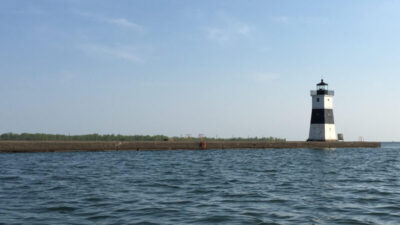
The Western Basin is the classic Ohio walleye destination. Reefs, shoals, island passages and relatively shallow water create productive spring spawning areas and numerous casting and trolling options. Port Clinton and the Catawba Peninsula provide access toward the Bass Islands, while Toledo and Maumee Bay are convenient for the lake’s far-western water.
Central Basin: Lorain and Cleveland
From Vermilion and Lorain east through Cleveland, deeper water and broad open-lake structure become more important. Walleye frequently suspend with baitfish, so productive depth can matter as much as a specific waypoint. Harbor walls, breakwalls and rocky transitions can also create local bass opportunities when conditions allow.
Eastern Ohio: Geneva and Ashtabula
Ohio’s eastern shoreline reaches deeper water and additional rocky habitat. Walleye remain a primary target, while smallmouth anglers focus on rock, ledges and contour changes. Because the lake is large and weather can separate safe water from unsafe water quickly, departure port and daily marine conditions should guide every plan.
Top Fish Species in Ohio Waters
Walleye
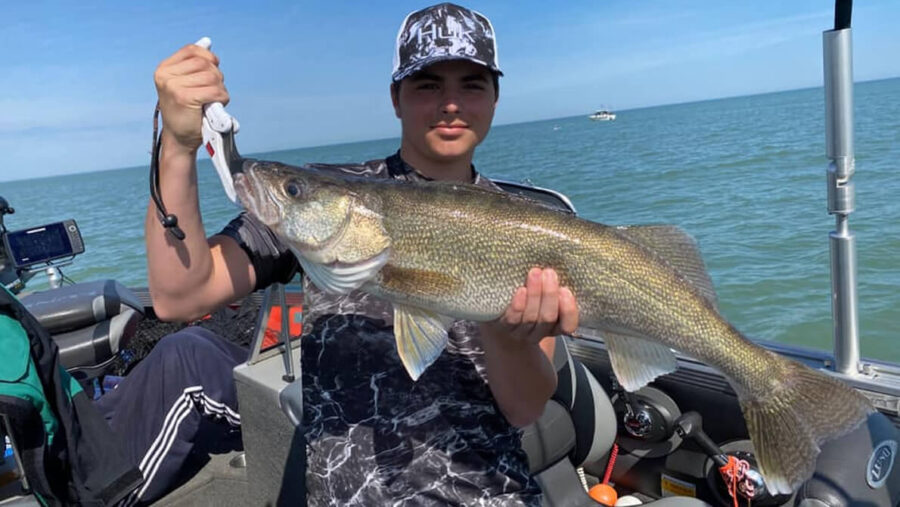
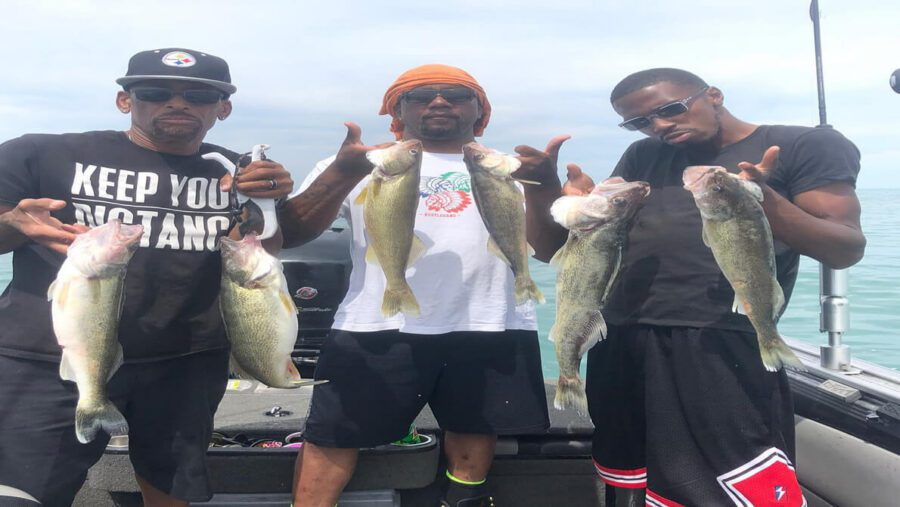
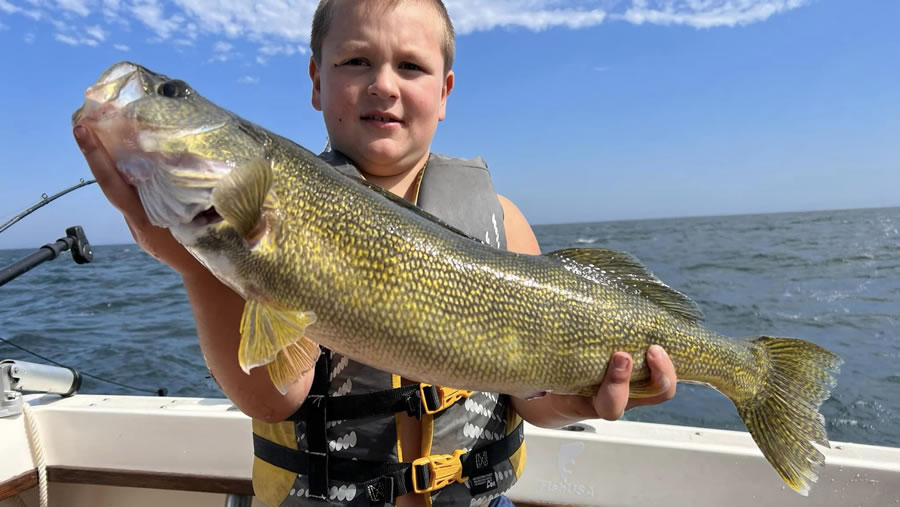
Walleye are Lake Erie’s signature game fish. Spring concentrates many fish around Western Basin reefs and migration routes, where jigging and casting can be effective. As water warms, schools spread and suspend across larger sections of the Western and Central Basins. Trolling crankbaits, spoons or crawler harnesses at controlled depths becomes a practical way to cover water. Fall can produce another strong feeding window, but shorter days and changing winds require conservative boating decisions.
Smallmouth Bass
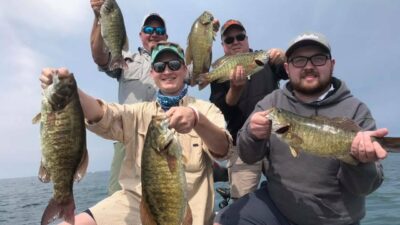
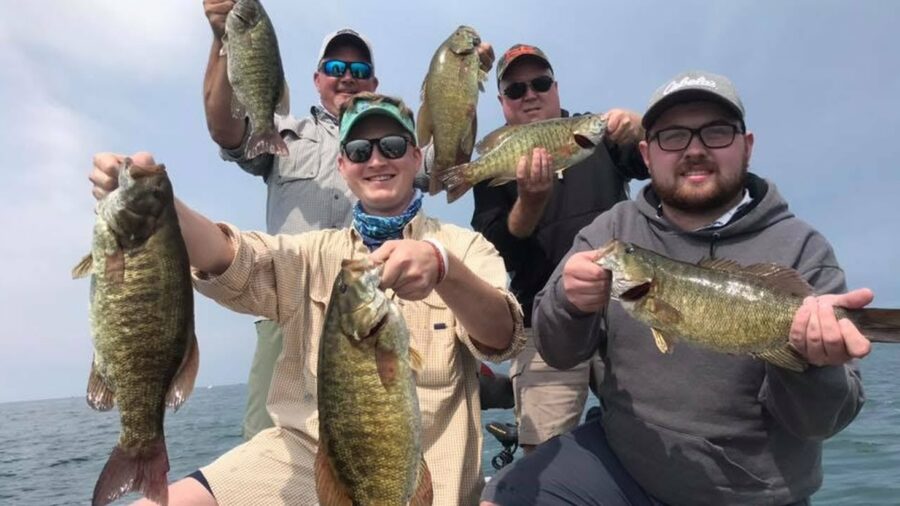
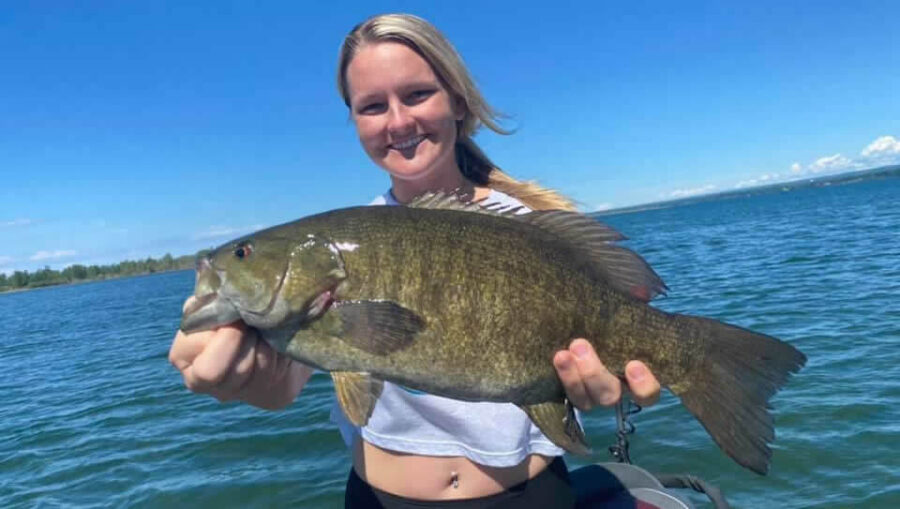
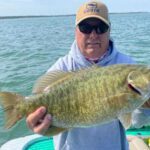
Lake Erie’s rock, shoals, ledges and hard-bottom transitions support powerful smallmouth bass. Tubes, drop shots, Ned rigs and soft-plastic swimbaits are reliable structure-oriented presentations. Jerkbaits and crankbaits can be effective when bass are moving or feeding aggressively. The most important adjustment is often depth: shallow spring fish may move toward deeper structure as the season advances.
Yellow Perch and Other Species
Yellow perch can provide steady action when schools are located, especially for families and groups. Freshwater drum, channel catfish, largemouth bass, white bass and common carp are also present. Species availability and harvest rules change, so anglers should confirm current Ohio regulations before keeping fish.
Best Times to Fish Lake Erie in Ohio
- March through May: Western Basin walleye movements and warming-water smallmouth patterns make spring a major planning period. Cold water and strong fronts can limit safe fishing days.
- June through August: Trolling becomes central as walleye spread and suspend. Smallmouth commonly relate to deeper rock and contour changes. Summer thunderstorms and changing winds still require close monitoring.
- September through November: Cooling water can improve feeding activity for walleye and bass. The tradeoff is more volatile weather and fewer comfortable open-water windows.
- Winter: Conditions vary widely. Ice is never uniform across the lake, and open-water trips should be planned only with current local and professional guidance.
There is no single “best month” for every angler. Choose the season that matches your target species, preferred technique and tolerance for Great Lakes weather.
Where to Start an Ohio Lake Erie Trip
Port Clinton and Catawba
Port Clinton is a natural base for Western Basin walleye trips. The nearby Catawba Peninsula, reef complex and island country put anglers close to varied structure and multiple launch options. It is a strong choice for visitors whose first priority is walleye or access to the Bass Islands area.
Sandusky and the Lake Erie Islands
Sandusky provides another Western Basin gateway, with access to Sandusky Bay, Marblehead and the island region. The combination of reefs, rock, shoals and current breaks can support both walleye and smallmouth plans. It also works well for families combining fishing with a broader Lake Erie visit.
Lorain and Cleveland
Lorain and Cleveland place anglers along the Central Basin. These ports can shorten the run to migrating or suspended summer walleye when fish are distributed farther east. They also offer the convenience of a major metropolitan area without giving up direct Great Lakes access.
Geneva and Ashtabula
Geneva and Ashtabula are useful eastern Ohio departure points for deeper-water walleye and rocky smallmouth habitat. They are especially relevant when seasonal fish movement or weather makes the eastern end the better option.
Productive Techniques
For walleye, match presentation depth to the marks seen on sonar rather than assuming fish are on bottom. Spring jigging and casting can shine around reefs and spawning structure; trolling becomes increasingly efficient when schools scatter or suspend. Smallmouth anglers should work tubes, drop shots, Ned rigs, swimbaits, jerkbaits and crankbaits around rock, points, shoals and breaks.
Lake Erie rewards flexibility. Water clarity can change after wind, baitfish can move, and one productive depth may not hold fish the next day. A current pattern from the same basin and departure port is more useful than an old waypoint.
Guided Fishing Trips and Meeting Location
A guided trip is especially valuable for first-time visitors because Lake Erie is too large to approach like a small inland lake. Captains track seasonal movement, weather, water clarity and the practical limits of each launch area. Trips typically include the captain, boat, fuel and fishing equipment; confirm the exact inclusions, meeting location, license requirements and weather policy before departure.
A western Ohio access option is the West Harbor Public Boat Launch, 1955 NE Catawba Road, Port Clinton, Ohio 43452. Your final departure point may change with the assigned captain, target species and conditions, so always use the location provided in the booking confirmation.
Weather and Boating Safety
Lake Erie can build a steep chop quickly, particularly when wind has a long fetch across open water. Check the National Weather Service Lake Erie forecast before leaving and continue monitoring conditions on the water. Thunderstorms, fog, cold fronts and wind shifts can change a trip plan. A captain may move the departure time, select a different port, shorten the day or reschedule when safety requires it.
Ohio Licenses, Limits and Regulations
Anglers should review the current Ohio fishing regulations before the trip. License requirements, daily limits, size rules and seasonal provisions can change. Lake Erie also crosses multiple jurisdictions; Ohio rules should not be assumed to apply after crossing into another state or Canadian water.
For research-based context on Ohio’s walleye fishery and management, review Ohio Sea Grant’s Lake Erie walleye fisheries resource.
Plan Your Ohio Lake Erie Fishing Trip
Choose a departure area first, then match the trip to the species and season. Port Clinton and Sandusky are strong Western Basin options; Lorain and Cleveland serve the Central Basin; Geneva and Ashtabula reach eastern Ohio water. Pack layered clothing, rain protection, polarized glasses, non-slip shoes, sunscreen, food, drinks and any required medication. Confirm what the captain supplies and carry the proper license.
Lake Erie rewards anglers who respect its scale and adapt to current conditions. Whether the goal is a first walleye, a hard-fighting smallmouth or a family day chasing perch, Ohio provides multiple ways to experience the lake.
Compare Lake Erie regions: Lake Erie overview · Michigan · Pennsylvania · New York
No dedicated Ohio booking product is verified on this page. Confirm your operator, Ohio license, target species and departure port before reserving.
For a separate, neighboring-state option, compare Erie, Pennsylvania fishing. That regional city card is not an Ohio departure location.
Lake Erie Ohio Fishing Calendar
🔥 Hot
✅ Good
🐢 Slow
| Species | Jan | Feb | Mar | Apr | May | Jun | Jul | Aug | Sep | Oct | Nov | Dec |
|---|---|---|---|---|---|---|---|---|---|---|---|---|
| Smallmouth Bass | 🔥 Hot | 🔥 Hot | 🔥 Hot | 🔥 Hot | ||||||||
| Walleye | 🔥 Hot | 🔥 Hot | 🔥 Hot | 🔥 Hot | ||||||||
| Largemouth Bass | ✅ Good | ✅ Good | ✅ Good | ✅ Good |
No targeted species marked for Jan.
No targeted species marked for Feb.
Smallmouth Bass
🔥 Hot
Smallmouth Bass
🔥 Hot
Smallmouth Bass
🔥 Hot
Walleye
🔥 Hot
Largemouth Bass
✅ Good
Largemouth Bass
✅ Good
Walleye
🔥 Hot
Largemouth Bass
✅ Good
Walleye
🔥 Hot
No targeted species marked for Nov.
No targeted species marked for Dec.
Featured Post for Lake Erie Ohio