 Guides Wanted
Lake Erie Michigan

0 Reviews


Quick Summary
Michigan’s Lake Erie fishery centers on Monroe County and the western basin, with prime walleye and smallmouth opportunities, public access, current safety guidance and trip-planning details.
Top Fishing Guides on Lake Erie Michigan
Guides WantedLake Erie Michigan Reviews
Top Target Species on Lake Erie Michigan
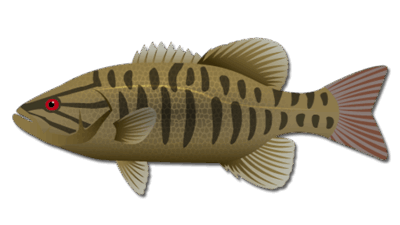
Smallmouth Bass
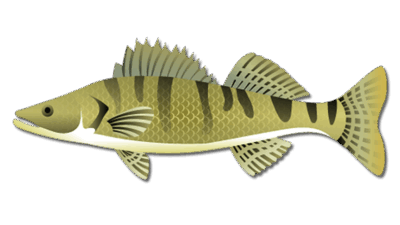
Walleye
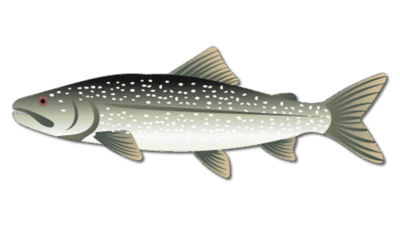
Lake Trout
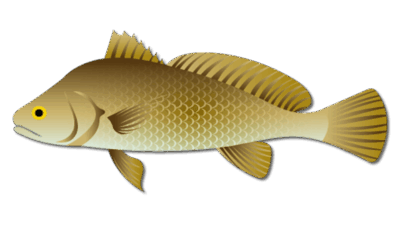
Freshwater Drum
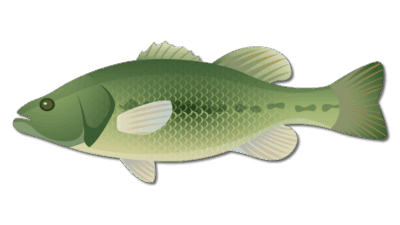
Largemouth Bass
Frequently Asked Questions about Lake Erie Michigan
What fish is Michigan’s Lake Erie best known for?
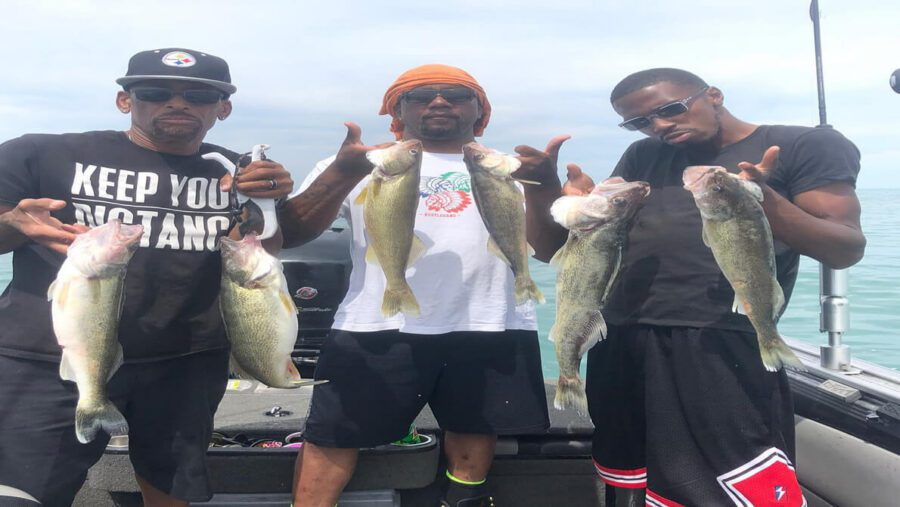
Walleye and smallmouth bass are the leading game-fish targets in Michigan waters. Yellow perch are also popular, with white bass, freshwater drum, largemouth bass and channel catfish providing additional opportunities.
Where can I access Lake Erie in Michigan?
Monroe County provides the main access. William C. Sterling State Park has a barrier-free boat launch and shore access, while Michigan DNR also identifies Bolles Harbor, Luna Pier, Plum Creek and Pointe Mouillee as fishing-access areas. Verify current conditions and facility status before traveling.
When is the best time to fish Lake Erie in Michigan?
Spring and early summer are important walleye periods. Smallmouth fishing is often strongest from late spring into early summer and again during fall cooling. Exact timing changes with water temperature, wind, clarity and fish movement.
Do I need a Michigan fishing license on Lake Erie?
Anglers must follow current Michigan license and fishing rules while in Michigan waters. Ohio and Ontario have separate requirements, so confirm your location and review the current Michigan DNR regulations before every trip.
Are guided trips available on Michigan’s Lake Erie?
Guided Lake Erie trip options are available. Confirm the departure location, target species, included equipment, license requirements and weather policy when booking because the final launch point can change with conditions.
Fishing Lake Erie Michigan
Michigan’s Lake Erie shoreline may be short compared with neighboring states, but it opens directly onto the productive western basin. The state’s fishable water runs from the Detroit River south through Monroe County toward the Ohio line, putting anglers close to shallow flats, reefs, river current, marsh edges and open-water feeding areas.
This page focuses on the Michigan side of Lake Erie. For a broader comparison of every state, visit the Lake Erie fishing overview.
Michigan Lake Erie Fishing Overview
Lake Erie is the shallowest Great Lake, and its western basin responds quickly to wind, temperature and water-level changes. Those same characteristics help create a highly productive fishery. Walleye are the leading open-water target, while smallmouth bass draw anglers to rock, current breaks and hard-bottom structure. Yellow perch, white bass, freshwater drum, largemouth bass and channel catfish add variety close to shore and around marsh or river-influenced water.
Michigan waters are especially convenient for anglers staying in Monroe, Luna Pier or the southern Detroit area. The location also makes it possible to build a trip around both Lake Erie and the lower Detroit River, but licenses and regulations depend on exactly where the boat is fishing. Always confirm the jurisdiction before crossing a state or international boundary.
Walleye in the Western Basin
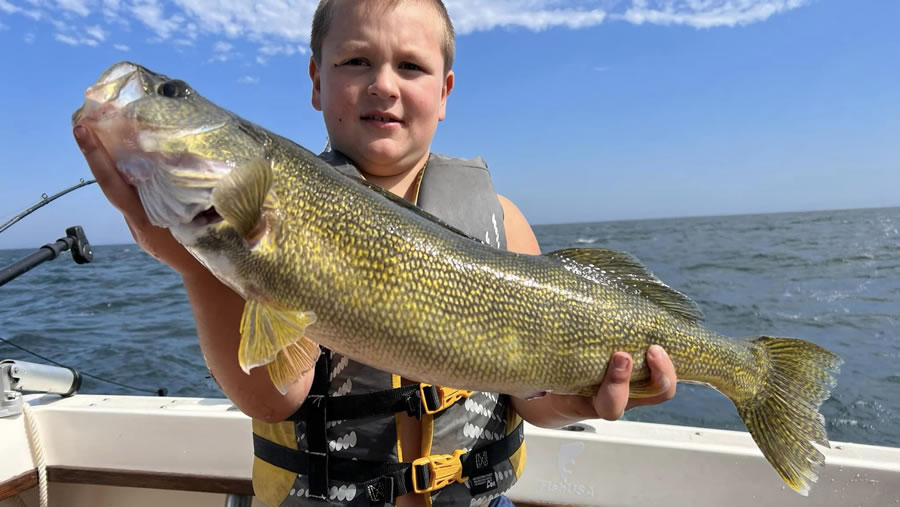
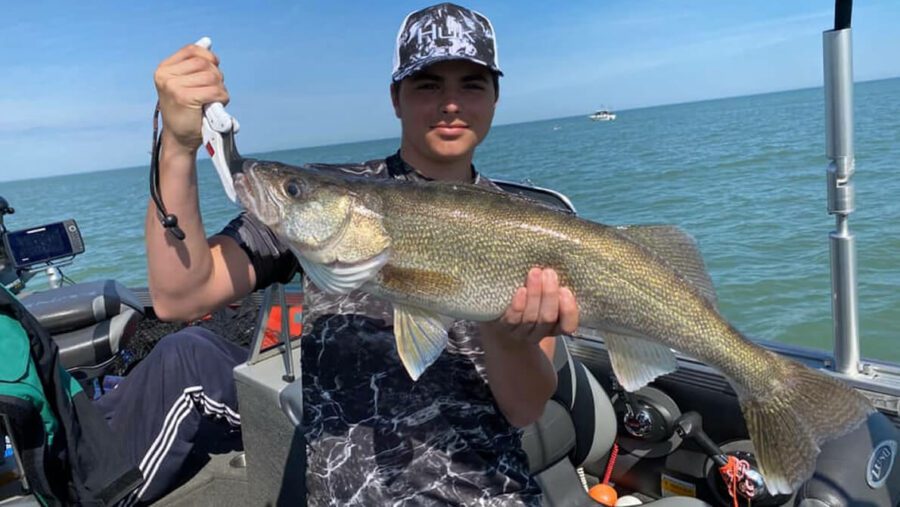
Walleye are the signature Lake Erie game fish. Spring fish often relate to spawning movements, river influence and western-basin reefs. Vertical jigging and casting can be effective when fish are concentrated, while trolling becomes increasingly important as schools spread out and suspend over open water.
Crankbaits, spoons and crawler harnesses let anglers cover water at controlled depths. Boat speed, lure depth and the location of baitfish matter more than simply repeating an old waypoint. In summer, productive schools may move beyond the most obvious shoreline areas, so current reports and good electronics help reduce search time.
Smallmouth Bass Patterns
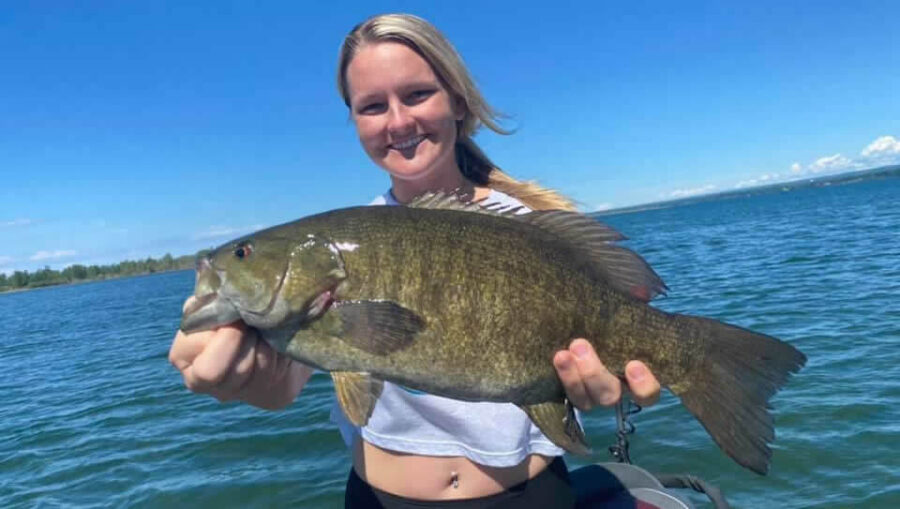
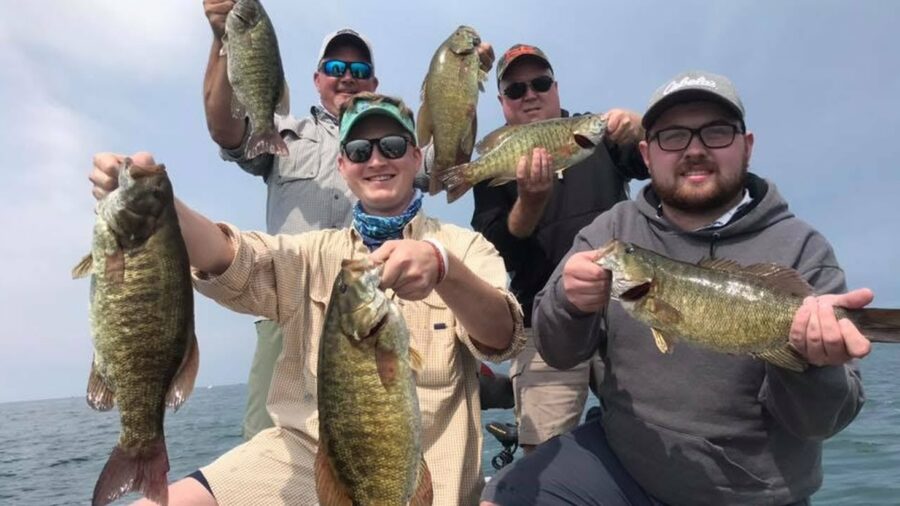
Lake Erie smallmouth use rock, gravel, reef edges, points, current seams and transitions between hard and soft bottom. Late spring and early summer can bring fish within reach of shallower structure. During warm-water periods, many bass shift deeper or hold along offshore breaks. Cooling water can produce another strong feeding window in fall.
Tubes, drop shots, Ned rigs and compact jigs are dependable choices when bass hold close to bottom. Swimbaits, jerkbaits and crankbaits help cover water when fish are active. Wind direction and water clarity can change the best presentation quickly, so successful anglers adjust weight, retrieve speed and casting angle rather than relying on one lure all day.
Yellow Perch and Other Species
Yellow perch remain an important Lake Erie target, particularly for families and anglers who enjoy light tackle. Schools can shift with forage, water temperature and lake conditions, making fish location the central challenge. Once a school is found, simple bottom-oriented rigs can provide steady action.
White bass and freshwater drum are common around feeding activity and current. Largemouth bass and channel catfish are more likely in protected water, marsh edges, lagoons and tributary-influenced areas than on open offshore structure. These secondary options can be valuable when the main lake is rough or when a group wants a varied day.
Monroe County Access
Monroe is the primary gateway to Michigan’s Lake Erie water. William C. Sterling State Park, at 2800 State Park Road in Monroe, has a barrier-free boat launch, extensive trailer parking, a fish-cleaning station and both shoreline and offshore fishing access. It is Michigan’s only state park on Lake Erie.
Michigan DNR’s shore-fishing guide also identifies Bolles Harbor, Luna Pier, Plum Creek, Pointe Mouillee State Game Area and Sterling State Park as Monroe County access options. Facilities, water levels and seasonal availability can change, so verify the current status of a launch or fishing area before driving there. A public access point is not automatically a safe departure in every wind.
Best Seasons and Techniques
Spring and early summer are high-value periods for walleye, while smallmouth opportunities are strongest from late spring into early summer and again as the lake cools. Summer can still be productive, but fish may spread across deeper or more open water. Fall offers excellent fishing when conditions cooperate, although shorter days and stronger weather systems demand conservative planning.
The most useful technique is the one that matches fish position. Jigging suits concentrated fish near bottom or current. Trolling covers dispersed walleye efficiently. Bottom-contact finesse presentations work well for smallmouth on rock and breaks. Keep lure depth, speed and boat control consistent enough to repeat a productive pass.
Weather and Great Lakes Safety
Lake Erie can build steep waves quickly, especially when wind opposes current or has a long open-water fetch. Check the National Weather Service forecast for Michigan waters from the Detroit River to North Cape before launching, then continue monitoring conditions on the water.
Use a boat and safety equipment appropriate for Great Lakes conditions. Wear personal flotation devices, carry reliable communication and navigation equipment, and leave a float plan with someone ashore. When the forecast or observed conditions exceed the experience of the operator or group, choose protected water or reschedule.
Michigan Fishing Rules
Anglers fishing Michigan waters need to follow current Michigan license, season, size and possession rules. Lake Erie and its connecting waters can have species-specific provisions, and nearby Ohio or Ontario waters operate under different requirements. Review the current Michigan fishing regulations before each trip rather than relying on rules remembered from a prior season.
Also confirm launch fees, park-entry requirements and temporary closures. Regulations and access conditions are operational details, not one-time planning items.
Planning a Guided Trip
A guide can shorten the learning curve on a large, changeable lake by matching the day’s weather, fish movement and presentation. This is particularly useful for visitors with limited time, families and anglers learning open-water trolling or offshore bass fishing.
Browse Lake Erie fishing guides and trip options to compare availability. Before booking, confirm the departure location, target species, expected run time, included equipment, license requirements and the captain’s weather policy. Michigan departures may change with conditions, so the final meeting point should always come from the confirmed trip instructions.
Lake Erie Michigan Fishing Calendar
🔥 Hot
✅ Good
🐢 Slow
| Species | Jan | Feb | Mar | Apr | May | Jun | Jul | Aug | Sep | Oct | Nov | Dec |
|---|---|---|---|---|---|---|---|---|---|---|---|---|
| Walleye | 🔥 Hot | 🔥 Hot | 🔥 Hot | 🔥 Hot | ||||||||
| Smallmouth Bass | 🔥 Hot | 🔥 Hot | 🔥 Hot | 🔥 Hot | ||||||||
| Largemouth Bass | ✅ Good | ✅ Good | ✅ Good | ✅ Good |
No targeted species marked for Jan.
No targeted species marked for Feb.
Walleye
🔥 Hot
Walleye
🔥 Hot
Walleye
🔥 Hot
Smallmouth Bass
🔥 Hot
Largemouth Bass
✅ Good
Largemouth Bass
✅ Good
Smallmouth Bass
🔥 Hot
Largemouth Bass
✅ Good
Smallmouth Bass
🔥 Hot
No targeted species marked for Nov.
No targeted species marked for Dec.
Featured Post for Lake Erie Michigan