
Top Rated
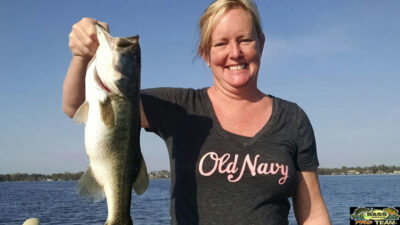
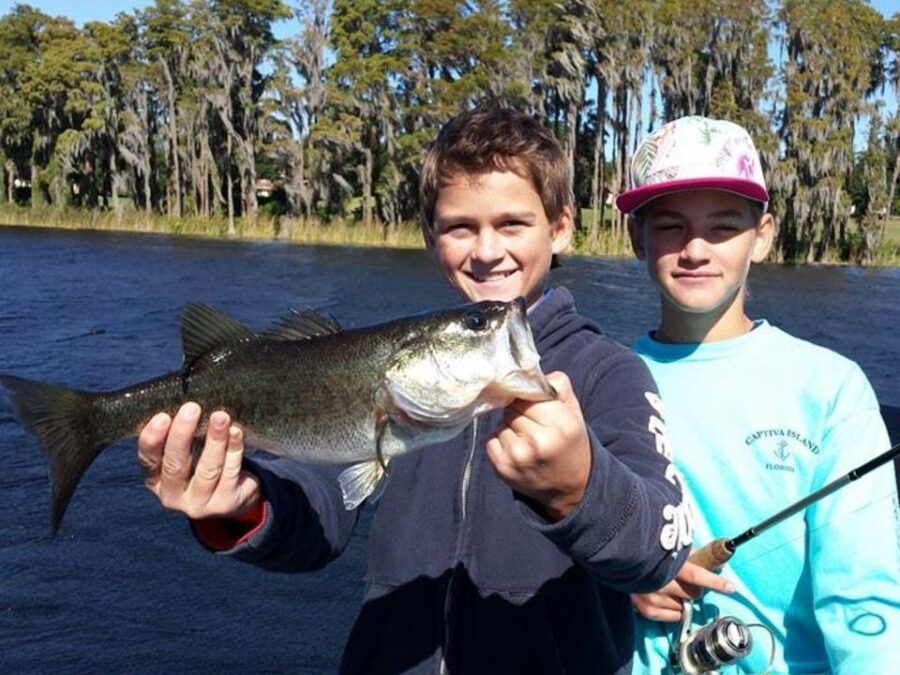
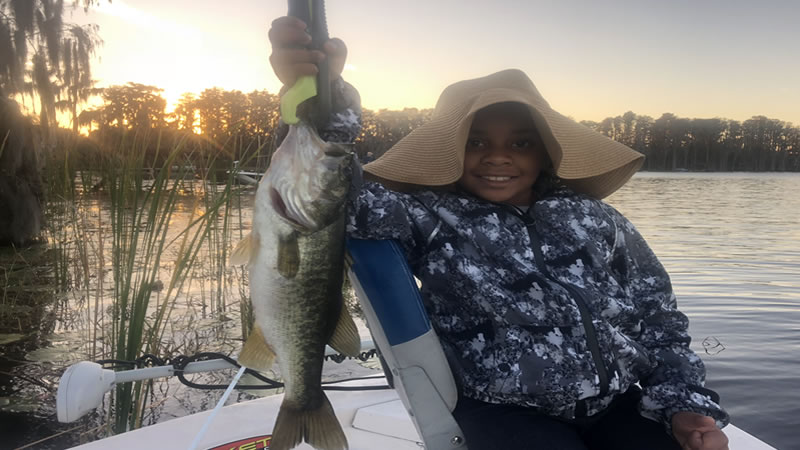
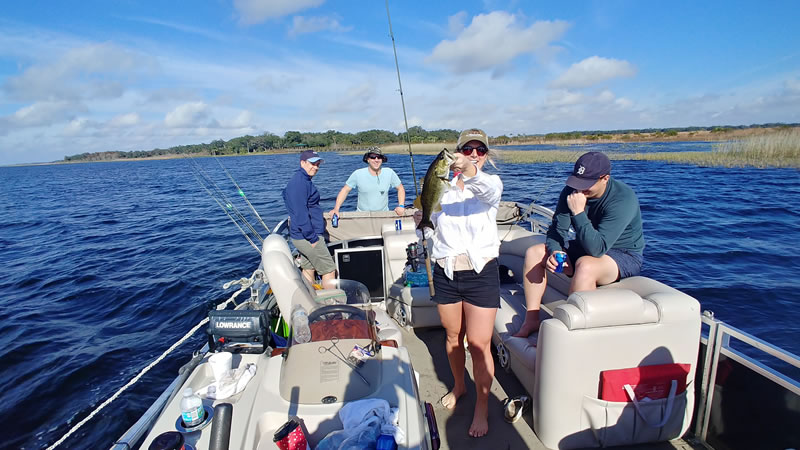
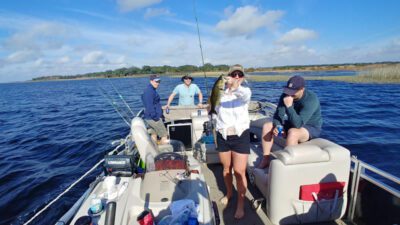
The Butler Chain of Lakes offers guided bass fishing near Windermere and Orlando, with both bass-boat and pontoon options. Clear water, submerged vegetation and changes in depth give anglers several ways to approach largemouth bass. Choose a trip around your group size, time available and preferred fishing style.
Use the booking cards to compare 4-, 6- and 8-hour trips. Tell your captain whether you want to cast artificial lures, fish live shiners or combine the two. The historical reports below illustrate different approaches without promising the same results on your trip.
The bass-boat listing is intended for smaller groups, while the pontoon listing provides a separate option for larger parties. Check the selected product for capacity and availability, especially when booking with children or anyone who needs help boarding. Confirm the actual boat and arrangements before paying.
The listed products include rods, reels, tackle, artificial lures, fishing instruction, a cooler, ice and bottled water. Live bait, a freshwater fishing license and transportation are listed separately. Ask about live-bait cost in advance and bring your own preferred snacks or drinks.
Current departure times, prices and cancellation terms belong to the booking you select. Review those terms at checkout and in your confirmation email. For additional information, compare Butler Chain fishing guides and customer reviews.
The Orange County Water Atlas identifies 13 interconnected lakes with over 5,000 acres of surface water. This is the whole chain, not the acreage of Lake Butler alone. The system lies in southwest Orange County and includes Lake Down, Little Lake Down, Wauseon Bay, Lake Butler, Lake Louise, Lake Isleworth, Lake Blanche, Lake Chase, Lake Tibet-Butler, an unnamed lake, Lake Sheen, Pocket Lake and Fish Lake.
The chain received Outstanding Florida Waters designation in 1985. Its residential shorelines and connecting canals mean a fishing trip also requires attention to private property, boat traffic and navigation markers. Allow travel time between fishing areas rather than treating every connected lake as immediately accessible from the ramp.
R.D. Keene Park, 10900 Chase Road, Windermere, FL 34786, provides public boat access from Lake Isleworth. The bass-boat product lists this departure address. Follow your captain’s final instructions for the selected trip, including pontoon departures.
Orange County lists a $5 daily ramp fee for vehicles with trailers and motorized watercraft; vehicles alone and non-motorized watercraft are listed as free. The county also lists a $150 annual ramp pass. Confirm current access and fees on the official R.D. Keene Park page.
Trailer parking is limited. The county says the entry gate closes when capacity is reached and reopens after 2 p.m., with no waiting or “drop and go.” Check for temporary closures before towing a boat to the park. Hours vary seasonally; do not assume after-dark access. Shoreline access is limited, and a public boat ramp does not provide permission to enter private waterfront property.
Butler supports several approaches across the year. Our historical guide reports describe bass using deep breaks, submerged grass, points and schooling areas. They also show productive trips in both cooler and warmer months, so there is no need to limit your planning to a single broad “best season.” Discuss recent conditions and your preferred method with the guide.
Start with where the fish are positioned. When bass concentrate on a grass edge or depth change, boat control and repeated accurate presentations may matter more than changing lakes. When fish are spread out, covering water with suitable artificials can help locate activity. Our Butler Chain fishing tips provide a more detailed technique guide, while the reports below preserve specific past observations.
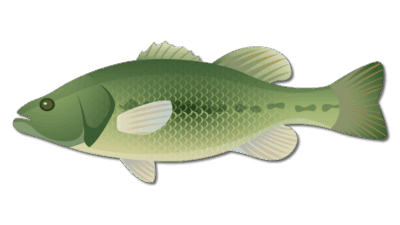
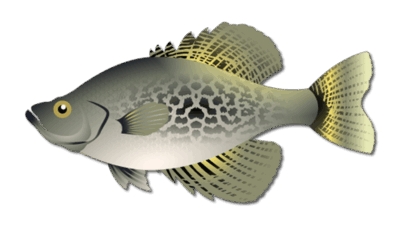
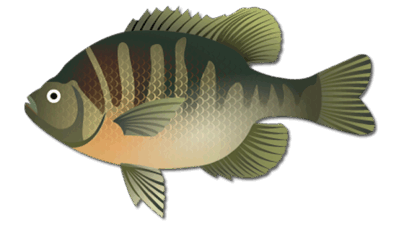
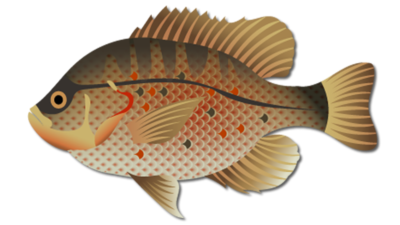
Crappie, bluegill and shellcracker are secondary fishing interests on this page. Ask about current opportunities before choosing a trip for one of those species; the listed charters primarily focus on bass. Bring sun protection, comfortable footwear and a rain layer, and let the captain know your experience level.
Check Florida freshwater fishing-license requirements and exemptions before departure. These freshwater products list the license separately from the included equipment.
FWC’s statewide black-bass limit is five per person per day, with only one measuring 16 inches or longer. Review the current FWC bag and length limits and any applicable exceptions before keeping fish. Discuss the captain’s catch-and-release practice before reserving, and follow posted waterway restrictions throughout the chain.
The following field notes describe past guide trips, not current catch forecasts. Their value is in the observations about depth, vegetation, weather and presentation. Catch totals and fish sizes from those days are not guarantees for a future charter.
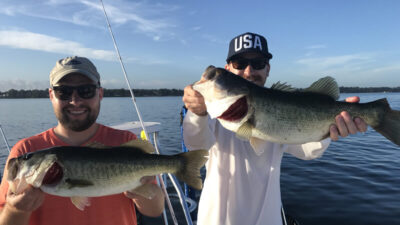
One March Butler Chain guide trip found schooling bass on offshore structure and produced more than 80 largemouth bass during a full day. Jerkbaits and crankbaits did most of the work, while another trip during the same period produced with Zoom Super Flukes and jerkbaits over submerged hydrilla. The durable lesson is to use Butler’s depth and clear water to your advantage: locate offshore structure and grass first, then rotate reaction baits and fluke-style presentations based on fish position and pressure.
One older Butler Chain guide report found summertime bass schooling around points, vegetation and grass structure in roughly 8 to 10 feet of water. Trolled wild shiners over the grass produced the most consistent bite. The durable lesson is to use schooling activity, points and submerged vegetation together as location clues, then keep the bait moving through the productive depth instead of fishing the entire water column.
Older Butler Chain guide trips found strong artificial-lure action around the chain, including frogs and Senko-style baits for surface and shallow-cover fish, plus flukes, spinnerbaits, jerkbaits and swimbaits when anglers needed to cover water. The durable lesson is to match lure speed and profile to the cover and fish activity rather than treating the Butler Chain as a live-bait-only fishery.
Historic Late-Summer Mixed-Presentation Field Note: Older Butler Chain trips showed that both live shiners and artificials can work during late summer. One trip burned through roughly six dozen shiners in four hours while producing more than 25 bass to about 5 pounds. Another produced on small baitfish-style lures and soft-plastic worms around submerged hydrilla and open-water schooling fish, with an early topwater window. The durable lesson is to use schooling activity and submerged grass to choose between a fast artificial presentation and live bait.
Historic Summer Depth & Presentation Field Note: Several older Butler Chain trips found productive bass in roughly 12 to 15 feet of water. Guides used wild shiners either free-lined or trolled beneath a cork, then switched to Senkos and other soft plastics when the live-bait bite slowed. One trip produced a 6-pound-class personal-best bass on a Senko after the shiners were gone. The durable lesson is to match presentation to depth and activity level rather than staying locked into one bait.
Peppergrass habitat: Butler Chain bass often use submerged vegetation as feeding and ambush cover. For a focused explanation of Illinois pondweed, grass edges, holes, live shiners and artificial presentations, see our Florida peppergrass bass fishing guide.
Historic Grass-Hole & Water-Level Field Note: Older Butler Chain trips showed two useful positioning clues. During summer, one guide found active bass around holes in submerged grass in roughly 10 to 11 feet of water and worked wild shiners slowly through the deeper weed beds. After another period when the chain rose more than two feet following a major storm, bass regrouped and schooled in a protected cove where live bait produced. The durable lesson is to let water level and grass openings guide location instead of assuming fish will remain on the same shallow or deep pattern.
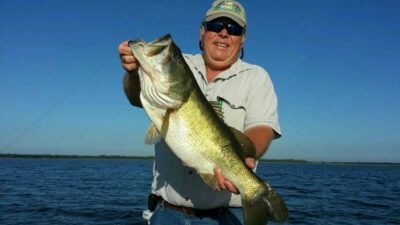
Historic Summer Trophy & Deep-Vegetation Field Note: Older Butler Chain trips showed that quality summer bass can use both deep water and submerged vegetation. One guide reported fish from roughly 11 to 20 feet or tucked into deeper grass and a 9-pound, 12-ounce largemouth taken on a wild shiner. Another rainy-weather trip produced by working shiners slowly across the tops of weeds. The durable lesson is to slow the presentation when conditions suppress activity and to check both deep grass and adjacent open water before abandoning an area.
Historic Concentrated-Bite Field Note: One older Butler Chain trip found only scattered action at the first area, then a second location produced repeated bites while the boat stayed anchored. The group landed more than 30 largemouth bass, including fish in the four- to six-pound class. The durable lesson is that once a concentrated school or feeding zone is identified, staying on the productive area can outperform unnecessary movement.
Historic Deep-Water & Fall Artificial Field Note: Older Butler Chain trips documented bass holding as deep as roughly 20 to 30 feet, where a Steel Shad-style reaction bait produced alongside live shiners. Another fall trip mixed live bait with swim jigs, an underspin paired with a shad-profile soft plastic, and fluke-style baits. The durable lesson is to let depth and forage position dictate whether to use a faster reaction presentation, a subtle shad imitation, or live bait.
Historic Deep-Break & Summer Grass Field Note
Older Butler Chain guide trips documented several repeatable summer patterns. One trip produced a 9.4-pound largemouth by trolling live shiners along deep-water break lines. Another found schooling bass around 18 feet that responded when worm-style presentations were worked slowly, while separate summer trips produced by trolling or free-lining shiners over main-lake grass and working docks when fish shifted shallower. These are historical field observations, not current conditions; the durable lesson is to use Butler’s clear water and depth changes to move between deep breaks, main-lake grass, and docks as fish position changes.
Older Butler Chain guide reports documented largemouth bass holding on the outside edge of deep breaks in roughly 15 to 16 feet of water, as well as bass using submerged vegetation around 18 feet. When wind made boat control difficult, holding the boat in place with trolling-motor Spot-Lock helped keep live shiners in the productive zone. The durable lesson is to treat precise boat position as part of the presentation when bass are concentrated on deep grass edges and breaks.
This archive video shares a previous bass-fishing outing following iCast 2018.
Compare the bass-boat and pontoon options above, select a suitable trip length and confirm your meeting instructions before heading to the ramp.
| Species | Jan | Feb | Mar | Apr | May | Jun | Jul | Aug | Sep | Oct | Nov | Dec |
|---|---|---|---|---|---|---|---|---|---|---|---|---|
| Largemouth Bass | 🔥 Hot | 🔥 Hot | 🔥 Hot | 🔥 Hot | 🔥 Hot | 🔥 Hot | ✅ Good | 🐢 Slow | 🐢 Slow | ✅ Good | ✅ Good | 🔥 Hot |