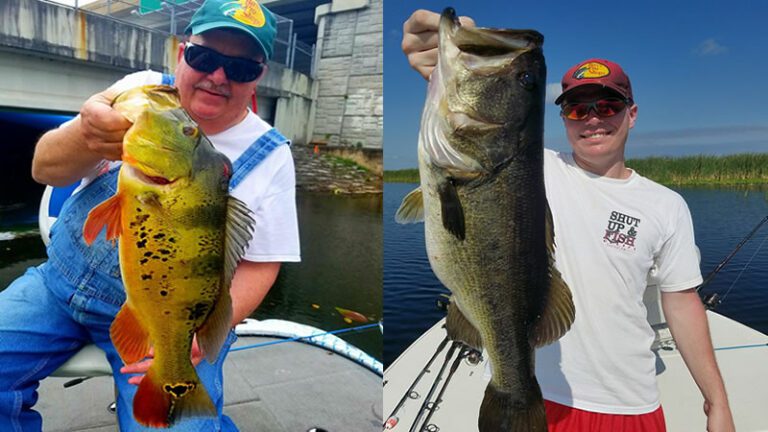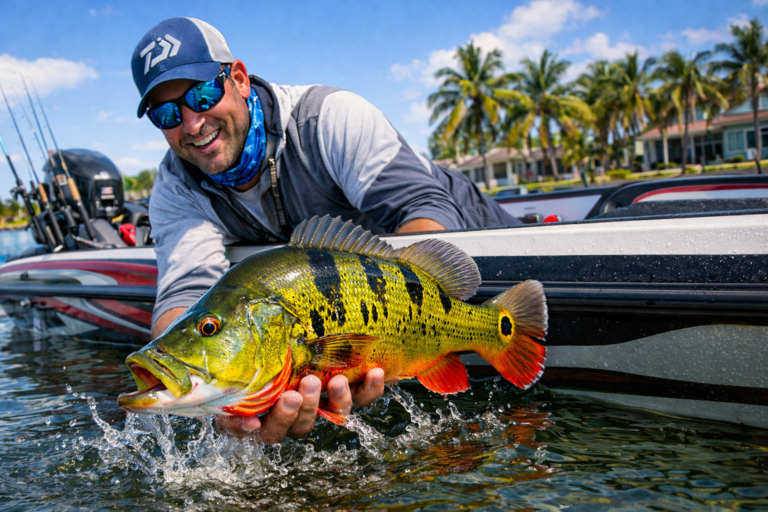
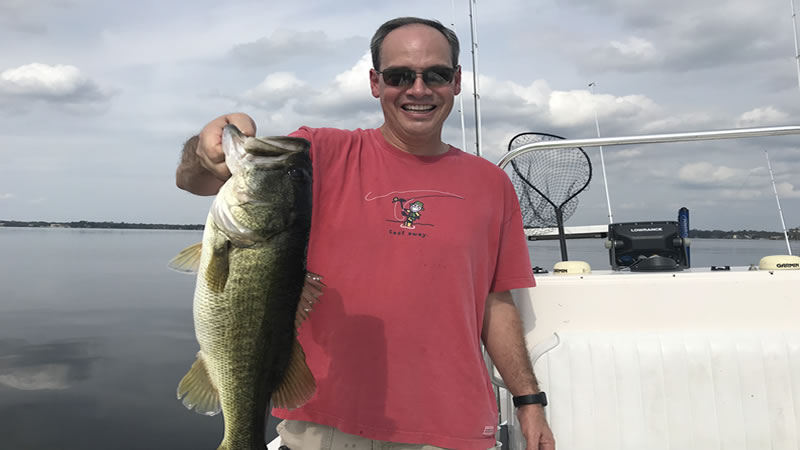
Pepper grass in Florida is one of the most useful types of submerged vegetation a bass angler can learn to recognize. In Florida fishing terminology, peppergrass commonly refers to Illinois pondweed, a native aquatic plant that can create excellent feeding and ambush habitat for largemouth bass.
Florida Fish and Wildlife Conservation Commission fishing guidance specifically identifies peppergrass as productive bass cover, alongside Kissimmee grass, eelgrass, hydrilla and other vegetation. When peppergrass is healthy and holding baitfish, it can concentrate bass on edges, holes, points and transitions where anglers can present both artificial lures and live bait effectively.
What Is Pepper Grass in Florida Lakes?
Peppergrass, or Illinois pondweed, is a rooted aquatic plant that grows beneath the water and can form beds or patches in Florida lakes. Unlike tall emergent grasses that stand well above the surface, peppergrass is often fished as submerged cover. That makes water clarity, depth and the shape of the grass bed especially important.
The Florida Fish and Wildlife Conservation Commission notes that experienced Florida bass anglers consistently use peppergrass as productive cover. FWC also identifies Illinois pondweed beds as useful bass habitat in multiple Florida fisheries.
Why Largemouth Bass Use Peppergrass
Healthy peppergrass gives largemouth bass several things they need at once: shade, ambush cover, access to forage and nearby open water. Small baitfish and other prey can gather around the vegetation, while bass position along the outside edge, inside holes or where the grass changes density.
The key is not simply finding vegetation. Look for healthy grass with life around it. Baitfish activity, clean water, irregular edges, points, isolated clumps and openings are usually more valuable than a featureless solid bed.
How to Fish Peppergrass for Bass
1. Work the outside edges
Start by tracing the outside edge of the grass with a lure that can cover water. A swimbait, spinnerbait, lipless crankbait or moving soft plastic can help reveal where bass are positioned. If several bites come from the same depth or type of edge, slow down and repeat that pattern.
2. Fish holes and irregular openings
Open pockets inside a grass bed create natural ambush points. Cast beyond the opening and bring the bait through it rather than dropping directly on top of the fish whenever possible. Multiple casting angles can matter because a bass may be facing a particular direction based on wind, current or bait movement.
3. Slow down with soft plastics
When a moving bait stops producing, a Texas-rigged worm, Senko-style bait or other weedless soft plastic can be worked through the same grass more deliberately. Let the lure contact the vegetation, then free it cleanly rather than dragging a large ball of grass back to the boat.
4. Use live shiners where appropriate
Wild shiners can be extremely effective around submerged vegetation. Depending on depth and cover, anglers may free-line them, use a float or guide them along the outside edge. Our live bait for bass guide explains the broader strategy.
Peppergrass on the Butler Chain of Lakes
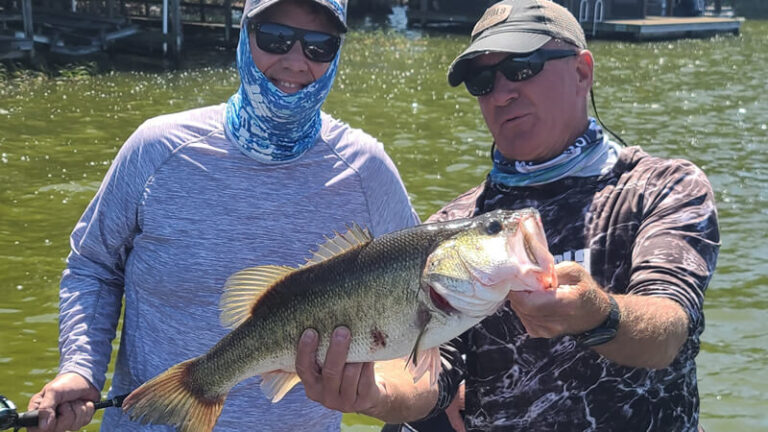
The Butler Chain of Lakes near Orlando has long produced bass around submerged vegetation. One historic Bass Online guide trip found peppergrass holding quality largemouth bass. The guide dragged wild shiners through the grass and also caught fish on shad-colored swimbaits. As conditions began cooling, schooling activity on main-lake points became another useful clue.
That field note should be treated as a historical pattern rather than a current report, but the durable lesson remains valuable: use the vegetation as the starting point, then let baitfish activity and bass movement tell you whether to stay in the grass or move toward nearby points and open water.
For current Butler observations, use the Butler Chain fishing reports. For broader Butler tactics, see our Butler Chain fishing tips.
Other Florida Lakes with Peppergrass
Peppergrass is not limited to the Butler Chain. FWC fisheries guidance identifies Illinois pondweed as useful bass habitat in other Florida waters, including portions of the Winter Haven Chain and Lake Tarpon. Vegetation coverage changes over time, so anglers should treat the presence and condition of peppergrass as a current habitat clue rather than assume the same bed will remain productive forever.
On the Winter Haven Chain of Lakes, FWC notes Illinois pondweed in several lakes and recommends fishing vegetation with presentations such as wild shiners, worms, jerkbaits and spinnerbaits. The exact presentation still depends on season, water clarity and fish position.
Peppergrass vs. Kissimmee Grass
Peppergrass and Kissimmee grass are not the same plant or the same type of cover. Peppergrass is commonly used by anglers to describe submerged Illinois pondweed, while Kissimmee grass is a different grass often associated with shallower shoreline and emergent habitat. Both can hold Florida bass, but they call for different boat positioning and lure presentations.
For the companion habitat guide, see Kissimmee Grass Bass Fishing.
Best Baits for Fishing Peppergrass
No single bait wins every day. A practical Florida peppergrass rotation includes:
- Wild shiners for natural live-bait presentations around productive edges and openings.
- Soft-plastic worms and Senkos for slower, weedless presentations.
- Swimbaits for imitating baitfish over and beside submerged grass.
- Lipless crankbaits when the grass is sparse enough to rip the lure free cleanly.
- Spinnerbaits around edges, points and wind-blown vegetation.
- Topwater baits during low-light periods when bass are feeding above or beside the grass.
See our broader bass lures and baits guide for presentation options beyond vegetation fishing.
Seasonal Peppergrass Bass Fishing
Winter and early spring: bass may use grass near spawning and staging areas. Slow plastics and live bait can be effective around protected vegetation and nearby depth changes.
Late spring and summer: offshore grass edges, points and deeper healthy beds can become important. Early morning moving baits may locate active fish before slower presentations take over.
Fall: follow baitfish. Bass may school near grass points and open-water transitions as forage becomes concentrated.
Florida Peppergrass Fishing FAQs
What is pepper grass in Florida fishing?
Florida bass anglers commonly use the name peppergrass for Illinois pondweed, a native submerged aquatic plant that can provide productive bass habitat.
Is peppergrass good for largemouth bass?
Yes. Healthy peppergrass can hold baitfish and create edges, holes and ambush cover used by largemouth bass. FWC specifically identifies peppergrass as productive Florida bass cover.
What should I throw around peppergrass?
Start with weed-friendly moving baits such as swimbaits or spinnerbaits, then slow down with worms or Senko-style plastics. Wild shiners are also effective where live bait is appropriate.
Where should I cast in a peppergrass bed?
Prioritize irregular edges, holes, points, isolated clumps and transitions to open water. Those features often concentrate feeding fish more effectively than a uniform wall of vegetation.
Is peppergrass the same as Kissimmee grass?
No. They are different types of vegetation. Peppergrass commonly refers to Illinois pondweed, while Kissimmee grass is a separate plant and usually creates a different type of fishing cover.