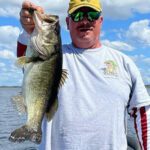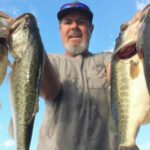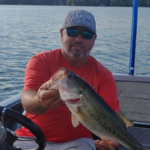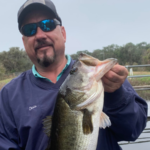

Family Favorite
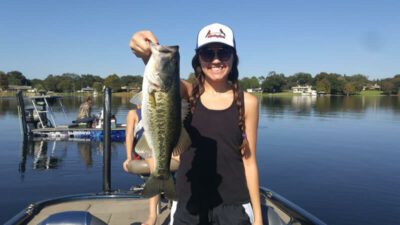
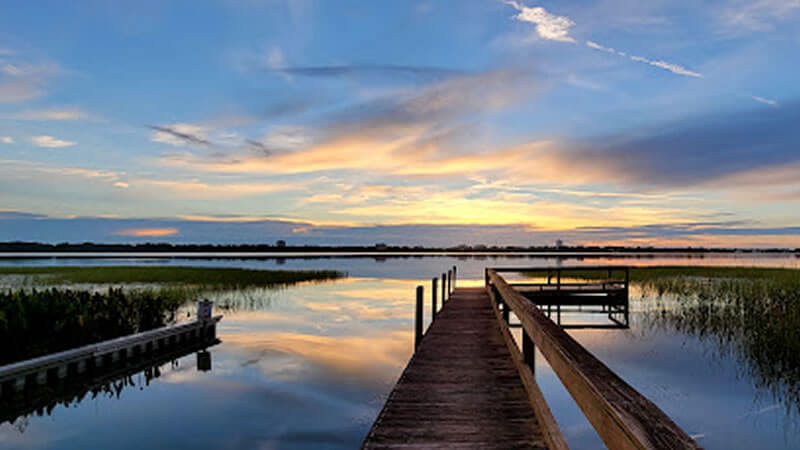
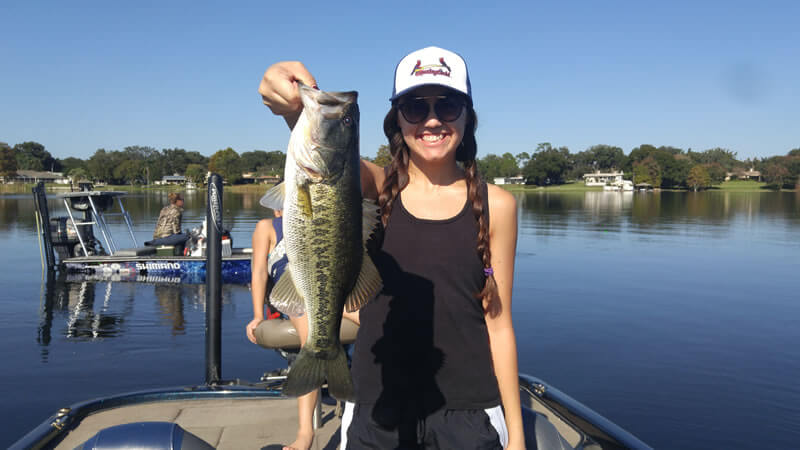
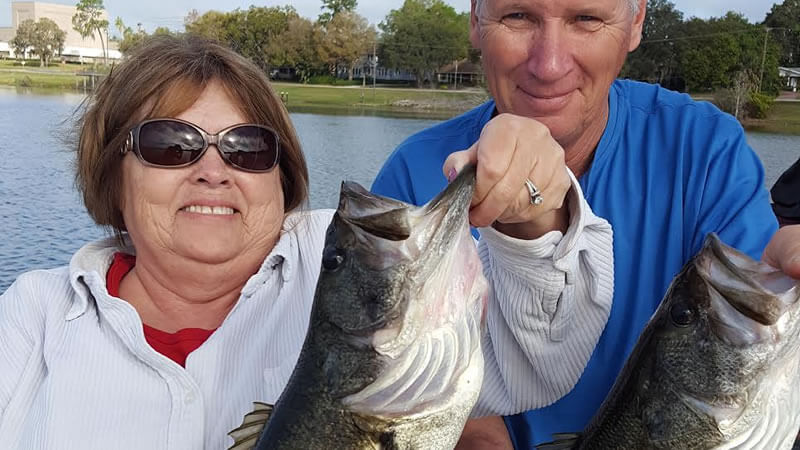
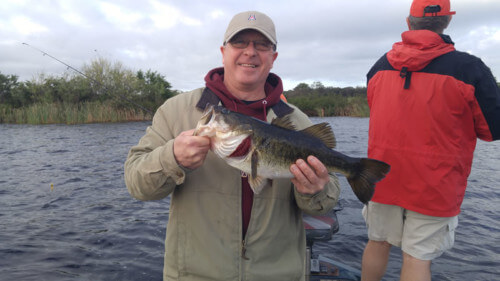
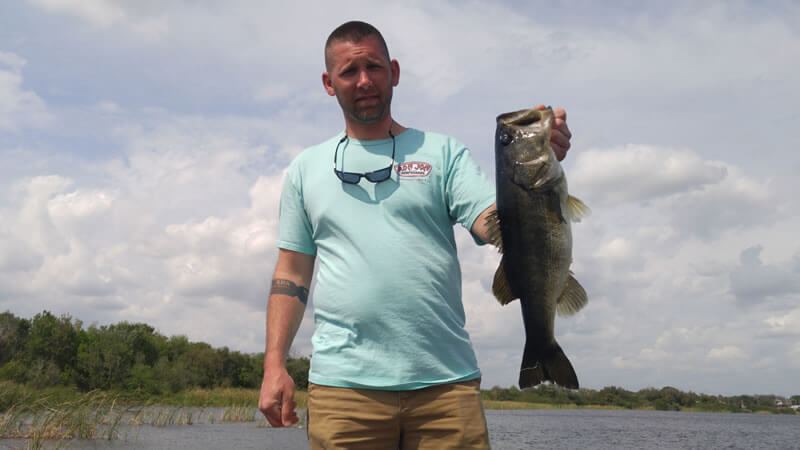
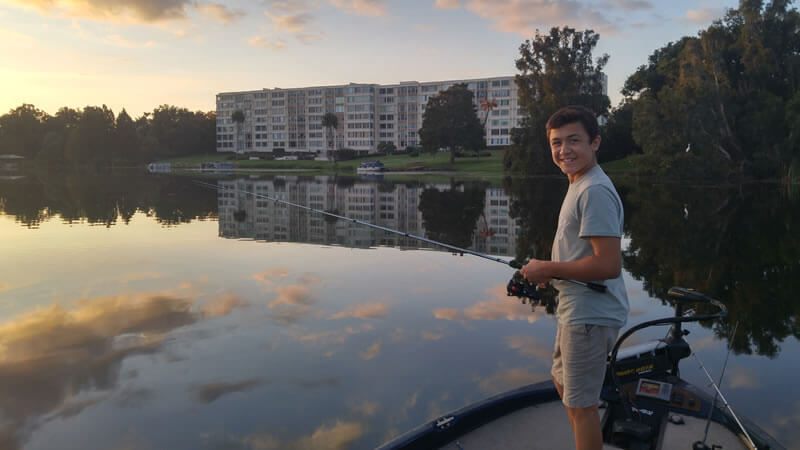
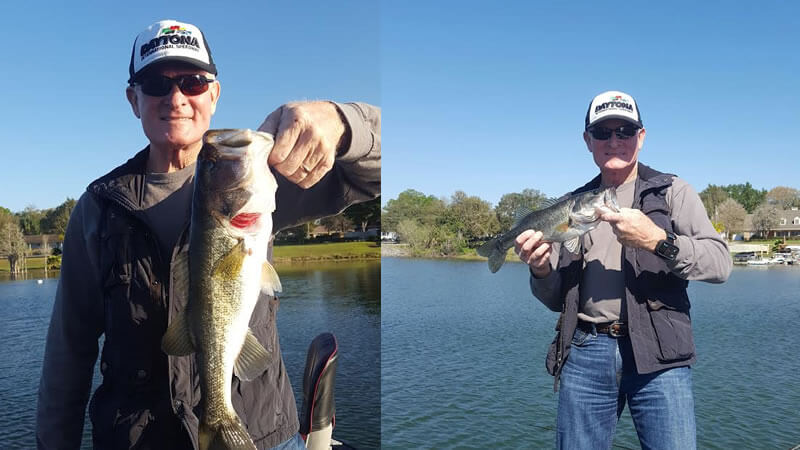

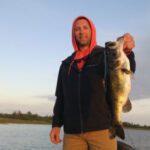
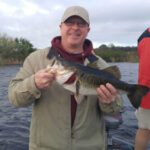
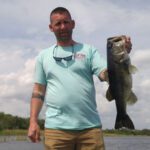
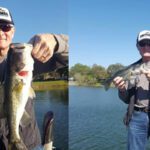
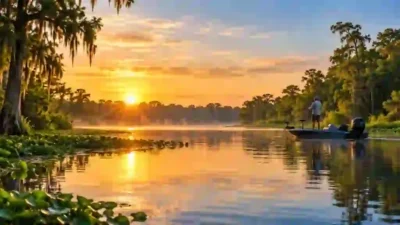
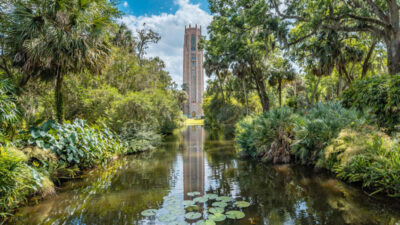
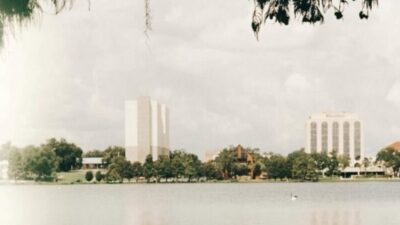
Winter Haven Chain of Lakes is a 22-lake, approximately 9,000-acre fishing and boating system in Polk County, Florida. The chain is divided into North and South sections connected through a lock between Lake Hartridge and Lake Conine. With grass, docks, canals, offshore structure and public access spread across many lakes, anglers can adjust to weather and seasonal movement without leaving the system.
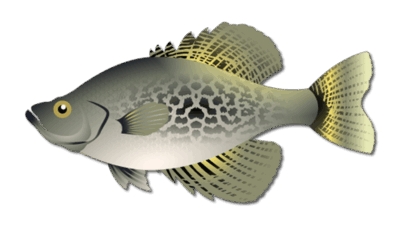
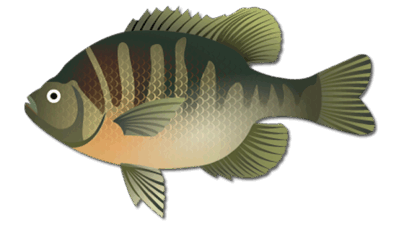
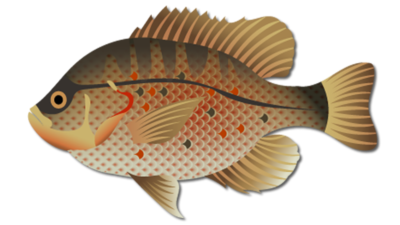
The Florida Fish and Wildlife Conservation Commission (FWC) lists trophy largemouth bass, bluegill, redear sunfish, black crappie and catfish throughout the chain. Water quality, vegetation and fishing conditions vary from lake to lake, so successful trips depend on choosing the right section and pattern for the day.
The chain is not one uniform lake. The South Chain includes popular access through lakes Summit, Shipp, Howard, Cannon and Hartridge. The North Chain can be accessed through lakes Conine, Rochelle and Haines. Canal passages allow boaters to move between connected lakes, while the lock links the North and South sections.
That variety is an advantage. One lake may have cleaner water, healthier grass or a stronger wind-driven bite while another is affected by boat traffic, water color or changing vegetation. A productive plan often begins with two or three nearby lakes and lets current conditions determine where to spend the most time.
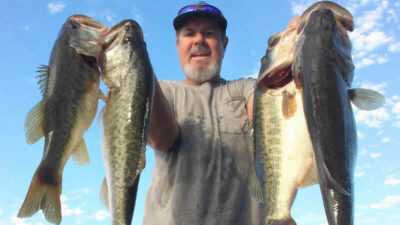
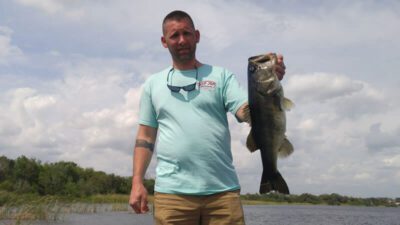
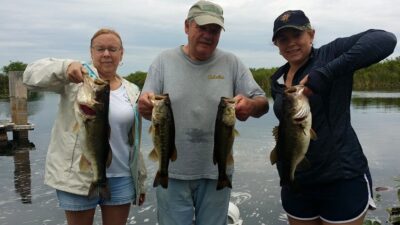
Winter Haven has a documented trophy-bass history. FWC’s current TrophyCatch tracker lists 233 bass from 8 to 9.9 pounds, 32 bass from 10 to 12.9 pounds and five bass weighing at least 13 pounds from the chain. Tracker totals can grow as anglers submit additional qualifying fish.
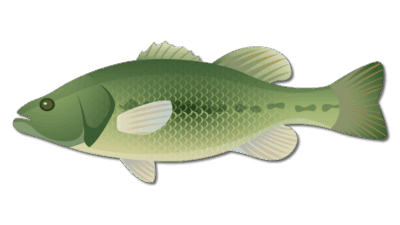
Healthy forage, year-round growing conditions and varied cover give largemouth bass multiple seasonal options. Big fish may use shallow spawning areas, grass edges, docks, canal mouths or deeper breaks depending on water temperature, light, weather and fishing pressure.
Texas-rigged worms, speed worms, vibrating jigs, lipless crankbaits and weedless swimbaits are dependable tools around grass lines and scattered vegetation. During low-light periods, frogs and other topwater lures can cover shallow water efficiently. When bass bury in thicker grass or shade, slow down with a compact soft plastic or jig.
Docks provide shade and ambush cover, especially as the day brightens. Points, canal entrances and deeper breaks can concentrate fish moving between feeding and resting areas. Deep-diving crankbaits, weighted soft plastics and heavy jigs help reach fish that leave the bank during warm or post-front conditions.
Wild shiners remain a proven choice for anglers focused on larger bass. Guides position live bait around productive grass, drop-offs and travel routes while accounting for wind and boat traffic. Artificial-lure anglers can use the same structural clues to narrow the search.
For a more detailed tactical plan, see our Winter Haven Chain bass fishing tips.
Fishing is available year-round. Winter through spring is especially popular for prespawn and spawning bass, while late spring can produce strong bluegill and redear action. Summer fishing is often best early, late or around shade, healthy grass and deeper structure. Fall cooling trends can reactivate bass and improve crappie fishing around vegetation and open-water routes.
Weather matters as much as the calendar. Wind can position forage on one side of a lake, while a cold front may push bass tighter to cover or deeper water. Recent reports and local guide knowledge are more useful than treating any old trip report as a permanent pattern.
FWC identifies popular South Chain boat and shore access at lakes Summit, Shipp, Howard, Cannon and Hartridge, with North Chain access through lakes Conine, Rochelle and Haines. Use the official FWC Ramp Finder and the City of Winter Haven lake information to confirm the best launch for the section you plan to fish.
Canal and lock conditions can affect movement between lakes. Check posted operating information, observe no-wake zones and approach narrow canals conservatively. Water levels, vegetation management, maintenance and local restrictions can change access; confirm current conditions instead of relying on older directions.
The meeting area commonly used for Bass Online trips is near Lake Summit in Cypress Gardens. Your exact meeting point is confirmed with the guide before the trip.
Black crappie—often called specks in Florida—use grass edges, open pockets and deeper routes. Live minnows, small jigs, drifting and slow trolling can all work as fish move with temperature and bait. Bluegill and redear sunfish become especially attractive targets during warmer spawning periods; crickets, worms and small jigs fished around vegetation are common choices.
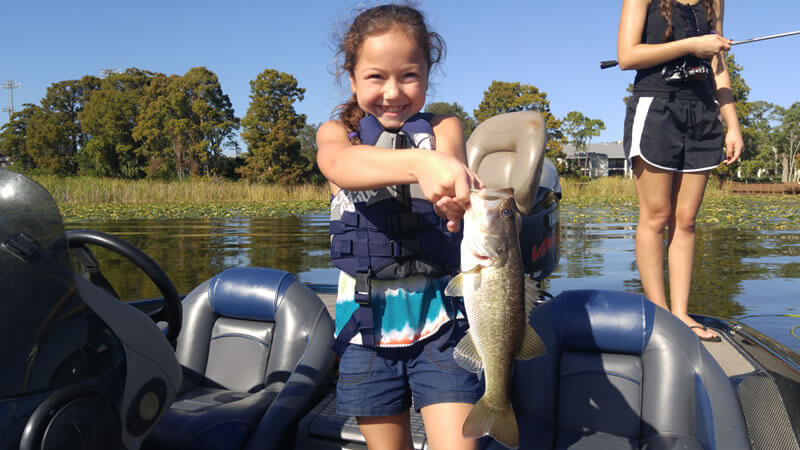
These species make the chain useful for family trips as well as dedicated trophy-bass outings. The best lake and presentation can change quickly, so current FWC guidance and recent local observations should shape the plan.
A local guide helps solve the chain’s biggest planning challenge: deciding which connected lake and pattern offer the best opportunity that day. Guides provide the boat and core tackle, understand canal and lock travel, and can adjust between artificial lures and live bait.
Compare available Winter Haven Chain fishing guides and the four- and six-hour trips on this page. Independent anglers should review Florida’s current freshwater fishing license requirements and applicable FWC rules before fishing.
Winter Haven is convenient for anglers staying near LEGOLAND Florida, Lakeland, Kissimmee and the greater Orlando area. Families can combine a half-day fishing trip with other Central Florida activities, while serious anglers can reserve a longer trip to explore more than one lake or pattern.
Bring sun protection, rain gear and clothing that can handle rapid weather changes. Tell the guide whether the priority is a trophy bass, steady action, artificial lures, live bait or a family-friendly introduction. Clear goals help the captain select the best section of the chain and prepare the right equipment.
Older Winter Haven guide trips recorded two useful summer grass patterns: moving a lipless crankbait over healthy vegetation and slowing down with a large ribbon-tail worm or flipping presentation when fish held tighter to cover. The lasting lesson is to treat grass condition and fish response—not one favorite lure—as the decision point.