Harney Pond Fishing: Lake Okeechobee Bass Guide & Report

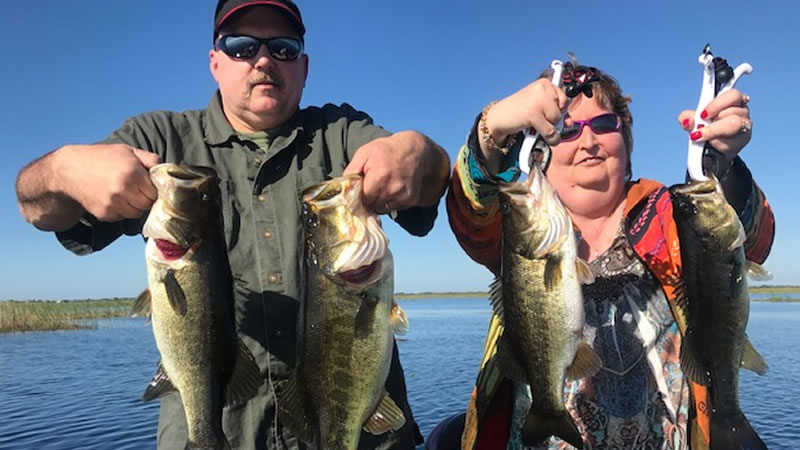
Harney Pond Fishing Lake Okeechobee has been a staple fishery for bass fishing here in Florida.

Harney Pond is one of the better-known fishing areas on the western side of Lake Okeechobee, especially for anglers looking for largemouth bass, crappie, panfish, and the mixed-species action that makes the Big O unique. The canal and nearby marsh give anglers access to vegetation, edges, current, and protected water that can fish differently from the lake’s wide-open sections.

This Harney Pond fishing guide replaces an older trip-report style page with a more useful overview of what anglers should expect, how to approach the area, and where it fits into a larger Lake Okeechobee fishing trip.

Harney Pond Fishing Report: What to Expect

Harney Pond fishing changes with water level, wind, water clarity, vegetation, and seasonal fish movement. Some days the most productive water is inside or near the canal; other days bass may position along outside vegetation, points, cuts, or nearby marsh edges. Because Lake Okeechobee is shallow and conditions can change quickly, anglers should treat any fishing report as a starting point rather than a guarantee.

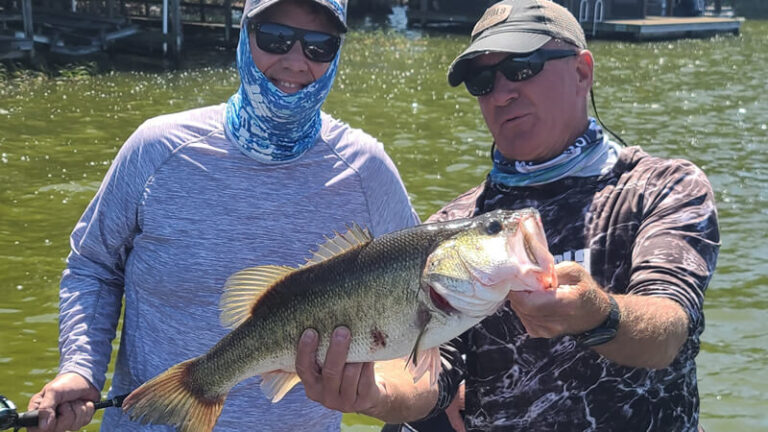
For largemouth bass, the area can support both artificial-lure and live-bait fishing. Search baits are useful when fish are spread out, while slower presentations can be effective once a productive stretch of cover is found. Wild shiners remain a popular option for anglers who want to target quality Florida bass around vegetation and ambush points.

Best Harney Pond Bass Fishing Patterns

Vegetation is one of the biggest keys around Lake Okeechobee. Bass commonly relate to grass edges, isolated clumps, holes, points, and changes in vegetation. When skies are bright or fishing pressure increases, fish can slide tighter to cover. When wind, clouds, or active baitfish improve feeding conditions, moving baits can help cover water and locate active fish.

  • Live shiners: A reliable choice for targeting largemouth bass around productive vegetation and protected edges.
  • Soft plastics: Texas-rigged worms, stick baits, and creature-style baits work well when fish are holding tighter to cover.
  • Topwater: Early morning and low-light periods can create opportunities around grass lines and openings.
  • Moving baits: Swim jigs, spinnerbaits, and similar search presentations can help locate fish when wind and water clarity allow.

Crappie and Other Fish Around Harney Pond

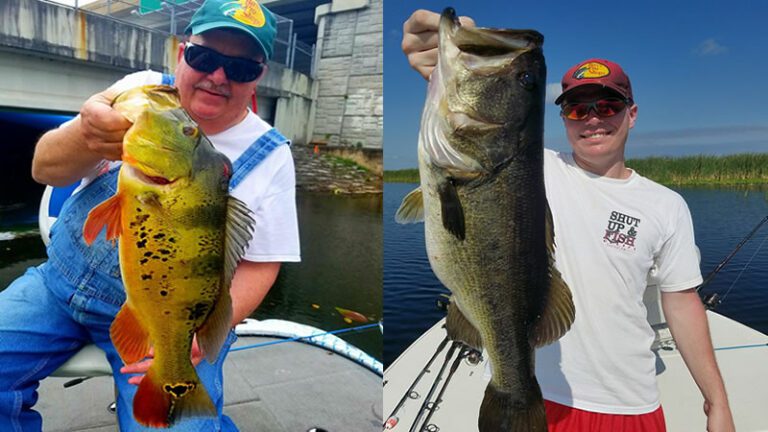
Harney Pond is not only a bass destination. Lake Okeechobee supports a strong black crappie fishery, and anglers also encounter bluegill, redear sunfish, catfish, bowfin, gar, and non-native species in canals and shallow-water areas. For a deeper look at seasonal crappie tactics, see our Lake Okeechobee crappie fishing tips.

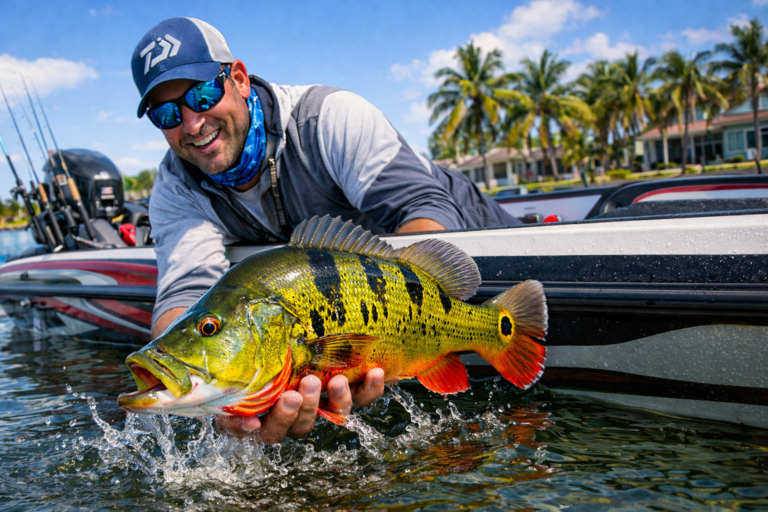
The Florida Fish and Wildlife Conservation Commission also notes that Mayan cichlids can be caught from bank-accessible canal areas around Lake Okeechobee, including Harney Pond Canal. That makes the area interesting for anglers who enjoy catching more than one species during a trip.

Current Lake Okeechobee Rules and Safety

Fishing regulations can change, so always confirm current rules before a trip. FWC currently lists a five-fish daily bag limit for black bass on Lake Okeechobee, with only one largemouth bass 16 inches or longer allowed per angler per day. For black crappie, fish under 10 inches must be released and the daily bag limit is 25.

Water level is just as important as the regulations. Lake Okeechobee is a large, shallow lake, and low-water periods can expose or create navigation hazards. Before launching, check current lake levels, weather, and FWC or U.S. Army Corps navigation notices. Slow down in unfamiliar shallow areas and never assume a route that was safe on a previous trip is unchanged.

When Is the Best Time to Fish Harney Pond?

Harney Pond can produce throughout the year, but the best presentation depends on conditions. Cooler months and the Florida bass spawning season can bring quality largemouth into shallower cover. Warmer periods often reward anglers who pay close attention to water movement, shade, depth changes, healthy vegetation, and baitfish activity.

Early mornings are often comfortable and can create a good topwater or moving-bait window. As the sun rises, slowing down around productive cover can become more important. Wind can help position bait and fish, but strong wind on Lake Okeechobee also affects safety and boat positioning, so conditions should always determine the plan.

Harney Pond or Another Lake Okeechobee Area?

Harney Pond is a strong option when anglers want access to the western side of the lake and a mix of canal, marsh, and vegetation-oriented fishing. However, Lake Okeechobee is enormous, and the best area on any given day may depend on wind direction, water level, clarity, fish movement, and the type of fishing you want to do.

If your priority is trophy largemouth bass, seasonal patterns and local conditions matter more than simply choosing one launch. Our Lake Okeechobee trophy bass strategy guide explains how experienced anglers adjust to those changing conditions.

Plan a Harney Pond Fishing Trip

For anglers visiting Lake Okeechobee for the first time, Harney Pond is a useful area to understand because it combines classic Big O vegetation fishing with canal access and multi-species opportunities. The smartest approach is to arrive with more than one technique ready, watch the weather and water level, and let current conditions determine where and how you fish.

For the broadest overview of the lake, available fishing areas, species, and guided-trip options, start with our complete Lake Okeechobee guide.

Official reference: Florida Fish and Wildlife Conservation Commission Lake Okeechobee fishing forecast.

Book a fishing trip
Share your love
Joseph LoBianco
Joseph LoBianco

Joe LoBianco currently living in South Florida, born and raised in New York. He is now working as a Marketing Assistant for bassonline.com. Fishing is his passion and he won't stop building businesses and fishing for the rest of his life.

Articles: 521