
How do you find a single 10-pound trophy bass in a 730-square-mile haystack? It’s the question every angler asks when they first stare across the vast, grassy horizon of the Big O. With water levels currently sitting near 11.01 feet, the lake is fishing differently than in previous years. Navigating these shallow flats and dense hydrilla fields feels like a massive gamble without a proven game plan. Hiring a professional Lake Okeechobee fishing guide isn’t just about finding fish; it’s about mastering the specific environmental triggers that turn a slow morning into a legendary expedition.
You probably already know this lake is the bass capital of the world, and you’re right to expect a shot at a personal best. This guide unlocks the secrets of 2026’s seasonal patterns, from the winter spawn to the early summer bite. You’ll learn the exact gear setups required to pull giants out of heavy cover and understand how the new statewide bass regulations impact your daily limit. We’re breaking down the tactics used by the pros so you can stop guessing and start catching. It’s time to turn the uncertainty of this massive lake into a high-energy, successful day on the water.
Key Takeaways
- Learn why navigating 730 square miles of shallow water requires a professional Lake Okeechobee fishing guide to locate the hidden honey holes that hold trophy fish.
- Understand how 2026’s specific water levels dictate bass migration between the main lake and the rim canal so you can time your trip for maximum success.
- Discover why wild shiners remain the top choice for landing a 10-pounder and how to master the retrieve styles that trigger aggressive strikes.
- Identify the specific heavy-duty rods and tackle required to pull massive largemouth bass out of the Big O’s thickest vegetation without breaking off.
- Find out how to book a high-energy expedition that replaces the stress of navigating a massive lake with the thrill of landing a personal best.
Mastering the Big O: Why You Need a Lake Okeechobee Fishing Guide
Imagine pulling up to a 730-square-mile expanse where the average depth is barely nine feet. Lake Okeechobee isn’t just a lake; it’s a living, breathing ecosystem that changes by the hour. For most anglers, a solo trip involves hours of burning fuel just to find “fishy” looking water. When you hire a professional Lake Okeechobee fishing guide, you’re trading that frustration for precision. We don’t just guess where the fish are; we’ve tracked their movements through the reeds for decades.
Safety is another huge factor that separates the pros from the novices. With current water levels sitting near 11.01 feet, rocks and hazards that were once deep are now potential boat-killers. A guide ensures you spend your day focused on the reel, not the lower unit. You’re paying for a mentor who interprets the water’s mood before the first cast is even made.
To better understand this concept, watch this helpful video:
Navigating the Complexity of the Big O
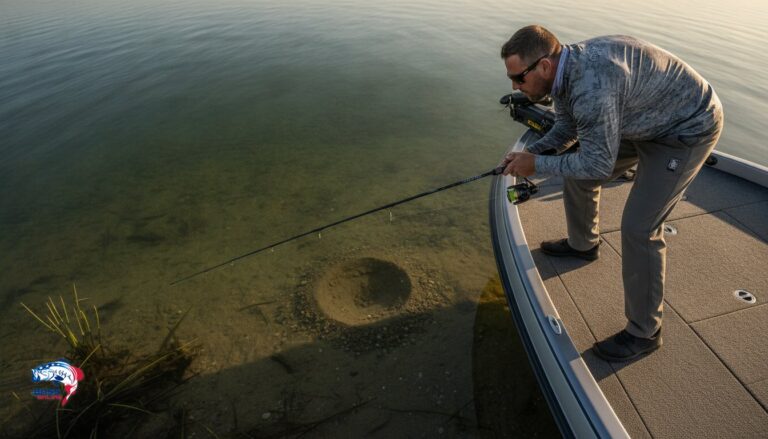
Standard sonar is great for deep ledges, but it’s nearly useless in three feet of thick hydrilla. On this lake, you have to “read the grass.” We look for specific shades of green, the presence of baitfish, and how the wind pushes clean water against the edges. A slight shift in wind direction can turn a crystal-clear cove into a muddy mess in minutes. By hiring a Lake Okeechobee fishing guide, you ensure you’re in the pocket that stays protected, keeping you on the bite while others are fighting the elements.
The Guide Advantage: Beyond Just Finding Fish
A pro acts as your technical coach on the water. If you’re struggling to punch through a mat or your hook set is a split-second too slow, we’re there to fix it in real-time. We provide the heavy-duty gear and the freshest wild shiners, which are the gold standard for trophy hunting. We also monitor atmospheric pressure constantly. If the bite shuts down, we know which technical adjustment will trigger a reaction strike. We track how the bass reposition under the shade of the lilies as the sun moves, keeping the momentum high all day long. It’s a seamless transition from one tactic to the next, ensuring your day is result-driven and packed with action.
Deciphering Seasonal Patterns and Water Levels
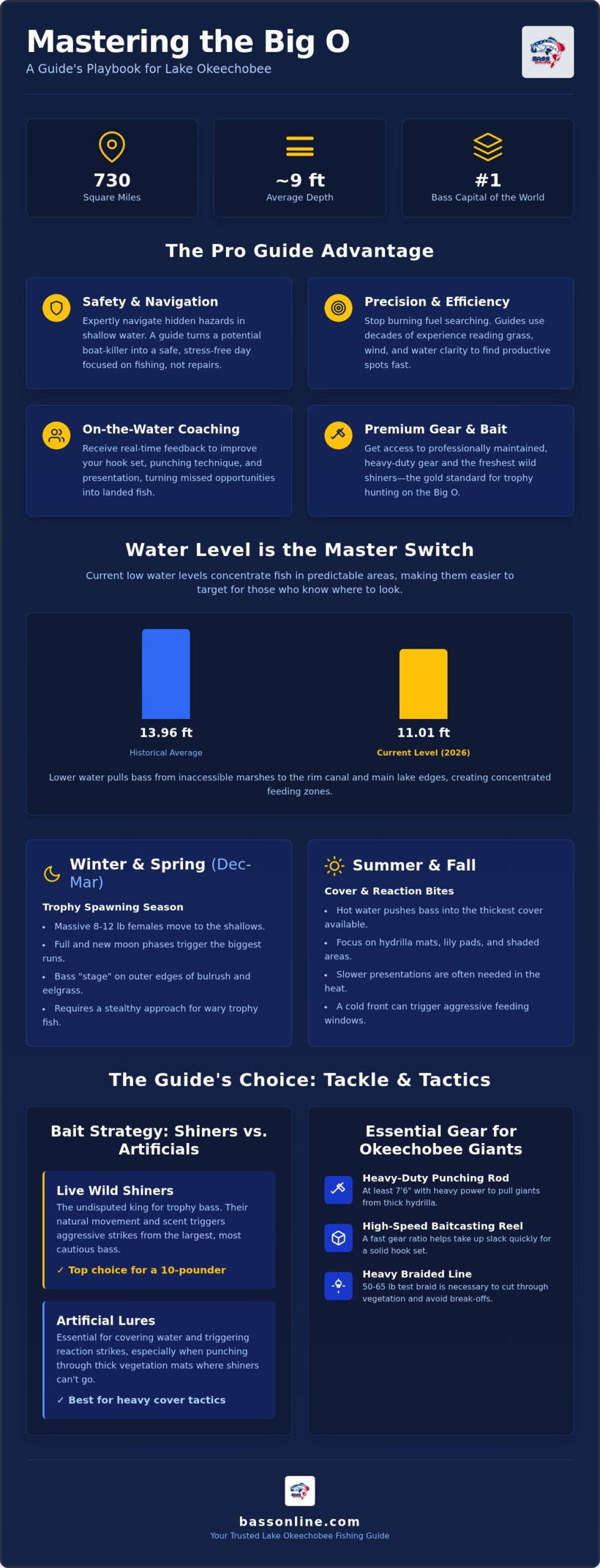
Success on the Big O starts with understanding that water levels are the master switch. As of August 2026, the lake stage is sitting near 11.01 feet, which is lower than the historical mid-August average of 13.96 feet. When the water drops like this, bass can’t physically reach the interior marshes they usually call home. They retreat to the deeper “rim canal” and the outer edges of the main lake. A seasoned Lake Okeechobee fishing guide knows that these low levels actually concentrate fish. It makes them easier to find if you know which deeper troughs and depressions to target while avoiding the newly exposed rock hazards.
Florida-strain largemouth bass are notoriously sensitive to the weather. A sudden cold front can give them “lockjaw” faster than any other species. We watch the barometer closely. When a front moves in, we adjust by slowing down our presentation and moving toward the thickest cover available where the water temperature remains more stable. If you’re planning a trip, booking a guided trip during a warming trend is your best bet for high-energy action.
Winter and Spring: The Spawn Cycle
This is the peak of trophy season. From December through March, the massive 8 to 12-pound females move toward the shallows to spawn. We pay close attention to the full and new moon phases because they trigger the biggest runs of the year. Before they hit the beds, bass will “stage” on the outer edges of bulrush and eelgrass. To stay updated on the latest movements, I always check the latest FWC fishing forecast. It’s a game of patience when hunting trophy females; they are wary and require a stealthy approach compared to the aggressive smaller males.
Summer and Fall: Tracking the Bite
When the Florida sun starts cooking the water, the early morning window becomes your best friend. We focus on a high-energy topwater bite right at daybreak using Zara Spooks or frogs. Once the sun gets high, we look for moving water near culverts or shade structures like heavy lily pad mats. These areas hold more oxygen and keep the fish active even in the heat. The “outside edge” of the vegetation acts as a highway for feeding bass during these months, allowing them to cruise for shad and bluegill.
The Impact of Vegetation and Hydrilla
Not all grass is created equal. We look for “mixed bags” of vegetation, specifically where hydrilla meets eelgrass or peppergrass. Hydrilla acts as the lake’s primary nursery and hunting ground. However, you have to be careful during the fall. If the vegetation starts dying off and turning brown, it sucks the oxygen out of the water, and the bass will vacate that area immediately. We hunt for the brightest, healthiest green stalks to find the most active fish.
Live Bait vs. Artificials: The Guide’s Strategy for Trophies
Every angler arriving at the Big O faces the same tactical dilemma: do I throw plastic or use live bait? If you’re hunting for a double-digit bass, the answer usually involves a wild shiner. A Lake Okeechobee fishing guide will tell you that while artificials are thrilling, nothing matches the raw instinct of a trophy bass chasing a live baitfish. It’s about matching the hatch in the most literal way possible. We use both methods, but we choose based on your specific goals for the day.
Wild Shiners: The Gold Standard for Trophies
Wild shiners are the native prey that grow these fish to legendary sizes. When a 10-pounder sees a 6-inch shiner dancing near a reed line, it triggers a predatory response that artificial lures can’t always replicate. Managing these baits in thick cover is an art. You have to guide the shiner so it stays active without burying itself deep in the hydrilla. While live bait requires an additional investment, the cost-to-benefit ratio is clear when you’re holding a bucket-mouth bass. It’s the most reliable shortcut to a personal best on this lake.
Mastering Artificials: When to Flip, Pitch, or Frog
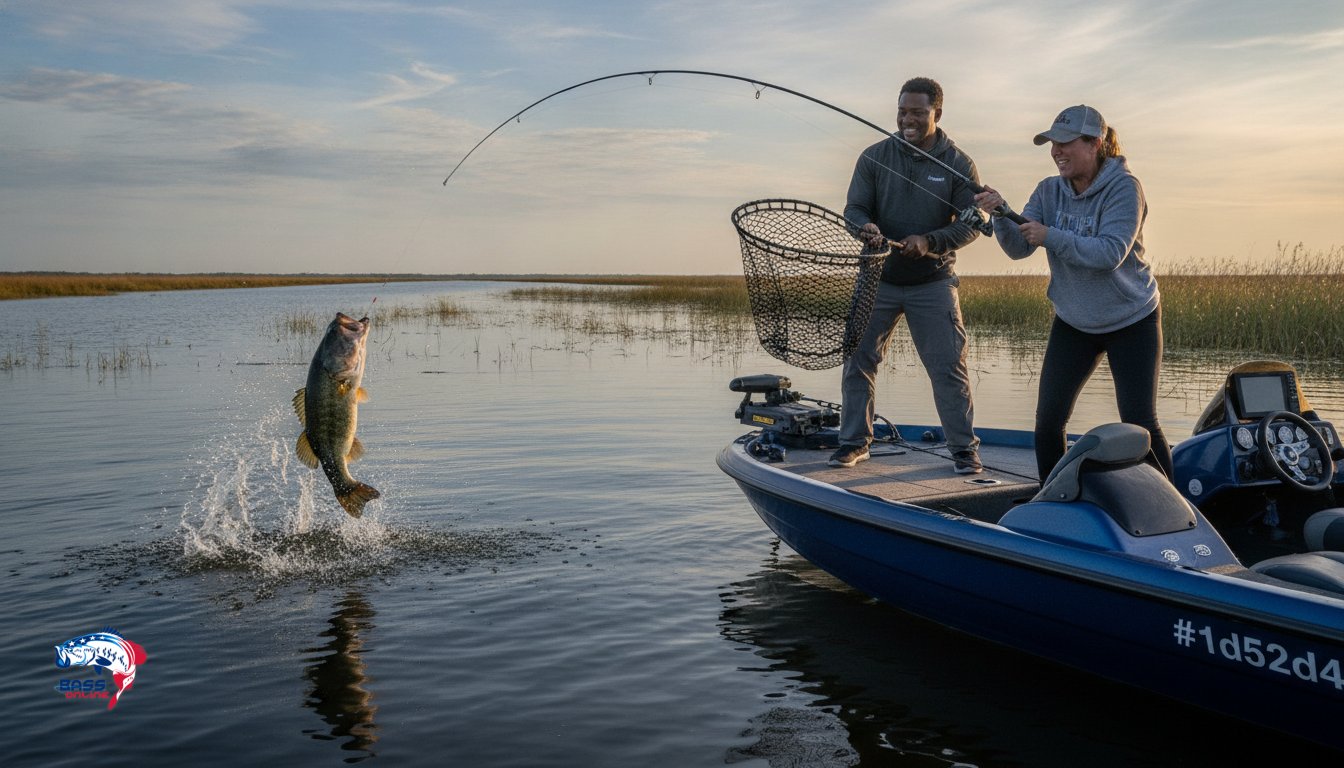
For anglers who crave the “thump” on the line, artificials provide a high-energy challenge. Flipping and pitching involve dropping heavy jigs or soft plastics into tiny pockets in the reeds. It’s close-quarters combat. You need a heavy rod and a fast reel to win these battles. If you’re looking to target largemouth bass during a topwater window, nothing beats a hollow-body frog. Dragging a frog across a thick mat triggers heart-stopping explosions that you’ll never forget.
Color selection depends entirely on the water’s “tannin” levels and the sky. Lake Okeechobee’s water often looks like dark tea. On overcast days, we stick to dark profiles like black-and-blue or junebug. When the sun is high, we switch to natural watermelon or green pumpkin shades. Always keep the Florida Fish and Wildlife Conservation Commission (FWC) regulations in mind to ensure your gear and catch are legal. Whether you want the finesse of a worm or the power of a shiner, we’ll put the right tool in your hand to ensure a successful expedition.
Essential Gear and Tackle for Okeechobee Bass
If you show up to the Big O with a medium-light spinning rod, you’re bringing a knife to a gunfight. The vegetation here is thick, abrasive, and unforgiving. When a trophy bass hits, it’s going to dive straight into the hydrilla or bulrush. If you can’t stop that first run, the fight is over before it starts. A professional Lake Okeechobee fishing guide provides gear that can handle this abuse, but understanding the “why” behind the setup is vital for your success.
Standard gear leads to heartbreak on this lake. To really grasp the mechanics of these fish and why they require such specialized tackle, check out our guide on Florida Bass Strategy. It explains the science of why these fish behave differently than their northern cousins and how that dictates our equipment choices.
Rod and Reel Selection for Heavy Cover
We recommend 7’6” to 8’ heavy-action rods. This extra length gives you the leverage needed to “pop” a fish out of a thick mat. A rod with a stiff backbone and a fast tip is essential. It lets you feel the bite through the grass but has the power to move a 10-pounder. Pair this with a high-speed baitcasting reel. A 7.1:1 gear ratio or higher is non-negotiable. You need to pick up line fast to keep the fish’s head up and moving toward the boat.
- High-speed reels: Essential for catching up to a bass swimming toward the boat after a strike.
- Locked-down drag: There’s no room for “playing” a fish in the reeds; it’s a game of win or lose in the first five seconds.
Line and Terminal Tackle Fundamentals
Standard monofilament will snap like a thread against Okeechobee’s sawgrass. We use 50-65lb braided line as the standard for flipping mats. Braid has zero stretch, meaning every ounce of power from your hookset goes directly to the fish. It also acts like a saw, cutting through lily pad stems to help you retrieve your catch. For terminal tackle, we prioritize tungsten weights over lead. Tungsten is smaller and denser; it slips through the grass easier and provides a better “feel” of the bottom composition.
Don’t overlook your hook gauge. Trophy bass have hard, bony mouths. A light-wire hook will simply straighten out under the pressure of a heavy rod and braided line. We use heavy-duty, wide-gap hooks to ensure that once the fish is pinned, it stays pinned. Don’t risk losing the fish of a lifetime because of a gear failure. If you want to see these heavy-duty setups in action and learn how to use them, contact us today to book your charter and let’s get to work.
Booking Your Expedition with Bass Online
Choosing the right Lake Okeechobee fishing guide is the final step in turning your bucket-list dream into a reality. Since 1997, Bass Online has stood as the definitive leader in Florida freshwater expeditions. We don’t just offer a boat ride; we provide a result-driven journey led by local authorities who live and breathe these waters. Our team operates with a performance-based mindset, ensuring that every minute on the water is focused on putting you on the fish of a lifetime. We’ve built our reputation on decades of successful outings and a deep passion for the environment.
Our booking process is designed to be seamless, allowing you to focus on the excitement of the trip rather than the logistics. When you book one of our Lake Okeechobee Bass Fishing Trips, you’re getting a professional charter that includes high-end rods, reels, and all the specialized tackle discussed in previous sections. For a complete breakdown of what makes this fishery so unique, you can explore our Lake Okeechobee Bass Fishing Guide, which covers the lake’s history and current 2026 ecosystem trends.
What to Expect on Your Pro Charter
Your day starts with a high-energy welcome and a thorough safety briefing from your USCG licensed captain. We believe in transparency, so we’ll walk you through the day’s game plan based on our most recent scouting reports. You’ll understand why we’re starting in a specific eelgrass bed or why we’re moving toward the rim canal if the wind shifts. This is a mentorship experience. We want you to leave the boat a better angler than when you stepped on, having learned how to interpret the water’s subtle cues.
Essential Prep for Your Trip
Preparation is the key to a stress-free day. First, make sure you’ve secured your Florida fishing license for the 2026 season. This is required for all anglers aged 16 and older. Next, pack high-quality polarized sunglasses; they are your best tool for spotting bass in the shallow vegetation. Don’t forget sun protection and a camera for that trophy shot. Finally, communicate your goals clearly to your captain. If you’re strictly trophy hunting for a 10-pounder, we’ll adjust our tactics for size over quantity. If you prefer a high-action day with lots of bites, we’ll pivot to the most aggressive schools on the lake. We’re here to tailor the experience to your specific vision of a perfect day on the Big O.
Capture the Legend: Your Personal Best Awaits
Landing a double-digit bass on Lake Okeechobee isn’t about luck; it’s about deep preparation and local knowledge. We’ve discussed why reading the grass and adapting to the 2026 water levels are essential for success. Whether you’re flipping heavy mats with 65lb braid or managing a wild shiner on the edge of the rim canal, having a pro by your side changes the entire game. You don’t have to waste your trip guessing where the fish are hiding.
As an industry leader since 1997, Bass Online provides the expertise you need to navigate this massive ecosystem safely and effectively. Our expert USCG licensed captains come equipped with professional-grade boats and tackle, ensuring you have every advantage on the water. Hiring a seasoned Lake Okeechobee fishing guide is the fastest way to turn a challenging day into a high-energy expedition you’ll never forget.
Stop dreaming about that trophy shot and start planning it. We’re ready to share our field-tested tactics and help you land the fish of a lifetime. Book Your Lake Okeechobee Trophy Bass Trip Now! Let’s get out there and make it happen.
Frequently Asked Questions
How much does a Lake Okeechobee fishing guide cost?
Rates for a professional Lake Okeechobee fishing guide vary based on the length of the trip, such as half-day or full-day options. Typically, the price covers the captain’s expertise, a high-end boat, and fuel. It’s best to check current availability for specific rates. Remember that additional costs often include Florida fishing licenses and live bait like wild shiners, which are usually sold by the dozen to ensure you have enough for the bite.
What happens if the weather is bad on the day of my trip?
Safety is our top priority on the water. If the weather conditions are dangerous, such as high winds or lightning, we’ll work with you to reschedule the expedition. Florida weather can change fast, and we often fish through light rain if the bite is hot. Your captain monitors radar constantly to ensure everyone stays safe while maximizing your time chasing trophy largemouth bass in protected coves or leeward reed lines.
Can I keep the bass I catch on Lake Okeechobee?
You can keep fish within the 2026 FWC regulations, but we strongly encourage catch and release for trophy bass. The current daily bag limit is five largemouth bass per person, and only one of those fish can be 16 inches or longer. Releasing the larger females ensures the Big O remains a world-class fishery for years to come. We’ll help you take high-quality photos for your trophy wall to document your success instead.
Is live bait included in the price of the charter?
Live bait is generally an additional expense and is not included in the base rate of the charter. Wild shiners are the gold standard for landing a personal best, and we recommend purchasing several dozen for a full-day trip. We handle the logistics of sourcing the freshest, most active bait possible so you can focus on the technical side of the strike when that giant finally hits. This ensures your day is result-driven and high-energy.
How many people can fit on a standard bass boat?
Our professional bass boats are designed to comfortably accommodate two to three anglers plus the guide. This ensures everyone has plenty of room to cast and move around without tangling lines. For larger groups or corporate events, we can arrange multiple boats to fish the same areas. This setup keeps the experience personal and allows your Lake Okeechobee fishing guide to provide individual instruction to every person on board, regardless of their current skill level.
What is the best month for trophy bass fishing on Lake Okeechobee?
The peak window for landing a massive 8 to 12-pound trophy is from December through March. This is when the large females move into the shallow vegetation to spawn. However, the lake offers incredible action year-round. While the winter months focus on size, the summer and fall months are fantastic for high-numbers trips and explosive topwater bites. Every season has a unique strategy that we’ve mastered over decades to keep you on the fish.
Do I need to bring my own fishing rod and tackle?
You don’t need to bring a thing. We provide professional-grade rods, reels, and all the specialized terminal tackle required to pull giants out of heavy cover. If you have a favorite lucky rod, you’re welcome to bring it, but we make sure every client has access to the same high-end equipment the pros use. This includes the heavy-action setups and braided lines essential for navigating the thickest hydrilla mats found on the Big O.
Can beginners or children go on a guided bass fishing trip?
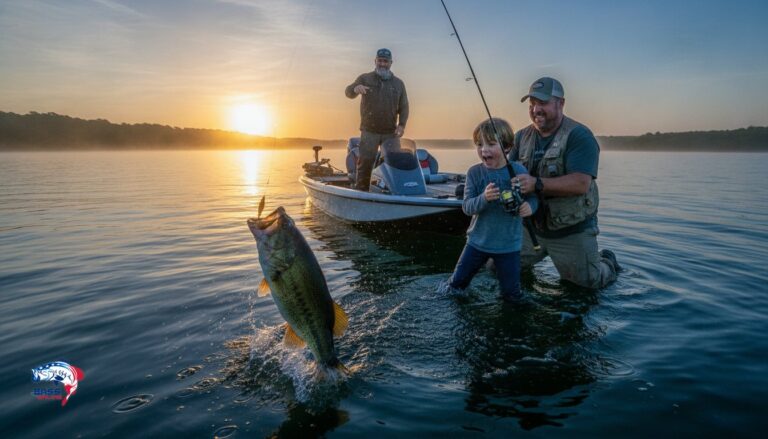
Absolutely. We love teaching the next generation of anglers and helping beginners land their first Florida bass. Our captains are patient mentors who enjoy explaining the “why” behind every technique. Whether it’s your first time holding a rod or you’re a seasoned weekend warrior, we tailor the day to your skill level. It’s a high-energy, educational environment that’s perfect for families looking for a stress-free and successful day on the water.

Article by
Mr Bass
Todd Kersey, widely known as Mr. Bass by Field & Stream, is a professional angler, accomplished author, and dedicated philanthropist with a lifelong passion for bass fishing. Armed with a degree in Outdoor Travel, Mr. Bass has expertly combined his knowledge with his practical fishing experience to become one of the most respected names in bass fishing.
His deep understanding of bass habitats and fish behavior has earned him numerous accolades as an asset to the sport. Serving 8 years as FWC Stakeholder Chairperson. Leading and passed cutting-edge legislation, such as the Black Bass Management Plan, and successfully built, passed, and helped finance the Trophy Catch program.
As CEO, he is committed to giving back to the community through his philanthropic efforts. He supports a variety of causes, especially those centered around physical disabilities. Through his advocacy, his mentorship programs inspire anglers to engage in fishing stewardship, helping to raise more than $18 million dollars in donations. Mr. Bass continues to inspire anglers and outdoor enthusiasts alike with his commitment to the sport, industry, and the world around him.